Bolivia Travel Health 2026: 12 Vaccinations You Need
Navigating Bolivia Travel Health Requirements and Vaccinations in 2026
Bolivia is a land of extreme contrasts, from the dizzying heights of the Andes to the humid, biodiversity-rich expanses of the Amazon basin. While its geography offers unparalleled adventure, it also presents a complex tapestry of health risks that require meticulous planning. Understanding the bolivia travel health requirements vaccinations 2026 is the first step in ensuring your South American journey is defined by discovery rather than medical emergencies. In 2026, health authorities have intensified surveillance due to evolving regional outbreaks, making up-to-date information more critical than ever.
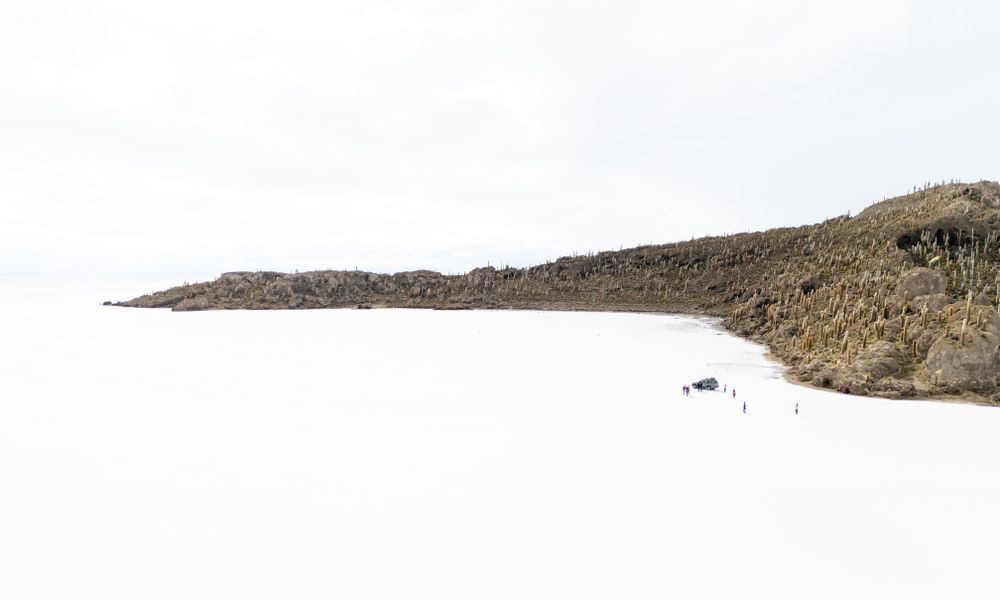
Travelers entering Bolivia must navigate a dual system of health regulations: mandatory requirements enforced by border officials and medical recommendations tailored to the specific regions you plan to visit. Whether you are trekking the Cordillera Real, exploring the Salar de Uyuni, or navigating the tributaries of the Beni River, your health strategy must be as diverse as the Bolivian landscape itself. This guide provides a comprehensive breakdown of everything from Yellow Fever mandates to the latest Dengue alerts, helping you prepare for a safe and exhilarating trip.

Mandatory and Essential bolivia travel health requirements vaccinations 2026
Entry into Bolivia in 2026 comes with specific legal health mandates that differ depending on your country of origin and your intended itinerary within the country. Failure to provide the correct documentation can result in denied entry or mandatory quarantine at the border. The cornerstone of these requirements remains the International Certificate of Vaccination or Prophylaxis (ICVP), commonly known as the "yellow book."
Yellow Fever (The Primary Legal Requirement)
As of 2026, Yellow Fever remains the most strictly monitored health requirement for Bolivia. The Bolivian government mandates proof of vaccination for all travelers aged one year and older arriving from countries with a risk of Yellow Fever transmission. This includes most neighboring South American nations and several sub-Saharan African countries. Even if you are arriving from a non-risk country (like the United States or the UK), you are legally required to carry proof of vaccination if you plan to visit "high-risk" departments within Bolivia, including Beni, Pando, Santa Cruz, and parts of Chuquisaca, Cochabamba, La Paz, and Tarija.
The Yellow Fever vaccine must be administered at least 10 days before your arrival to be considered valid for entry. While the World Health Organization (WHO) states that a single dose provides life-long immunity, some border checkpoints in remote areas of Bolivia may still look for a certificate issued within the last 10 years. We recommend having your "yellow book" clearly updated by a certified travel clinic. For those with medical contraindications (such as being over 60 or having certain immune conditions), a formal medical waiver signed and stamped by a physician is required, though entry into high-risk jungle zones may still be restricted for your safety.
Routine Vaccinations: The Foundation of Travel Safety
Before focusing on tropical diseases, ensure your routine immunization schedule is current according to CDC guidelines. In 2026, outbreaks of vaccine-preventable diseases like Measles and Pertussis have been reported in various parts of South America, making these "standard" shots a vital part of your travel defense. Your routine check should include:
- MMR (Measles, Mumps, Rubella): Two doses are standard; ensure you have received both, especially given the global resurgence of Measles.
- Tdap (Tetanus, Diphtheria, Pertussis): A booster is required every 10 years. If you are planning high-altitude trekking where medical care is distant, a Tetanus booster is essential.
- Polio: While Polio is rare, the WHO occasionally recommends a one-time adult booster for travelers to regions with circulating vaccine-derived strains.
- Chickenpox (Varicella) and Shingles: Recommended for those who haven't had the disease or the vaccine.
Hepatitis A and Hepatitis B
Hepatitis A is highly recommended for all travelers to Bolivia. The virus is primarily transmitted through contaminated food and water, which are common risks in both urban and rural Bolivian settings. The vaccine is typically administered in two doses, six months apart, but even a single dose given shortly before travel provides significant protection. Hepatitis B is recommended for those who might have surgical or dental procedures, get a tattoo or piercing, or have a new sexual partner while traveling. The Hepatitis B series involves three shots over six months, though accelerated schedules are available for last-minute travelers.
Recommended Vaccines and Regional Health Risks
Beyond the mandatory requirements, several vaccinations are "strongly recommended" based on the specific environmental exposures you will face. In Bolivia, your risk profile changes dramatically the moment you descend from the Altiplano (High Plains) into the Oriente (Eastern Lowlands).
Typhoid Fever and Cholera
Typhoid is a bacterial infection transmitted through contaminated food and water. It is a significant risk in Bolivia, particularly for those visiting smaller towns or staying for more than two weeks. You can choose between an injectable vaccine (one dose, lasts 2 years) or oral capsules (four doses over a week, lasts 5 years). Regardless of vaccination, strict adherence to food safety is necessary. Similarly, Cholera is a concern in areas with poor sanitation. While a Cholera vaccine (Vaxchora) is available, it is usually only recommended for aid workers or those traveling to areas with active outbreaks. Most tourists can mitigate Cholera risk through bottled water and "boil it, peel it, or forget it" food practices.
Rabies (High Risk in Rural Areas)
Bolivia is classified as a high-risk country for Rabies. The disease is endemic in the local dog population and among bats in the Amazonian regions. Rabies is 100% fatal once symptoms appear, making the pre-exposure series a wise investment for travelers who will be spending time outdoors, trekking, or visiting remote areas where post-exposure prophylaxis (PEP) is unavailable. The pre-exposure series involves three doses (Day 0, 7, and 21 or 28). If you are bitten by an animal, even if vaccinated, you must seek medical attention immediately, though the process is much simpler for those who had the pre-travel shots.
Malaria Prevention in the Amazon
There is no vaccine for Malaria available for general travelers in 2026; instead, prevention relies on chemoprophylaxis (medication). Malaria risk is present in areas below 2,500 meters, particularly in the departments of Beni, Pando, and Santa Cruz. For those visiting the Bolivian Amazon, medications such as Atovaquone-Proguanil (Malarone), Doxycycline, or Mefloquine are commonly prescribed. It is vital to start these medications before entering the risk zone and continue them for the prescribed period after leaving. You should consult our travel guides for detailed regional itineraries to determine if your specific stops require anti-malarials.
The 2026 Dengue and Oropouche Alert
One of the most critical bolivia travel health requirements vaccinations 2026 updates involves Dengue Fever. In 2025 and 2026, South America has experienced record-breaking Dengue surges, with cases appearing at higher altitudes than previously recorded (up to 2,700 meters in Cochabamba). While a Dengue vaccine (Qdenga) is available in some countries, its use is often restricted to those who have had a laboratory-confirmed prior infection. For most travelers, the primary defense is aggressive mosquito bite prevention. Additionally, 2026 has seen a rise in Oropouche virus alerts in the Amazon basin. Like Dengue, it is spread by midges and mosquitoes and causes high fever and severe joint pain; there is currently no vaccine, so "DEET is your best friend" remains the golden rule.

Managing Environmental Risks: Altitude and Infrastructure
In Bolivia, the environment is often more dangerous than any virus. The sheer elevation of major hubs like La Paz and the rugged nature of the medical infrastructure require a different kind of preparation.
Altitude Sickness (Soroche) in the Altiplano
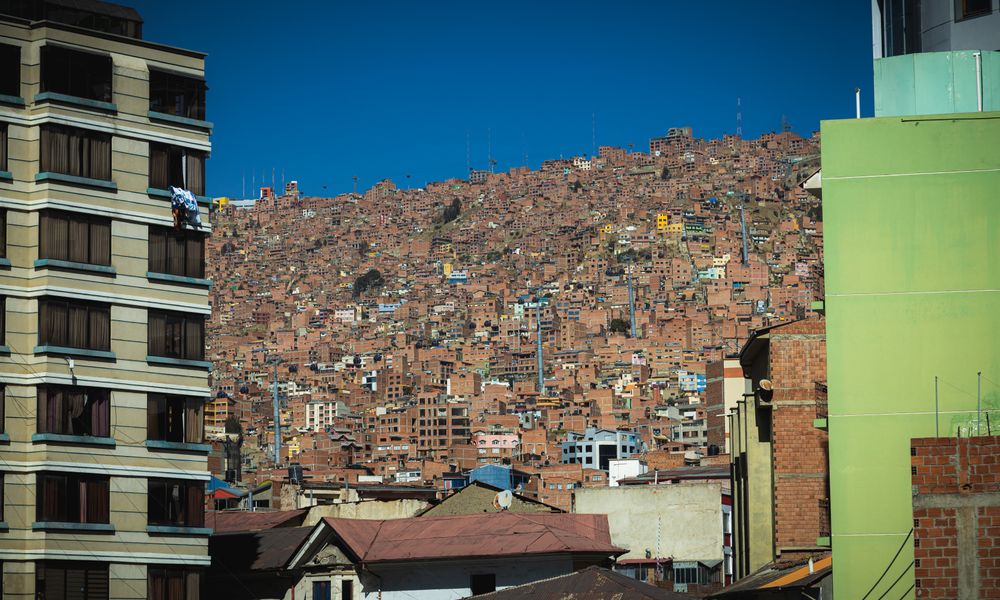
If you fly into El Alto International Airport in La Paz, you are landing at over 4,000 meters (13,000 feet)—the highest international airport in the world. Acute Mountain Sickness (AMS), known locally as soroche, affects approximately 50% of travelers who ascend rapidly to these heights. Symptoms include severe headache, nausea, insomnia, and fatigue.
To prevent serious complications like High-Altitude Pulmonary Edema (HAPE) or High-Altitude Cerebral Edema (HACE), follow these steps:
- Ascend Slowly: If possible, take a bus from Sucre or Santa Cruz to allow your body time to acclimatize.
- Medication: Consult your doctor about Acetazolamide (Diamox). Taking 125mg twice daily starting 24 hours before ascent can significantly reduce symptoms.
- Hydration and Diet: Drink plenty of water, avoid alcohol and heavy meals for the first 48 hours, and consider local mate de coca (coca leaf tea), which is a traditional remedy for altitude.
- Know When to Descend: If symptoms persist or worsen at rest, the only cure is descending to a lower altitude immediately.
For more tips on handling extreme environments, visit our travel safety blog, where we cover altitude acclimatization in depth.
Quality of Medical Facilities and Insurance
Medical care in Bolivia is a study in disparity. In La Paz and Santa Cruz, private clinics like Clinica Foianini or Clinica del Sur offer high-quality care, often with English-speaking staff. However, these facilities usually require upfront payment in cash or credit card before treatment begins. Public hospitals and rural clinics are frequently under-resourced, facing shortages of basic supplies and medications. According to the UK Foreign, Commonwealth & Development Office (FCDO), healthcare outside major cities may not meet Western standards.
Consequently, comprehensive travel health insurance is not just recommended; it is essential. Your policy must include emergency medical evacuation (medevac). A simple appendectomy or severe altitude sickness in a remote area like Uyuni could require a private flight to a better facility, costing upwards of $20,000 without insurance. Ensure your policy specifically covers "adventure activities" if you plan on mountain biking the "Death Road" or trekking in the Andes.
TripGuard360: Real-Time Health and Vaccination Monitoring
Travel health rules are never static. In the time between booking your flight and arriving in La Paz, the bolivia travel health requirements vaccinations 2026 could change due to a sudden outbreak or a policy shift by the Bolivian Ministry of Health. This is where TripGuard360 provides a critical safety net for the modern traveler.
TripGuard360 utilizes advanced AI to monitor official health advisories from the WHO, CDC, and the Bolivian government in real-time. Our system is designed to catch "red-flag" changes—such as a new Yellow Fever certificate mandate for a previously "safe" zone or a localized emergency declaration for Chikungunya or Dengue. The moment a health rule or entry requirement changes, TripGuard360 sends an immediate alert via Telegram and email directly to your device.
This proactive alerting system means you won't be surprised by a lack of documentation at the airport or find yourself walking into a region with a fresh disease outbreak. By integrating TripGuard360 into your planning, you ensure that your health strategy is as current as the news, allowing you to focus on the beauty of the Bolivian Altiplano while we handle the data.
Preparation Checklist: The 2026 Bolivia Travel Medical Kit
Because pharmacies in rural Bolivia may have limited stock or counterfeit medications, carrying a well-prepared medical kit is non-negotiable. Your kit should be customized based on whether you are heading to the freezing highlands or the tropical lowlands.
Essential Supplies for Your Kit
- Altitude Medication: Acetazolamide (Diamox) for the Altiplano.
- Anti-Malarials: If visiting the Amazon or Beni department.
- Insect Repellent: Must contain at least 30-50% DEET or Picaridin to protect against Dengue and Zika.
- Digestive Health: Loperamide (Imodium) for diarrhea, Oral Rehydration Salts (ORS) for dehydration, and an antibiotic like Azithromycin (if prescribed by your doctor for severe cases).
- Water Purification: A portable filter or iodine tablets for areas where bottled water is unavailable.
- First Aid Basics: Sterile bandages, antiseptic wipes, a thermometer, and tweezers.
- Sun Protection: High-SPF sunscreen and lip balm (UV radiation is exceptionally high at altitude).
- Sterile Needle Kit: Only for extreme remote travel, to ensure sterile equipment is used if you require an injection.
In conclusion, a trip to Bolivia in 2026 is an unforgettable experience that requires a professional approach to health. By securing your Yellow Fever certificate, completing your routine and recommended vaccinations, and preparing for the unique challenges of altitude, you can navigate this stunning country with confidence. Stay informed, stay insured, and let the adventure begin.