Canada Visa Requirements 2026: Entry Rules Explained
Your Comprehensive Guide to Canada Visa Requirements 2026 and Entry Rules
Navigating international travel can be complex, especially when it comes to understanding visa requirements and entry regulations. For those planning a trip to the Great White North in 2026, this exhaustive guide covers everything you need to know about Canada visa requirements 2026 entry rules. From understanding who needs a visa to the intricacies of the application process, required documents, and last-minute rule changes, we've got you covered. Ensuring you have the correct documentation and follow the latest entry protocols is paramount for a smooth and stress-free journey to Canada.
Canada, known for its stunning natural beauty, multicultural cities, and welcoming atmosphere, attracts millions of visitors annually. However, like any country, it has specific entry requirements that all travellers must adhere to. This article aims to be your definitive resource, consolidating information from official government sources to provide clarity and confidence for your 2026 travel plans. We will delve into the nuances for different passport nationalities, detail application procedures, highlight essential documents, and offer crucial advice on how to stay informed about any potential changes.
It is vital to remember that immigration policies can evolve. Therefore, while this guide is comprehensive as of its publication, we strongly recommend cross-referencing with official Canadian government sources closer to your travel date. Staying informed is key to avoiding unexpected issues at the border. For ongoing updates and personalized travel alerts, consider leveraging services designed to monitor these changes proactively.
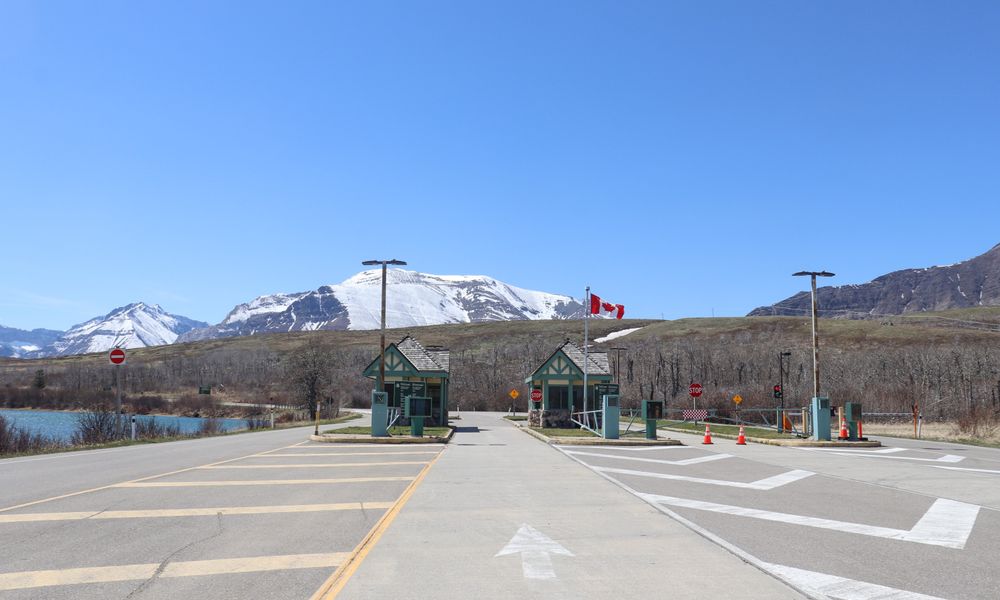
Understanding Canada's Entry Requirements for 2026
Canada has a well-defined system for managing entry into the country, primarily based on a traveller's country of citizenship. The majority of visitors will either require an Electronic Travel Authorization (eTA) or a visitor visa. Some nationalities are exempt from needing either, while others will need to apply for a full visa through a Canadian embassy or consulate.
Visa-Exempt Countries and the eTA System
For citizens of many countries, including most of Europe, the United States, Australia, and New Zealand, Canada has visa-free travel arrangements. However, this does not mean they can enter without any authorization. Instead, these travellers typically need an Electronic Travel Authorization (eTA). The eTA is an electronic document linked to your passport, allowing you to enter Canada by air. It is generally required for air travellers who are visa-exempt or have been granted permission to enter Canada for temporary purposes, such as tourism, visiting family, or short business trips.
The eTA system streamlines the pre-travel screening process, making it faster and more efficient for both travellers and border officials. It is typically valid for five years or until your passport expires, whichever comes first, and allows for multiple entries into Canada for stays of up to six months per visit. Applying for an eTA is an online process and is usually processed within minutes, though it can sometimes take longer.
Citizens of the United States travelling to Canada by air do not require an eTA but must carry proper identification, such as a valid US passport. Land and sea travellers from the US need to present proof of citizenship and identity, such as a passport, passport card, or enhanced driver's license.
Countries Requiring a Visitor Visa
Travellers from certain countries will need to apply for a visitor visa (Temporary Resident Visa - TRV) before travelling to Canada. This includes citizens from many countries in Africa, Asia, and the Middle East. The decision on whether you need a visa is based on your country of citizenship, not on where you are applying from.
The visitor visa application process is more involved than an eTA application. It requires submitting a detailed application form, supporting documents, and often attending an in-person interview at a Canadian visa application centre (VAC) or embassy. Processing times for visitor visas can vary significantly, often taking several weeks or even months, so it is crucial to apply well in advance of your planned travel date. You can find a comprehensive list of countries and territories whose citizens require a visa to visit Canada on the official Immigration, Refugees and Citizenship Canada (IRCC) website.
For the most current and official information regarding visa requirements for specific nationalities, always consult the official Government of Canada immigration website.
Visa-on-Arrival and Specific Entry Provisions
Canada generally does not offer a "visa-on-arrival" system in the traditional sense for most nationalities. The eTA and visitor visa are pre-arranged authorizations. However, there are specific circumstances or special programs that might grant entry authorization upon arrival for certain individuals, though these are exceptions rather than the norm. For instance, certain diplomats or individuals with specific pre-approved arrangements might fall under different protocols. It is essential for travellers to confirm their specific requirements well in advance, as relying on a non-existent visa-on-arrival facility could lead to denied entry.
Canada Visa Requirements 2026: A Nationality Breakdown
Understanding your specific visa needs based on your nationality is the first step in planning your trip to Canada. Below is a general overview. It is critical to verify the status for your specific nationality on the official IRCC website, as lists can be updated.
Visa-Exempt Nationalities (Require eTA for Air Travel)
Citizens of the following countries (among others) generally do not need a visitor visa for short stays if arriving by air, but they *must* obtain an eTA before travelling:
- All countries in the European Union
- United Kingdom
- United States
- Australia
- New Zealand
- Japan
- South Korea
- Singapore
- And many more...
Important Note for US Citizens: While US citizens do not need an eTA when travelling by air to Canada, they must carry proof of US citizenship and identity, such as a valid US passport. For land and sea travel, other documents like a passport card or enhanced driver's license may be accepted.
Nationalities Requiring a Visitor Visa (TRV)
Citizens of the following countries (among others) typically require a visitor visa to enter Canada, regardless of the mode of travel:
- China
- India
- Pakistan
- Nigeria
- Philippines
- Many countries in Africa, Middle East, and parts of Asia and South America.
This list is not exhaustive, and specific requirements can change. Always check the official IRCC website for the most accurate and up-to-date information for your nationality.
Visa-Free Countries (No eTA or Visa Required for Short Stays)
As of now, there are very few nationalities that are entirely exempt from needing any form of authorization for air travel. Generally, if you are visa-exempt, you will need an eTA. Canada does not have widespread visa-free entry for tourism purposes in the same way some other countries might.
Key takeaway: If your country is not on the list of visa-exempt countries, you will likely need a visitor visa. If your country *is* on the visa-exempt list, you will almost certainly need an eTA for air travel.
Applying for an Electronic Travel Authorization (eTA)
The eTA application is a straightforward online process. Here’s a step-by-step guide:
- Check Eligibility: Ensure you are a citizen of a visa-exempt country and travelling by air. US citizens are an exception and do not require an eTA.
- Gather Your Passport: You will need your valid passport. Your eTA will be electronically linked to this passport.
- Complete the Online Application: Visit the official Government of Canada eTA application website. Be prepared to answer questions about your personal information, passport details, employment, and travel history.
- Pay the Fee: The eTA fee is CAD $7. This is a non-refundable processing fee. Payment is typically made online via credit or debit card.
- Submit and Wait for Confirmation: Most eTA applications are processed within minutes. You will usually receive an email confirmation with the decision. In some cases, it may take longer if further review is needed.
Processing Time: Usually takes a few minutes, but allow up to 72 hours in case of manual review. It is highly recommended to apply for your eTA before booking your flight.
Applying for a Visitor Visa (TRV)
The visitor visa application process is more complex and requires careful attention to detail:
- Determine if you need a visa: Confirm based on your nationality via the IRCC website.
- Gather required documents: This is the most crucial step and is detailed in a later section.
- Complete the Application Form: Download the application forms from the IRCC website or complete them online. Ensure all information is accurate and complete.
- Pay the Fees: The visitor visa fee is CAD $100 per person. There is also a biometrics fee of CAD $85 per person (or CAD $170 for a family of two or more people applying at the same time). Biometrics may be required for most applicants.
- Submit your application: Applications can often be submitted online through the IRCC secure account, or at a Visa Application Centre (VAC) if required or preferred.
- Provide Biometrics: If required, you will receive instructions on how to provide your fingerprints and photograph at a designated VAC.
- Attend an Interview (if requested): Some applicants may be asked to attend an interview at a Canadian embassy or consulate.
- Wait for a decision: Processing times vary greatly depending on the country you are applying from, the volume of applications, and individual circumstances. It can range from a few weeks to several months. Check current processing times on the IRCC website.
Processing Time: Varies significantly, from a few weeks to several months. It is imperative to apply several months in advance of your intended travel date.
For detailed information and to start an application, visit the official visitor visa application portal on the IRCC website.

Essential Documents for Entry into Canada
Regardless of whether you need an eTA or a visitor visa, certain documents are consistently required for entry into Canada. Border services officers have the final say on who can enter Canada. Ensure you have all necessary documentation readily available.
Passport Validity
Your passport must be valid for the entire duration of your intended stay in Canada. While Canada does not have a strict minimum passport validity rule (like some countries requiring six months beyond your stay), it is always best practice to ensure your passport does not expire during your trip. If your passport expires while you are in Canada, you may face difficulties extending your stay or leaving the country.
Proof of Return Ticket
Border services officers may ask for proof that you intend to leave Canada at the end of your authorized stay. This can be demonstrated by a return or onward travel ticket. This is particularly important for those entering as visitors, as it supports the claim that you are not seeking to remain in Canada permanently.
Proof of Financial Support (Proof of Funds)
You must demonstrate that you have sufficient funds to support yourself and any accompanying family members during your stay in Canada. This could include:
- Bank statements (showing a consistent balance and recent activity)
- Pay stubs
- A letter from your employer stating your salary
- A letter of invitation from a Canadian resident if they are providing financial support, along with proof of their financial capacity.
The amount of funds required can vary depending on the length of your stay and whether you plan to stay in hotels or with friends/relatives. Border officials assess this on a case-by-case basis, but it's wise to have documentation showing you can cover your expenses.
Accommodation Details
While not always explicitly requested at the border, having information about your accommodation can be helpful. This includes hotel booking confirmations or, if staying with friends or family, their name, address, and contact information. This information helps border officials confirm your itinerary and intentions.
Other Potential Documents
- Letter of Invitation: If visiting friends or family, a formal letter of invitation from your host in Canada can be beneficial. It should include their contact information, status in Canada (citizen or permanent resident), and details about your visit and their role in supporting you.
- Travel Itinerary: A detailed itinerary of your planned activities and destinations within Canada.
- Marriage Certificate / Birth Certificates: If travelling with family, especially children, having these documents can help establish relationships.
- Medical Examination / Travel Insurance: While not always mandatory for short-term visitors, having travel insurance is highly recommended to cover any unforeseen medical emergencies. For longer stays or specific health conditions, a medical examination might be required as part of the visa application process.
It is crucial to carry originals or certified copies of all relevant documents. Always have your travel documents, including your passport and eTA or visa, readily accessible when approaching the border.
For advice on preparing for your travel, check out our travel safety blog.
Recent Entry Rule Changes in May 2026
Immigration policies are dynamic, and Canada, like many countries, may update its entry requirements. As of May 2026, travellers should be aware of any recent announcements or changes implemented by Immigration, Refugees and Citizenship Canada (IRCC) or the Canada Border Services Agency (CBSA). While no major shifts are widely announced at this specific moment for immediate implementation in May 2024 (as we are writing this), it is a critical reminder that policies *can* change. For example, during public health crises, entry requirements or health declarations can be introduced or modified with little notice.
It is essential to monitor official government channels for any updates. These might include:
- Announcements on the IRCC website.
- Updates on the Canada.ca travel advisories page.
- News releases from the CBSA.
Key areas to watch for potential changes include:
- Adjustments to eTA or visa application fees.
- Changes in processing times.
- Introduction or removal of specific travel document requirements (e.g., health-related declarations).
- Updates to rules regarding entry for specific nationalities or for particular purposes (e.g., business, study, work).
Staying informed is the best defence against unexpected entry issues. Services like TripGuard360 are designed precisely for this purpose, offering real-time alerts.

Overstay Penalties and Border Crossing Rules
Respecting the terms of your entry into Canada is crucial. Overstaying your welcome can have significant consequences, impacting your ability to travel to Canada or other countries in the future.
Penalties for Overstaying Your Visa or eTA
If you remain in Canada beyond the period authorized by border services officers (typically up to six months for visitors and eTA holders, or the expiry date on your visa/study/work permit), you are considered to have overstayed. The consequences can be severe:
- Removal from Canada: You may be ordered to leave Canada.
- Bans on Re-entry: You could be banned from re-entering Canada for a significant period, ranging from one year to ten years, or even permanently, depending on the circumstances and duration of the overstay.
- Impact on Future Applications: A history of overstaying can negatively affect future applications for Canadian visas, permanent residency, or citizenship. It can also impact applications for visas to other countries.
If you find yourself in a situation where you cannot leave Canada by the date permitted, it is advisable to contact IRCC or seek legal counsel to explore your options and understand the potential repercussions.
Border Crossing Rules and Regulations
Canada has strict border crossing rules. When you arrive at a Canadian port of entry, you will be met by a Canada Border Services Agency (CBSA) officer. You must declare all goods you are bringing into Canada, including:
- Alcohol and tobacco
- Gifts
- Goods purchased in another country
- Cash exceeding CAD $10,000
- Any items that are restricted or prohibited (e.g., certain foods, weapons, firearms, illicit drugs).
Failure to declare goods or making false declarations can result in confiscation of goods, fines, and even criminal charges. Be truthful and upfront with the CBSA officer. They will ask you about the purpose of your visit, the length of your stay, and the goods you are carrying.
Travelling with Children: If you are travelling with children, especially if they are not your own, ensure you have documentation proving your relationship or consent from the non-travelling parent(s). This includes birth certificates and consent letters.
Customs Declarations
All travellers entering Canada must declare any goods they are bringing into the country. This includes items purchased abroad, gifts received, and any items you intend to sell or distribute in Canada. The CBSA website provides detailed information on what needs to be declared and potential duties or taxes that may apply.
Restrictions on Goods
Certain goods are restricted or prohibited from entering Canada. This includes:
- Firearms and weapons
- Certain food products, plants, and animals
- Illicit drugs and related paraphernalia
- Offensive literature or items
Always check the CBSA guidelines before travelling to ensure you are not carrying any prohibited or restricted items.

Transit Visa Requirements for Canada
If you are transiting through Canada on your way to another country, you may still need authorization, depending on your nationality and how you are travelling.
Do You Need a Transit Visa?
Most travellers who are visa-required for entry into Canada will need a transit visa if they are passing through a Canadian airport on their way to another country. This applies even if you do not plan to leave the international transit area of the airport.
Citizens of visa-exempt countries (e.g., most European countries, Australia, New Zealand) generally do not need a transit visa if they are entering Canada by air and will remain in the international transit area of the airport. However, they will typically need an eTA.
Important Exception: US citizens do not require a transit visa or an eTA to transit through Canada, regardless of their mode of travel.
There is also the option of a Transit Without a Visa (TWOV) program, which allows certain visa-required nationals to transit through Canada without a visa under specific conditions. To qualify for TWOV, travellers must:
- Be citizens of a visa-required country.
- Have a valid visa for their destination country.
- Travel on a direct airside transit to their destination.
- Meet all other eligibility requirements.
Travellers using the TWOV program must remain in the international transit area of the Canadian airport. If you need to enter Canada (e.g., to change airports or clear immigration), you will need a visitor visa or an eTA.
How to Apply for a Transit Visa
The application process for a transit visa is similar to that of a visitor visa, although the purpose of travel is different. You will need to fill out the appropriate application forms, provide supporting documents, and pay the required fees. The processing times can also vary.
Always check the specific requirements for transit based on your nationality on the IRCC website. It is better to have the correct authorization than to be denied boarding or entry.
Navigating Rule Changes After Booking Your Trip
Travel plans can be disrupted by unexpected changes in visa and entry requirements. If Canada updates its rules after you have booked your flights and accommodation, here's what you should do:
- Stay Calm and Informed: First, understand the specifics of the change and how it affects you. Check official government sources for the most accurate information.
- Review Your Booking Terms: Check the cancellation and rebooking policies of your airline, hotel, and any tour operators. Many companies offer flexibility in cases of significant travel disruptions.
- Contact Your Travel Provider: Explain your situation to your airline or travel agency. They may be able to assist with rebooking or provide a refund if the changes make your trip impossible.
- Check Your Visa/eTA Status: If the changes affect your visa or eTA, ensure your documentation remains valid or apply for updated documents as required.
- Consider Travel Insurance: If you have comprehensive travel insurance, review your policy to see if it covers disruptions due to changes in entry requirements. Some policies offer coverage for such events.
- Seek Expert Advice: If the situation is complex or you are facing significant financial loss, consider consulting with an immigration lawyer or a reputable travel advisory service.
This is where proactive monitoring services become invaluable. Services like TripGuard360 are designed to alert you instantly to such changes, giving you maximum time to react and adjust your plans before they become problematic.
How TripGuard360 Monitors Visa and Entry Rule Changes with Gemini AI
TripGuard360 offers a cutting-edge solution for travellers seeking to stay ahead of unpredictable changes in global travel regulations. By leveraging the advanced capabilities of Gemini AI, TripGuard360 continuously monitors official government immigration websites, travel advisories, and news outlets from countries worldwide, including Canada.
The AI-powered system analyzes vast amounts of data in real-time, identifying any updates, amendments, or new regulations concerning visa requirements, entry protocols, health declarations, and other critical travel mandates. The moment a country revises its entry rules, TripGuard360 is alerted.
Users who have subscribed to TripGuard360 receive instant alerts via Telegram and email. These notifications provide concise summaries of the changes and direct users to official sources for detailed information. This ensures that travellers are never caught off guard at the border, even if rules change unexpectedly after their trip has been booked. This proactive approach offers peace of mind, saving travellers from potential rejections at immigration, missed flights, or unexpected expenses.
For more insights into staying safe and prepared for your travels, explore our travel guides.
Planning international travel requires diligence and up-to-date information. By understanding the Canada visa requirements 2026 entry rules, preparing all necessary documents, and staying aware of potential changes, you can ensure a smooth and enjoyable experience in Canada. Always prioritize official sources and consider utilizing advanced tools to keep track of the ever-evolving landscape of global travel regulations.