Chile Travel Warning 2026: Is it Safe for Tourists?
Chile remains one of the most mesmerizing destinations in the world, a thin ribbon of land stretching between the towering Andes and the vast Pacific Ocean. As we look toward travel safety Chile 2026, the country continues to draw millions of visitors seeking the surreal landscapes of the Atacama Desert, the lush vineyards of the Central Valley, and the rugged, ice-carved peaks of Patagonia. May is a particularly unique time to visit; it marks the transition into the Southern Hemisphere’s winter, offering crisp air, fewer crowds, and the first dusting of snow on the mountains.
However, traveling in 2026 requires more than just a packed suitcase and a sense of adventure. Global shifts in economy and social dynamics mean that staying informed is the cornerstone of a successful trip. Whether you are planning a solo trekking expedition or a luxury wine tour, understanding the nuances of the local safety landscape is essential. This guide provides a deep dive into everything you need to know about staying secure, healthy, and culturally aware while exploring the "Land of Poets." For more general advice on international journeys, check out our travel safety blog or browse our extensive library of travel guides.
Understanding Travel Safety Chile 2026: An Overview
As of early 2026, Chile maintains its reputation as one of the safest countries in Latin America, consistently ranking high on the Global Peace Index. However, "safe" does not mean "risk-free." The safety profile of Chile has evolved over the last few years, with a shift in the types of risks travelers face. While violent crime against tourists remains statistically low, there has been a documented increase in opportunistic petty crime, particularly in urban hubs like Santiago, Valparaíso, and Antofagasta.
According to the latest U.S. Department of State travel advisory, Chile is generally categorized as Level 2: Exercise Increased Caution. This is primarily due to the prevalence of street crime and the potential for civil unrest. In May 2026, visitors should be particularly aware of "motochorros" (criminals on motorcycles) who may snatch phones or bags from unsuspecting pedestrians. Staying vigilant in crowded areas and keeping high-value items out of sight are the most effective ways to mitigate these risks.
Political Stability and Social Climate
Chile has experienced significant social transformations since the 2019 protests. By 2026, the political climate has largely stabilized, yet anniversary dates and localized demonstrations can still lead to temporary disruptions. Most protests are centered in Santiago, specifically around Plaza Baquedano (often called Plaza Italia or Plaza de la Dignidad) and near government buildings like La Moneda. While most demonstrations are peaceful, they can occasionally involve clashes between protesters and the Carabineros (national police). Travelers are advised to avoid any large gatherings and monitor local news for "marchas" (marches) that might affect transportation or safety.
Crime Statistics and Areas to Avoid
Crime in Chile is heavily concentrated in specific neighborhoods. In the capital, Santiago Centro, Estación Central, and parts of Recoleta see higher rates of theft. While Providencia, Vitacura, and Las Condes are generally safer and more affluent, they are not immune to "portonazos" (vehicle robberies at entry gates), though these rarely target tourists in rental cars. In the coastal city of Valparaíso, the hills of Cerro Alegre and Cerro Concepción are tourist favorites and relatively safe during the day, but wandering into less-frequented hills or walking alone at night near the port area is discouraged. Always stick to well-lit, populated routes and use reputable ride-sharing apps after dark.

Health Risks and Medical Preparation for Chile
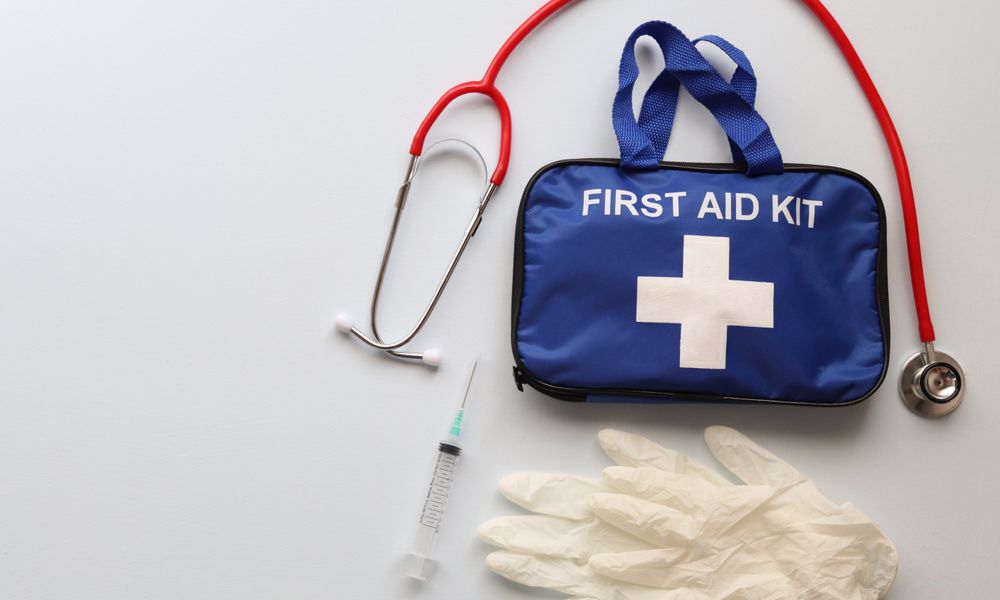
Your physical well-being is a vital component of travel safety Chile 2026. Chile boasts a high standard of medical care, particularly in private clinics (clínicas) in major cities. However, the country’s diverse geography presents unique health challenges, from the thinning air of the high Andes to the intense UV radiation in the north. Before you depart, consult the CDC health recommendations for Chile to ensure your routine vaccinations are up to date.
Mandatory and Recommended Vaccinations
There are currently no mandatory vaccinations for entry into Chile for most international travelers. However, health officials strongly recommend being vaccinated against Hepatitis A and Hepatitis B, as well as Typhoid, especially if you plan on visiting rural areas or eating at street markets. While Chile successfully managed the COVID-19 pandemic, it is wise to carry digital proof of your vaccination status, as some venues or regional borders may occasionally reinstate health checks during the winter flu season, which begins in May.
Food and Water Safety Precautions
One common question for travelers is: "Can I drink the water in Chile?" In Santiago and most major cities, the tap water is chemically safe to drink and meets high standards. However, it has a very high mineral content, which can cause upset stomachs for those not accustomed to it. Many travelers prefer to stick to bottled water (agua mineral) to avoid "traveler's tummy." In terms of food safety, Chile is famous for its seafood and street food like "completos." Ensure that seafood is thoroughly cooked, especially mariscos (shellfish), to avoid risks of Vibrio parahaemolyticus, a bacteria sometimes found in raw shellfish during warmer currents.
Environmental Risks: Altitude and Sun
If your 2026 itinerary includes San Pedro de Atacama or the El Tatio Geysers, you will be at altitudes exceeding 4,000 meters (13,000 feet). Altitude sickness (soroche) is a real risk. Symptoms include headaches, nausea, and shortness of breath. To stay safe, ascend slowly, stay hydrated, and avoid alcohol for the first 48 hours. Additionally, the ozone layer is thinner over parts of Chile, meaning UV radiation levels are extremely high even on cloudy days in May. Wear high-SPF sunscreen, a hat, and UV-protective sunglasses to prevent severe burns.
Navigating Transportation Safely in 2026
Transportation is often where travelers feel most vulnerable. In Chile, the infrastructure is generally excellent, but specific safety protocols should be followed whether you are underground in a metro station or driving through the desolate stretches of the Pan-American Highway.
Public Transit vs. Ridesharing in Santiago
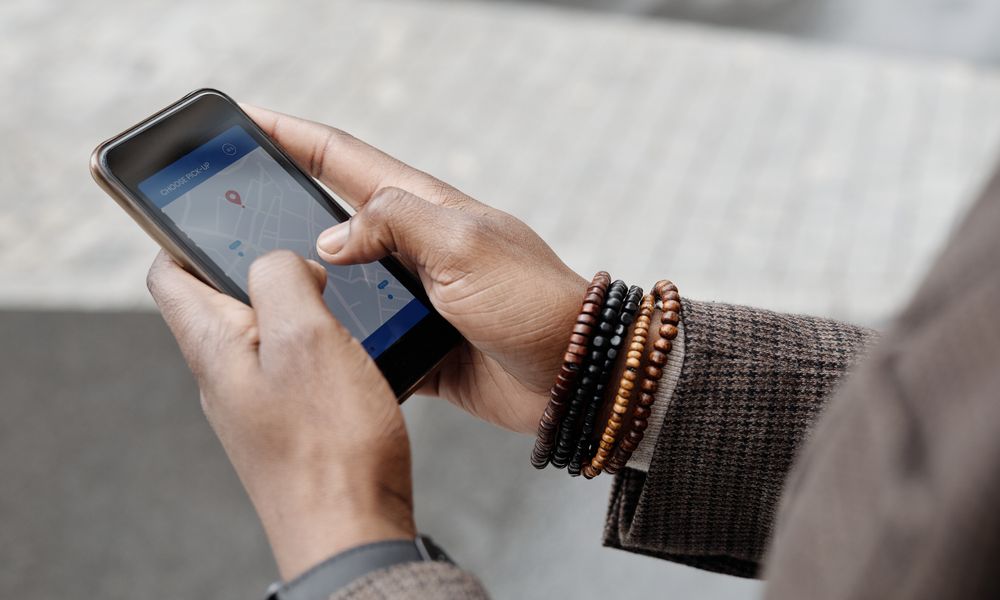
The Metro de Santiago is one of the cleanest and most efficient subway systems in the world. It is a very safe way to navigate the city; however, pickpockets operate frequently during peak hours (8:00 AM – 10:00 AM and 6:00 PM – 8:00 PM). Always wear your backpack on your front and keep your hand over your zipper. When it comes to taxis, avoid hailing street taxis, especially near the airport or major bus terminals. There have been reports of "cloned" meters or drivers taking circuitous routes to overcharge. Instead, use apps like Uber, Cabify, or Didi, which provide GPS tracking and driver identification, adding a layer of security to your journey.
Long-Distance Travel and Road Safety
Chilean bus companies like TurBus and Pullman Bus offer high levels of comfort and safety for long-distance travel. For maximum security, choose "Salón Cama" seats and keep your carry-on bag between your feet rather than in the overhead bin. If you are renting a car, be aware that Chile has a strict zero-tolerance policy for drinking and driving. The roads in the South (Carretera Austral) can be narrow and unpaved; in May, these roads may become slippery due to rain or early ice. Always check weather conditions with the Dirección Meteorológica de Chile before embarking on a rural drive.
Safety at Airports and Terminals
Arturo Merino Benítez International Airport (SCL) in Santiago has seen significant upgrades. Upon arrival, only use official taxi desks located inside the baggage claim area (such as TransVip or Taxi Oficial). Ignore the "unofficial" drivers waiting in the arrivals hall. These drivers are not regulated and are a common source of scams for newly arrived tourists who are tired and less alert.

Cultural Etiquette and Local Customs
Integrating into the local culture isn't just about being polite; it’s a strategy for travel safety Chile 2026. By blending in and respecting local norms, you reduce the "obvious tourist" profile that can attract unwanted attention. Chileans, or Chilenos, are generally formal but very hospitable once a connection is made.
- Greetings: A single kiss on the right cheek is the standard greeting between women and between men and women. Men usually shake hands. Using "Usted" (formal you) with elders or officials is a sign of respect.
- The "Propina": In restaurants, a 10% tip (propina) is standard. It is often added to the bill as a "sugerida," and while technically optional, it is socially expected. Failing to tip can be seen as a major insult.
- Safety in Speech: Avoid discussing sensitive political topics or the Pinochet era unless you are with close friends. While Chile is a democracy, these topics remain deeply polarizing.
- Punctuality: In social settings, being 15-30 minutes late is often the norm (la hora Chilena). However, for business, tours, and transportation, punctuality is strictly observed.
Protest Etiquette and Social Awareness
In the event you encounter a protest, the best cultural and safety advice is to remain neutral and move away. Do not take photos of the police or protesters, as this can be misinterpreted by either side and lead to confrontation. If you are in a neighborhood where "cacerolazos" (banging of pots and pans) are occurring, it is a sign of local discontent; staying indoors until the noise subsides is the safest course of action.
Best Practices for Staying Safe as a Tourist
To maximize your safety during your May 2026 trip, you should adopt a proactive mindset. Security experts recommend the "rule of three": always have three ways to access your money, three ways to communicate, and three people who know your itinerary.
- Digital Security: Use a VPN when connecting to public Wi-Fi in hotels or cafes. Carry a portable power bank to ensure your phone never dies, as you will need it for navigation and emergency calls.
- Money Management: Do not carry large amounts of cash. Use a "dummy wallet" with a few small bills and expired cards to hand over in the extremely unlikely event of a mugging. Use ATMs only inside banks during daylight hours.
- Document Safety: Keep your physical passport in a hotel safe. Carry a high-quality color photocopy or a digital scan on your phone. In Chile, you are legally required to carry identification at all times.
- The "Mustard Scam": Be wary of strangers pointing out a "stain" on your clothes and offering to help clean it. This is a classic distraction technique used by pickpockets. If this happens, walk away immediately and clean yourself later in a secure location.
Specific Safety for Solo and Female Travelers
Chile is generally safe for solo travelers. However, catcalling (piropos) can occur in urban areas. The best response is usually to ignore it and keep moving. If you feel you are being followed, enter a shop, pharmacy (Farmacia), or hotel lobby and ask for assistance. Joining group tours for activities like trekking in Torres del Paine or stargazing in Vicuña is a great way to stay safe while meeting fellow travelers.
Emergency Contacts and Useful Phrases
In any emergency, knowing who to call can save lives. Chile has a centralized system, but different branches handle different issues. Note that operators may not always speak fluent English, so having a few Spanish phrases ready is crucial for travel safety Chile 2026.
Emergency Numbers
- 131: Ambulancia (Ambulance)
- 132: Bomberos (Fire Department)
- 133: Carabineros (Police)
- 134: PDI (Investigations Police - typically handles immigration and high-level crime)
- 1411: Tourism Police (in some specific tourist sectors of Santiago)
Essential Safety Phrases
- ¡Ayuda! (Ah-yoo-dah) – Help!
- Necesito un médico. (Ne-se-see-to oon meh-dee-ko) – I need a doctor.
- Me han robado. (Me an ro-ba-do) – I have been robbed.
- ¿Dónde está la comisaría? (Don-de es-ta la co-mi-sa-ree-ah) – Where is the police station?
- Llama a la policía. (Ya-ma a la po-lee-see-ah) – Call the police.
How TripGuard360 Enhances Your Safety in Chile
Despite all the preparation in the world, the unexpected can happen. This is where TripGuard360 becomes an indispensable part of your travel kit. Our platform is designed to offer real-time safety monitoring tailored to your exact location in Chile. In 2026, the speed of information is your greatest asset.
TripGuard360 provides instant push notifications for a variety of risks, including seismic activity (Chile is one of the most earthquake-prone countries on earth), sudden political protests, or localized crime spikes. If a "marcha" is scheduled for the streets of Valparaíso while you are there, TripGuard360 will alert you hours in advance, suggesting alternative routes and areas to avoid. Furthermore, our "Local Risk Score" feature gives you a block-by-block breakdown of safety ratings in cities like Santiago, ensuring you never accidentally wander into a high-risk zone.
Beyond alerts, TripGuard360 stores your emergency contact information and medical records securely, allowing you to share them with local authorities or medical staff at the touch of a button. In a country where the language barrier might be a challenge during a crisis, having your vital information ready and translated can be a game-changer. Our 24/7 support team is also available to help you navigate local bureaucracies if you lose your passport or encounter legal trouble.
Conclusion: Embrace the Adventure with Confidence
Chile in May 2026 offers a world of wonders, from the shimmering salt flats of the north to the crystalline fjords of the south. By understanding the travel safety Chile 2026 landscape, staying aware of your surroundings, and respecting the local culture, you are setting the stage for a journey that is as secure as it is unforgettable. Chile is a country that rewards the curious and the prepared.
Don't leave your safety to chance. As you finalize your itinerary, make sure you have a partner watching your back every step of the way. Experience Chile with total peace of mind by using TripGuard360. Our real-time alerts and expert safety data ensure that you can focus on the majesty of the Andes while we handle the monitoring. Sign up for TripGuard360 today and turn your 2026 Chilean dream into a safe and stunning reality!