Cuba Travel Health Requirements & Vaccines 2026
Cuba remains one of the most culturally vibrant, historically rich, and visually arresting destinations in the Caribbean. However, as travel dynamics shift in 2026, navigating the island's unique healthcare landscape requires thorough preparation. Preparing for a journey to Cuba is not as simple as packing sunscreen and booking a beach resort in Varadero; it involves a meticulous understanding of entry rules, health insurance mandates, and protective immunizations. Whether you are wandering through the historic streets of Old Havana, hiking the lush tobacco fields of Viñales, or relaxing on the pristine sands of Cayo Largo, understanding the cuba travel health requirements vaccinations 2026 protocols is essential for a safe, healthy, and uninterrupted vacation.
This comprehensive guide provides an in-depth breakdown of mandatory entry rules, strongly recommended vaccines, active regional disease outbreaks (such as the recent rise in mosquito-borne viruses), and the critical realities of Cuba’s medical infrastructure. By equipping yourself with this medical knowledge before you depart, you can protect your physical well-being and ensure compliance with Cuban border authorities.
Mandatory Cuba Travel Health Requirements Vaccinations 2026
To enter Cuba in 2026, all international arrivals must comply with strict administrative and health protocols. While Cuba does not mandate a long list of immunizations for the average tourist, there are specific legal prerequisites you must complete before boarding your flight. Failing to meet these requirements can result in boarding denials, fines, or immediate repatriation at your own expense.
The first and most critical administrative requirement is the completion of the digital entry form. The Cuban government utilizes a unified online platform known as D'Viajeros. Every traveler, regardless of age or nationality, must complete this digital declaration within 72 hours of departure. The form integrates immigration, customs, and health information, requiring you to declare any active infectious symptoms, detail your travel history over the past 15 days, and provide proof of travel health insurance. Once completed, a PDF with a personalized QR code is generated, which you must present to airline staff at check-in and to border agents upon arrival in Cuba.
According to the official UK Foreign, Commonwealth & Development Office (FCDO) travel advice for Cuba, tourists must also navigate specific healthcare insurance guidelines. Cuba became one of the first nations to mandate travel health insurance for all foreign visitors. This policy remains strictly enforced in 2026. The policy must cover emergency medical expenses, hospitalization, and emergency medical evacuation. Crucially, due to ongoing geopolitical sanctions, many standard U.S.-based travel insurance plans explicitly exclude Cuba. Travelers must ensure their provider specifically covers Cuban territory.
For travelers flying directly from the United States, major airlines typically include the cost of mandatory Cuban medical insurance (underwritten by the Cuban state insurer ESICUBA) in the price of the airline ticket. This insurance is valid for 30 days. If you are traveling on a U.S. carrier, you must retain your physical boarding pass throughout your entire stay in Cuba; the boarding pass serves as your primary proof of insurance at clinics and hospitals. If you arrive from a non-U.S. country, you must present a physical certificate of a policy that explicitly covers Cuba. If you arrive without valid proof of coverage, you will be forced to purchase a basic local policy from the Asistur desk at the airport, which features high premiums and restricted coverage limits.
The D'Viajeros Portal: Digital Entry Health Declaration
The D'Viajeros portal is the gatekeeper to Cuban entry. In this portal, travelers must declare their vaccination status and whether they have recently been exposed to any communicable illnesses. While routine COVID-19 entry testing and quarantine mandates were officially rolled back, health authorities at Cuban airports retain the legal right to perform random temperature screenings and PCR testing on any incoming traveler. If you are selected for random testing and return a positive result for an infectious disease of public health concern, you may be subjected to mandatory isolation at a government-designated medical facility or hospital at your own expense.
Yellow Fever Certificate Requirements for Cuba Entry
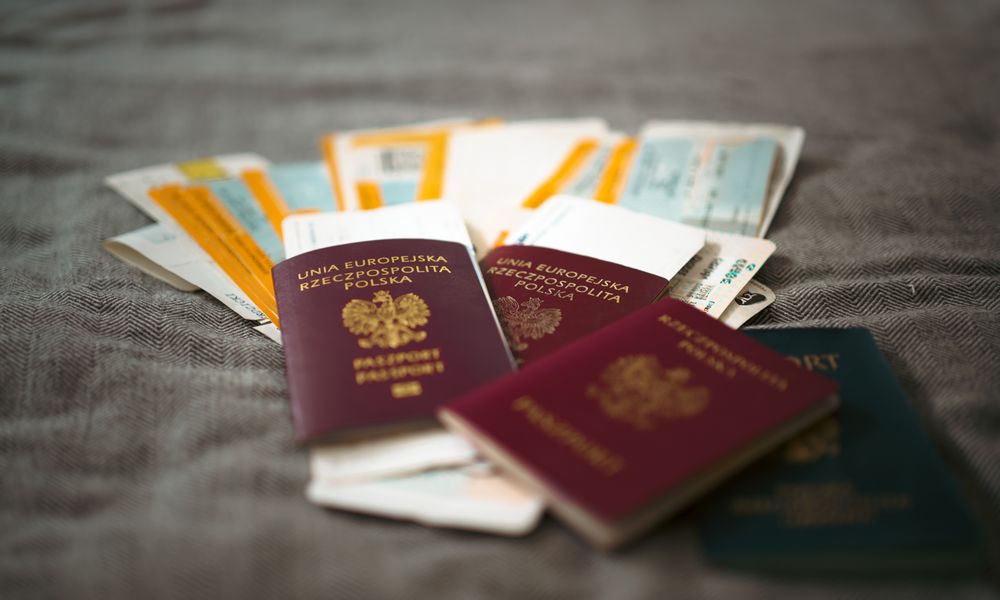
While Yellow fever is not endemic to Cuba, the country maintains strict border protocols to prevent its introduction. A valid International Certificate of Vaccination or Prophylaxis (ICVP) for Yellow fever is mandatory for any traveler aged 9 months or older who is arriving from, or has transited for more than 12 hours through, an airport in a country with risk of Yellow fever transmission. This includes endemic areas in Sub-Saharan Africa and tropical South America (such as Brazil, Colombia, Peru, and Ecuador).
To cross-reference the designated yellow fever transmission risk areas, consult the U.S. Centers for Disease Control and Prevention (CDC) Cuba traveler portal. The Yellow fever vaccine (such as YF-VAX or Stamaril) must be administered at least 10 days prior to your arrival at the Cuban border to be legally recognized. This live-attenuated vaccine is highly effective, and a single dose now provides lifelong immunity for most individuals, though you must carry the physical yellow ICVP booklet with your passport.
- Digital Health Form: Must complete the D'Viajeros digital declaration within 72 hours of departure.
- Mandatory Travel Insurance: Non-U.S. travelers must show a physical policy covering Cuba; U.S. travelers must keep their boarding pass as proof of airline-integrated ESICUBA coverage.
- Yellow Fever Certification: Mandatory if arriving from or transiting through a WHO-listed endemic country.
- Random Border Screening: Health officials can mandate random temperature checks and diagnostic testing upon arrival.
Recommended Vaccinations for Cuba Travel in 2026
Even when a vaccine is not legally required for entry, securing recommended immunizations is the cornerstone of proactive travel health. Cuba’s tropical climate, combined with systemic infrastructure challenges, increases the risk of vaccine-preventable diseases. The following sections outline the specific vaccines, brand names, clinical dosages, and optimal administration timelines to discuss with a travel medicine physician at least 6 to 8 weeks before your trip.
For more general safety advice regarding international transit, please refer to our travel safety blog, which provides comprehensive checklists for securing your health across global destinations.
Hepatitis A and Hepatitis B: Preventing Waterborne and Bloodborne Infections
Hepatitis A is a highly contagious viral liver infection transmitted via the fecal-oral route, usually through contaminated food or water. Due to aging municipal water treatment facilities in Cuba, Hepatitis A is a persistent risk across the island, affecting travelers staying in both budget casas particulares and luxury resorts. The vaccination is highly recommended for all travelers. Vaccines such as Havrix and Vaqta are administered in a 2-dose series. The first dose should be given at least 2 to 4 weeks before your departure to provide immediate, robust protection. A second booster dose is administered 6 to 12 months later to confer lifelong immunity lasting over 20 years.
Hepatitis B is transmitted through exposure to infectious blood, semen, and other bodily fluids. While travelers may not plan to engage in high-risk activities, unexpected medical emergencies can occur. Due to Cuba's severe medical shortages, invasive procedures, emergency blood transfusions, or dental care in local clinics carry a heightened risk of exposure to inadequately sterilized medical instruments. Protection is achieved through vaccines like Engerix-B or Recombivax HB, which are traditionally administered in a 3-dose series at 0, 1, and 6 months. Alternatively, Heplisav-B is an advanced 2-dose vaccine administered over 1 month, providing a highly effective option for last-minute travelers. A combined vaccine called Twinrix protects against both Hepatitis A and Hepatitis B, administered on a 3-dose schedule (0, 1, and 6 months) or an accelerated 4-dose schedule (days 0, 7, 21–30, with a booster at 12 months).
Typhoid Fever: Protecting Against Contaminated Food
Typhoid fever is a life-threatening bacterial infection caused by Salmonella enterica serovar Typhi. It is contracted by consuming food or water contaminated by infected individuals. In Cuba, where municipal water quality is unstable and street-food safety standards vary, a typhoid vaccine is strongly recommended, especially for those visiting rural regions like Viñales or the eastern provinces. Travelers can choose between two primary vaccine types:
- Injectable Typhoid Vaccine (Typhim Vi): An inactivated subunit vaccine administered as a single intramuscular injection. It must be given at least 2 weeks before travel to allow the body to develop antibodies. It provides protection for approximately 2 years and is approved for individuals aged 2 and older.
- Oral Typhoid Vaccine (Vivotif): A live-attenuated vaccine consisting of 4 oral capsules. Travelers take 1 capsule every other day with cool liquid, on an empty stomach, completed at least 1 week prior to departure. The capsules must be kept continuously refrigerated. Vivotif provides protection for up to 5 years but is contraindicated for immunocompromised individuals and children under 6.
Chikungunya Vaccine (IXCHIQ): Crucial 2026 Advice
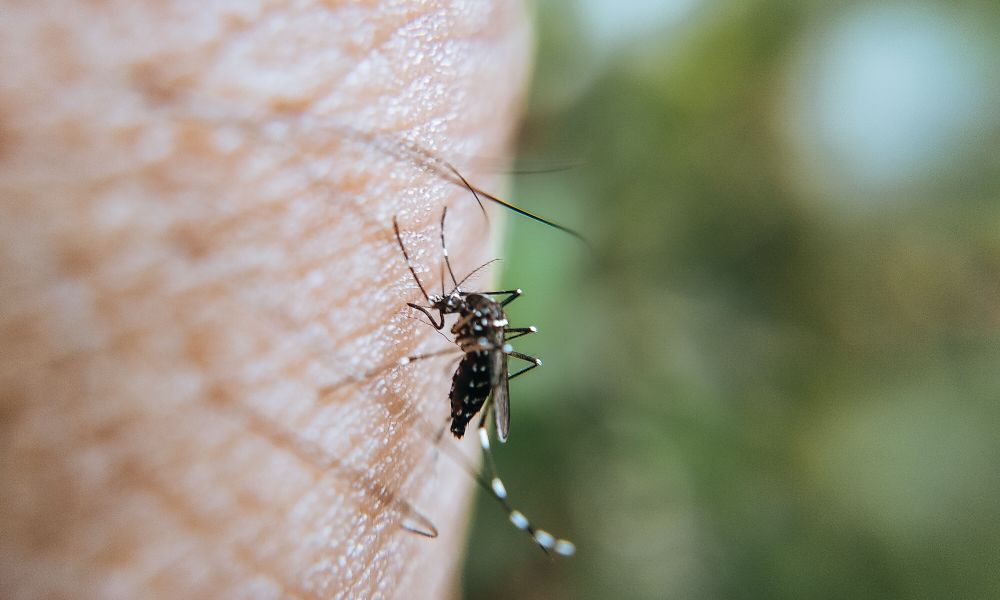
Chikungunya is a viral disease transmitted by daytime-biting Aedes mosquitoes, causing sudden high fever, rash, and severe, debilitating joint pain that can persist for months or years. In late 2025 and moving into 2026, Cuba has experienced a major spike in cases, prompting international health agencies to issue Level 2 Travel Health Notices urging enhanced precautions.
The breakthrough vaccine IXCHIQ is a live-attenuated, single-dose oral/injectable vaccine approved for adults aged 18 and older who are at elevated risk of exposure. It should be administered at least 14 days before departing for Cuba. Discuss this option with your doctor if you plan on spending significant time outdoors, traveling to highly populated urban areas, or if you are over 65 or have pre-existing joint disorders.
Rabies: Considerations for Rural Travel and Outdoor Activities
Rabies is a universally fatal viral disease affecting the central nervous system, transmitted through the saliva of infected mammals via bites, scratches, or licks on broken skin. Feral dogs and stray cats are incredibly common in Cuban cities like Havana, Santiago, and Trinidad, while bats inhabit the caves of rural Viñales. Because Rabies Immunoglobulin (RIG)—the crucial post-exposure treatment—is virtually impossible to find in Cuba due to severe supply shortages, pre-exposure vaccination is highly recommended for long-term travelers, veterinarians, spelunkers, and children who may not report minor animal contact.
Modern pre-exposure rabies immunization utilizes vaccines like RabAvert or Imovax Rabies. The standard pre-exposure schedule consists of 2 doses administered intramuscularly on day 0 and day 7. A third dose may be recommended on day 21 or 28 depending on your medical history and the specific risk assessment. Receiving the pre-exposure series is a lifesaving measure; if you are bitten by a rabid animal in Cuba, you will still require immediate medical evaluation and two booster shots, but you will not require RIG, significantly reducing the urgency of emergency medical evacuation.
Other Routine Vaccines: Tetanus, Diphtheria, Pertussis, and MMR
Before traveling to Cuba, ensure your primary childhood immunization schedule is entirely up to date. Many vaccine-preventable diseases that are rare in developed nations can circulate in areas experiencing economic distress. A Tetanus-Diphtheria-Pertussis (Tdap) booster is highly recommended if your last dose was more than 10 years ago. Tetanus spores live in soil and can easily enter minor cuts or scrapes during outdoor excursions. Additionally, make sure you have received two documented doses of the Measles-Mumps-Rubella (MMR) vaccine, as global measles outbreaks continue to threaten international transit hubs.

Active Disease Outbreaks and Health Risks in Cuba (2026 Update)
Cuba's health landscape in 2026 is dominated by vector-borne infectious diseases. The country is currently battling a declared arbovirus epidemic, fueled by tropical weather, high humidity, and municipal insecticide shortages that have allowed disease-carrying insect populations to swell. Understanding these risks is vital for implementing effective preventative measures during your trip.
For more localized information on how to navigate regional safety anomalies across Latin America and the Caribbean, explore our travel guides, which are updated continuously with safety warnings and environmental risks.
The Rising Threat of Oropouche Virus in Cuba
Since its unprecedented introduction to the island in mid-2024, Oropouche virus disease has emerged as a major public health concern across all Cuban provinces. The epidemic, tracked extensively by the World Health Organization (WHO) epidemiological risk assessments, has shown that Cuba is a primary source of travel-associated cases detected in North America and Europe.
Unlike dengue or Zika, Oropouche virus is primarily transmitted to humans through the bite of a tiny biting midge known as Culicoides paraensis (commonly referred to as "no-see-ums"), as well as certain species of Culex mosquitoes. The disease presents with sudden high fever, intense headache, photophobia, muscle aches, and joint stiffness. Alarmingly, up to 70% of infected individuals experience a clinical relapse—a recurrence of symptoms days or weeks after initial recovery. In rare instances, the virus can cross the blood-brain barrier, causing aseptic meningitis.
CRITICAL WARNING: Pregnant individuals or those planning a pregnancy are strongly advised by global health authorities to avoid non-essential travel to Cuba due to the documented risk of vertical transmission of Oropouche virus. Infection during pregnancy has been directly linked to severe adverse outcomes, including spontaneous miscarriage, stillbirth, and congenital birth defects such as microcephaly. Because there is currently no vaccine and no specific antiviral treatment for Oropouche virus, strict insect bite prevention is the only viable protection.
Dengue Fever and Zika: Year-Round Caribbean Vectors
Dengue fever is endemic to Cuba, with transmission occurring year-round but peaking during the wet, hot summer months from May to November. The disease is transmitted by the daytime-biting Aedes aegypti mosquito, which thrives in urban areas with standing water. Symptoms include high fever, severe headache, retro-orbital pain (pain behind the eyes), joint and bone pain (often called "breakbone fever"), and a skin rash. A second infection with a different serotype of the dengue virus carries a significantly higher risk of developing dengue hemorrhagic fever, a life-threatening complication characterized by bleeding and circulatory collapse.
Zika virus also circulates in Cuba. While symptoms are usually mild (fever, rash, joint pain, conjunctivitis), Zika infection during pregnancy causes microcephaly and other severe brain abnormalities. Furthermore, Zika virus can be transmitted sexually. Men who have traveled to Cuba must use condoms or abstain from sexual activity for at least 3 months upon return, and women should do so for at least 2 months, to prevent sexual transmission to partners.
Malaria and Cholera: Low but Specific Risks
Cuba was officially certified as malaria-free by the WHO in 1973, and there is no active local transmission of Malaria on the island. Prophylactic antimalarial medication is not recommended for travelers. However, the vector-control measures you use to avoid other insects will keep you safe from any rare, imported malaria cases.
Cholera is a waterborne bacterial disease that causes acute, watery diarrhea and severe dehydration, which can be fatal if untreated. While not widespread, sporadic localized outbreaks of Cholera occur in Cuba, particularly after heavy rainfall, hurricanes, or systemic water infrastructure failures in poorer municipal districts. Travelers should exercise meticulous food and water hygiene, and those working in disaster relief or medical settings should consider the oral cholera vaccine.
Navigating Cuban Medical Infrastructure and Pharmacy Shortages
Cuba is famous for its highly trained medical doctors and historically robust public health initiatives. However, the modern reality of the Cuban healthcare system is defined by severe economic hardship. Due to systemic shortages of foreign currency, fuel, and manufacturing capabilities, the island is experiencing an unprecedented scarcity of basic medical supplies, equipment, and pharmaceuticals.
This stark reality means that travelers cannot rely on local pharmacies or hospitals for even the most basic healthcare needs. You must approach your trip to Cuba with complete self-sufficiency in mind, ensuring you pack all necessary medications and supplies to manage minor illnesses or injuries.
The Reality of Cuba's Healthcare System for Foreigners
The Cuban government operates a dual-tiered medical system. Cuban citizens utilize the nationalized public system, which suffers from extreme resource limitations. Foreign tourists, diplomats, and expats are directed to a specialized network of international clinics and hospitals managed by the state entity Servimed.
The U.S. Embassy in Cuba Medical Assistance guidelines explicitly highlight that while doctors in tourist facilities like the Clínica Central Cira García in Havana are highly competent, these facilities face persistent shortages of basic medicines, sterile needles, anesthetics, and even saline solutions. If you require medical care, clinics will mandate payment upfront via international credit cards (Visa or Mastercard); U.S.-issued cards are generally not accepted due to banking restrictions, meaning U.S. travelers must rely on specialized pre-paid cards, cash, or insurance coordination. In the event of a severe trauma, complex surgery, or specialized psychiatric care, medical evacuation to the United States or a neighboring Caribbean nation is often the only safe option.
Your Comprehensive Cuba Travel Medical Kit Checklist
CRITICAL NOTICE: Cuba is currently experiencing a severe, systemic shortage of basic medical supplies and pharmaceuticals. You must pack a comprehensive, self-sufficient travel medical kit. Do not expect to purchase over-the-counter medications, feminine hygiene products, or first-aid supplies anywhere on the island. Pack the following items in your carry-on luggage:
- Prescription Medications: Bring more than enough for your entire stay in their original pharmacy bottles, accompanied by a signed letter from your doctor specifying the generic names and dosages.
- Pain and Fever Relievers: Ibuprofen, Acetaminophen (Paracetamol), and Aspirin.
- Gastrointestinal Medicines: Loperamide (Imodium) for diarrhea, Oral Rehydration Salts (ORS) to treat dehydration, antacids, and a prescription broad-spectrum antibiotic (such as Azithromycin or Ciprofloxacin) from your travel doctor for severe traveler's diarrhea.
- High-Strength Insect Repellents: Repellents containing 30% to 50% DEET or Picaridin to protect against midges and mosquitoes. Bring more than you think you need, as local stores do not stock it.
- First-Aid Supplies: Sterile bandages, adhesive tape, antiseptic wipes, antibiotic ointment, tweezers, and small scissors.
- Sterile Medical Supplies: A small pack of sterile syringes and needles (for emergency use by a local doctor, ensuring sterile equipment is used).
- Water Purification Tools: Chlorine dioxide tablets, a portable UV purifier, or a micro-filter straw.
- Personal Care Items: Sunscreen (SPF 30+), feminine hygiene products, condoms, and hand sanitizer (at least 60% alcohol).
How TripGuard360 Monitors Cuba Travel Health Requirements Vaccinations 2026
Given the rapidly fluctuating health landscape, border policies, and disease outbreaks in 2026, staying manually updated on international travel rules is a daunting task. A sudden spike in Chikungunya or a new entry health declaration requirement can throw your travel plans into chaos. This is where TripGuard360 provides an invaluable service for modern travelers.
TripGuard360 utilizes sophisticated, real-time monitoring algorithms that scan official government travel advisories, WHO epidemiologic updates, and CDC databases 24/7. The moment Cuba updates its entry health requirements, alters its vaccination mandates, or issues a regional health alert, TripGuard360 processes the data and dispatches instant, automated alerts directly to users via Telegram and email. By subscribing to TripGuard360, you receive instantaneous notifications when health policies shift, allowing you to update your medical kit, secure necessary vaccines, or adjust your travel itinerary before you even reach the airport. This proactive approach ensures you remain fully compliant and protected, bypassing unexpected border disruptions and protecting your health abroad.
