Egypt Health Requirements 2026: 7 Vaccines You Cannot Skip
Egypt is a land of unmatched wonder, drawing millions of travelers every year to marvel at the Great Pyramids of Giza, cruise the timeless waters of the Nile River, and dive among the pristine coral reefs of the Red Sea. However, traveling to this magnificent destination in 2026 requires meticulous preparation, particularly when it comes to safeguarding your health. Navigating the complex landscape of international health requirements is a vital step in planning any trip.
Whether you are planning a luxury cruise, a deep-desert trek, or a relaxing resort stay, understanding the official guidelines is essential for a seamless journey. This comprehensive guide details the mandatory and recommended immunizations, local disease landscapes, and environmental safety precautions required for a safe and unforgettable trip. To stay fully informed before you depart, you can check out more safety updates on our travel safety blog and explore detailed destination itineraries in our travel guides.
Mandatory Egypt Travel Health Requirements Vaccinations 2026: Official Border Entry Rules
For most travelers arriving from North America, Europe, or Australia, Egypt does not mandate a wide array of entry vaccines. However, strict border control health protocols are in place to prevent the importation of highly infectious diseases. Under the International Health Regulations, Egyptian authorities actively monitor arrivals for specific high-risk pathogens. If you do not possess the correct documentation, you risk being denied entry, subjected to mandatory quarantine, or deported.
Yellow Fever Certificate Rules
The most critical mandatory requirement is for the yellow fever vaccine. Egypt is entirely free of yellow fever transmission, and the government is determined to keep it that way.
Proof of vaccination against yellow fever is mandatory for all travelers aged 9 months or older who are arriving from, or have transited for more than 12 hours through an airport in, a country with a risk of yellow fever transmission.
The primary nations on this high-risk list include:
Sub-Saharan Africa: Angola, Benin, Burkina Faso, Burundi, Cameroon, Central African Republic, Chad, Republic of the Congo, Democratic Republic of the Congo, Côte d'Ivoire, Equatorial Guinea, Ethiopia, Gabon, Gambia, Ghana, Guinea, Guinea-Bissau, Kenya, Liberia, Mali, Mauritania, Niger, Nigeria, Senegal, Sierra Leone, South Sudan, Sudan, Togo, and Uganda.
Central and South America: Argentina, Bolivia, Brazil, Colombia, Ecuador, French Guiana, Guyana, Panama, Paraguay, Peru, Suriname, Trinidad and Tobago, and Venezuela.
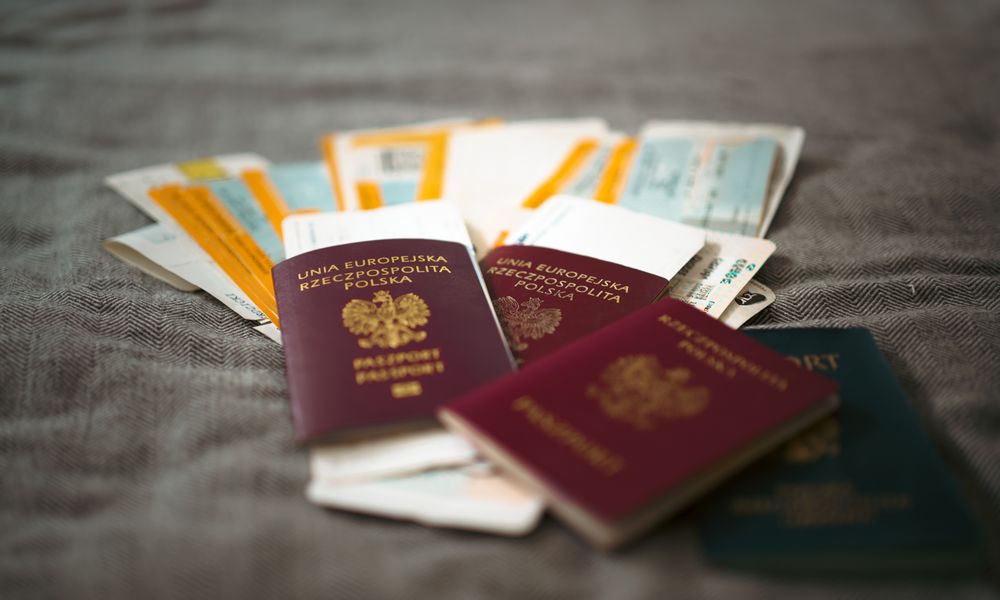
To satisfy border control, you must present an original International Certificate of Vaccination or Prophylaxis (ICVP), stamped by an approved travel health clinic. Under World Health Organization rules, the yellow fever certificate is valid for the lifetime of the traveler, but the vaccine must be administered at least 10 days before your arrival at an Egyptian port of entry to be recognized as valid.
Polio Vaccine Requirements
Another critical entry restriction relates to polio. Egypt has achieved wild-poliovirus-free status, but due to ongoing global transmission risks, the Ministry of Health enforces strict regulations on travelers arriving from countries with active polio outbreaks or high vulnerability.
If you are arriving from or have recently traveled through nations such as Afghanistan, Pakistan, Madagascar, Malawi, Mozambique, or the Democratic Republic of the Congo, you must show proof of a polio vaccination. For residents and long-term visitors (staying more than 4 weeks) in these risk areas, Egyptian border officials require proof of a dose of bivalent oral poliovirus vaccine (bOPV) or inactivated poliovirus vaccine (IPV) administered between 4 weeks and 12 months prior to entering Egypt. This booster must be officially documented in your ICVP yellow booklet.
Importing Prescription Medications
Beyond vaccines, there is a strict health restriction regarding importing personal medications. Many common over-the-counter and prescription medications used in Western countries are classified as controlled substances or narcotics under Egyptian law. Bringing these drugs into the country without proper authorization is illegal and can lead to severe criminal prosecution.
To safely bring necessary medical therapies into Egypt, you must adhere to the following rules:
Prohibited Substances: Medications containing methadone are strictly banned. Strong painkillers like tramadol, codeine-based cough syrups, and certain psychotropic medications (including some common ADHD medications or benzodiazepines) face extreme scrutiny.
GP Letter: You must carry an official, signed, and stamped letter from your general practitioner. This letter must detail the medical condition being treated, the exact generic and brand names of the medication, the prescribed daily dosage, and a statement that the quantity carried is strictly for your personal use.
Original Packaging: Keep all medications in their original pharmacy packaging with the clear dispensing label displaying your name matching your passport.
Cairo airport passport control immigration
Recommended Travel Vaccines for Egypt: Doses, Timings, and Brands
While mandatory entry requirements are narrow, the real-world health risks you will encounter on the ground necessitate a robust preventative immunization regimen. Health agencies such as the CDC Destination Page for Egypt and the NHS strongly advise that all travelers schedule a consultation with a travel medicine specialist at least 6 to 8 weeks before their departure date. This timeline is crucial because several essential vaccines require multiple doses to spark a protective immune response.
Hepatitis A Vaccine
Hepatitis A is a highly contagious viral liver infection transmitted via the fecal-oral route, primarily through contaminated food and water. It represents one of the most common vaccine-preventable risks for tourists in Egypt. Even if you stay in luxury 5-star resorts or dine exclusively on high-end Nile cruises, you remain at risk due to potential food handling lapses or contaminated local agricultural runoff.
The recommended preventative course consists of:
Vaccine Options:Havrix or Vaqta (monovalent vaccines). Alternatively, Twinrix provides combined protection against both Hepatitis A and Hepatitis B.
Dosing and Timing: A complete series requires two doses. The first dose provides immediate protection for about one year and should be administered at least 2 weeks before you fly. The second dose is given 6 to 12 months after the first to ensure long-term immunity lasting up to 25 years.
Typhoid Vaccine
Typhoid fever is a life-threatening bacterial infection caused by Salmonella enterica serovar Typhi. Like Hepatitis A, typhoid is spread through contaminated food and water, and is endemic throughout many regions of Egypt, particularly in rural villages and agricultural basins.
To protect yourself, you have two highly effective options:
Injectable Vaccine (Typhim Vi): A single intramuscular injection. It should be administered at least 2 weeks before travel. This vaccine is approved for individuals aged 2 years and older and provides active protection for up to 2 years, requiring a booster if you return to high-risk zones.
Oral Vaccine (Vivotif): A live-attenuated vaccine consisting of 4 oral capsules. You must take one capsule every other day (days 1, 3, 5, and 7). The capsules must be kept refrigerated and swallowed whole with lukewarm water on an empty stomach. The course must be completed at least 1 week before departure. It is approved for travelers aged 6 and older and protects for up to 5 years.
Hepatitis B Vaccine
Hepatitis B is a viral infection that attacks the liver and is transmitted through contact with infectious blood, semen, and other body fluids. For travelers, the risk comes from unexpected medical or dental emergencies requiring invasive procedures, blood transfusions, accidents, or cosmetic procedures like tattoos, piercings, or shaves at local barbers.
The immunization protocols are:
Vaccine Options:Engerix-B or Recombivax HB.
Standard Schedule: A 3-dose series administered at 0, 1, and 6 months. Achieving full long-term immunity requires completing this full six-month sequence, making early planning essential.
Accelerated Schedule: If you are traveling on short notice, an accelerated schedule (such as days 0, 7, and 21) is available, though a booster at 12 months is required for durable, lifelong immunity.
Rabies Vaccine
Rabies is a fatal viral disease transmitted through the saliva of infected mammals via bites, scratches, or licks on broken skin. Rabies is highly endemic throughout Egypt. Stray dogs and feral cats roam in massive numbers through urban centers like Cairo and Alexandria, as well as around major archaeological complexes like Luxor and Giza.
Pre-exposure vaccination is strongly recommended for travelers planning to spend significant time outdoors, spelunking in remote caves, running, cycling, or visiting rural areas where access to immediate medical care is limited.
The preventative protocol includes:
Vaccine Options:RabAvert or Imovax.
Dosing and Timing: The pre-exposure regimen consists of 2 doses administered on days 0 and 7 (or 3 doses on days 0, 7, and 21/28 depending on clinical guidelines).
CRITICAL WARNING: Getting vaccinated before you go does not make you immune to a bite; rather, it simplifies post-exposure treatment. If an animal bites you, you must still seek immediate medical care. However, having pre-exposure shots eliminates the need for Human Rabies Immunoglobulin (HRIG)—which is extremely rare, expensive, and difficult to locate outside of Cairo—and reduces your post-exposure vaccine requirement from 4 doses to 2.
Cholera Vaccine
While the general tourist is at very low risk for cholera, this acute diarrheal disease caused by the bacterium Vibrio cholerae remains a threat in areas with severely compromised water infrastructure or during seasonal flooding.
Vaccination is recommended primarily for humanitarian aid workers, medical professionals, or adventure travelers spending extended periods in off-grid rural regions.
Vaccine Options:Dukoral (oral suspension).
Dosing and Timing: For adults, Dukoral requires 2 oral doses taken 1 to 6 weeks apart, with the final dose completed at least 1 week before travel. You must avoid eating, drinking, or taking oral medications for 1 hour before and after each dose.
Routine Vaccination Boosters
Before embarking on your trip, it is vital to ensure that your basic childhood immunizations are fully up to date. Global travel centers have noted a resurgence of childhood diseases, making routine boosters essential:
Tdap (Tetanus, Diphtheria, Pertussis): A booster dose of Boostrix or Adacel is highly recommended if it has been more than 10 years since your last vaccine. Tetanus spores live in soil and can easily infect minor scratches or puncture wounds.
MMR (Measles, Mumps, Rubella): Ensure you have documentation of 2 lifetime doses of the MMR vaccine, as measles outbreaks continue to occur globally.
Polio Adult Booster: Even if you completed your childhood series, a single lifetime adult booster of IPV is recommended for travelers entering countries with circulating poliovirus.
Influenza and COVID-19: Keep updated with seasonal formulations, as dense crowds at major tourist sites and enclosed cruise ship environments facilitate rapid respiratory transmission.
Medical clinic travel vaccination syringe
Egypt's Disease Landscape: Region-by-Region Health Risk Variation
Egypt is a geographically diverse country, and the health risks you face will vary dramatically depending on whether you are exploring urban environments, sailing the agricultural heart of the Nile, or relaxing in isolated Red Sea resorts.
The Historic Elimination of Malaria in Egypt
In a historic public health achievement, the World Health Organization (WHO) officially certified Egypt as completely malaria-free. This milestone represents the culmination of a century of intense vector control, medical surveillance, and public health campaigns.
From the times of the ancient pharaohs—where DNA testing has confirmed malaria inside mummies dating back 4,000 years—to seasonal outbreaks in the Nile Delta throughout the 20th century, the disease was a persistent scourge.
Because local transmission has been entirely eliminated, malaria prophylaxis medication is no longer recommended or required for any traveler visiting Egypt. This is fantastic news for tourists, who no longer have to worry about the side effects of daily antimalarial pills. However, this does not mean you should stop protecting yourself against insects.
Dengue Fever Risk along the Red Sea Coast
While malaria has been eradicated, other mosquito-borne viral infections are on the rise. Specifically, dengue fever is a growing threat in Egypt. Transmitted by the daytime-biting Aedes aegypti mosquito, dengue fever causes severe flu-like symptoms, including high fevers, pounding headaches, bone and joint pain, and rash.
Risk areas are highly regional:
Red Sea Governorate: Significant outbreaks have occurred along the Red Sea coast. Popular tourist hotspots such as Hurghada, El Quseir, Port Ghalib, and Marsa Alam are primary risk zones. The vector mosquito thrives in urban water storage tanks, construction sites, and hotel garden watering systems.
Sinai Peninsula: Travel medicine clinics have confirmed localized outbreaks in Sharm El-Sheikh and surrounding coastal resorts.
Upper Egypt: Seasonal cases occur in the governorates of Qena, Assiut, and Luxor.
Because there is no widely available antiviral treatment or vaccine for travelers who have never had dengue before, preventing mosquito bites is your absolute best defense. You must apply high-quality repellents containing 20% to 50% DEET, Picaridin, or Oil of Lemon Eucalyptus to exposed skin. For deep-desert or Nile-side excursions, treating your clothing with permethrin provides an extra layer of protection.
Schistosomiasis: Safe Water Rules for the Nile
One of Egypt's oldest and most unique environmental health hazards is schistosomiasis, also known as Bilharzia. This is a chronic parasitic disease caused by microscopic flatworms (trematodes) of the genus Schistosoma.
The parasite’s complex life cycle relies on freshwater snails that live in slow-moving water bodies. The parasite larvae exit the snails and float in the water, capable of actively penetrating intact human skin within seconds of contact.
Transmission Zones: The Nile River, the extensive network of agricultural irrigation canals in the Nile Delta, and freshwater lakes.
CRITICAL WARNING: Under no circumstances should you swim, wade, bathe, wash your hands, or splash around in the Nile River or any associated canals. This rule applies even if the water looks clean or if local children are swimming in it. The infection can lead to chronic, severe damage to the liver, bladder, and kidneys over time.
Safe Water Zones: Swimming in chlorinated hotel pools, the salty waters of the Red Sea, or the Mediterranean Sea is completely safe, as the parasite cannot survive in saline or properly chemically treated environments. If you accidentally get splashed with Nile water, vigorously dry yourself with a towel immediately to help prevent the larvae from penetrating your skin.
Mosquito insect spray skin protection
Avoiding Traveler's Diarrhea: Food, Water, and Sanitation Standards
Affectionately termed "Pharaoh's Revenge" by seasoned travelers, traveler's diarrhea is an incredibly common issue that affects a high percentage of visitors to Egypt. It is typically caused by bacterial pathogens, such as Escherichia coli (ETEC), Campylobacter, or Shigella, which thrive in local food and water supplies due to differing sanitation and hygiene practices. While rarely life-threatening, a severe bout of diarrhea can quickly ruin your trip.
To protect yourself, implement these strict hygiene practices:
Water Safety: Do not drink tap water under any circumstances, even in high-end luxury hotels in Cairo or Sharm El-Sheikh. Avoid ice cubes, as they are frequently made from tap water. Only consume bottled water from bottles with intact, factory-sealed plastic rings. Use bottled water for brushing your teeth, and keep your mouth tightly closed while showering.
Beverage Choices: Hot tea and coffee are generally safe because the water has been boiled, killing pathogens. Beer, wine, and bottled sodas are safe as long as you wipe the rim of the can or bottle before drinking. Avoid fresh-squeezed juices from street stalls, as they are often diluted with tap water.
Food Selection: Follow the golden travel rule: "Boil it, cook it, peel it, or forget it." Only eat food that is served steaming hot. Avoid raw leafy green salads, as they are typically washed in contaminated tap water. Avoid raw or undercooked shellfish, rare meats, and unpasteurized dairy products.
Street Food Precautions: Sampling local specialties like Koshary or Falafel is a fantastic part of the Egyptian experience. To do so safely, choose busy stalls with a high turnover of local customers, ensuring the food has not been sitting out at room temperature for hours. Make sure the cook is not handling money and food with the same bare hands.
Hand Hygiene: Wash your hands frequently with soap and warm water before eating. Carry a small bottle of alcohol-based hand sanitizer containing at least 60% alcohol, and use it regularly after handling paper money, touching handrails, or visiting historical ruins.
Clean bottled water pouring glass
Navigating Egypt's Healthcare System: Hospitals, Insurance, and Medical Kits
Understanding the local medical system and having a well-stocked medical kit is crucial for managing any health issues that may arise during your travels.
Quality of Private vs. Public Medical Facilities
Egypt's healthcare system is highly fractured, showing stark differences depending on where you are.
Urban Centers (Cairo and Alexandria): These major cities offer world-class private hospitals with highly trained, English-speaking specialists, many of whom have studied abroad. Facilities like the Anglo-American Hospital or Dar Al Fouad in Cairo are equipped with state-of-the-art diagnostic and surgical equipment.
Resort Areas (Sharm El-Sheikh and Hurghada): These international resort towns have good private clinics and hospitals capable of treating diving accidents, heat-related illnesses, and general medical emergencies.
Rural and Upper Egypt (Luxor, Aswan, Nile Valley, and Desert Oases): Public clinics and regional hospitals in these areas are often underfunded, poorly equipped, and face shortages of basic medical supplies and English-speaking staff. If you suffer a major medical emergency in these regions, stabilization and immediate evacuation to Cairo are often necessary.
CRITICAL WARNING on Hotel Doctors: According to the UK Foreign, Commonwealth & Development Office (FCDO), some hotel-affiliated doctors have been reported to significantly overcharge tourists or recommend unnecessary hospital admissions to collect commissions. It is always wise to contact your travel insurance provider first to get a list of vetted, reputable local clinics.
Travel Insurance with Medical Evacuation
Because of the variation in local medical care, carrying a comprehensive travel health insurance policy is absolutely essential. Most domestic health insurance policies do not cover international medical expenses or emergency evacuations.
Your travel insurance policy must include:
Direct Billing: Ensure your provider offers direct-billing services with Egyptian hospitals, as private clinics often demand large cash deposits or credit card authorization before initiating any treatment.
Emergency Medical Evacuation (Medevac): This is vital if you are exploring remote regions, such as the Western Desert oases or the temples of Abu Simbel. A medical repatriation flight back to Cairo or your home country can easily cost tens of thousands of dollars if you are uninsured.
Pre-Existing Conditions: If you have a chronic medical condition, make sure your policy explicitly covers it, and carry a copy of your medical records and prescriptions in your day bag.
Packing the Ultimate Egypt Travel Medical Kit
To manage minor illnesses on the go without having to search for a local pharmacy, you should pack a comprehensive, personalized travel health kit.
Ensure your kit contains the following items:
Diarrhea Management: Oral Rehydration Salts (ORS) to treat dehydration from sweating or diarrhea, loperamide (Imodium) for emergency control during long bus rides, and bismuth subsalicylate (Pepto-Bismol) to soothe stomach upset.
Bite Prevention and Care: A reliable insect repellent containing 30% DEET or Picaridin, a hydrocortisone cream to soothe itchy bites, and an oral antihistamine (like cetirizine or diphenhydramine) for allergic reactions.
Wound and Skin Care: Assorted adhesive bandages, sterile gauze pads, antiseptic wipes, an antibiotic ointment (such as Neosporin), and a high-potency, broad-spectrum sunscreen (SPF 50+) to protect against the intense Egyptian sun.
General Pain and Fever Relievers: Acetaminophen (paracetamol) or ibuprofen. Note: if you suspect you have dengue fever, avoid taking aspirin or ibuprofen, as they can thin your blood and increase the risk of internal bleeding; stick exclusively to acetaminophen.
Water Purification: A pack of chlorine dioxide tablets or a portable UV water purifier, useful if you find yourself in an emergency where bottled water is unavailable.
Real-Time Health Monitoring: How TripGuard360 Protects Your Egypt Travel Health Requirements Vaccinations 2026 Journey
As global health situations and entry regulations continue to shift rapidly, keeping up with requirements manually can be challenging. An entry requirement or a sudden regional disease outbreak can occur with very little warning, leaving unprepared travelers facing delays, quarantine, or denied boarding at the gate.
This is where TripGuard360 becomes an essential partner for your Egyptian adventure. TripGuard360 is a cutting-edge, real-time travel risk management platform that actively monitors global health advisories, border control changes, and vaccination requirements. By continuously scraping and analyzing official feeds from the World Health Organization, the CDC, foreign ministries, and local health authorities, TripGuard360 ensures you are never caught off guard.
The moment there is a change in the health requirements for Egypt—whether it is a new vaccination rule, a critical prescription drug update, or a localized outbreak along your specific itinerary—TripGuard360 delivers instant, personalized alerts directly to your preferred channels. With real-time updates sent via Telegram and automated email alerts, you will receive clear, actionable steps the exact second a health advisory changes. This proactive defense allows you to focus on the magic of your journey, knowing that TripGuard360 is continuously working behind the scenes to keep you safe, healthy, and compliant.