El Salvador Travel Health Requirements & Vaccinations 2026 Guide
As El Salvador continues its rapid transformation into one of Latin America's most popular travel destinations, attracting surfers to its Pacific coastlines, hikers to its volcanic peaks, and history buffs to its pre-Columbian archaeological sites, preparing for a safe trip has never been more important. Navigating the health landscape of Central America requires foresight, medical preparation, and a deep understanding of local environmental factors. Staying informed about the el salvador travel health requirements vaccinations 2026 is not just a regulatory necessity to clear customs; it is a fundamental step in protecting yourself from localized health risks and ensuring an uninterrupted, memorable vacation.
Travel medicine is a dynamic field, with vaccination guidelines, disease outbreak patterns, and entry restrictions shifting rapidly in response to regional migrations, ecological changes, and global epidemiological trends. Whether you are planning to surf the world-class breaks of El Tunco, explore the colonial charm of Suchitoto, or hike the Santa Ana Volcano, this comprehensive guide provides the latest, scientifically backed medical advice for travelers heading to El Salvador in 2026. Informed by the latest reports from the World Health Organization (WHO), the Centers for Disease Control and Prevention (CDC), and international foreign offices, this article covers everything from mandatory immunization certificates to practical food hygiene and real-time advisory tracking.
Ultimate Guide to El Salvador Travel Health Requirements Vaccinations 2026
Understanding the entry rules for El Salvador in 2026 is critical before booking your flights. The Salvadoran government, under the supervision of the Ministerio de Salud (MINSAL), enforces strict health protocols at all land borders, sea ports, and at the El Salvador International Airport (Aeropuerto Internacional de El Salvador San Óscar Arnulfo Romero y Galdámez). Unlike the height of the pandemic, El Salvador does not currently enforce mandatory COVID-19 testing, vaccination certificates, or quarantine protocols for routine international tourists. However, health officials reserve the right to perform temperature checks and random health screenings upon arrival, especially if you show visible symptoms of a communicable illness.
For up-to-date travel alerts and legal requirements, check the U.S. Department of State's El Salvador International Travel Information. The regulatory landscape can change based on global health emergencies, and keeping abreast of official advisories ensures you won't encounter unexpected hurdles at border control. While routine entry for travelers from North America and Europe is straightforward, there are highly specific regulations concerning vector-borne disease zones that require pre-travel documentation.
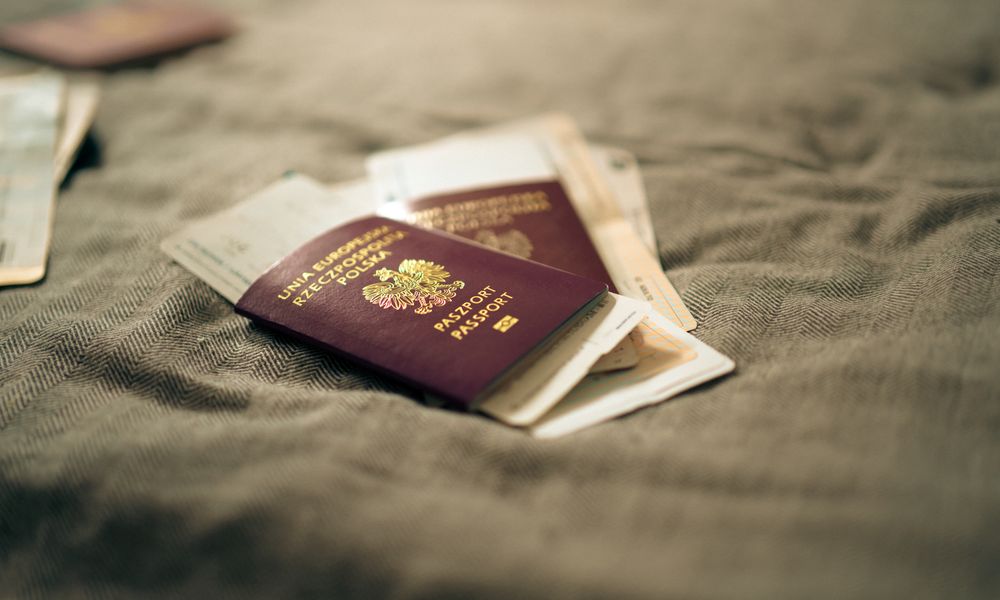
The most important administrative health requirement is the vaccine certificate for Yellow Fever. If you are entering El Salvador from a country with active transmission of the Yellow Fever virus, you must present an International Certificate of Vaccination or Prophylaxis (ICVP) as proof of immunization. This requirement is strictly enforced and is non-negotiable. Beyond mandatory rules, a robust regimen of recommended vaccines is your shield against the foodborne and environmental pathogens endemic to the region. To explore broader international travel safety tips and administrative preparation, check out our travel safety blog.
Mandatory vs. Recommended Vaccinations for El Salvador
To ensure a safe and healthy trip, your vaccine planning should begin at least 6 to 8 weeks before departure. This timeline is critical because many multi-dose vaccines require several weeks to build adequate immunity, and some immunizations cannot be administered concurrently. When preparing your clinical checklist, you must separate vaccines into two distinct categories: those mandated by Salvadoran immigration law for entry, and those clinically recommended by global health authorities to safeguard your personal well-being.
Yellow Fever: Vaccine Requirements & Entry Restrictions
Yellow Fever is a serious, potentially life-threatening viral disease transmitted by infected mosquitoes. While El Salvador does not have active Yellow Fever transmission within its borders, the government enforces strict entry requirements to prevent the introduction of the virus into local mosquito populations. CRITICAL WARNING: You must present a valid International Certificate of Vaccination or Prophylaxis (ICVP) if you are arriving from, or have transited for more than 12 hours through, a country with a risk of Yellow Fever transmission.
This rule applies to all travelers aged 1 year and older. If you fail to provide this certificate upon arrival, you may be denied entry into the country or subjected to mandatory quarantine. The vaccine, typically administered as Stamaril or YF-Vax, is a live-attenuated virus vaccine given as a single subcutaneous injection. According to WHO guidelines, a single dose of the Yellow Fever vaccine provides lifelong immunity, meaning booster doses are no longer required for entry. However, the vaccine must be administered at least 10 days before your arrival in El Salvador for the certificate to be legally valid. Endemic countries include parts of South America (such as Brazil, Colombia, Peru, and Ecuador) and Sub-Saharan Africa.
Hepatitis A and Hepatitis B: Schedule and Dosage
Foodborne and bloodborne pathogens represent a persistent risk for travelers. Hepatitis A is a highly contagious liver infection spread through contaminated food and water. Even if you stay in luxury resorts, localized sanitation failures can put you at risk. The Hepatitis A vaccine (brands like Havrix or Vaqta) is highly recommended for all travelers to El Salvador. The standard regimen consists of two doses: the first dose is given at least 2 to 4 weeks before travel to provide immediate protection, followed by a booster dose 6 to 12 months later to guarantee long-term immunity lasting up to 25 years.
Hepatitis B is a viral infection transmitted through exposure to infectious blood or body fluids, contaminated medical equipment, or sexual contact. It is recommended for travelers who might get medical treatment, acupuncture, tattoos, or piercings while in El Salvador, as well as those planning adventure sports where injuries are possible. The standard Hepatitis B vaccine (such as Engerix-B or Recombivax HB) requires a 3-dose series administered at 0, 1, and 6 months. For travelers on a tight timeline, an accelerated schedule or the two-dose vaccine Heplisav-B (administered 1 month apart) can be utilized to achieve rapid protection before departure.
Typhoid Fever: Protecting Yourself from Foodborne Infection
Typhoid fever is a severe systemic illness caused by the bacterium Salmonella typhi, which is transmitted through food and water contaminated by sewage. It is especially prevalent in areas with variable sanitation standards, including rural parts of El Salvador like Morazán and Chalatenango. The CDC strongly recommends the Typhoid vaccine for most travelers visiting Central America, particularly those who are adventurous eaters or plan to visit smaller towns and rural communities.
There are two types of Typhoid vaccines available, each with specific timing requirements:
- Vi capsular polysaccharide vaccine (Typhim Vi): An injectable vaccine administered as a single intramuscular shot. It should be given at least 2 weeks before travel to allow the body to build antibodies. This vaccine provides protection for approximately 2 years and is approved for individuals aged 2 years and older.
- Oral live-attenuated vaccine (Vivotif): An oral vaccine consisting of 4 capsules taken every other day (days 1, 3, 5, and 7). The capsules must be kept refrigerated and swallowed with cool water on an empty stomach. The entire series must be completed at least 1 week before arriving in El Salvador. This vaccine provides protection for up to 5 years and is approved for individuals aged 6 years and older.
Rabies: Risks and Pre-Exposure Prophylaxis
Rabies is a fatal viral disease transmitted through the saliva of infected mammals, typically through bites or scratches. El Salvador is classified as a high-risk country for canine rabies. Street dogs are common throughout the country, both in urban neighborhoods of San Salvador and along the beaches of La Libertad. Additionally, travelers exploring caves or ecotourism reserves may encounter bats, which are also primary reservoirs for the virus.
The pre-exposure Rabies vaccine (using modern vaccines like RabAvert or Imovax) is highly recommended for children (who are more likely to play with animals and may not report minor scratches), long-term travelers, and anyone participating in outdoor activities such as hiking, spelunking, or veterinary work. The standard pre-exposure schedule consists of 2 doses administered on days 0 and 7. WARNING: Receiving the pre-exposure rabies vaccine does not eliminate the need for immediate medical treatment if you are bitten. However, it simplifies post-exposure prophylaxis by eliminating the need for expensive Rabies Immune Globulin (RIG), which is often unavailable in El Salvador, and reduces the required post-exposure vaccine series from 4 doses to 2 doses.
Malaria and Vector-Borne Illnesses
When considering malaria, El Salvador presents a unique and positive clinical history. In 2021, the WHO officially certified El Salvador as malaria-free, making it the first country in Central America to achieve this status. This means there is no active, sustained transmission of malaria within the country, and travelers do not need to take prescription antimalarial chemoprophylaxis (such as Malarone or Doxycycline). However, health authorities like the Swiss portal HealthyTravel.ch note that rare, sporadic, travel-associated or imported cases may occur along border zones with Honduras or Guatemala due to population migration. Therefore, vector precautions remain essential.
The primary concern for mosquito-borne diseases in El Salvador in 2026 shifts to viral infections for which there are limited or no commercial vaccines for general tourists: Dengue fever, Chikungunya, and the Zika virus. Because these are transmitted by the daytime-biting Aedes aegypti mosquito, your best line of defense is rigorous vector control. This includes using insect repellents containing 20% to 50% DEET, Picaridin, or IR3535, wearing long-sleeved clothing, and sleeping in air-conditioned or screened rooms.
Cholera and Other Waterborne Diseases
Cholera is an acute diarrheal infection caused by ingestion of food or water contaminated with the bacterium Vibrio cholerae. While severe cholera outbreaks are rare in modern El Salvador, localized water contamination can occur after heavy seasonal rains or tropical storms. For the average tourist, the risk is extremely low. However, the vaccine Vaxchora (an oral, single-dose vaccine taken at least 10 days before travel) is recommended for humanitarian aid workers, medical professionals, and those traveling to remote disaster-relief zones with severely compromised water infrastructure.
Below is a summary list of the key recommended travel vaccinations for El Salvador, along with their clinically recommended timing and schedules:
- Yellow Fever (Stamaril / YF-Vax): 1 dose, administered at least 10 days before entry. Required only if arriving from an endemic country. Lifetime protection.
- Hepatitis A (Havrix / Vaqta): 2-dose series (0 and 6-12 months). First dose administered at least 2 weeks before travel.
- Hepatitis B (Engerix-B / Recombivax HB / Heplisav-B): 3-dose series (0, 1, 6 months) or Heplisav-B 2-dose series (0 and 1 month). First dose given 4-6 weeks before travel.
- Typhoid (Typhim Vi / Vivotif): Injectable (Typhim Vi) given 2 weeks before travel; Oral (Vivotif) 4-dose regimen completed 1 week before travel.
- Rabies (RabAvert / Imovax): Pre-exposure 2-dose series administered on days 0 and 7.
- Measles, Mumps, Rubella (MMR): 2 doses, given at least 28 days apart, completed prior to international travel.
Current Disease Outbreaks and WHO Health Alerts in 2026
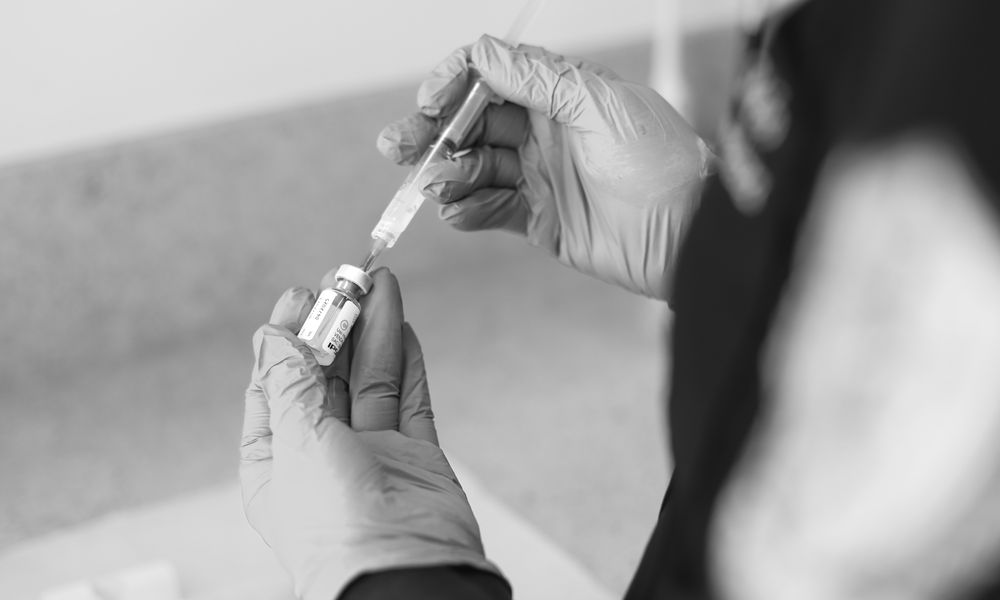
Travel medicine is not static, and 2026 has brought several notable epidemiological developments to Central America that require travelers to take specific health precautions. Being aware of current outbreaks and health alerts published by organizations like the World Health Organization (WHO) and the Pan American Health Organization (PAHO) is critical for adjusting your behavior and ensuring you have the correct vaccinations before your trip.
Dengue Fever Surge in Early 2026
Central America, including El Salvador, has experienced a significant increase in Dengue fever transmission during the early months of 2026. According to surveillance reports from the Salvadoran Ministerio de Salud (MINSAL), health authorities registered over 1,196 suspected cases of Dengue fever through mid-March 2026. While the transmission levels do not yet constitute a declared national emergency or out-of-control epidemic, this represents a moderate increase of approximately 38% compared to the same period in 2025.
Epidemiological analyses indicate that children under the age of nine and adolescents aged 10 to 19 represent the vast majority of suspected cases, highlighting domestic transmission in residential areas where the vector mosquito breeds in standing water containers. For international travelers, this surge underlines the necessity of continuous mosquito bite prevention. Dengue fever causes high fever, severe headache, joint and muscle pain (often called "breakbone fever"), and in severe cases, life-threatening hemorrhagic fever. Because there is no widely available commercial vaccine for short-term tourists, preventing bites is paramount.
Regional Measles Alerts in the Americas
The Americas have experienced a sharp, multi-fold increase in Measles cases throughout 2025 and into 2026, triggering multiple epidemiological alerts from PAHO. In January 2026, an institutional red alert was declared in neighboring Guatemala after a 24-year-old Salvadoran national tested positive for Measles following participation in a massive regional religious gathering. This event brought together over 2,000 individuals from the US, Mexico, and Central America, leading to localized chains of transmission across several countries.
Measles is one of the most infectious respiratory pathogens known to medical science. Unvaccinated travelers are at extreme risk of contracting the disease in transit hubs, crowded markets, or during group tours. CRITICAL WARNING: Ensure that you have documented proof of two doses of the Measles, Mumps, and Rubella (MMR) vaccine before departing for El Salvador. If you are traveling with an infant aged 6 to 11 months, they should receive an early, single dose of MMR prior to international travel, followed by the routine 2-dose series starting at age 12 months.
New World Screwworm Epidemic
A highly unusual and pressing veterinary and public health challenge in Central America in 2026 is the epidemic of the New World Screwworm (NWS), caused by the larvae of the fly Cochliomyia hominivorax. Historically controlled in North and Central America, the parasite re-emerged in Panama and Costa Rica in 2023 and has since spread through every country in Central America, including El Salvador, and into southern Mexico.
The screwworm fly deposits eggs in open wounds of warm-blooded animals, including livestock, domestic pets, and occasionally humans. The hatching maggots feed on living tissue, causing a condition known as wound myiasis. While human cases are rare (with approximately 1,920 cases reported across the region as of mid-2026, compared to over 171,700 animal cases), the CDC recently highlighted a travel-associated human case in an individual who returned to the United States after traveling to El Salvador. Travelers should keep all open wounds clean, covered, and treated with antiseptic. If you develop a painful, inflamed, or foul-smelling skin wound with a sensation of movement, seek medical attention immediately.
For more detailed information on country-specific safety guidelines, explore our travel guides, where we break down safety and health preparations by destination.

Region-by-Region Health Risk Variations in El Salvador
While El Salvador is the smallest country in Central America by landmass, its geographic diversity—ranging from coastal lowlands to highland volcanic ranges—means that health risks vary significantly depending on where you travel. Tailoring your health precautions to your specific itinerary is essential for maintaining your well-being.
Urban Centers: San Salvador and Santa Ana
The metropolitan area of San Salvador and the historical city of Santa Ana feature the country’s most robust infrastructure but present distinct environmental health concerns. Air pollution in San Salvador can be heavy, especially during the dry season (November to April), which can exacerbate pre-existing respiratory conditions such as asthma or chronic obstructive pulmonary disease (COPD). High population density in these cities also increases the risk of respiratory viruses, including seasonal Influenza, COVID-19, and Measles. While modern private medical care is readily accessible in San Salvador, traffic congestion can severely delay emergency transport.
The Coastal Lowlands: La Libertad, El Tunco, and Usulután
El Salvador’s stunning Pacific coast is a magnet for surfers and beachgoers, but the hot, humid environment is the ideal breeding ground for mosquitoes. The coastal departments of La Libertad, Ahuachapán (coastal strip), and Usulután have the highest rates of mosquito-borne viral infections, including Dengue fever, Chikungunya, and Zika. Strong ocean currents and rip tides are common, and drownings are a significant hazard. Emergency medical response and lifeguard presence on public beaches are limited. Waterborne illnesses are also more common here due to runoff into coastal estuaries after heavy rains.
The Highlands and Mountainous Regions: Ruta de las Flores and Chalatenango
The cooler, high-altitude regions of El Salvador, such as the Ruta de las Flores, Montecristo National Park, and the mountain towns of Chalatenango, offer relief from the tropical heat but present unique health challenges. Altitude sickness is a minor risk for individuals climbing high peaks like the Santa Ana Volcano (Ilamatepec) or El Pital, which rise above 2,000 meters (6,500 feet). Temperatures can drop significantly at night, increasing the risk of hypothermia for unprepared hikers. Vector-borne diseases are less common at higher elevations, but tick-borne illnesses and animal bites (from stray dogs or wild mammals) remain a concern in rural areas. Access to medical care in these remote highland communities is extremely basic, and transport to a major hospital can take hours.
To help you visualize these differences, here is a breakdown of health risk levels across the three primary geographic zones of El Salvador:
- Urban Highlands (San Salvador, Santa Ana): Low vector-borne disease risk; moderate respiratory virus risk; moderate food/water contamination risk; high access to quality private medical care.
- Pacific Coastline (La Libertad, El Tunco, Costa del Sol): High vector-borne disease risk (Dengue/Zika); high risk of marine hazards (currents, marine stings); moderate-to-high waterborne illness risk; limited emergency services.
- Rural Mountains (Ruta de las Flores, Chalatenango, Morazán): Very low vector-borne disease risk (except in valleys); low-to-moderate respiratory risk; high risk of animal bites (Rabies); high risk of travel-associated injuries; very basic medical infrastructure.
Food and Water Safety Standards
One of the most common disrupters of any vacation is traveler's diarrhea. In El Salvador, local municipal water treatment systems are often inadequate, meaning that tap water is not safe to drink. CRITICAL WARNING: Never drink untreated tap water in El Salvador. Avoid ice in drinks unless you are in a high-end resort or restaurant that explicitly uses purified water, and do not use tap water to brush your teeth.
Fortunately, bottled water is cheap and widely available at every local convenience store (known as a tienda) and supermarket. When purchasing bottled water, always ensure the plastic seal around the cap is intact. If you are traveling to rural or wilderness areas for hiking or camping, carry water purification tablets (such as chlorine dioxide), a portable water filter (like a LifeStraw or Sawyer Squeeze), or a portable UV purifier to treat local water sources. Boiling water vigorously for at least one full minute (or three minutes at altitudes above 2,000 meters) is also an effective method to kill bacterial and viral pathogens.
Food hygiene is equally important. Salvadoran cuisine is famous for its delicious pupusas (thick corn tortillas stuffed with cheese, beans, and pork), which are generally safe because they are served piping hot straight off the griddle. However, street food requires caution. Follow these practical food safety rules to protect your digestive system:
- Peel it, cook it, boil it, or forget it: Only eat fruits and vegetables that you have peeled yourself or that have been thoroughly washed in purified water. Avoid pre-cut fruit salads sold by street vendors.
- Eat hot foods hot: Ensure that meat, seafood, and pupusas are thoroughly cooked and served steaming hot. Avoid buffet food that has been sitting at room temperature for extended periods.
- Be cautious with raw seafood: Central American ceviche is delicious, but raw seafood carries a high risk of containing harmful bacteria or parasites if it has not been kept constantly refrigerated.
- Avoid unpasteurized dairy products: Local cheeses (like quesillo or cuajada) sold in open-air markets are often made from raw, unpasteurized milk and can carry pathogens such as Listeria or Brucella.
Healthcare Quality and Medical Facilities
If you require medical treatment during your trip, the quality of care you receive will depend heavily on your location. The capital city, San Salvador, is home to several high-quality private hospitals that meet international standards. These facilities, such as the Hospital de Diagnóstico and Hospital de la Mujer, possess state-of-the-art diagnostic equipment, modern emergency rooms, and English-speaking medical specialists. Many of these private clinics cater specifically to international travelers and expatriates.
However, the situation changes dramatically once you leave the capital. Public hospitals and local clinics (known as Unidades de Salud) in rural departments are operated by the Salvadoran Ministerio de Salud (MINSAL). These facilities are chronically underfunded, understaffed, and routinely face shortages of basic medical supplies, medications, and sterile equipment. Most medical staff in public facilities speak only Spanish, which can present a severe language barrier during a medical crisis.
The UK Foreign, Commonwealth & Development Office (FCDO) travel advice for El Salvador emphasizes the critical importance of traveling with comprehensive medical insurance. WARNING: Private hospitals in El Salvador are highly commercial enterprises and will routinely refuse to admit or treat patients—even in life-threatening emergencies—until they receive a financial guarantee. This means you must show proof of valid travel health insurance or pay a substantial cash or credit card deposit (often thousands of dollars) upfront before treatment will begin.
Therefore, your travel health insurance policy must include:
- Comprehensive coverage for private medical treatment, hospital stays, and surgical procedures.
- Emergency medical evacuation (medevac) and repatriation coverage to fly you to San Salvador or back to your home country in the event of a severe spinal injury, stroke, or major trauma.
- A 24-hour emergency assistance hotline that can coordinate directly with Salvadoran hospital administrators to issue immediate financial guarantees.
What to Pack in Your Travel Medical Kit
When traveling through El Salvador, having a well-stocked travel medical kit is essential, especially when venturing away from San Salvador where pharmacies may not stock the specific brands or formulations you require. While major national pharmacy chains like Farmacia San Nicolás or Farmacia Camila are common in towns, they may not carry English-labeled products, and some medications require local prescriptions.
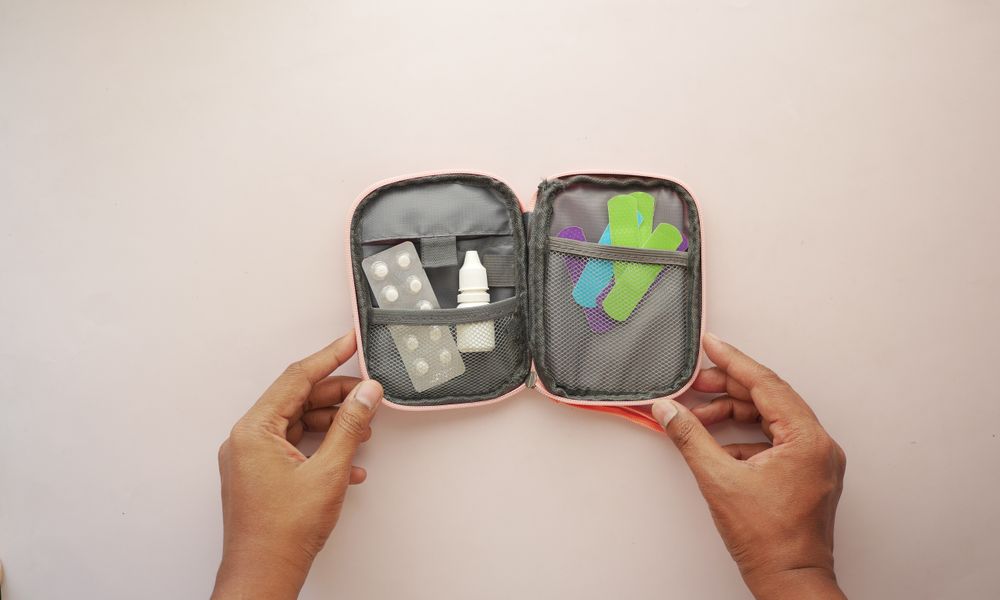
Here is an essential packing checklist for your El Salvador travel medical kit:
- Personal Prescription Medications: Bring an ample supply of your daily medications in their original, clearly labeled containers, accompanied by a copy of your doctor's prescription.
- Insect Repellent: High-strength repellent containing 20% to 50% DEET, Picaridin, or oil of lemon eucalyptus to protect against Dengue and Zika vector mosquitoes.
- First Aid Essentials: Sterile bandages, gauze pads, adhesive tape, antiseptic wipes, and antibiotic ointment (like Neosporin) to prevent screwworm myiasis in open cuts.
- Diarrhea and Gut Remedies: Oral rehydration salts (ORS), loperamide (Imodium) for mild diarrhea, and bismuth subsalicylate (Pepto-Bismol). Ask your travel doctor for a prescription of a broad-spectrum antibiotic (such as Azithromycin) for severe bacterial infections.
- Pain and Fever Relievers: Acetaminophen (Paracetamol) or Ibuprofen. WARNING: If you suspect you have Dengue fever, use Acetaminophen ONLY. Avoid Ibuprofen, Aspirin, or Naproxen, as these can thin your blood and increase the risk of severe internal bleeding associated with hemorrhagic Dengue.
- Motion Sickness Medication: Dimenhydrinate (Dramamine) or Meclizine, which are useful for navigating the winding, mountainous roads of the Ruta de las Flores or boat transfers on the Gulf of Fonseca.
- Water Purification Tablets: Aquatabs or Katadyn Micropur tablets for emergency water treatment.
- Sun Protection: High-SPF broad-spectrum sunscreen and after-sun aloe vera gel to protect against the intense tropical sun.
How TripGuard360 Tracks El Salvador Travel Health Requirements Vaccinations 2026
Planning international travel can feel like aiming at a moving target, especially when health restrictions, vaccine mandates, and disease outbreaks change without warning. A country that is completely open today could suddenly reinstate entry screenings, demand updated vaccination certificates, or issue quarantine orders tomorrow. For travelers heading to Central America, keeping track of the changing el salvador travel health requirements vaccinations 2026 can be exhausting and stressful.
This is where TripGuard360 becomes an indispensable tool for your journey. TripGuard360 is a cutting-edge, real-time travel safety and health monitoring platform designed to keep you one step ahead of changing regulations. By continuously scanning global health advisories from the CDC Travelers' Health portal, WHO, PAHO, local ministries of health (including MINSAL), and foreign offices worldwide, TripGuard360 acts as your personal digital health officer.
The moment there is a shift in El Salvador's health policies—such as a newly mandated vaccine for entry, a sudden surge in localized outbreaks like Dengue or Measles, or changes in border health screenings—TripGuard360 automatically processes the update and alerts you instantly. Users receive real-time notifications directly via Telegram and email the minute entry health rules change, ensuring you never arrive at the airport with invalid documentation or outdated vaccines.
With TripGuard360, you can travel with absolute peace of mind. Whether you are navigating the latest Yellow Fever entry requirements, monitoring regional alerts on the New World Screwworm epidemic, or seeking updates on local hospital capacities, our system works 24/7 to keep you safe and informed. Combine this real-time protection with the structured guidance found on our travel guides and the diagnostic tips on our travel safety blog to make your 2026 adventure to El Salvador safe, smooth, and unforgettable.