How Safe Is Algeria Right Now? 2026 Reality Check
Evaluating the Current Landscape: How Safe Is Algeria for Tourists 2026 Crime Rate?
As we move through 2026, Algeria continues to emerge as one of Africa's most compelling, albeit misunderstood, travel frontiers. For years, the nation’s safety was overshadowed by the "Black Decade" of the 1990s, but the contemporary reality is far different. Today, the question isn't just "is it safe?" but rather "how safe is Algeria for tourists 2026 crime rate" in comparison to more established neighbors like Morocco or Tunisia. The answer, supported by current geopolitical data and local law enforcement statistics, is that Algeria is remarkably secure for the prepared traveler, provided you understand the specific regional risks and the heavy security presence that maintains this order.
According to the latest data from the U.S. Department of State, Algeria currently holds a Level 2: Exercise Increased Caution rating. To put this into perspective for the average traveler, this is the same safety tier assigned to countries like France, the United Kingdom, and Germany. The 2026 Crime Index for Algeria sits at 53.0, which is considered moderate. While this reflects a slight increase from 52.6 in 2025, the data primarily tracks petty theft and domestic offenses rather than violent crimes against foreigners. In fact, travelers often find Algeria’s streets significantly safer than those of major European capitals due to a high-density police presence and a cultural code of hospitality that treats visitors as "guests of the state."
Government Travel Advisory Levels in 2026
International assessments of Algeria are generally consistent but require nuanced reading. The UK Foreign, Commonwealth & Development Office (FCDO) confirms that the northern coastal strip—which includes the hubs of Algiers, Oran, and Constantine—is accessible and safe for foreign nationals. However, they maintain strict warnings against all travel within 30km of the borders with Libya, Mali, Niger, and Mauritania. These border zones are "Red Zones" where the risk of terrorism and kidnapping remains elevated due to regional instability in the Sahel.
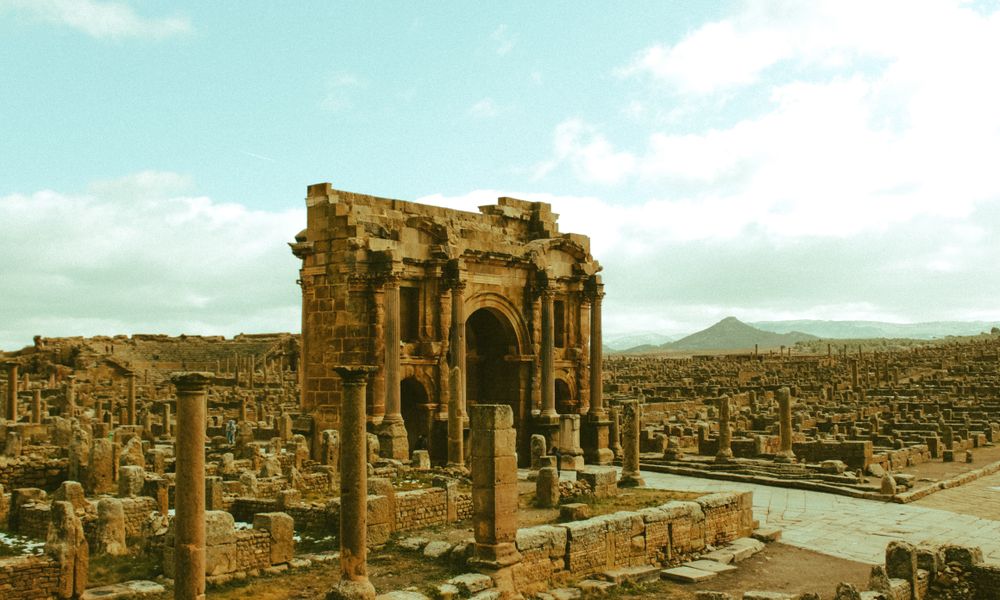
For the average tourist sticking to the historic ruins of Tipaza, the bustling markets of Oran, or the stunning Roman architecture of Timgad, the danger profile is remarkably low. The Algerian government has invested billions into a "National Security Shield" (2024-2026), increasing the visibility of the Gendarmerie and National Police (DGSN). While some find the frequent checkpoints on mountain roads intimidating, they are the very reason why violent incidents involving tourists have remained effectively at zero in the country’s safe zones for over a decade.
Global Safety Index and 2026 Trends
When analyzing the 2026 Global Peace Index, Algeria’s ranking has remained stable, bolstered by its role as a regional counter-terrorism leader. The primary shifts in safety this year are not related to crime, but to logistics and health. In March 2026, the CDC issued a Level 2 travel notice for 32 countries, including Algeria, regarding a global uptick in polio cases. Travelers are strongly advised to ensure they have a one-time adult booster before arrival. Beyond health, the most significant trend is the expansion of the visa-on-arrival program for Saharan tours, a move that signals the government's confidence in its ability to protect tourists in deep-desert provinces like Tamanrasset and Djanet through mandatory local escorts.
Crime Statistics and Tourist Risks in 2026
Understanding the 2026 crime rate in Algeria requires distinguishing between what the locals face and what tourists actually encounter. In 2024, the DGSN reported 394,189 recorded crime cases nationwide, with 81% occurring in urban areas. For locals, the primary concerns are household burglary and low-level disputes. For tourists, the risks are almost exclusively crimes of opportunity—pickpocketing, bag snatching, and financial scams.
Violent crime, such as armed robbery or assault targeting foreigners, is statistically rare in Algeria. The country’s legal system is notoriously harsh on those who harm tourists, creating a powerful deterrent. However, as the country opens its doors to more visitors, opportunistic criminals have become more sophisticated in their approach to "soft targets."
- Petty Theft: Common in high-density areas like the Algiers Kasbah or the Medina of Constantine. This is rarely violent but often involves highly skilled pickpockets.
- Financial Scams: The most prevalent risk is the "Black Market Currency Scam." Because the official bank rate for the Algerian Dinar (DZD) is significantly lower than the unofficial rate found at Square Port Said, most tourists are tempted to exchange money on the street. Scammers use sleight-of-hand tricks to short-change nervous travelers.
- Taxi Overcharging: Unlicensed "clandestine" taxis often target fresh arrivals at Houari Boumediene Airport. They may claim the meter is broken or take longer routes to inflate the fare.
Targeted Crimes: Tourists vs. Locals
A unique aspect of safety in Algeria is the "Guest Protection" culture. In many neighborhoods, if a tourist is harassed, local bystanders will often intervene on the traveler’s behalf. However, solo female travelers face a different reality. While physical violence is rare, verbal harassment ("catcalling") is a frequent occurrence, especially if not dressed modestly or if walking alone after dark. Statistics show that women traveling in groups or with a male companion report 90% fewer incidents of public harassment.
Safety Comparison: Has It Improved Since Last Year?
Compared to 2025, the overall safety for tourists has improved in terms of infrastructure but remained stagnant in terms of regional border threats. The completion of the 2026 Mediterranean Highway upgrades has reduced the risk of road accidents, which remain a leading cause of injury for travelers. Furthermore, the mandatory GPS-tracking for all desert tour operators introduced in late 2025 has made the Saharan experience much more secure, providing a "digital safety net" for those exploring the deep south.
Regional Breakdown: Dangerous vs. Safest Cities
Algeria is the largest country in Africa, and its safety profile varies wildly depending on your exact coordinates. You cannot judge the safety of Algiers based on the situation in Tindouf. In 2026, the country is effectively split into three "Safety Sectors."
The Safest Cities: The Mediterranean Hubs
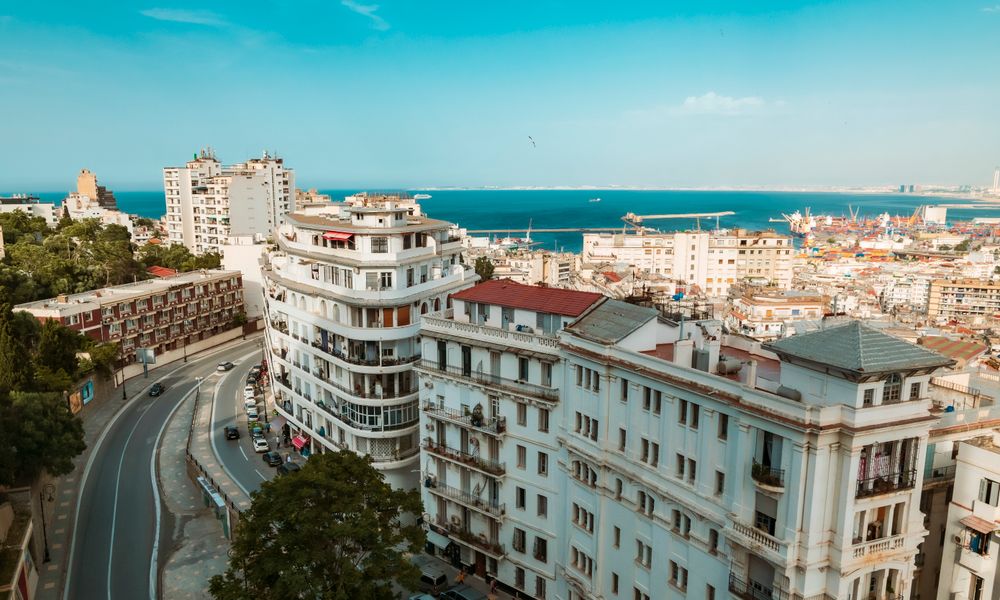
The northern coastal cities are the safest regions for international visitors. Oran, often called "Little Paris," is widely considered the safest major city in 2026 due to its liberal atmosphere and well-organized tourism police. Algiers is safe in its modern districts (Hydra, El Biar) but requires caution in the historic Kasbah. Constantine, the city of bridges, has a very low crime rate against foreigners and is highly recommended for independent travelers.
- Oran: High safety rating; vibrant nightlife; professional police presence.
- Tlemcen: Historic and calm; very safe for solo travelers.
- Bejaia: Friendly coastal city; low petty crime rates.
The "Guided Zones": The Saharan South
Cities like Ghardaïa, Djanet, and Tamanrasset are spectacular but operate under a different security protocol. You are generally safe here, but independent travel is restricted. To visit these areas, you must have a pre-arranged tour with a licensed agency that handles your security permits. While the cities themselves are safe, the vast stretches of desert between them are patrolled by the military to prevent smuggling and cross-border insurgencies.
High-Risk Zones: Where You Must Not Go
The "Red Zones" of 2026 remain the border areas. The province of Tindouf and the borders with Mali and Niger are strictly off-limits. These areas are prone to kidnapping-for-ransom operations by militant groups moving across the Sahel. Additionally, the Kabylie mountainous region east of Algiers, while beautiful, still requires caution; stick to main highways and avoid hiking in remote forests without a local guide, as security operations against small remnant extremist cells occasionally occur in these isolated peaks.

A Realistic Day-by-Day Risk Breakdown for 2026
To help you prepare for the how safe is Algeria for tourists 2026 crime rate reality, here is a day-by-day assessment of what a typical 5-day itinerary looks like from a risk perspective. For more detailed prep, check out our travel safety blog or browse our extensive travel guides to plan your specific route.
Day 1: Arrival and Urban Navigation
Primary Risk: Scams. Upon landing at the airport, the most likely threat is being overcharged for transport. Statistic: 40% of first-time travelers pay double the standard fare. Mitigation: Download the Yassir app (the local equivalent of Uber). It provides a fixed price and GPS tracking, eliminating the "broken meter" scam.
Day 2: The Historic Kasbah and Markets
Primary Risk: Pickpocketing. Walking through the narrow alleys of the UNESCO-listed Algiers Kasbah is a highlight, but it is where 60% of tourist petty crime occurs. Mitigation: Never wander the Kasbah alone or after 5:00 PM. Hire a certified guide and keep your phone and wallet in a front-zipped pocket. Avoid wearing flashy jewelry.
Day 3: Coastal Transit to Tipaza or Cherchell
Primary Risk: Road Safety. Algeria has a high rate of traffic accidents. Warning: In 2026, speeding remains the #1 cause of tourist injuries. Mitigation: Avoid "inter-city" shared taxis (Grand Taxis) if the driver appears reckless. Stick to reputable private drivers or the train system, which is safe, modern, and reliable.
Day 4: Cultural Etiquette and Photography
Primary Risk: Legal Trouble. It is strictly illegal to photograph military installations, police officers, or government buildings. Mitigation: Always ask permission before taking a photo near a checkpoint. In 2026, drone laws remain incredibly strict—do not attempt to bring one into the country without a difficult-to-obtain permit, as it will be confiscated at customs.
Day 5: Currency and Departure
Primary Risk: Currency Regulations. Algeria has strict rules regarding the export of Dinars. Warning: You must declare all currency over 1,000 Euros upon arrival. Mitigation: Ensure you keep your exchange receipts. Do not try to take DZD (local currency) out of the country, as it may be seized at the final security gate.
Comparing Algeria’s Safety to Similar Destinations
When looking at the how safe is Algeria for tourists 2026 crime rate, it is helpful to compare it to its North African peers. Algeria often feels safer than Morocco in one specific way: "hustling." In Morocco, tourists often face aggressive vendors and persistent street touts. In Algeria, because tourism is still nascent, locals are generally more respectful and less likely to view you as a walking ATM.
Compared to Egypt, Algeria has a lower risk of mass-casualty attacks in tourist areas but a higher administrative burden. In Egypt, you can travel independently to most sites with ease; in Algeria, the police will often track your movement between provinces for your own safety, which can feel restrictive but ultimately provides a higher level of personal security.
Safety Comparison Table:- Algeria: Moderate crime index (53.0), Low "hustle" factor, High security presence, High administrative/permit requirements.
- Morocco: Lower general crime index (38-42), High "hustle" factor, Easy independent travel, High petty theft in tourist centers.
- Egypt: High security in tourist enclaves, Moderate scam risk, Frequent police escorts for groups.
Real-Time Protection with TripGuard360
In a country like Algeria, where the security situation can shift based on regional geopolitics, being "safe" requires more than just reading an annual guide. Political protests or sudden border closures can change the safety rating of a province overnight. This is why TripGuard360 is an essential tool for the modern adventurer.
TripGuard360 provides a real-time safety score for every city and province in Algeria. Using AI-driven analysis of local news, government feeds, and traveler reports, the platform updates your destination risk profile every 15 minutes. If a protest is scheduled in Algiers or a weather alert for sandstorms is issued in the Sahara, TripGuard360 pushes an instant alert to your phone with actionable advice.
Whether you are navigating the ancient ruins of Djemila or the modern boulevards of Annaba, TripGuard360 ensures you are never the last to know about a change in the environment. It’s the difference between a trip interrupted and a trip enjoyed with total peace of mind.
Experience the future of travel security. Try TripGuard360 free today and travel with the confidence of real-time data.