Iran Travel Alert 2026: Conflict Closes Airspace, Flights Cancelled
Iran Travel Advisory 2026: Navigating Critical Interstate Conflict and Airspace Disruptions
This **iran travel advisory 2026** article provides crucial, up-to-the-minute information for travelers considering or planning trips to Iran. Due to escalating interstate conflict and significant disruptions to airspace, travel to Iran is currently classified as **CRITICAL**. Understanding the severity of the situation, potential impacts, and official recommendations is paramount for ensuring your safety and making informed decisions regarding your travel plans. We will also explore alternative destinations and how tools like TripGuard360 can help you stay informed.
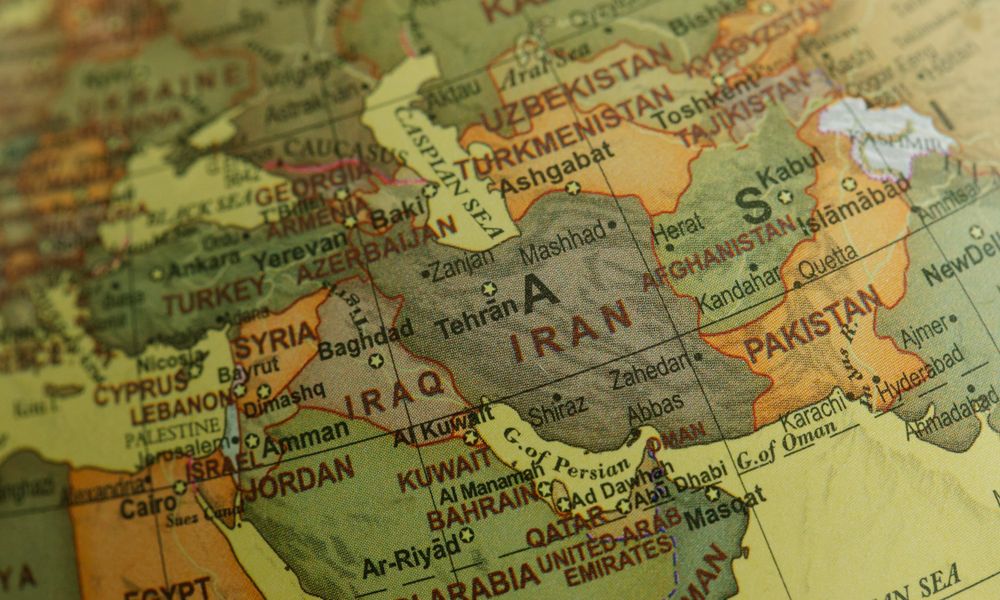
Current Situation Overview: Interstate Conflict and Airspace Chaos
Since late February 2026, Iran has been embroiled in an active military conflict involving the United States, Israel, and several regional partners. This geopolitical instability has led to severe consequences for international travel and regional connectivity. The ongoing conflict has resulted in widespread international flight cancellations and continues to significantly impact the country and the broader Gulf region. The situation is dynamic and requires constant vigilance for anyone with interests in Iran. Official sources, such as the U.S. Department of State, have issued severe warnings, advising citizens to depart Iran immediately if they are able to do so safely and to reconsider all travel to the country. The U.S. Embassy in Tehran is closed, and the U.S. government has very limited ability to provide consular assistance to U.S. citizens in Iran.
The conflict has not only heightened security risks but has also directly impacted the infrastructure essential for international tourism and business. Specifically, the airspace over Iran and surrounding areas has experienced unprecedented disruptions. These include severe airspace closures, daylight-only flight restrictions, and a dramatic increase in flight cancellations across major international carriers. Airlines are rerouting flights, extending travel times, and in many cases, suspending services altogether. This creates a complex and unpredictable environment for anyone planning to fly to, from, or over the region.
What Travelers Need to Know Right Now: Immediate Safety Concerns
The most critical piece of information for any potential traveler is that **travel to Iran is strongly advised against at this time**. The U.S. Department of State, along with many other governments, has placed Iran at its highest travel advisory level due to the ongoing conflict and the associated risks. This means that the safety and security of foreign nationals are severely compromised. Travelers should be aware of the following immediate concerns:
- Heightened Security Risks: The active military conflict poses a direct threat to civilian safety. There is a risk of missile attacks, drone strikes, and other military actions impacting civilian areas. Avoid all areas where military activity is occurring or suspected.
- Limited Consular Assistance: For many nationalities, diplomatic relations with Iran are strained or non-existent, severely limiting the ability of your home country's embassy or consulate to provide assistance in case of emergency. The U.S. Embassy in Tehran, for instance, is closed, with no consular services available.
- Civil Unrest Potential: In addition to the interstate conflict, there is always a potential for localized civil unrest, protests, or demonstrations that could escalate quickly. Such events can lead to unpredictable security situations and potential dangers for foreigners.
- Arbitrary Detention: Foreign nationals, including dual nationals, have been arbitrarily detained or arrested in Iran. The U.S. government warns that dual nationals face significant risks, including the potential for arrest and long detention sentences, and that they may not be afforded the same rights or protections as other foreigners.
- Communication Disruptions: In times of conflict, there is a possibility of internet shutdowns or severe restrictions on telecommunications, which can hinder your ability to communicate with loved ones or access critical information.
It is imperative to stay informed through official channels. Rely on your government's foreign travel advice website for the most current and accurate information. For instance, the UK's Foreign, Commonwealth & Development Office (FCDO) also strongly advises against all travel to Iran, citing the high level of risk. You can find their detailed advice at gov.uk/foreign-travel-advice/iran.

Impact on Flights and Travel Plans: Navigating Airspace Disruptions
The conflict has had a profound and immediate impact on air travel to and from Iran, as well as overflights of the region. Travelers with existing bookings or those planning future trips must be acutely aware of these disruptions:
- Widespread Flight Cancellations: Many major international airlines have suspended or significantly reduced their flights to and from Iranian airports, including Tehran's Imam Khomeini International Airport (IKA). This is due to safety concerns, airspace restrictions, and insurance liabilities.
- Airspace Closures and Restrictions: Significant portions of Iranian airspace, and sometimes the airspace of neighboring countries, have been declared no-fly zones or are subject to severe restrictions. This often means flights are limited to daylight hours only, or specific corridors are mandated. Such restrictions can change rapidly with little notice.
- Rerouting and Extended Travel Times: Airlines that continue to operate routes that pass over Iran are often forced to take longer, rerouted paths. This can add many hours to flight times, leading to increased fatigue and potential disruption to onward travel plans.
- Increased Travel Costs: With fewer flight options and longer routes, the cost of available air travel is likely to increase significantly. Furthermore, unexpected cancellations or delays may necessitate additional expenses for accommodation and meals.
- Limited Availability and Booking Challenges: Due to the reduced capacity and increased demand for alternative routes, securing flights to or from the region can be extremely challenging. Booking in advance is crucial, but even then, cancellations remain a high risk.
The International Air Transport Association (IATA) and other aviation bodies are constantly monitoring the situation, but the dynamic nature of the conflict means that the latest advisories from airlines and aviation authorities should be your primary source of information. Always check directly with your airline for the most current status of your flight. If your flight has been cancelled, contact your airline immediately to discuss rebooking or refund options. Be prepared for potential delays in communication due to high call volumes.
For those already in Iran, the advice is to make arrangements to leave as soon as it is safely possible. If you have immediate travel plans to the region, it is strongly recommended to postpone or cancel your trip. This is not a time for leisure or non-essential travel to Iran.
Official Recommendations from Travel Authorities
Government travel advisories are critical resources for understanding the risks associated with international travel. For Iran in 2026, the consensus among major international travel authorities is clear: **avoid all travel**. These recommendations are based on comprehensive assessments of security, political stability, and the availability of consular support.
The **U.S. Department of State** has issued a "Level 4: Do Not Travel" advisory for Iran, citing the high risk of terrorism, arbitrary arrest and detention, and the effects of armed conflict. Their advice emphasizes that the U.S. government has no diplomatic or consular relations with Iran and therefore, extremely limited ability to assist U.S. citizens. This is a stark warning that should not be underestimated.
Similarly, the **UK's Foreign, Commonwealth & Development Office (FCDO)** advises "against all travel to Iran" due to the current volatile security situation and the risk of arbitrary detention. They specifically mention the ongoing conflict and heightened tensions in the region as key factors influencing their recommendation.
The **Australian Department of Foreign Affairs and Trade (DFAT)**, through its Smartraveller service, also strongly advises Australians to "reconsider your need to travel to Iran" and warns of a high degree of personal security risk. They highlight the potential for unrest, security incidents, and the limited capacity for consular assistance.
The **Canadian government** also issues similar warnings through Global Affairs Canada, urging Canadians to avoid non-essential travel to Iran due to the security situation and the unpredictable nature of the conflict. They advise those in Iran to monitor the situation closely and to have an up-to-date emergency plan.
These official recommendations are not made lightly. They are the result of careful analysis by experienced foreign policy and security professionals. Travelers should treat these advisories with the utmost seriousness and adjust their plans accordingly. Ignoring these warnings can have severe consequences for personal safety and well-being.
For broader health-related advisories, organizations like the World Health Organization (WHO) and the U.S. Centers for Disease Control and Prevention (CDC) also provide essential health information for travelers, though in the current climate, security concerns far outweigh health considerations for Iran.
Alternative Destinations if Travel is Not Advised
Given the critical travel advisory for Iran, exploring alternative destinations is a prudent step for those seeking international travel experiences. The Middle East and surrounding regions offer a wealth of diverse cultures, historical sites, and natural beauty, many of which remain safe and accessible for tourism. Here are a few suggestions:
- United Arab Emirates (UAE): Cities like Dubai and Abu Dhabi offer a luxurious and modern travel experience with world-class attractions, shopping, and dining. The UAE is known for its safety and stability, making it an excellent alternative. You can find more information on travel to the UAE from government advisories.
- Oman: For a more traditional Arabian experience, Oman offers stunning natural landscapes, historic forts, and a rich cultural heritage. It is known for its safety, friendly locals, and well-preserved traditions. Oman's tourism board provides comprehensive guides for visitors.
- Turkey: Straddling Europe and Asia, Turkey offers a vast array of historical sites, vibrant bazaars, and beautiful coastlines. Major tourist hubs like Istanbul and Antalya remain popular and generally safe for visitors, though it's always wise to check the latest travel advisories for specific regions.
- Jordan: Home to the ancient city of Petra, the Wadi Rum desert, and the Dead Sea, Jordan provides a unique historical and natural adventure. It is a country that values tourism and generally maintains a secure environment for visitors.
- Georgia: For those looking to explore a different cultural sphere, Georgia offers a mountainous landscape, ancient monasteries, and a burgeoning wine region. It's increasingly popular and considered a safe destination for travelers.
When considering any alternative destination, it is always essential to consult the latest travel advisories from your home country's foreign affairs department. This ensures you are aware of any specific risks or requirements for entry and stay. For more detailed information on planning safe international trips, visit our travel guides, which cover a range of destinations and safety considerations.
How to Stay Safe if You're Already There
If you are currently in Iran and unable to depart immediately due to the conflict or flight disruptions, your safety is the absolute priority. The following measures are crucial:
- Minimize Public Exposure: Avoid crowded public places, demonstrations, or any areas where military activity is known or suspected. Stay informed about local conditions through trusted news sources and local contacts, if available.
- Maintain Low Profile: Avoid drawing attention to yourself. Do not engage in political discussions or activities that could be perceived as provocative.
- Stay Informed: Continuously monitor official advisories from your embassy or consulate (if applicable and reachable) and reputable international news outlets. Be aware of any changes in local security measures or travel restrictions.
- Secure Communications: Ensure you have reliable means of communication. If possible, use a VPN for secure internet access. Be aware that communications may be monitored or disrupted.
- Have an Emergency Plan: Know where to go in case of an emergency and have a plan for evacuation if the situation deteriorates. Keep important documents, including your passport, visa, and any emergency contact information, secure and accessible.
- Consular Contact: If your country has a diplomatic presence, even if limited, try to register your presence with them and understand how to contact them in an emergency. However, as noted, for many nationalities, consular assistance is severely limited or non-existent.
- Local Guidance: If you are with a reputable tour operator or host organization, follow their guidance strictly. They will have local knowledge and established safety protocols.
The situation in Iran is highly volatile. These steps are designed to mitigate risks, but they cannot eliminate them entirely. The primary recommendation remains to leave Iran as soon as it is safely possible. For general travel safety tips and resources, please refer to our travel safety blog.

What to Do if You Have Upcoming Travel Plans to the Region
For those with upcoming travel plans to Iran, the recommendation is unequivocal: **cancel or postpone your trip**. The current conflict and resulting airspace disruptions pose significant risks to travelers. Here's a step-by-step approach:
- Review Your Itinerary: Assess the necessity of your trip. Is it essential? If not, cancellation or postponement is the safest course of action.
- Contact Your Airline: Check the status of your flights directly with your airline. Understand their cancellation and rebooking policies. Many airlines are offering flexible rebooking options or full refunds due to the current circumstances.
- Contact Your Travel Insurance Provider: Review your travel insurance policy. Many policies will cover cancellations or disruptions due to significant geopolitical events and government travel advisories. Contact your provider to understand your coverage and initiate any claims.
- Contact Your Accommodation and Tour Operators: Similarly, reach out to hotels, tour operators, and any other pre-booked services. Inquire about their cancellation or modification policies.
- Seek Refunds: Be persistent in seeking refunds or credits for all non-refundable bookings. The extraordinary circumstances often warrant leniency from travel providers.
- Monitor Official Advisories: Continue to monitor official government travel advisories for Iran and any neighboring countries you may have planned to transit through. The situation can change rapidly.
Making these arrangements now will save you potential stress, financial loss, and most importantly, ensure your safety. Do not assume that conditions will improve in time for your scheduled travel.
How TripGuard360 Helps Monitor Travel Advisories and Alerts in Real-Time
Navigating the complexities of international travel, especially during times of geopolitical instability like the current situation in Iran, can be overwhelming. Official travel advisories are crucial, but they are not always updated in real-time to reflect rapidly evolving situations. This is where a robust travel monitoring service becomes invaluable.
TripGuard360 is designed to provide travelers with peace of mind by offering real-time monitoring of travel advisories, security alerts, and critical updates from official government sources worldwide. For a scenario like the **iran travel advisory 2026**, TripGuard360 can:
- Aggregate and Analyze Data: It collects information from numerous government travel sites (like the U.S. Department of State, UK FCDO, Australian Smartraveller, and others), international organizations, and reputable news agencies. It then analyzes this data to identify critical changes relevant to your planned destinations.
- Provide Instant Alerts: If a travel advisory level for Iran (or any other destination you're monitoring) is elevated, or if significant disruptions like airspace closures are announced, TripGuard360 can send immediate alerts directly to your phone or email. This allows for swift decision-making.
- Offer Comprehensive Information: Beyond just the advisory level, TripGuard360 can provide summaries of the reasons behind the warnings, specific risks identified, and links to the official sources for more detailed information.
- Track Multiple Destinations: For travelers with complex itineraries or those who frequently travel, TripGuard360 allows for the monitoring of multiple countries simultaneously, ensuring you are always informed about the situation in all your intended destinations.
- Facilitate Proactive Planning: By having access to timely and actionable information, travelers can proactively adjust their plans, rebook flights, or cancel trips before issues escalate, minimizing financial losses and ensuring personal safety.
In an era where travel can be impacted by unexpected events, from interstate conflicts to health crises, staying informed is not just a convenience – it's a necessity. TripGuard360 acts as your personal travel security analyst, keeping you ahead of the curve.
Conclusion: Prioritize Safety and Stay Informed
The current geopolitical climate necessitates extreme caution when considering travel to Iran. The interstate conflict and severe airspace disruptions have rendered the country a high-risk destination. Official travel advisories from governments worldwide strongly recommend against all travel, citing critical safety concerns, including the risk of military action and arbitrary detention. Understanding these risks is the first step in making responsible travel decisions.
For travelers with existing plans, the advice is to cancel or postpone, leveraging airline flexibility and travel insurance. For those already in Iran, prioritizing safety by minimizing public exposure and staying informed is paramount, with the ultimate goal of departing as soon as it is safely possible.
Navigating these complex and rapidly changing travel advisories can be challenging. Services like TripGuard360 are designed to simplify this process, providing real-time alerts and comprehensive information to help you make informed decisions and stay safe, no matter where your travels may take you. In times of uncertainty, having a reliable system to monitor your travel destinations is no longer a luxury, but a fundamental aspect of responsible travel planning.
Don't let unexpected travel disruptions catch you off guard. Prioritize your safety and peace of mind.
Ready to travel with confidence? Try TripGuard360 today and experience real-time travel advisory monitoring like never before. Stay informed, stay safe.