Iran Travel Alert 2026: Severe Flight Suspensions & War Risks
Current Situation: The Iran Travel Advisory 2026 Explained
The geopolitical landscape of the Middle East has undergone a dramatic and highly volatile shift following the outbreak of a major regional war in late February 2026. For international travelers, expatriates, and aviation professionals, the situation has reached a state of CRITICAL severity, categorized under active CONFLICT. Ongoing military hostilities and severe, unpredictable airspace restrictions have made travel to and through this region highly perilous. The security environment is deteriorating rapidly daily, prompting global travel authorities to issue the most stringent warnings seen in decades.
At the center of this crisis is Iran, where active military operations, localized defensive actions, and regional retaliatory measures have severely compromised civilian safety. The conflict has expanded far beyond localized borders, manifesting in extensive regional spillover. Most notably, recent drone strikes targeting UAE energy infrastructure have highlighted that even historically stable transit hubs in the Persian Gulf are no longer immune to the reach of this conflict. Consequently, the entire Persian Gulf airspace has been classified as a high-risk combat zone, leading to a near-total paralysis of traditional air corridors.
For those monitoring the iran travel advisory 2026, it is crucial to understand that standard consular services and diplomatic lifelines have been severely disrupted. Several nations have either suspended their embassy operations in Tehran or evacuated non-essential staff, leaving dual citizens and foreign nationals with highly restricted options for emergency consular assistance. The threat of military strikes, civil unrest, and arbitrary state actions means that all non-essential and leisure travel to the region must be postponed indefinitely. This guide provides a comprehensive breakdown of the current situation, the impact on global aviation, and the vital security measures you must implement immediately.

What Travelers Need to Know Right Now About Iran Security
If you are planning, transiting, or currently undergoing travel in the Middle East, the most critical takeaway right now is that foreign governments cannot guarantee your safety or facilitate your evacuation if conditions deteriorate further. The security environment within Iran is characterized by extreme volatility, with the potential for armed conflict to escalate without warning. State security forces remain on high alert, and civilian infrastructure—including telecommunications, internet access, and transportation networks—is subject to sudden government-imposed shutdowns or military-related disruptions.
Furthermore, the physical dangers of active conflict are compounded by severe domestic security risks. Foreign nationals, particularly those holding dual citizenship, face an unprecedented threat environment. This includes heightened surveillance, localized protests that can quickly turn violent, and the risk of being caught in military crossfire near strategic installations. Travel authorities emphasize that the traditional tourism and business travel sectors in Iran have completely ground to a halt, and entering the country under the current circumstances poses an immediate threat to life and liberty.
Understanding the Risk of Arbitrary Detention in Iran
One of the most persistent and severe threats facing foreign travelers in Iran is the high risk of arbitrary arrest and detention. Iranian security and intelligence services have a documented history of detaining foreign citizens and dual nationals on spurious charges, such as espionage or threats to national security. In the context of the active war that began in late February 2026, the suspicion directed toward Western nationals has intensified exponentially. Individuals may be detained without access to legal representation, family communication, or consular visits for indefinite periods.
Standard judicial protections do not apply to foreigners suspected of having ties to Western nations or international organizations. Simple actions, such as taking photographs near public buildings, using mapping applications in sensitive areas, or communicating with local citizens about political matters, can be interpreted as hostile acts. For this reason, global authorities strongly caution that if you choose to enter Iran, your government will have extremely limited, if any, ability to secure your release or monitor your welfare while in custody.
Regional Spillover: Drone Attacks and UAE Infrastructure Threats
The conflict is no longer contained within Iranian borders. The recent drone strikes targeting UAE energy infrastructure and oil production facilities have forced a reevaluation of security across the entire Arabian Peninsula. These attacks demonstrate a sophisticated capability to strike civilian and industrial targets hundreds of miles from the primary conflict zones. As a result, adjacent nations—including the United Arab Emirates, Qatar, Saudi Arabia, and Bahrain—have heightened their military readiness and implemented strict domestic security protocols.
For travelers, this means that even high-profile, historically secure cities like Dubai and Doha are experiencing the direct knock-on effects of the war. Security screening at land borders, maritime ports, and remaining operational transport facilities has been tightened significantly. Additionally, there is a persistent risk of GPS spoofing and electronic jamming across the region, which has impacted maritime navigation in the Strait of Hormuz and civilian aviation safety across regional air corridors.

Impact on Flights, Airspace, and Regional Transit in 2026
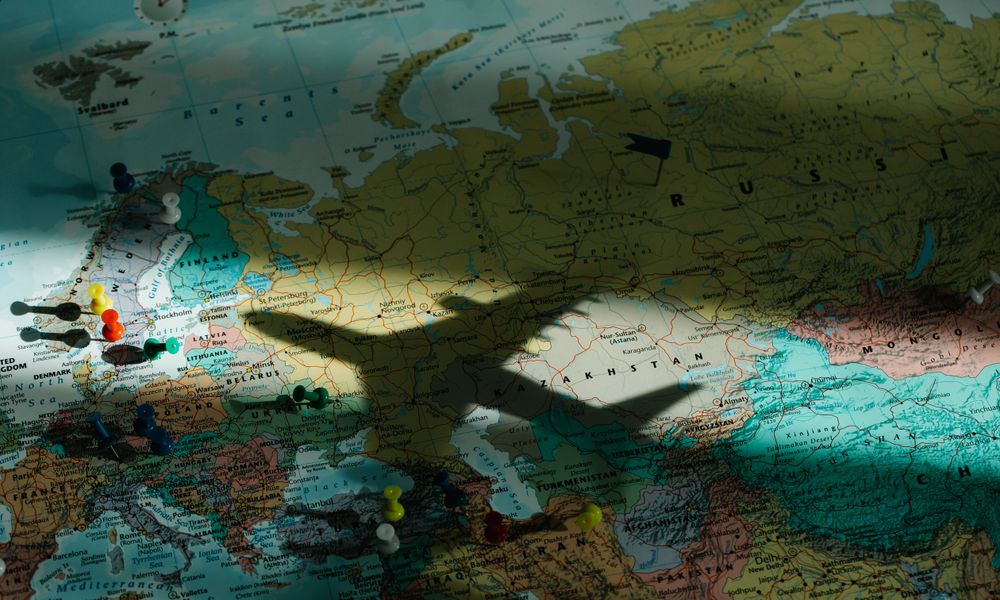
The aviation sector has experienced some of the most immediate and disruptive consequences of the late February 2026 conflict. Due to the high risk of civilian aircraft being misidentified or targeted by anti-aircraft defense systems, major international carriers have enacted region-wide flight suspensions. Airspace over Iran, Iraq, and parts of the Persian Gulf has been declared active conflict zones, leading to emergency closures and the implementation of strict military-controlled flight corridors.
These flight suspensions have caused unprecedented disruptions to global travel networks, as the Middle East has historically served as the primary geographic bridge between Europe, Africa, and Asia. The sudden closure of these critical skies has forced airlines to completely restructure their networks, leading to systemic delays, canceled bookings, and a dramatic reduction in available seating capacity on long-haul routes. Travelers must expect these disruptions to persist for the foreseeable future, as carriers have indicated they will not resume flights until a verified, long-term ceasefire is established and airspace safety can be guaranteed.
Major Airlines Suspending Travel to Tehran, Dubai, and Doha
In response to the escalating threat level, major international airlines have indefinitely suspended all passenger and cargo operations to key regional hubs, including Tehran, Dubai, and Doha. Carriers such as British Airways, Lufthansa, Air France, Singapore Airlines, and Qantas have pulled their operations from these airports to ensure the safety of their crews and passengers. Even regional giants like Emirates, Qatar Airways, and Etihad have drastically curtailed their schedules, operating only limited, essential flights under highly restrictive and heavily monitored military corridors.
These suspensions mean that transiting through major hubs like Dubai International Airport (DXB) or Hamad International Airport (DOH) is no longer a viable or safe option for international travelers. Passengers who had booked itineraries with layovers in the Gulf region are finding their flights canceled or rerouted with little to no notice. Travel operators are struggling to accommodate the millions of passengers affected by these cancellations, leading to severe bottlenecks at alternative transit airports across Southern Europe and Central Asia.
Rerouting Asia-Europe Flights: What This Means for Air Passengers
With the primary air corridors over Iran and the Gulf closed, airlines have been forced to reroute all Asia-Europe traffic. Flights that previously flew directly over the Middle East are now taking much longer, more circuitous routes to the north over Central Asia and China, or to the south over the Horn of Africa and the Indian Ocean. These alternative flight paths have added significant operational complexity and financial strain to global aviation.
For passengers, this rerouting translates directly to:
- Extended flight times, with some journeys between Europe and Southeast Asia taking up to four to six hours longer than usual.
- Mandatory technical refueling stops in countries like Azerbaijan, Kazakhstan, or India, further increasing transit durations.
- A significant rise in fuel surcharges and ticket prices, as airlines pass the immense cost of operating longer routes onto consumers.
- An increased risk of missed connections and luggage delays due to the chaotic nature of rerouted schedules and overcrowded alternative hubs.
Official Recommendations from Global Travel Authorities
Government agencies worldwide have updated their advisories to reflect the extreme risks associated with the ongoing war. These travel warnings are designed to provide citizens with clear, objective assessments of safety conditions abroad. Given the current CRITICAL severity of the situation, the consensus among global travel authorities is unanimous: all travel to Iran must be avoided, and citizens currently in the country should take immediate steps to depart via any available and safe commercial or land routes.
These advisories are updated continuously as intelligence and ground conditions evolve. Travelers are urged to consult official government portals before making any decisions regarding travel near the Middle East. Reading these updates in conjunction with our travel safety blog will help you stay informed of fast-moving geopolitical developments and policy changes that could impact your safety and transit options.
FCDO Guidance: Against All Travel and Essential Evacuations
The UK Foreign, Commonwealth & Development Office (FCDO) travel advisory maintains a strict "advise against all travel" warning for the entirety of Iran. The FCDO emphasizes that British nationals, particularly dual British-Iranian citizens, face an exceptionally high risk of arbitrary arrest, detention, and interrogation by state authorities. The FCDO warns that the British government has virtually no consular presence or influence within Iran, meaning they cannot provide assistance to citizens who find themselves in distress, detained, or injured.
In addition, following the drone strikes on energy infrastructure, the FCDO has extended its warnings to adjacent Gulf states, advising against all but essential travel to parts of the UAE and Qatar. British travelers currently in these countries are advised to monitor local security alerts closely, maintain a low profile, and keep their emergency travel documents readily accessible in case a rapid departure becomes necessary.
US State Department Level 4 Warning and Worldwide Caution
The U.S. Department of State Travel Advisory for Iran designates the country as Level 4: Do Not Travel. This is the highest warning level issued by the U.S. government. The advisory cites the risk of terrorism, civil unrest, kidnapping, and wrongful detentions as the primary reasons for this designation. The State Department warns that U.S. citizens are targeted specifically by the Iranian regime for harassment and arrest, and that the Swiss government (which serves as the protecting power for U.S. interests in Tehran) is extremely limited in the consular services it can provide.
Furthermore, the U.S. government has issued a Worldwide Caution, alerting American citizens globally to the increased potential for terrorist attacks, demonstrations, and violent actions against U.S. citizens and interests, particularly in the Middle East and surrounding regions. The State Department advises all citizens traveling internationally to enroll in the Smart Traveler Enrollment Program (STEP) to receive real-time security updates and ensure their location is known to local embassies.
Australian DFAT Smartraveller Urgent Shelter Alerts
The Australian Government's Smartraveller portal has issued an urgent directive for all Australians in Iran and the broader Middle East region: do not travel, and if you are already in the country, depart immediately if it is safe to do so. Australian authorities warn that medical evacuation from Iran is virtually impossible under current conditions, and most standard travel insurance policies will not cover injuries, illnesses, or losses incurred in countries with active Level 4 travel warnings.
Smartraveller has also advised Australians in the region to prepare to shelter in place if commercial exit routes become unavailable. This involves securing a sufficient supply of non-perishable food, clean drinking water, essential medications, and emergency communication tools. The Australian Embassy's operations in Tehran remain heavily restricted, and dual citizens are reminded that Iran does not recognize dual nationality, meaning consular access to detained individuals will be denied by local authorities.

Alternative Destinations: Where to Travel Instead of the Middle East
Given the CRITICAL conflict situation and regional flight suspensions, travelers who had planned vacations or business trips to the Middle East are strongly encouraged to seek alternative destinations. Fortunately, there are many beautiful, culturally rich, and highly secure regions around the world that offer spectacular travel experiences without the safety risks associated with active war zones. Selecting a safer alternative ensures that your travel plans remain stress-free, secure, and fully covered by standard travel insurance providers.
To help you navigate your options and find the perfect alternative itinerary, we recommend exploring our travel guides. These guides provide detailed, up-to-date recommendations, safety tips, and curated itineraries for destinations that are currently enjoying high stability and welcoming international tourists. Below are some highly recommended alternative regions to consider for your 2026 travel plans:
- Southeast Asia (Vietnam, Thailand, and Indonesia): For those seeking rich cultural heritage, stunning landscapes, and warm hospitality, Southeast Asia remains an exceptionally safe and affordable alternative. Countries like Vietnam and Thailand are fully operational, offering world-class tourism infrastructure, historic temples, and pristine beaches far removed from global conflict zones.
- Southern Europe (Portugal, Spain, and Greece): If your original plans involved exploring historic ruins, vibrant markets, and Mediterranean climates, Southern Europe is an ideal substitute. Countries like Portugal and Spain offer high levels of safety, excellent public transit, and a wealth of historical and culinary experiences.
- Central and South America (Costa Rica and Chile): For eco-tourism, adventure, and dramatic natural scenery, Costa Rica and Chile are outstanding, peaceful options. Costa Rica is globally renowned for its biodiversity and commitment to peace, while Chile offers stunning national parks, modern infrastructure, and safe, stable cities.
- The South Pacific (Fiji and New Zealand): For a truly relaxing and secure getaway, the South Pacific offers unmatched natural beauty and isolation from global geopolitical tensions. New Zealand is perfect for adventure travelers, while Fiji provides world-class beach resorts and a serene, welcoming environment.
How to Stay Safe If You Are Already in Iran or the Gulf Region
If you find yourself currently in Iran or the broader Gulf region and are unable to secure an immediate flight out, your primary focus must be on personal safety, security, and emergency preparedness. The situations in active conflict zones can escalate within minutes, and having a well-thought-out, proactive safety plan can make a life-saving difference. Do not wait for a crisis to occur before organizing your emergency supplies and communication protocols.
First and foremost, maintain an extremely low profile. Avoid any public gatherings, demonstrations, or areas where security forces are operating, as these can quickly become targets for military action or state crackdowns. Monitor local media and international news outlets constantly to track the movement of the conflict and any sudden changes in airspace restrictions or curfew orders.
Essential Emergency Preparedness and Shelter-in-Place Protocols
If commercial flights are suspended and land borders are closed, you may be required to shelter in place for an extended period. To prepare for this scenario, you should immediately secure the following supplies:
- Water: Store at least three gallons of clean drinking water per person to last several days.
- Food: Stock up on non-perishable, high-calorie foods that do not require cooking or refrigeration.
- Medication: Ensure you have at least a one-month supply of any essential prescription medications, as local pharmacies may experience severe shortages.
- Power: Keep all mobile phones, laptops, and external power banks fully charged. Invest in a hand-crank radio if possible to receive emergency broadcasts.
- Documents: Keep your physical passport, visa, emergency contacts, and insurance papers in a waterproof, easily accessible bag. Keep digital copies of these documents stored securely in the cloud.
How to Register with Your Embassy and Keep Consular Channels Open
Even if diplomatic missions are operating with limited staff, it is imperative that you register your presence with your home country's embassy or consulate immediately. For American citizens, this means enrolling in the Smart Traveler Enrollment Program (STEP). British and Australian citizens should use their respective government registration portals. This ensures that consular officers know your exact location, how to contact you, and how many of their citizens may require evacuation assistance if a rescue operation is organized.
Establish a regular communication schedule with a trusted family member or colleague outside the conflict zone. Let them know your daily status, where you are staying, and when you expect to check in next. If an emergency occurs and local cellular networks fail, try to utilize landlines, satellite communicators, or secure messaging applications that operate on low-bandwidth networks. Remember that local authorities may monitor electronic communications, so avoid discussing sensitive political, military, or security topics online or over the phone.
What to Do If You Have Upcoming Travel Plans to the Region
If you have upcoming travel booked to Iran, the UAE, Qatar, or adjacent Middle Eastern countries, you should take immediate action to protect your financial investment and secure alternative arrangements. Do not assume that your flights will operate as scheduled, and do not wait until the last minute to cancel or change your bookings, as airline customer service channels are currently experiencing extremely high call volumes.
Review the terms and conditions of your air tickets, hotel reservations, and tour bookings. Most major airlines are offering flexible waiver policies, allowing passengers to rebook flights to alternative destinations or receive full refunds due to the ongoing region-wide flight suspensions. If your flight has been officially canceled by the carrier, you are legally entitled to a full refund to your original form of payment, rather than just travel vouchers.
Contact your travel insurance provider immediately to determine what coverage is available to you. It is important to note that most standard travel insurance policies contain "war and civil unrest" exclusion clauses. This means that if you choose to travel to a country after a Level 4 "Do Not Travel" advisory has been issued, your policy will be voided, and you will not be covered for medical emergencies, evacuations, or trip cancellations. However, if you purchased a policy with a "Cancel For Any Reason" (CFAR) upgrade prior to the outbreak of the war in late February 2026, you may be eligible to recover a significant portion of your non-refundable trip costs.
How TripGuard360 Helps Monitor Travel Advisories and Alerts in Real-Time
In a rapidly changing global security environment, having access to accurate, real-time information is the most powerful tool you can have. Traditional news outlets can be slow to report localized security incidents, and official government advisories are sometimes updated only after a crisis has already escalated. This is where TripGuard360 becomes an invaluable asset for modern travelers, corporate security teams, and expatriates worldwide.
TripGuard360 is a cutting-edge travel safety and intelligence platform designed to monitor global risks, environmental hazards, and geopolitical developments in real-time. Utilizing advanced AI data aggregation and a global network of on-the-ground security analysts, TripGuard360 provides users with instantaneous, hyper-localized alerts directly to their mobile devices and email inboxes. Whether it is a sudden airspace closure over Tehran, a military drone alert near Dubai, or a localized protest in Doha, TripGuard360 ensures you are notified long before standard media outlets catch up.
Key features of the TripGuard360 platform include:
- 24/7 Real-Time Security Alerts: Instant notifications on flight cancellations, military movements, and security advisories tailored to your specific travel itinerary.
- Interactive Risk Mapping: Visual, color-coded maps showing active conflict zones, airspace restrictions, and safe alternative transit routes around the globe.
- One-Touch Emergency Assistance: Immediate connection to professional medical and security evacuation services, ensuring you have professional support when you need it most.
- Consular Directory and Document Vault: Secure, offline access to embassy contact details, emergency protocols, and digital copies of your vital travel documents.
Conclusion: Navigate Global Travel Safety with TripGuard360
The current iran travel advisory 2026 serves as a stark reminder of how quickly the global travel landscape can change. The outbreak of war in late February 2026, coupled with severe airspace closures, flight suspensions to major hubs like Tehran, Dubai, and Doha, and ongoing drone strikes, has made Middle Eastern travel exceptionally hazardous. During these critical times, prioritizing your personal safety, staying informed through official government advisories, and choosing stable alternative destinations are the most responsible actions you can take.
Do not leave your travel safety to chance. Whether you are planning a future vacation, managing corporate travel for your employees, or trying to navigate a safe path home, TripGuard360 is your ultimate companion for real-time security intelligence and peace of mind. Our platform empowers you with the data, alerts, and expert support needed to make informed, safe travel decisions in an unpredictable world.
Protect yourself and your loved ones by taking control of your travel security today. Sign up for a free trial of TripGuard360 and experience the power of real-time, professional travel monitoring. Stay safe, stay informed, and let TripGuard360 watch over your journey.