Is Bangladesh Safe in 2026? What Travelers Must Know
Introduction to Visiting Bangladesh
Bangladesh is a country defined by its magnificent river networks, vibrant culture, and unparalleled hospitality. Squeezed into the fertile delta of the Ganges, Brahmaputra, and Meghna rivers, it offers intrepid travelers a raw, off-the-beaten-path experience that is increasingly rare in South Asia. From the lush mangrove forests of the Sundarbans—home to the elusive Bengal tiger—to the serene tea gardens of Srimangal, and the ancient Buddhist ruins at Paharpur, the country is a treasure trove of historical and natural wonders. Yet, for all its beauty, visiting Bangladesh requires meticulous planning and a deep understanding of local risks. If you are planning a trip, prioritizing travel safety bangladesh 2026 is not just recommended; it is essential for a rewarding and incident-free journey.
In this comprehensive guide, we will break down everything you need to know about navigating Bangladesh safely. We will examine current travel advisories, highlight specific regions to avoid, analyze ongoing public health challenges—including the severe measles outbreak—and offer practical advice on local transport, cultural norms, and real-time safety monitoring. By being well-prepared, you can safely experience one of Asia's most authentic and hospitable destinations.
Current Safety Overview for Bangladesh: What to Expect in 2026
Understanding the general safety climate is the first step in planning any trip to South Asia. The travel security environment in Bangladesh is complex and subject to rapid shifts. The country's safety landscape has been heavily influenced by significant political transitions over the last few years, including a major popular uprising and national parliamentary elections held on February 12, 2026. While the extreme street violence of the past has subsided, a cautious approach is still warranted.
The Political Landscape and Protest Risks
Currently, the political environment is under the administration of the newly elected government. While the transition has brought a degree of stability, political tension remains a factor, and major foreign governments maintain a cautious stance. The U.S. Department of State designates Bangladesh as a Level 3: Reconsider Travel destination due to civil unrest, crime, kidnapping, and terrorism.
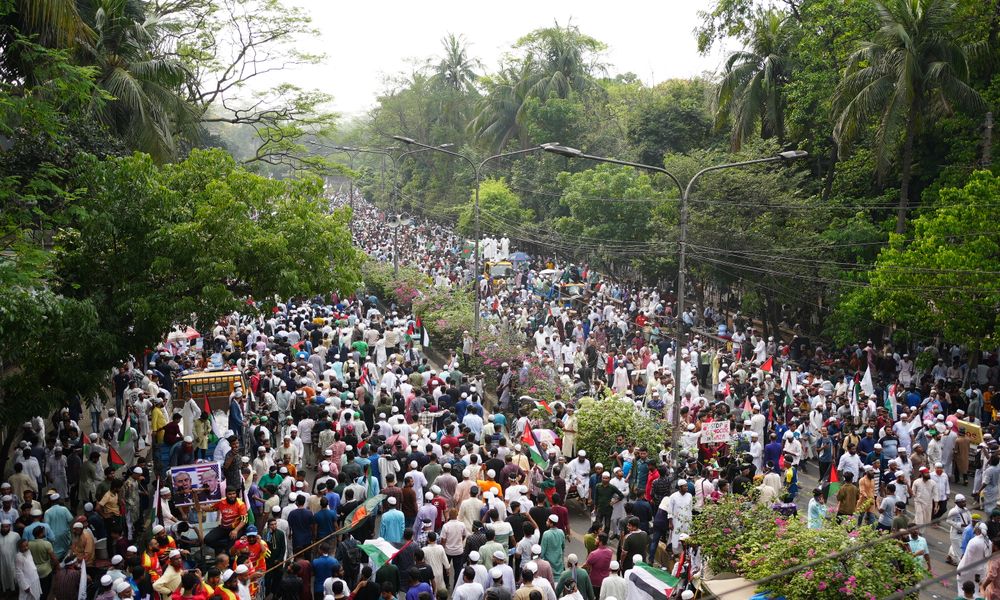
Political demonstrations, rallies, and general strikes (locally known as hartals) continue to take place sporadically in urban centers like Dhaka and Chittagong. Even protests that begin peacefully can quickly escalate into violent clashes between opposing groups or security forces. During hartals, public transit is often paralyzed, and incidents of arson or vandalism are not uncommon. Travelers must avoid all political gatherings, rallies, and large crowds, as conditions can change on very short notice.
Crime Rates and Danger Hotspots
In major cities, particularly Dhaka and Chittagong, petty crime is the most common threat faced by tourists. Pickpocketing, purse snatching, and muggings are frequent in crowded spaces such as busy markets, bus terminals, and railway stations. While violent crime against foreigners is statistically rare, armed robberies and assaults do occur, especially late at night in poorly lit areas. It is critical to note that crimes are typically situational rather than targeted; criminals usually look for easy opportunities rather than targeting foreign nationalities specifically.
However, certain urban neighborhoods require higher vigilance. In Dhaka, busy commercial hubs like Sadarghat (the main river port), Farmgate, and the narrow lanes of Old Dhaka present high risks for petty theft. Residential areas popular with expats, such as Gulshan, Banani, and Baridhara, are generally safer due to heavier police presence and private security, but opportunistic crimes still occur near major hotels and shopping complexes.
Areas to Avoid: The Chittagong Hill Tracts
While most of Bangladesh can be visited with an increased level of caution, certain regions are strictly off-limits or require specialized authorization. The Chittagong Hill Tracts (CHT), which includes the districts of Rangamati, Khagrachari, and Bandarban, are classified as high-risk areas. The U.S. State Department maintains a Level 4: Do Not Travel warning for this region, while the UK Foreign, Commonwealth & Development Office (FCDO) advises against all but essential travel to the CHT.
The primary reasons for these severe warnings include politically motivated violence, tribal conflicts, kidnapping risks, and sporadic clashes between local ethnic groups and security forces. Furthermore, military checkpoints are common, and foreign nationals are required to provide at least 10 days' notice to Bangladeshi authorities before attempting to enter the Chittagong Hill Tracts.
Additionally, the Bangladesh-Myanmar border, especially around the subdistricts of Ukhia and Teknaf in the southern Cox's Bazar district, is another volatile zone. This area houses massive Rohingya refugee camps and is a hotspot for drug-related gang violence, including armed clashes and kidnappings. Travelers are strongly urged to steer clear of these border zones unless traveling as part of an official humanitarian deployment with pre-approved security protocols.
Essential Health and Medical Advice: Mitigating Local Risks
When discussing travel safety bangladesh 2026, health security is just as important as physical security. Bangladesh's tropical climate, high population density, and developing healthcare infrastructure expose travelers to several unique medical risks, particularly in the hot and humid month of May.
Vaccinations and the Measles Outbreak
One of the most pressing health crises facing the country is a massive, highly contagious measles outbreak. According to the Directorate General of Health Services (DGHS) and reports from the World Health Organization (WHO), Bangladesh has registered over 62,500 suspected measles cases and more than 500 deaths since the outbreak flared up in mid-March. The outbreak has placed immense strain on local hospitals, particularly in Dhaka, which has logged the highest concentration of cases.
Because measles is incredibly contagious and can lead to severe complications such as pneumonia and encephalitis, it is absolutely critical that any traveler visiting Bangladesh is fully immunized. The Centers for Disease Control and Prevention (CDC) strongly recommends that travelers receive two doses of the MMR (Measles, Mumps, and Rubella) vaccine before departure. If you are traveling with infants or young children, consult your travel clinic well in advance, as they are the most vulnerable group in this outbreak.
In addition to the MMR vaccine, travelers should ensure they are up-to-date on routine immunizations and secure vaccinations for the following:
- Hepatitis A and Typhoid: High risks of food and water contamination make these vaccines essential for all travelers.
- Japanese Encephalitis: Recommended if you plan to spend significant time in rural areas, particularly near agricultural zones or during outdoor activities.
- Rabies: Highly recommended due to the abundance of stray dogs and monkeys in both urban and rural settings.
- Hepatitis B: Crucial for long-term travelers or anyone who might require medical procedures or tattooing.
- Yellow Fever: Proof of vaccination is required if you are traveling from a country with a risk of yellow fever transmission.
The Danger of Nipah Virus and Waterborne Illnesses
Another highly dangerous local health risk in Bangladesh is Nipah Virus (NiV). This zoonotic virus is transmitted to humans from fruit bats, primarily through the consumption of raw date palm sap that has been contaminated with bat saliva or urine. Outbreaks typically occur in the northwestern Rajshahi Division, aligning with the traditional sap-harvesting season. Nipah virus has an extremely high fatality rate (ranging from 40% to 75%), and there is currently no vaccine or specific antiviral treatment available. Travelers must strictly avoid drinking raw date palm sap, eating partially eaten forest fruits, or visiting areas where bats are known to roost.
Furthermore, vector-borne illnesses like dengue fever and chikungunya are prevalent. May marks the transition into the monsoon season, creating stagnant water pools that serve as breeding grounds for *Aedes* mosquitoes. Using a high-quality insect repellent containing DEET or Picaridin, wearing long-sleeved clothing, and sleeping under insecticide-treated bed nets are mandatory precautions to avoid mosquito bites.
Water Safety and Food Hygiene Best Practices
A common issue for travelers in South Asia is traveler's diarrhea. To maintain your health and ensure your trip isn't cut short, you must strictly control what you consume. Tap water in Bangladesh is not safe to drink. It is frequently contaminated with bacteria, viruses, and in some areas, naturally occurring arsenic. Use only sealed bottled water for drinking, brushing your teeth, and washing food. Avoid ice in drinks, as it is often made from untreated municipal water.
When it comes to food, follow the golden rule of travel hygiene: "boil it, cook it, peel it, or forget it." Street food is a major part of the local culture, but it presents a high risk of foodborne illnesses. If you choose to sample street delicacies, select vendors with a high turnover of local customers, and ensure the food is freshly cooked and served piping hot. Avoid raw salads, unpeeled fruits, and undercooked meat or seafood.

Transportation Safety Tips: Navigating Bangladesh Roads and Rivers
Getting around Bangladesh is an adventure in itself, but the transport infrastructure poses some of the highest daily risks to travelers. Whether traveling by road, rail, or river, understanding local transport dynamics is a key component of your safety planning.
Highway Hazards and Urban Traffic
Bangladesh's roads are notoriously chaotic. Traffic congestion in Dhaka is among the worst in the world, with commutes often taking hours for short distances. More importantly, road safety standards are very low. Driving practices are aggressive, traffic laws are rarely enforced, and vehicles—ranging from overloaded buses to slow-moving cycle rickshaws—frequently weave through traffic without warning. Highway travel at night is exceptionally dangerous due to poorly lit roads, unlit vehicles, and fatigued long-haul drivers. Additionally, seasonal flash flooding during May can wash out roads and create massive travel bottlenecks, particularly in northeastern divisions like Sylhet.
To minimize road risks, travelers should follow these guidelines:
- Avoid public buses: Local buses are frequently involved in serious accidents and are highly crowded, making them hotspots for pickpockets.
- Utilize ridesharing apps: In major cities, app-based services like Uber and Pathao are widely available, affordable, and far safer than hailing unmetered CNGs (three-wheeled motorized rickshaws) on the street.
- Hire private drivers: For intercity travel, hiring a private air-conditioned vehicle with an experienced, reputable driver through your hotel or a trusted travel agency is the safest option.
- Ride the Metro: Inside Dhaka, utilizing the clean and secure Dhaka Metro Rail (MRT Line 6) is an excellent way to bypass street traffic safely.
River Ferry and Launch Safety
Because Bangladesh is a riverine nation, ferries and passenger launches are a popular and scenic way to travel, particularly between Dhaka and southern districts like Barishal. However, river travel carries inherent dangers. Overcrowded ferries, poor vessel maintenance, and sudden tropical storms can lead to maritime disasters. May is a transitional month characterized by severe pre-monsoon storms known locally as Nor'westers, which can capsize smaller vessels within minutes.
Before boarding any ferry, assess its condition. If a boat looks heavily overloaded, do not board it. Avoid traveling during heavy rain or high winds, and monitor local weather forecasts closely. It is also wise to locate the vessel's life jackets as soon as you board, as emergency equipment is often poorly distributed.

Cultural Etiquette and Local Customs Travelers Should Know
Respecting local traditions is not only polite, but it also directly impacts your safety. Bangladeshis are incredibly warm, curious, and welcoming to foreigners, but the country remains deeply conservative and traditional. Behaving inappropriately can cause offense and, in rare cases, attract unwanted negative attention.
Dress Code and Public Decorum
Bangladesh is a Muslim-majority country, and modesty in attire is highly valued. Travelers should dress conservatively to respect local sensitivities and avoid attracting excessive attention:
- For Women: It is highly recommended to wear loose-fitting clothing that covers the shoulders, chest, and legs. Wearing a traditional salwar kameez (a long tunic paired with loose trousers and a scarf) is deeply appreciated by locals and serves as an excellent way to blend in. Carrying a light scarf (dupatta) is useful for covering your head when entering religious sites.
- For Men: Men should wear long trousers and collared shirts or neat t-shirts. Shorts are generally viewed as underwear or athletic wear and are inappropriate for public streets or religious venues.
Public displays of affection (PDA), such as holding hands, hugging, or kissing, are culturally taboo and should be avoided entirely, regardless of your relationship status.
Interacting with Locals and Religious Sites
When visiting mosques or temples, always remove your shoes before entering. Ensure your clothing covers your knees and shoulders. In some mosques, women may be restricted from entering certain sections, so it is important to observe posted signs or ask a local guide.
Staring is a common occurrence in Bangladesh. Foreigners—especially those traveling off the typical tourist path—will often find themselves surrounded by curious onlookers. In almost all cases, this staring is driven by friendly curiosity rather than hostility. Smile, offer a polite nod, or engage in light conversation; many locals simply want to practice their English and ask which country you are from. However, if you ever feel uncomfortable or overwhelmed, politely excuse yourself and move to a more private space like a hotel lobby or a restaurant.
Additionally, always use your right hand when shaking hands, offering money, or eating. The left hand is traditionally associated with personal hygiene and is considered unclean for social interactions.

Best Practices for Staying Safe as a Tourist
While Bangladesh presents unique challenges, most visits are completed without incident if travelers follow basic safety protocols. Incorporating smart travel habits into your daily routine will go a long way in ensuring your safety remains uncompromised.
Keep your valuable items secure at all times. Avoid wearing flashy jewelry, expensive watches, or carrying large sums of cash. Use a money belt or a secure cross-body bag to store your passport, credit cards, and cash. It is highly advisable to leave your original passport and primary credit cards in your hotel's safety deposit box, carrying only a high-quality photocopy of your passport's bio-data page and Bangladesh visa stamp with you.
Keep digital copies of all your travel documents—including your travel insurance policy, flight tickets, and hotel bookings—stored securely on a cloud-based service or emailed to yourself. For more insights on securing your belongings, you can browse our travel safety blog, which features guides on packing secure gear and traveling through high-density urban zones.
Before arriving in Bangladesh, register your trip with your home country's government travel registration system. For U.S. citizens, this is the Smart Traveler Enrollment Program (STEP), which allows the local embassy to contact you and provide assistance in the event of a natural disaster, political crisis, or family emergency. Similarly, Australian travelers should consult the Australian Government's Smartraveller portal to register their travel plans and stay informed of changing security situations.
Emergency Contacts and Useful Bengali Phrases
In the event of an emergency, having quick access to local authorities and basic language skills can make a significant difference. Save these essential emergency numbers to your phone before your departure.
National Emergency Helpline
The universal emergency number in Bangladesh is 999. This toll-free number connects you directly to the police, fire service, and ambulance dispatch. While operators in major cities often speak English, calls from remote areas may be handled in Bengali, so having a local guide or hotel staff member assist you is highly beneficial.
Embassy Contact Information in Dhaka
- U.S. Embassy Dhaka: Madani Avenue, Baridhara, Dhaka 1212. Phone: +88-02-5566-2000.
- UK High Commission Dhaka: United Nations Road, Baridhara, Dhaka 1212. Phone: +88-02-5566-8700.
- Australian High Commission Dhaka: 184 Gulshan Avenue, Gulshan 2, Dhaka 1212. Phone: +88-02-5881-3101.
- Canadian High Commission Dhaka: House 16A, Road 48, Gulshan 2, Dhaka 1212. Phone: +88-02-5566-8400.
Useful Bengali Phrases for Travelers
Learning a few basic words in the local language, Bengali (Bangla), can help you ask for directions, seek immediate assistance, or de-escalate stressful situations:
- "Sahajjo krun" (pronounced sah-hah-joh kroon) – Help me!
- "Ami bipode porechi" (pronounced ah-mee bih-pod-eh poh-reh-chee) – I am in trouble.
- "Police dakun" (pronounced *poh-lees dah-koon*) – Call the police.
- "Ami rasta hariyechi" (pronounced ah-mee rahs-tah hah-ree-yeh-chee) – I am lost.
- "Koto?" (pronounced *koh-toh*) – How much? (Useful to avoid overcharging).
- "Dhonnobad" (pronounced *dhon-noh-bahd*) – Thank you.
How TripGuard360 Helps Monitor Your Trip Safety in Real-Time
Even with the best preparation, the safety environment in Bangladesh can shift rapidly. A localized protest can close roads in Dhaka, a pre-monsoon storm can disrupt river travel, or a sudden surge in the measles outbreak can overwhelm hospitals in a district you planned to visit. This is where TripGuard360 becomes your ultimate travel companion.
TripGuard360 is a cutting-edge real-time safety monitoring platform designed to keep travelers informed, connected, and secure. Unlike static travel advisories, TripGuard360 provides dynamic, hyper-localized alerts directly to your smartphone. Here is how our platform enhances your journey:
- Instant Alert Notifications: Receive real-time push alerts about political protests, transport strikes (hartals), severe weather conditions, or local medical emergencies happening in your immediate vicinity.
- 24/7 Security Assistance: Access a direct line to security experts who can guide you through emergencies, help coordinate evacuations, or provide advice on navigating local disruptions.
- Interactive Safety Mapping: View live-updating maps showing local safety ratings, high-risk areas to avoid, and the nearest verified medical facilities and embassies.
- GPS Check-ins: Allow family members or your corporate security team to monitor your safety status via automated, secure GPS check-ins.
By integrating TripGuard360 into your itinerary, you ensure that you are never left in the dark, allowing you to focus on the incredible cultural experiences Bangladesh has to offer. For more advice on other South Asian destinations, you can explore our travel guides.
Conclusion: Secure Your Bangladesh Journey
Bangladesh is a land of stunning natural beauty, rich history, and some of the most genuinely welcoming people you will ever meet. From cruising the winding waterways of the Sundarbans to exploring the bustling historic alleyways of Dhaka, a journey here is unforgettable. However, navigating the country demands active situational awareness, careful health preparation—especially concerning the ongoing measles outbreak—and a reliable safety net.
Do not leave your safety to chance. By packing a strong sense of cultural respect, taking necessary medical precautions, and utilizing modern safety tools, you can experience the best of Bangladesh with complete peace of mind.
Protect your journey today. Sign up for TripGuard360 and experience the confidence of having a personal security team in your pocket. Stay informed, stay safe, and explore Bangladesh with the ultimate peace of mind.