Is El Salvador Safe in 2026? What You Must Know
Why Travelers Are Flocking to El Salvador in 2026
For decades, El Salvador was a destination that most mainstream travelers actively avoided. Tagged with the unenviable title of "the homicide capital of the world" during the 2010s, the country was widely associated with gang warfare, volatile security, and systemic instability. But fast forward to May 2026, and El Salvador is experiencing one of the most remarkable, rapid, and discussed transformations in modern tourism history. Today, the country has emerged as a vibrant Central American jewel, drawing surfers, hikers, digital nomads, and history buffs from all corners of the globe.
Travelers are flocking to El Salvador for its spectacular geographic diversity packed into a relatively small territory. The country offers world-class surf breaks along its Pacific coastline, pristine volcanic lakes, lush cloud forests, and charming colonial towns—all accessible within a few hours' drive of one another. The world-famous "Surf City" initiative has turned sleepy coastal villages into bustling hubs of international tourism, where travelers can ride legendary waves at El Tunco, El Zonte, and El Sunzal. Beyond the coast, the majestic Santa Ana Volcano (Ilamatepec) beckons adventurers to hike to its turquoise, sulfuric crater lake, while the colonial town of Suchitoto offers a peaceful retreat characterized by cobblestone streets and indigo-dyeing workshops. History enthusiasts are captivated by archaeological wonders like Joya de Cerén—a UNESCO World Heritage site known as the "Pompeii of the Americas" because it was perfectly preserved under volcanic ash.
Furthermore, El Salvador's bold decision to adopt Bitcoin as legal tender has turned the nation into a global sandbox for digital nomads and tech-forward travelers. Despite these exciting changes, the rapid transition has left many potential visitors asking critical questions: Is El Salvador actually safe now? What are the current legal and health rules on the ground in 2026? How should I prepare for a trip in the month of May? In this comprehensive travel safety guide, we analyze the current security climate, detail essential health and transport advice, and provide the ultimate roadmap for navigating travel safety el salvador 2026 so you can explore this captivating country with confidence and peace of mind.

Current Security Overview & Travel Safety El Salvador 2026
The statistical decline in violent crime in El Salvador is nothing short of unprecedented. Historically, the country peaked in 2015 with a staggering homicide rate of 106 murders per 100,000 people, making it one of the most dangerous places outside of an active war zone. By contrast, El Salvador closed the year 2025 with just 82 homicides nationwide, representing a historic low homicide rate of 1.3 per 100,000 residents. This dramatic drop of over 98% has shifted El Salvador's statistical security profile, making it safer from violent crime than many major municipal centers in the United States and Canada.
This massive security turnaround has been reflected in international travel warnings. According to the U.S. Department of State's El Salvador Travel Advisory, the country has been downgraded from high-risk advisory levels to a much safer tier, allowing travelers to comfortably explore. Similarly, the UK Foreign, Commonwealth & Development Office (FCDO) travel advisory acknowledges the extensive security gains and the near-total dismantling of organized street gangs. However, both governments remind travelers that the security model is sustained by extraordinary legislative measures, meaning that visitors must understand the local legal environment and maintain standard precautions against petty crime. For a broader perspective on safe destinations in Latin America, you can explore our travel guides to compare security profiles across the region.
Understanding the "Bukele Effect" and the State of Exception
The driving force behind this dramatic security shift is what locals and international observers call the "Bukele Effect". In response to a spike in gang violence, President Nayib Bukele implemented a country-wide State of Exception (Estado de Excepción) in March 2022. This emergency legislative decree has been continually renewed by the Legislative Assembly and remains fully active in May 2026. Under the State of Exception, several constitutional guarantees are suspended, including the requirement for a judicial warrant before an arrest, the right to immediate legal representation, and the privacy of communications.
This aggressive crackdown has resulted in the incarceration of more than 91,000 suspected gang members, effectively breaking the territorial control of notorious gangs such as Mara Salvatrucha (MS-13) and the 18th Street Gang (Barrio 18). For tourists, this means that the extortion, gang roadblocks, and localized violence that once plagued the country have virtually vanished. However, traveling under a State of Exception requires a unique set of safety behaviors:
- Cooperate fully with authorities: You will observe a heavy military and police presence across the country, particularly at highway checkpoints, public plazas, and neighborhood entrances. This is normal. If stopped, remain polite, calm, and cooperative.
- Carry physical identification: Always keep a physical photocopy of your passport's photo page and your Salvadoran entry stamp on your person. Keep your actual passport locked securely in your hotel safe.
- Avoid photographing sensitive assets: Do not take photographs or videos of military personnel, police operations, or government installations without explicit permission, as this can arouse suspicion.
- Understand the legal climate: Because constitutional protections are suspended, any association with gang symbols, hand signs, or suspicious behavior can lead to detention. As a tourist, stay clear of any civil protests or highly localized disputes.
Crucial Areas to Avoid and Safe Visitor Corridors
While El Salvador in 2026 is vastly safer than in previous decades, a smart traveler must still distinguish between designated visitor corridors and areas requiring high vigilance. The country's security infrastructure is heavily concentrated around primary tourism hubs, making these zones incredibly secure, while more remote regions require cautious planning.
The Safe Tourist Corridors:
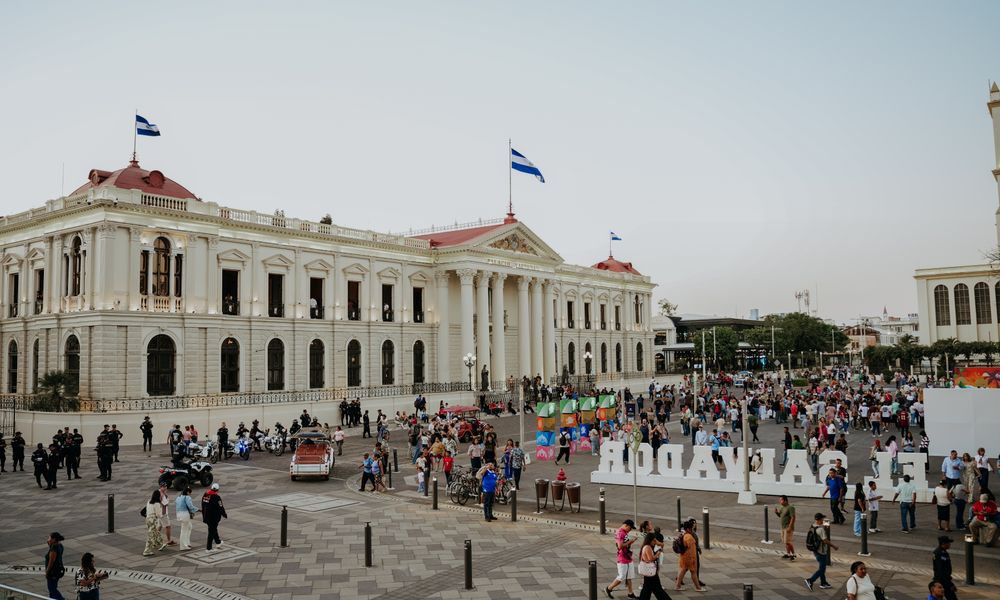
The coastal strip of the La Libertad department—commonly referred to as the Surf Coast—is exceptionally safe and heavily monitored by POLITUR (the specialized tourist police force). Towns like El Tunco, El Zonte, El Sunzal, and San Blas are fully accustomed to international visitors, offering well-lit walking paths, active nightlife, and a welcoming atmosphere. In the capital city of San Salvador, upmarket neighborhoods such as Zona Rosa, Colonia San Benito, Escalón, and Santa Elena are highly secure, hosting international embassies, major shopping malls like Multiplaza, and upscale dining. The revitalized Historic Center (Centro Histórico) of San Salvador, which was once a dangerous no-go zone, is now a beautifully illuminated public square where families, tourists, and locals gather late into the night to enjoy the National Palace and local cafes. Other highly secure destinations include the scenic mountain towns along the Ruta de las Flores (such as Concepción de Ataco, Juayúa, and Apaneca) and the serene colonial lakeside town of Suchitoto.
Areas to Avoid or Approach with Caution:
In contrast, certain areas still demand elevated caution. The northern border regions along the Honduran frontier—specifically parts of the Chalatenango and northern Cabañas departments—have a much sparser police presence and are known corridors for irregular migration and smuggling. Travelers should avoid wandering off-trail in these remote border zones. Additionally, while gang control has been dismantled in urban areas, peripheral neighborhoods in the outskirts of San Salvador, such as Soyapango, Ilopango, and Ciudad Delgado, remain highly industrial or dense residential zones. These areas lack tourist infrastructure and are still subject to occasional military cordons and security sweeps. Unless you are traveling with a trusted local guide for a specific purpose, there is little reason for a tourist to visit these neighborhoods.
Solo Travel and Women's Safety in El Salvador
Solo travel, including solo female travel, has surged in El Salvador due to the improved security environment. Many backpackers and digital nomads navigate the country independently without incident. However, standard travel precautions should still be observed to mitigate risks. Solo travelers should avoid walking alone on unlit beaches or quiet city streets after dark. When enjoying the vibrant nightlife in El Tunco or San Salvador's Zona Rosa, keep a close eye on your drinks and avoid accepting open beverages from strangers to prevent the risk of drink spiking. It is highly recommended to arrange transport in advance or use GPS-tracked ride-sharing applications rather than hailing unmarked taxis late at night. Staying connected with family, utilizing real-time tracking apps, and choosing highly rated hostels or surf camps with active social communities can significantly enhance your safety and overall travel experience.
Health, Medical Advice, and Vaccination Requirements for El Salvador 2026
A comprehensive safety strategy goes beyond preventing crime; protecting your physical health is equally vital to ensuring a smooth vacation. When analyzing travel safety el salvador 2026, environmental health, disease prevention, and food safety are key factors to consider, especially during the month of May, which marks the transition into the tropical wet season.
Essential Vaccinations and Medications for El Salvador
Before packing your bags for El Salvador, you should consult your healthcare provider or a specialized travel clinic at least 4 to 6 weeks before departure. According to the health guidelines published by the U.S. Centers for Disease Control and Prevention (CDC) for El Salvador, all travelers must ensure they are up-to-date on routine vaccinations. These include the measles-mumps-rubella (MMR) vaccine, diphtheria-tetanus-pertussis (Tdap) vaccine, varicella (chickenpox) vaccine, polio vaccine, and a yearly influenza immunization.
In addition to routine immunizations, several travel-specific vaccinations are strongly recommended for El Salvador:
- Hepatitis A: Recommended for all travelers. The virus is highly contagious and can be contracted through contaminated food or water in El Salvador, regardless of whether you are staying in luxury resorts or budget hostels.
- Typhoid: Highly recommended for most travelers, especially those who plan to visit smaller towns, rural regions, or adventurous travelers who want to sample local street foods. Typhoid is transmitted through contaminated food and water.
- Hepatitis B: Recommended for travelers who might receive medical treatment, get a tattoo or piercing, or have new sexual partners while traveling.
- Yellow Fever: Yellow fever is not endemic to El Salvador, but the local government strictly requires proof of a Yellow Fever vaccination certificate if you are arriving from a country with a risk of yellow fever transmission (such as specific countries in South America and Sub-Saharan Africa). If your flight has a layover in one of these countries, ensure you check the entry regulations carefully.
- Rabies: El Salvador has a prominent population of street dogs and feral animals. The rabies vaccine is recommended for long-term travelers, outdoor adventurers who plan on hiking or spelunking, and anyone who might come into contact with local wildlife.
Vector-Borne Diseases: Mosquito Protection in May
The month of May marks the beginning of the tropical rainy season in El Salvador. While this brings beautiful, lush green landscapes, it also results in a significant increase in the mosquito population. In El Salvador, mosquitoes are vectors for several tropical diseases, including Dengue, Zika, and Chikungunya. Currently, the risk of Malaria in El Salvador is classified as extremely low, but preventing mosquito bites remains your primary line of defense against other serious viral infections.
To protect yourself from mosquito-borne illnesses during May, apply an insect repellent containing at least 20% to 30% DEET, Picaridin, or Oil of Lemon Eucalyptus to exposed skin. Wear lightweight, loose-fitting, long-sleeved shirts and long pants, especially during the peak mosquito feeding times of dawn and dusk. When booking accommodation, opt for rooms equipped with air conditioning or secure window screens, or utilize a insecticide-treated mosquito net over your bed if staying in rustic eco-lodges or beach cabanas.
Safe Food and Drinking Water Practices
Contracting a foodborne illness or traveler's diarrhea can quickly ruin a highly anticipated trip. The most critical rule for preserving your gastrointestinal health in El Salvador is simple: do not drink tap water. Municipal tap water throughout the country is not treated to international potable standards. You should strictly consume bottled, purified, or boiled water. Use bottled water even when brushing your teeth, and make an effort to keep your mouth closed while showering. When ordering beverages in restaurants, check if the ice (hielo) is made from purified water (agua purificada). Fortunately, almost all hotels, surf camps, and tourist-oriented restaurants in San Salvador and La Libertad use commercially purified ice, but it is always wise to confirm.
When it comes to culinary safety, El Salvador's national dish—the delicious, cheese-filled pupusa—is generally a very safe food option. Pupusas are patted by hand and cooked on a blistering hot iron griddle (comal) right before your eyes, effectively killing any harmful pathogens. However, you should be cautious with the traditional accompaniments: curtido (a lightly fermented cabbage relish) and salsa de tomate (a watery tomato sauce). In small, low-turnover local stalls, these condiments can sit on tables at room temperature for hours, attracting flies and breeding bacteria. To enjoy street food safely, choose pupuserias with long lines of local families, indicating fresh food and rapid ingredient turnover. Lastly, avoid eating raw or undercooked seafood (such as local ceviches or cocteles de conchas) from un-refrigerated beachside stalls during the hot, humid afternoons of May.

Transportation Safety and Navigating El Salvador Safely
Navigating the terrain of El Salvador in 2026 is relatively straightforward, but choosing the right mode of transportation is critical to managing your overall safety. The country boasts some of the best-paved highways in Central America, yet local driving habits and public transit systems present distinct hazards that travelers must prepare for.
Public Buses vs. Taxis and Ride-Sharing Apps
The highly decorated, colorful public transit buses in El Salvador—commonly known as "chicken buses"—are an iconic symbol of Central American travel. While they are incredibly inexpensive and offer an authentic cultural experience, they are generally not recommended for international tourists for several safety reasons:
- Reckless driving habits: Chicken bus drivers often navigate winding mountain passes and busy urban streets at excessive, dangerous speeds, resulting in a high rate of traffic accidents.
- Target for petty crime: Public buses and crowded terminals remain primary hotspots for pickpocketing, bag-snatching, and opportunistic scams.
- Government prohibitions: U.S. government personnel and other diplomatic staff are officially prohibited from using public buses in El Salvador due to these persistent safety concerns.
The safest and most reliable alternative for navigating urban centers like San Salvador is to use GPS-tracked ride-sharing applications. Uber is widely available, highly affordable, and exceptionally safe to use in the capital and surrounding areas. For longer distances or transfers between the international airport (SAL) and coastal towns like El Tunco or El Zonte, we highly recommend booking private, registered shuttle services or coordinate transport directly through your hotel or surf resort.
Driving a Rental Car and Road Conditions
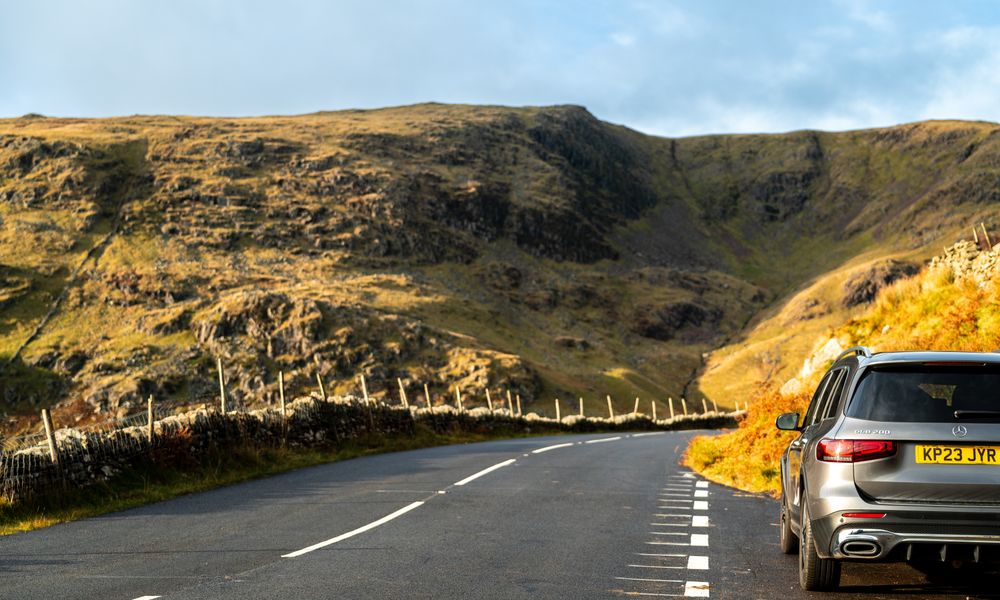
Renting a car in El Salvador gives you the ultimate freedom to explore remote beaches, mountain villages, and national parks at your own leisure. The country’s primary highways, such as the Pan-American Highway (CA-1) and the coastal Carretera del Litoral (CA-2), are in excellent condition and feature modern signage. However, driving a rental car in El Salvador requires sharp focus and defensive driving tactics.
Local drivers frequently ignore speed limits, overtake on blind curves along mountain roads, and change lanes without signaling. Furthermore, you should strictly avoid driving between departments or cities after dark. Many rural roads lack street lighting, and driving at night increases the risk of colliding with unlit vehicles, pedestrians walking along the shoulder, deep unmarked potholes, or wandering livestock such as cows, horses, and stray dogs.
Additionally, because May marks the beginning of the rainy season, you must be prepared for sudden, severe afternoon downpours. These torrential rains can rapidly reduce visibility to near-zero and trigger flash floods or mudslides along steep mountain roads, such as the routes winding through the Ruta de las Flores or up to the Santa Ana Volcano. Ensure your rental car has high-quality windshield wipers, and consider renting a 4x4 vehicle if you plan to navigate unpaved access roads leading to secluded surf spots or rural mountain lodges. Always purchase comprehensive rental car insurance to cover any unexpected damage from road hazards.
Cultural Etiquette, Local Customs, and Emergency Protocol in El Salvador
Respecting local culture and understanding daily customs will not only make your trip more enjoyable but will also help you avoid misunderstandings and keep you safe. Salvadorans (known colloquially as Guanacos) are incredibly warm, polite, and hospitable people who appreciate when visitors make an effort to understand their way of life.
Understanding Bitcoin and Currency Etiquette
Since making global headlines by adopting Bitcoin as legal tender in 2021, El Salvador has integrated cryptocurrency into its national economic landscape. By May 2026, this dual-currency system has matured, but tourists should understand how to handle money transactions on the ground:
The official, standard currency of El Salvador is the U.S. Dollar (USD). ATMs are widely accessible in major cities and tourist areas, dispensing standard U.S. cash. If you wish to use Bitcoin, you can do so easily at major establishments, global fast-food chains, hotels, and almost all businesses along the coast of La Libertad (especially in El Zonte, the birthplace of Bitcoin Beach). Most transactions are processed instantly via the Lightning Network using standard Bitcoin wallets such as Strike, Chivo, or Muun. However, keep in mind that cash remains king for small-scale local transactions.
When traveling, always carry physical U.S. cash in small denominations ($1, $5, and $10 bills). Many family-owned pupuserias, street vendors, and local market stalls cannot provide change for $20 bills, and bills larger than $20 (such as $50 or $100 notes) are rarely accepted outside of high-end hotels and large supermarkets. Ensure your cash bills are clean, crisp, and free of major tears, as local merchants often refuse damaged currency.
Crucial Emergency Contacts and Spanish Safety Phrases
In the unlikely event that you face an emergency during your travels, having critical contact numbers saved in your phone and knowing basic Spanish phrases can help you secure assistance quickly. To learn more about navigating emergencies abroad, you can read our travel safety blog, which provides comprehensive tips for staying safe on international journeys.
Essential Emergency Telephone Numbers:
- 911: National Civil Police (PNC) / Emergency services
- 913: National Fire Department (Bomberos)
- 132: Medical Emergencies and Public Ambulances (SEM)
- +503 2501-2999: U.S. Embassy in San Salvador (for emergency consular services for American citizens)
While English is spoken by many younger people and staff at tourist hotels or surf camps, having a basic grasp of Spanish is invaluable for day-to-day safety. Practice these key phrases before your trip:
- ¡Ayuda! / ¡Auxilio! — Help!
- Necesito un médico. — I need a doctor.
- ¿Dónde está el hospital más cercano? — Where is the nearest hospital?
- Por favor, llame a la policía. — Please call the police.
- Me he perdido. — I am lost.
- ¿Es seguro caminar por aquí de noche? — Is it safe to walk around here at night?
- No me siento bien. — I do not feel well.
- Solo hablo un poco de español. — I only speak a little Spanish.
Stay Protected in Real-Time with TripGuard360
While El Salvador is safer in 2026 than it has been in decades, travel inherently involves unpredictable variables. From sudden weather changes as the May rainy season rolls in to sudden localized road closures or security checkpoints under the active State of Exception, keeping abreast of changing conditions can make a significant difference in your travel experience. That is where TripGuard360 becomes your ultimate travel companion.
TripGuard360 is an advanced, real-time travel safety platform designed to keep you informed and protected throughout your journey. By combining cutting-edge technology with up-to-the-minute local intelligence, TripGuard360 provides tourists with the tools they need to travel smarter:
- Location-Based Safety Alerts: Get instant, real-time push notifications on your smartphone if there is an active safety hazard, severe weather advisory, volcanic tremor, or traffic disruption in your immediate vicinity in El Salvador.
- State of Exception Monitoring: The security environment remains dynamic. TripGuard360 monitors active military checkpoints and localized security sweeps, letting you plan your transit routes smoothly and avoid unnecessary travel delays.
- 24/7 Virtual SOS Button: If you ever find yourself in a stressful situation, get lost in an unfamiliar neighborhood, or experience a medical emergency, you can trigger our in-app SOS button. This instantly sends your precise GPS coordinates to a dedicated security monitoring team, who will guide you to safety and coordinate directly with local emergency services or POLITUR.
- Seamless Integration with Vetted Guides: Access verified security reports, safe transport alternatives, and medical clinics near you. Our platform works hand-in-hand with our travel guides to give you a holistic, safe, and worry-free travel experience from the planning stages to your safe return home.
Conclusion: Safely Exploring El Salvador with Confidence
El Salvador's remarkable transformation in 2026 is a testament to what focus and sweeping security reforms can achieve. The country has successfully shed its dangerous reputation, replacing it with a welcoming, vibrant atmosphere that invites global exploration. In May 2026, you can comfortably surf the pristine Pacific swells of La Libertad, marvel at colonial plazas, and scale dramatic volcanic peaks with a level of safety that was once unimaginable. By respecting local laws under the State of Exception, maintaining standard health precautions against mosquitoes and tap water, and keeping a reliable safety companion at your side, you can embark on an unforgettable Central American journey.
Don't leave your travel security to chance. Experience El Salvador with ultimate peace of mind by activating your real-time safety companion today. Sign up for TripGuard360 to get real-time security alerts, professional emergency coordination, and comprehensive travel support tailored directly to your itinerary. Safe travels, and enjoy the wonders of El Salvador!