Is Ethiopia Safe in 2026? What Every Traveler Must Know
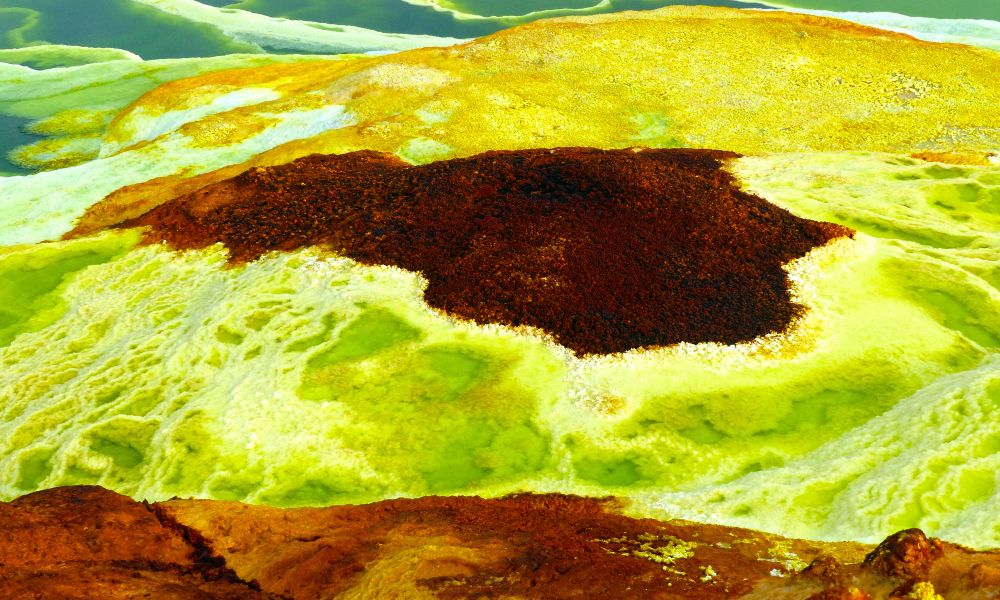
Ethiopia, often referred to as the "Land of Origins," remains one of the most culturally rich and geographically diverse destinations in the world. As we look toward May 2026, the allure of this ancient nation—ranging from the rock-hewn churches of Lalibela to the volcanic landscapes of the Danakil Depression—continues to draw intrepid explorers. However, navigating this complex landscape requires more than just a sense of adventure; it demands a sophisticated understanding of travel safety Ethiopia 2026. With its unique calendar, distinctive coffee culture, and deep-seated religious traditions, Ethiopia offers a travel experience unlike any other, provided you are well-prepared for the logistical and security challenges that persist in the region.
Travelers visit Ethiopia for its UNESCO World Heritage sites, its endemic wildlife like the Gelada baboon, and the spiritual energy of its highland festivals. Yet, the political and social climate can be volatile. Understanding the nuances of local security, health risks, and cultural expectations is the key to ensuring your journey is memorable for the right reasons. In this comprehensive guide, we will break down everything you need to know about staying safe while exploring the Ethiopian highlands and valleys in 2026.
Is it Safe to Visit Ethiopia in 2026? A Current Overview
The general safety level in Ethiopia for 2026 is characterized by a "Reconsider Travel" status from major Western governments. While the capital, Addis Ababa, remains a relatively stable diplomatic hub and the gateway for most international visitors, the security situation in outlying regions is subject to rapid change. According to the latest updates from the U.S. Department of State, travelers should exercise increased caution due to sporadic civil unrest, crime, and the potential for communication disruptions. The year 2026 sees a continuation of the country's efforts to stabilize post-conflict zones, but ethnic tensions and localized skirmishes remain a reality in several administrative regions.
Understanding the Civil and Political Landscape
Politics in Ethiopia are deeply intertwined with regional identity. While major conflict in the north has seen significant periods of de-escalation, localized "flashes" of violence can occur without warning. These events are often sparked by land disputes or political changes. In May 2026, as the country prepares for its next cycle of administrative shifts, travelers might encounter roadblocks or sudden internet shutdowns. The Ethiopian government has a history of restricting digital communications during times of unrest to prevent the spread of misinformation, which can leave tourists without access to GPS, banking apps, or contact with their embassies. Before setting out, it is essential to check our travel safety blog for the most recent updates on regional stability.
Street Crime and Opportunistic Theft in Addis Ababa
In the bustling metropolis of Addis Ababa, the primary safety concern for tourists is petty theft. While violent crime against foreigners is statistically rare, pickpocketing and bag-snatching have become more sophisticated. Areas such as Meskel Square, the Mercato (Africa’s largest open-air market), and the Bole Medhanealem district are known hotspots for opportunistic thieves. These individuals often work in small groups, using distraction techniques such as "spitting" on a victim's clothes, feigning illness, or offering unsolicited help to create a moment of confusion. Always keep your valuables in a front pocket or a concealed money belt, and avoid using your smartphone conspicuously on busy street corners where "snatch-and-run" tactics are common.

Regional Breakdown: Navigating High-Risk vs. Tourist Zones
Ethiopia's safety profile varies drastically by province. In 2026, the "Northern Circuit" remains the primary focus for tourism, but even here, the situation requires constant monitoring. Most travel advisories, including those from GOV.UK, strictly advise against travel to border regions. Understanding where you can safely tread is the first step in planning your itinerary.
The Northern Circuit: Gondar, Lalibela, and Simien Mountains
The historical heart of Ethiopia, including the 12th-century churches of Lalibela and the castles of Gondar, is generally accessible to tourists in 2026. However, safety here is contingent on the stability of the Amhara region. Travelers are advised to fly directly between these hubs rather than driving long distances through rural areas where security checkpoints and "shifting loyalties" of local militias can pose a risk. In the Simien Mountains National Park, always hire a mandatory scout and an official guide. Not only is this a legal requirement, but these locals are also your primary source of real-time security information regarding the trails and surrounding villages.
The Southern Rift Valley and Omo Valley
The South Ethiopia Region, home to the culturally distinct tribes of the Omo Valley, is often seen as a safer alternative to the volatile north. While political conflict is less frequent here, inter-tribal tensions can occasionally flare up, particularly over cattle or resources. May marks the beginning of the rainy season in this region, which can make roads impassable and isolate travelers in remote camps. In 2026, it remains vital to visit these areas with a reputable tour operator who understands the current tribal dynamics and can navigate local customs without causing offense or drawing unwanted attention.
Areas to Avoid: Conflict Zones and Border Security
As of May 2026, certain areas remain strictly off-limits for safe travel. These include:
- The Tigray Region: Despite ongoing peace efforts, the infrastructure is still recovering, and the presence of unexploded ordnance (UXO) makes trekking hazardous.
- Border Areas: Stay at least 50 kilometers away from the borders with Sudan, South Sudan, Somalia, and Eritrea. These zones are prone to kidnapping, banditry, and cross-border incursions by armed groups.
- Western Oromia: Several zones in western and southern Oromia continue to experience high levels of insecurity and are currently considered "Do Not Travel" zones by most international safety agencies.
Essential Health and Medical Precautions for Ethiopia 2026
Your physical well-being is a critical component of travel safety Ethiopia 2026. Outside of Addis Ababa, medical facilities are extremely limited, and specialized care is often non-existent. In 2026, Ethiopia continues to face challenges with public health infrastructure, making self-reliance and comprehensive insurance a necessity.
Mandatory and Recommended Vaccinations
Before entering Ethiopia, ensure your routine vaccinations are up to date. The CDC recommends several specific boosters for travelers to East Africa. A Yellow Fever vaccination certificate is mandatory if you are arriving from a country with a risk of transmission. Additionally, consider the following:
- Typhoid and Hepatitis A: Essential for protecting against contaminated food and water.
- Meningococcal Meningitis: Ethiopia sits in the "Meningitis Belt," and the risk is highest during the dry season, which overlaps with early May.
- Polio: Ensure you have had a lifetime adult booster, as polio remains a concern in some remote regions.
- Rabies: Highly recommended if you plan on trekking or spending time in rural villages where stray dogs are prevalent.
Managing Malaria and Water-Borne Illnesses
Malaria is a significant risk in areas below 2,500 meters (8,200 feet). While Addis Ababa is high enough to be mostly malaria-free, popular destinations like the Omo Valley and the Danakil Depression are high-risk zones. In 2026, use a combination of prescription antimalarials (such as Malarone or Doxycycline) and mosquito avoidance strategies. This includes wearing long sleeves at dusk and using DEET-based repellents.
Water safety is another primary concern. Never drink tap water in Ethiopia. Cholera and Giardia are endemic, and even ice in drinks or salads washed in local water can lead to severe illness. Stick to bottled water with an unbroken seal, or use a high-quality portable water purifier. When eating out, follow the traveler’s mantra: "Boil it, cook it, peel it, or forget it."
Altitude Sickness and Environmental Risks
Much of Ethiopia’s "Northern Circuit" lies at an elevation of over 2,000 meters. Addis Ababa itself sits at 2,355 meters. Acute Mountain Sickness (AMS) can affect anyone, regardless of fitness level. Symptoms include headaches, nausea, and shortness of breath. To stay safe, acclimatize slowly, stay hydrated, and avoid alcohol for your first 48 hours at high altitude. If you are planning to trek in the Simien or Bale Mountains, consult with a doctor about carrying Acetazolamide (Diamox).

Transportation Safety: Getting Around the Land of Origins
Transport in Ethiopia is a double-edged sword. While domestic flight infrastructure is world-class, road travel remains one of the most significant safety risks in the country. In 2026, the way you choose to move between cities can determine the overall safety of your trip.
Domestic Air Travel with Ethiopian Airlines
For most travelers, domestic flights are the safest and most efficient way to travel. Ethiopian Airlines, a member of the Star Alliance, operates a comprehensive network connecting Addis Ababa to Gondar, Lalibela, Axum, Bahir Dar, and Arba Minch. Flying avoids the risks associated with road travel, such as localized unrest, banditry, and poor road conditions. In May 2026, ensure you book flights well in advance, as this is a popular time for domestic pilgrims and tourists alike. Always keep your passport and flight details in a secure digital vault in case of physical loss.
Public Transit, Taxis, and the 'Ride' App
Within Addis Ababa, the safest way to navigate the city is via ride-hailing apps like 'Ride' or 'Feres'. These platforms provide a digital record of your journey, the driver’s identity, and a pre-negotiated price, which significantly reduces the risk of scams or being stranded in unsafe neighborhoods. Avoid using the "blue and white" shared minibuses (Matatus) unless you are traveling with a local guide, as they are often overcrowded and are prime locations for pickpockets.
Inter-city bus travel (such as Selam Bus or Sky Bus) is generally safe during daylight hours, but night travel should be strictly avoided. Road lighting is non-existent in many areas, and the risk of livestock on the road or mechanical failure is high. Furthermore, the risk of "highway robbery" increases significantly after dark in the more remote stretches of the Oromia and Amhara regions.

Cultural Etiquette and Local Customs for a Safe Trip
Respecting local customs is not just a matter of politeness; it is a fundamental part of travel safety Ethiopia 2026. Ethiopia is a deeply conservative and religious society, primarily divided between Ethiopian Orthodox Christianity and Islam. Misunderstandings regarding local traditions can occasionally lead to confrontations.
Religion and Respectful Dress
In the highlands, the Orthodox Church is central to daily life. When visiting churches—especially the sacred sites of Lalibela—dress modestly. Women should cover their shoulders and wear long skirts or trousers; men should avoid shorts. Always remove your shoes before entering a church or a mosque. During fasting periods (which occur frequently throughout the year), many restaurants will only serve vegan dishes (fasting food). Being aware of these cycles shows respect and helps you integrate more smoothly into local life.
The Art of the Ethiopian Coffee Ceremony
Coffee (Buna) is the pride of Ethiopia. Being invited to a coffee ceremony is a mark of hospitality. To stay safe and respectful, never decline the first cup, as it is considered rude. The ceremony typically involves three rounds of coffee: Abol (the first), Tona (the second), and Baraka (the third, meaning "to be blessed"). Participating in these social rituals is an excellent way to build rapport with locals, who are often your best allies in navigating the complexities of the neighborhood you are staying in.
LGBTQ+ and Solo Traveler Safety
It is crucial to note that homosexuality is illegal in Ethiopia and carries significant social stigma. Public displays of affection between same-sex couples can lead to harassment, arrest, or violence. Discretion is mandatory for LGBTQ+ travelers. For solo travelers, particularly women, Ethiopia is generally welcoming, but you may face persistent attention from "touts" or "guides" in tourist areas. Maintaining a firm but polite "no" and avoiding walking alone at night in poorly lit areas of Addis Ababa are standard safety practices.
Best Practices for Staying Safe as a Tourist
To maximize your travel safety Ethiopia 2026, you should adopt a proactive security mindset. This means staying informed, keeping a low profile, and having a plan for when things go wrong.
- Register with Your Embassy: Use systems like the US Smart Traveler Enrollment Program (STEP) to receive real-time alerts.
- Digital Security: Download offline maps (like Maps.me) and use a VPN. Internet shutdowns can happen during protests, so always have a hard copy of your hotel address and emergency numbers.
- Money Matters: Ethiopia is largely a cash-based economy. While ATMs are available in Addis, they often run out of cash or don't accept international cards. Carry a mix of US Dollars (printed after 2013) and local Birr. Use hotel safes for large amounts of cash.
- Communication: Buy a local SIM card (Ethio Telecom is the primary provider) at Bole Airport upon arrival. This ensures you have access to local data networks which might stay active even if international roaming is throttled.
- Hire Licensed Guides: Always verify the credentials of guides through the Ethiopian Tour Operators Association. Unofficial "guides" often lead tourists into overpriced shops or unsafe areas.
How TripGuard360 Helps Monitor Your Trip Safety in Real-Time
Navigating a country as dynamic as Ethiopia in 2026 requires more than just a static guidebook. The security landscape can shift in hours, not days. This is where TripGuard360 becomes an essential tool for the modern traveler. Our platform provides real-time monitoring of local unrest, weather alerts (critical during the May rainy season), and health advisories tailored specifically to your itinerary.
With TripGuard360, you receive instant push notifications if a protest is planned near your hotel in Addis Ababa or if a road closure is reported on the route to Gondar. Our 24/7 support team can help you find the nearest accredited medical facility or provide translation services in an emergency. In a country where communication is often the first thing to be disrupted, having a dedicated safety partner ensures you are never truly alone.
Conclusion: Prepare for the Journey of a Lifetime
Ethiopia in May 2026 offers an unparalleled opportunity to witness a nation at the crossroads of antiquity and modernity. While the risks associated with travel safety Ethiopia 2026 are real, they are manageable with the right preparation, a respectful attitude, and a commitment to staying informed. By prioritizing your health, choosing safe transportation, and respecting the local culture, you can experience the profound beauty of the Simien Mountains and the spiritual depth of Lalibela without compromising your security.
Don't leave your safety to chance in the "Land of Origins." Sign up for TripGuard360 today to access real-time safety alerts, expert travel advice, and the peace of mind you need to truly immerse yourself in the Ethiopian experience. Visit our website to learn how we can protect your 2026 adventure.
Emergency Contacts and Useful Phrases
- Police (Addis Ababa): 991
- Ambulance (Red Cross): 907
- Fire Brigade: 939
- U.S. Embassy Addis Ababa: +251 11 130 6000
- Useful Phrase (Amharic): Selam (Hello)
- Useful Phrase (Amharic): Ameseginalehu (Thank you)
- Useful Phrase (Amharic): Ayizosh (Be strong - said to women in distress) / Ayizoh (to men)