Is France Safe in May 2026? 5 Crucial Rules for Travelers
Is France Safe in May 2026? A Current Safety Assessment
France remains one of the world's most alluring travel destinations, drawing millions of visitors each year to its historic cities, rolling vineyards, and sun-drenched coastlines. As spring reaches its peak, travelers planning a spring getaway are asking a crucial question: is france safe in may 2026? The short answer is yes—France is fundamentally safe for international tourists. However, navigating the country during this specific time of year requires an understanding of its unique safety landscape, security protocols, and potential travel disruptions.
To help you prepare, we have synthesized the latest assessments from leading global authorities. Currently, the U.S. Department of State's France Travel Advisory maintains a Level 2: Exercise Increased Caution rating, citing the ongoing risk of terrorism and civil unrest. Similarly, the Government of Canada's Travel Advice for France recommends that travelers exercise a high degree of caution, while the UK Foreign, Commonwealth & Development Office (FCDO) travel advice for France outlines specific warnings regarding localized protests and petty crime. While these advisories can sound alarming, they reflect ongoing, long-term conditions rather than an active emergency. By understanding these risks, you can plan an incredible, trouble-free trip.
Current Counter-Terrorism Measures and the Vigipirate Plan
In response to geopolitical tensions and a historically active threat environment, France continues to operate under its nationwide counter-terrorism security system, known as Vigipirate. This system has three distinct alert levels: Vigilance, Enhanced Security/Risk of Attack, and the highest level, Attack Emergency. As of May 2026, France operates under a highly visible, reinforced security posture across major urban hubs and transport networks.
For travelers, the most visible manifestation of the Vigipirate plan is Operation Sentinelle—an active military deployment featuring armed patrols in public spaces. It is completely normal to see heavily armed soldiers and national police officers patrolling train stations, airports, shopping malls, places of worship, and major tourist attractions like the Eiffel Tower or the Louvre. Far from being a cause for panic, this security presence is designed to deter threat actors and provide rapid response capabilities. Travelers should remain alert in crowded areas, report unattended baggage to transit staff immediately, and always follow the instructions of local authorities.
Civil Unrest and Political Protests in France This Month
Protest culture is deeply woven into the fabric of French society. Demonstrations (known locally as manifestations) are a regular occurrence, particularly in Paris, Lyon, Marseille, and Nantes. In May 2026, political tensions remain moderate but highly localized. Trade unions and activist groups frequently organize marches to voice concerns over economic policies, labor reforms, and environmental regulations.
While the vast majority of French protests are planned, heavily policed, and entirely peaceful, some gatherings can become volatile. Splinter groups can occasionally clash with law enforcement, leading to property damage, localized looting, and the deployment of tear gas or water cannons by the CRS (French riot police). The primary threat to tourists during these events is not targeted violence, but rather getting caught in the crossfire of crowd control measures or experiencing major transportation delays.

Key Regional Risks and What's Changed Since Last Year
To accurately answer if is france safe in may 2026, it is helpful to look back at the previous year. In May 2025, France was actively managing the transitional phase of security infrastructure following the massive logistical undertaking of the 2024 Paris Olympic Games. Moving into May 2026, those temporary security zones have completely dissolved, but the municipal policing upgrades have remained. Paris and other major cities now benefit from permanently expanded CCTV surveillance networks and a higher density of street-level municipal officers, which has helped suppress some categories of violent crime.
However, petty crime remains a persistent nuisance. Pickpocketing, phone snatching, and coordinated distraction scams are still the most common crimes encountered by tourists in France. To find more strategies for protecting your belongings while on the move, explore our travel safety blog for deep dives into securing your digital and physical assets, or consult our travel guides for neighborhood-by-neighborhood breakdowns of major French cities.
Crime Statistics and Common Tourist Scams in Paris
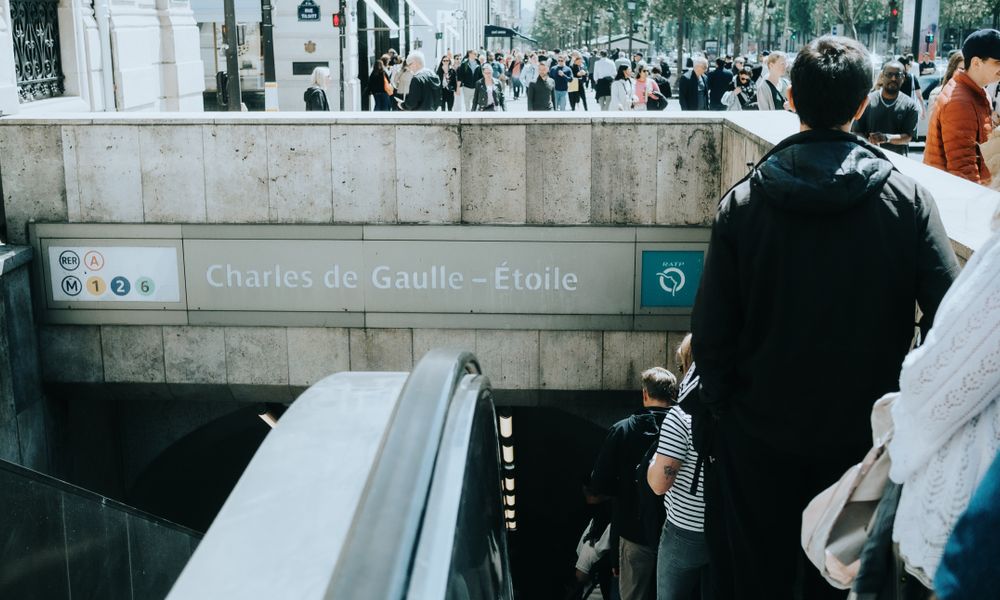
Paris is historically a safe city regarding violent crime, but it is a global hotspot for opportunistic petty theft. Pickpockets operate in organized teams, often utilizing minors who are less likely to face severe legal consequences. These thieves are highly sophisticated and target distracted tourists in crowded environments, especially on the Paris Metro (specifically Lines 1, 2, 4, and 9) and inside major transit terminals like Gare du Nord and Châtelet-les-Halles.
Understanding the anatomy of local scams is your best defense. If you are exploring Paris in May 2026, be on the lookout for these prevalent schemes:
- The Fake Petition: Groups of young people, often pretending to represent deaf or disabled charities, will approach you with a clipboard. While you are distracted reading or signing the petition, an accomplice will reach into your pockets or bag.
- The Gold Ring: A scammer walks in front of you, pretends to pick up a gold ring from the ground, and asks if you dropped it. When you say no, they insist you keep it as a sign of good luck, only to demand a "reward" or payment afterward.
- The Friendship Bracelet: Highly active near the steps of the Sacré-Cœur Basilica in Montmartre, aggressive sellers will attempt to tie a colorful thread bracelet around your wrist. Once attached, they will demand a steep payment and block your path if you try to leave.
- The Metro Ticket "Helper": Scammers hang around automated ticket kiosks in metro stations, offering to help you buy discounted tickets. They will take your cash but print out worthless child-rate tickets, pocketing the difference and leaving you to face hefty fines from transit inspectors.
Safety Along the French Riviera (Cannes and Nice)
May is the official kickoff of the glamorous summer season on the Côte d'Azur (French Riviera). This month brings two massive international events: the 79th Cannes Film Festival (running May 12–23, 2026) and the nearby Monaco Grand Prix (taking place in early June). This concentration of global elites, high-net-worth individuals, and tourists creates a lucrative target environment for sophisticated, organized crime syndicates.
While the overall safety level in Nice, Cannes, and Antibes is high, visitors must remain vigilant against luxury-focused theft. High-end watch thefts—where teams on scooters target pedestrians wearing luxury timepieces—have seen a rise in recent years. Additionally, vehicle break-ins (especially targeting rental cars) are common in coastal parking lots near popular beaches and hiking trails. Never leave bags, passports, or electronics visible inside a parked vehicle, even for a few minutes.
Seasonal Travel Disruption, Strikes, and Weather Risks
Beyond security and crime, the most practical hazard you will face when asking is france safe in may 2026 relates to transit disruptions. May is a notoriously challenging month for logistics in France due to a high concentration of public holidays and the French cultural phenomenon known as "faire le pont" (making the bridge). When a national holiday falls on a Tuesday or a Thursday, many French workers take the Monday or Friday off as well, creating extended four-day weekends. This leads to reduced staffing in public services, widespread closures of banks and shops, and a dramatically increased likelihood of organized labor strikes.
Flight Disruptions and Air Traffic Controller Strikes
France’s aviation sector is highly susceptible to industrial action, particularly in the spring. French air traffic controllers (ATC) frequently initiate strikes during May to leverage maximum impact during the early-season travel surge. Because of France's central geographical location in Western Europe, a strike by French ATCs does not just disrupt flights landing in Paris, Nice, or Lyon; it also causes a massive cascading effect that delays or cancels flights crossing French airspace between Spain, Italy, the UK, and Germany.
If you are flying to or within Europe in May 2026, it is highly recommended to monitor your airline's app closely, purchase comprehensive travel insurance that includes robust trip interruption coverage, and avoid booking tight connection windows. Major airports like Paris Charles de Gaulle (CDG) and Paris Orly (ORY) can experience severe congestion and sudden scheduling shifts during strike actions.
Navigating French Public Holidays and Strikes in May
To avoid being stranded or finding yourself without access to food and services, it is vital to mark the French holiday calendar for May 2026 on your itinerary. During these days, expect reduced train schedules (SNCF), closed museums, and shuttered businesses:
- May 1 (Friday) – Labor Day (Fête du Travail): This is the most significant holiday of the month. Nearly all public transit systems, including the Paris Metro, operate on highly restricted schedules or shut down entirely. Museums, restaurants, and shops will be closed. May Day is also historically marked by massive, highly organized union demonstrations across all major cities, which carry an elevated risk of localized clashes with police.
- May 8 (Friday) – Victory in Europe (VE) Day (Fête de la Victoire 1945): Commemorating the end of World War II, this day features official military parades, particularly around the Arc de Triomphe in Paris. While safe, expect extensive road closures and security checkpoints in central city districts.
- May 14 (Thursday) – Ascension Day (Ascension): A religious and national holiday. Because this falls on a Thursday, the vast majority of the country will "make the bridge" on Friday, May 15. Expect heavy traffic on highways (Bouchons) as locals head to coastal regions, along with fully booked trains.
- May 24 & 25 (Sunday & Monday) – Pentecost and Whit Monday (Pentecôte): Another three-day weekend resulting in bank closures, reduced public transit schedules, and packed regional destinations.

Health Advisories, Entry Rules, and Practical Safety Tips
Evaluating the health and administrative landscape is a key element of planning a safe trip. France features a world-class healthcare system, with excellent public and private hospitals, as well as an extensive network of pharmacies (identifiable by their glowing green crosses) that can handle minor medical needs and prescribe basic medications. However, spring travel introduces specific seasonal health factors that you should prepare for before departure.
Is France Safe in May 2026 from Health Risks and Tick-borne Illnesses?
When looking at health concerns, the primary seasonal hazard in May is the resurgence of tick activity as outdoor recreation ramps up across the French countryside. According to the Centers for Disease Control and Prevention (CDC) page for France, Tick-Borne Encephalitis (TBE) and Lyme disease are endemic to several wooded and rural regions of the country.
TBE is particularly prevalent in the forests of the Alsace region, the Jura Mountains, and parts of eastern Burgundy. If you plan on hiking, camping, or wine-tasting in rural areas this spring, follow these preventative measures:
- Wear long-sleeved shirts and long pants tucked into your socks to prevent ticks from crawling onto your skin.
- Apply an EPA-approved insect repellent containing DEET, picaridin, or IR3535 to exposed skin.
- Treat outdoor clothing and gear with permethrin.
- Conduct a thorough tick check on your body and gear immediately after returning from a walk through tall grass or forests. If you find a tick, remove it carefully with fine-tipped tweezers by pulling straight up, and monitor yourself for symptoms like fever or a bullseye-shaped rash.
Additionally, the CDC recommends that all travelers remain up to date on their routine immunizations, particularly the Measles-Mumps-Rubella (MMR) vaccine, as localized measles outbreaks continue to be reported across major European transport hubs. While mosquito-borne diseases like Dengue and West Nile virus are expanding into southern France, the risk remains very low in May, as mosquito populations do not peak until late summer.
Crucial Local Laws and Etiquette to Prevent Fines
To ensure a safe and smooth visit, international tourists must adhere to local French laws, some of which are strictly enforced and may surprise first-time visitors. Keeping these legal requirements in mind will prevent stressful encounters with local authorities:
- Mandatory Photo ID: Under French law, you are required to carry a valid, physical form of photo identification (such as your passport or an EU national identity card) at all times. A digital copy on your phone is generally not accepted during random police identity checks, which can occur legally in transit hubs and public spaces.
- Secularism and Face-Covering Laws: France enforces strict laws regarding secularism and public safety. It is illegal to cover your face in public spaces using items like full-face veils (such as the niqab or burqa), balaclavas, or full-face masks. Violators can face a direct fine of up to €150.
- Photography Restrictions: Under the high-alert Vigipirate program, it is strictly forbidden to take photographs or video recordings of military patrols, police operations, or security installations. Doing so can result in immediate detainment, interrogation, and the confiscation of your equipment. Always ask for permission before photographing law enforcement officers.
- Low-Emission Driving Zones (Crit'Air): If you plan on renting a car to drive through Paris, Lyon, Marseille, or Toulouse, your vehicle must display a Crit'Air vignette (an air quality sticker) on the windshield. Rental car companies generally provide these, but if you are driving a foreign-registered vehicle or a private car, you must order one in advance online. Driving in an low-emission zone without a valid vignette carries a fine of €68.

How TripGuard360 Monitors France Security Risks in Real-Time
While compiling research, reading travel advisories, and analyzing seasonal risks before you depart is incredibly valuable, the reality of travel safety is that conditions on the ground can shift in an instant. A peaceful afternoon in central Paris can rapidly turn into a logistical nightmare if a snap transit strike is called, a major political demonstration redirects traffic, or local authorities close a metro line due to a suspicious package. For travelers seeking true peace of mind, relying on static monthly guides is not enough.
This is where TripGuard360 changes the game. TripGuard360 is an advanced, real-time travel safety platform that monitors global threat levels, localized security incidents, and logistical disruptions 24 hours a day, 7 days a week. By leveraging localized intelligence networks, direct feeds from municipal police and transit authorities, and advanced geofencing technology, TripGuard360 ensures you are never caught off guard.
Live Monitoring and Smart Alerts for Savvy Travelers
When you travel with TripGuard360, our platform actively tracks your itinerary. If an unexpected event occurs near your location—whether it is a snap protest in Lyon, an Air Traffic Control strike at Charles de Gaulle Airport, or an active severe weather warning in the French Alps—TripGuard360 immediately pushes a targeted alert to your smartphone. These alerts do not just warn you of the danger; they provide clear, actionable advice on how to navigate the disruption, suggesting alternative transport routes, safe zones, and immediate steps to take.
Do not let unpredictable strikes or sudden security shifts compromise your dream vacation to France this spring. Empower yourself with the ultimate travel companion. Sign up today and experience the peace of mind that comes with professional-grade security monitoring.
Are you ready to travel smarter and safer? Try TripGuard360 free today and protect your upcoming European journey with the world’s most advanced real-time travel safety assistant.