Is Haiti Safe in 2026? What Travellers Must Know
Understanding Travel Safety Haiti 2026: The Current Reality
The overall security environment in Haiti in May 2026 remains highly critical. Armed criminal gangs have expanded their control over the country's main urban centers, most notably the capital of Port-au-Prince. The local government's security apparatus has struggled to maintain basic order, creating a power vacuum that poses immediate, life-threatening risks to both domestic residents and visiting foreign nationals.
The Threat Landscape in Port-au-Prince and Beyond
In May 2026, the primary security threats in Haiti are violent crime, highly organized kidnapping, armed carjackings, and unpredictable civil unrest. Armed groups control or heavily influence an estimated 80% to 90% of Port-au-Prince. These groups are heavily armed and operate with a high level of coordination, often engaging in fierce turf wars with rival gangs or direct clashes with the Haitian National Police (HNP). They regularly establish illegal, armed checkpoints along the country's primary transport corridors, including Route Nationale 1 (connecting the capital to the north) and Route Nationale 2 (connecting the capital to the south), to hijack commercial vehicles and abduct travelers.
Kidnapping remains one of the most profitable enterprises for these criminal syndicates. Victims are regularly taken in broad daylight, often targeted based on perceived wealth or foreign nationality. Foreign aid workers, missionaries, and journalists have frequently been abducted, with gangs demanding astronomical ransoms. Some victims have been physically harmed or killed during these ordeals, regardless of whether a ransom was paid. The risk is so severe that the U.S. Department of State's Level 4 Travel Advisory, updated on April 16, 2026, continues to issue a strict "Do Not Travel" warning to all U.S. citizens. Similarly, the UK Foreign, Commonwealth & Development Office (FCDO) travel advice advises against all travel to the country, noting that the capacity of embassies to provide emergency consular assistance on the ground is severely restricted due to the dangerous environment.
Transitioning Security Forces: The MSS and the Gang Suppression Force
A pivotal shift in the local security landscape occurred in early 2026 with the transition of international security missions. The Kenyan-led Multinational Security Support (MSS) mission, which had been deployed to the country since mid-2024 to support the HNP, officially concluded its physical deployment, with the final contingent of Kenyan police officers withdrawing from Haiti on April 28, 2026. The MSS faced immense structural challenges during its tenure, including a severe lack of funding and personnel, which limited its ability to decisively reclaim gang-held territories.
To address these shortcomings, the United Nations Security Council authorized the establishment of a more robust international operation: the Gang Suppression Force (GSF), under Resolution 2793. Commanded by Mongolia's Major General Erdenebat Batsuuri, the GSF has been granted a broader, active mandate to conduct direct counter-gang operations to "neutralize, isolate, and deter" criminal groups, working in coordination with both the HNP and the Armed Forces of Haiti. The GSF is authorized to scale up to 5,550 security personnel, with major deployments arriving from Mongolia, Chad (contributing two battalions of 750 officers each), Bangladesh (1,500 officers), Guatemala (600 officers), Sri Lanka, and CARICOM partners including Jamaica and the Bahamas.
While the transition to the GSF represents a stronger international commitment, the immediate security situation in May 2026 remains highly volatile. The withdrawal of the Kenyan police and the arrival of the new force have prompted gangs to launch preemptive attacks to secure strategic choke points and rural areas like Kenscoff. Consequently, travelers must understand that the security landscape is in a highly sensitive state of transition, and the presence of these forces does not eliminate the severe risks of travel in the country.

Critical Areas to Avoid and Safe Havens in Haiti
Geographic awareness is the most critical element of survival when navigating Haiti. The security situation varies dramatically between the capital, the rural provinces, and specific coastal enclaves. Understanding where gang violence is concentrated can help you avoid entering highly dangerous combat zones.
High-Risk Zones: Port-au-Prince Neighborhoods
The entire metropolitan area of Port-au-Prince is classified as a high-risk zone, but several neighborhoods are completely controlled by armed groups and are entirely inaccessible to outsiders. These areas include:
- Cité Soleil: This massive, densely populated coastal slum is the epicenter of gang warfare in the capital. It is heavily contested by powerful rival gang alliances, resulting in frequent, intense gun battles, arson, and widespread human rights abuses.
- Martissant and Bel Air: These neighborhoods straddle critical highway entry points to the capital. Gangs regularly establish armed blockades here, using sniper fire and roadblocks to trap and rob passing motorists.
- Carrefour and Croix-des-Bouquets: Located on the outskirts of the city, these areas are gang strongholds where kidnappings, carjackings, and targeted assassinations occur daily.
- Petion-Ville: Historically considered a safer, wealthier enclave where foreign embassies and high-end hotels are located, Petion-Ville has suffered from significant security deterioration in 2026. Armed groups frequently raid the area, and targeted kidnappings of hotel guests and local business owners have escalated dramatically.
- Delmas and Downtown Port-au-Prince: This central commercial hub is subject to sudden, violent protests, tire burning, and clashes between armed groups and law enforcement. Stray bullets are a constant hazard.
Relatively Safer Enclaves: Labadee and Cap-Haïtien
In contrast to the extreme instability of the southern departments, a few northern enclaves have managed to maintain a level of relative stability, although they still require a high degree of caution.
- Labadee: Located on the northern coast near Cap-Haïtien, Labadee is a private, fenced-in resort peninsula leased by Royal Caribbean Cruises. The entire area is secured by private, armed security forces, with access strictly limited to cruise ship passengers and authorized employees. There are no reported gang activities within Labadee, making it the only truly secure tourist enclave in the country. However, passengers are not permitted to leave the resort perimeter to explore the surrounding communities on their own.
- Cap-Haïtien: As Haiti's second-largest city, Cap-Haïtien has generally been spared the scale of gang violence seen in Port-au-Prince. The Cap-Haïtien International Airport (CAP) remains operational for regional flights. While the city is significantly safer than the capital, travelers must still maintain a low profile, avoid traveling after dark, and secure all transport through reliable, private agencies.

Transportation Safety and Airport Arrivals
Navigating Haiti's roads and arrival terminals requires a level of tactical planning that far exceeds standard travel preparations. The moment of arrival and the transit between locations are the times when travelers are most vulnerable to criminal targeting.
Navigating Toussaint Louverture Airport Safely
Toussaint Louverture International Airport (PAP) in Port-au-Prince presents a major security challenge. Organized criminal networks operate active surveillance within the airport, employing spotters who blend in with baggage handlers, taxi drivers, and airport personnel. These spotters identify arriving foreign nationals, aid workers, or diaspora members who appear wealthy, note their clothing and luggage, and coordinate with armed accomplices waiting outside the airport gates to follow and ambush the travelers.
To survive an arrival at PAP, you must strictly adhere to the following protocols:
- Do not use public transportation or hail street taxis under any circumstances.
- Arrange private, armored transportation in advance through a reputable security firm or your host organization. Your driver and security detail must meet you directly inside the terminal building with pre-arranged identification codes.
- Keep your destination and personal details confidential. Do not write your hotel name or address on baggage tags where they can be easily read by onlookers, and do not share your travel itinerary with anyone inside the airport.
- Minimize time spent outside the terminal. Move immediately from the secure indoor customs area directly into your waiting armored vehicle.
Road Travel and Public Transportation Risks
The use of public buses or local shared transit, known as "tap-taps", is highly dangerous for foreign travelers. These vehicles are regularly stopped at illegal gang checkpoints, where passengers are robbed, assaulted, or held for ransom. Additionally, tap-taps are frequently caught in the crossfire of localized gun battles.
Driving a personal rental car is also discouraged due to the high probability of encountering a barrikad (roadblock). These blockades are erected by gangs or local protesters using burning tires, large rocks, and tree trunks. They are used to trap vehicles, extort money, or carry out carjackings. If you encounter a roadblock, do not attempt to drive through it or engage in an argument with the individuals guarding it. Immediately reverse and seek a safe area. If a robbery or carjacking is initiated, do not resist; criminals are highly likely to use lethal force against anyone who hesitates or resists.

Health, Vaccinations, and Medical Safety
The collapse of Haiti's public infrastructure has had a devastating impact on its healthcare system. Medical facilities on the ground are extremely limited, and access to basic medicines, sterile supplies, and emergency services is highly compromised in May 2026.
Essential Vaccinations and Preventing Infectious Diseases
If you must travel to Haiti, a medical consultation with a specialized travel health professional is vital at least 4 to 6 weeks before departure. The Centers for Disease Control and Prevention (CDC) travel health recommendations outline several critical vaccines and prophylactic medications required for entry and self-protection.
- Hepatitis A and Typhoid: Both are critical due to the widespread contamination of local food and water supplies.
- Cholera: Haiti has suffered from devastating, recurring cholera epidemics. The cholera vaccine is strongly recommended, particularly for humanitarian workers, medical personnel, and anyone who may be exposed to compromised sanitary conditions.
- Polio Booster: Due to global disruptions in vaccination campaigns and localized polio risks, an adult polio booster is recommended for travelers.
- Malaria Prophylaxis: Malaria is endemic throughout Haiti. Fortunately, the local strain of malaria remains sensitive to chloroquine, making it an effective and affordable preventative medication. Doxycycline or atovaquone-proguanil are also viable options. You must begin your prophylactic regimen before arriving and continue it for the specified period after departing.
- Rabies: Stray dogs and cats are common and largely unvaccinated. Consider a pre-exposure rabies vaccine series, especially if you will be working in rural areas or in close proximity to animals.
- Dengue and Chikungunya: These mosquito-borne viral infections are prevalent. Since there are no widely available vaccines for all travelers, prevention relies entirely on avoiding mosquito bites. Apply high-strength repellents containing DEET or Picaridin, wear lightweight protective clothing, and ensure your sleeping quarters are equipped with insecticide-treated bed nets.
Water Safety and Food Hygiene Standards
Municipal tap water in Haiti is never safe to drink. It is a primary vector for cholera, typhoid, and severe diarrheal diseases. To protect yourself, always consume water that has been bottled and sealed by a reputable manufacturer. Use bottled water for all dental hygiene, and avoid ice in drinks, as it is commonly made from untreated tap water. When consuming meals, ensure that all food is served steaming hot, and strictly avoid raw seafood, rare meats, street food, and unpeeled fruits or vegetables.
Medical Infrastructure Limitations
Outside of a few private clinics in Port-au-Prince, which operate under severe resource constraints, there are virtually no reliable emergency medical services in Haiti. Local hospitals suffer from chronic shortages of blood, oxygen, anesthetic agents, and basic medications. In the event of a serious medical emergency, traumatic injury, or severe infectious illness, local treatment will be insufficient.
Therefore, it is an absolute requirement that you secure a comprehensive medical evacuation (medevac) insurance policy. This policy must guarantee emergency airlift services to transport you to advanced medical facilities in Miami, Florida, or another nearby international hub. Additionally, carry an extensive personal medical kit containing a broad-spectrum antibiotic, oral rehydration salts, sterile bandages, antiseptic, and a generous supply of any personal prescription medications, packed in their original containers with clear labels.

Cultural Etiquette and Local Customs in Haiti
Despite the severe challenges facing the country, the cultural heritage of Haiti is deeply rich and rewarding. Developing an understanding of local customs, social hierarchies, and behavioral expectations is not only a matter of respect but also a highly effective way to de-escalate tension and ensure a smoother journey.
Navigating Local Interactions and Photography
Haitians are a deeply resilient, expressive, and proud people who place a high value on social respect and polite greetings. When interacting with locals, always begin your conversation with a formal greeting. A warm "Bonjou" (Good morning) or "Bonswa" (Good afternoon/evening) is essential before asking for directions or conducting business. Jumping directly into a transaction without a polite greeting is viewed as highly dismissive and rude.
Photography is a particularly sensitive topic in Haiti. Many locals feel that foreign visitors capture images of their daily struggles to exploit them or portray their country in a negative light. Never take photographs of individuals, their homes, or their children without explicit, verbal permission. If someone objects to being photographed, respect their wishes immediately, put your camera away, and apologize politely. Additionally, never photograph government buildings, military or security checkpoints, or law enforcement personnel, as this can lead to immediate arrest or the confiscation of your equipment.
Maintaining a low profile is another critical social and safety rule. Avoid displaying signs of material wealth, such as expensive watches, jewelry, high-end cameras, or smartphones. Keeping your belongings out of sight demonstrates respect for the local economic conditions and dramatically reduces your profile as a high-value target for pickpockets and thieves.
Respecting the Complexity of Vodou Culture
Haitian Vodou (Voodoo) is an officially recognized religion and a cornerstone of the nation's spiritual, cultural, and historical identity. It played a major role in organizing the Haitian Revolution of 1791. Vodou is not a system of "black magic" or a tourist novelty, as frequently depicted in Western media; it is a complex, monotheistic faith that blends West African Yoruba, Dahomey, and Kongo traditions with Roman Catholic elements.
If you are invited to a Vodou ceremony or visit a sacred site (an ounfò), you must behave with the same level of reverence you would show in a church, temple, or mosque. Dress conservatively, remain quiet, do not touch ritual altars or offerings, and do not take photographs unless your host explicitly confirms it is acceptable. Showing genuine respect for Vodou traditions is a powerful way to build trust with local communities.
Real-Time Security Monitoring with TripGuard360
In a volatile security landscape like Haiti in May 2026, standard travel preparation is simply not enough. A sudden clash between gangs, a newly erected roadblock, or a localized protest can turn a routine commute into an immediate crisis. Relying on static, weeks-old safety advisories or unverified social media rumors can put your life at risk.
Staying Informed in a Volatile Security Environment
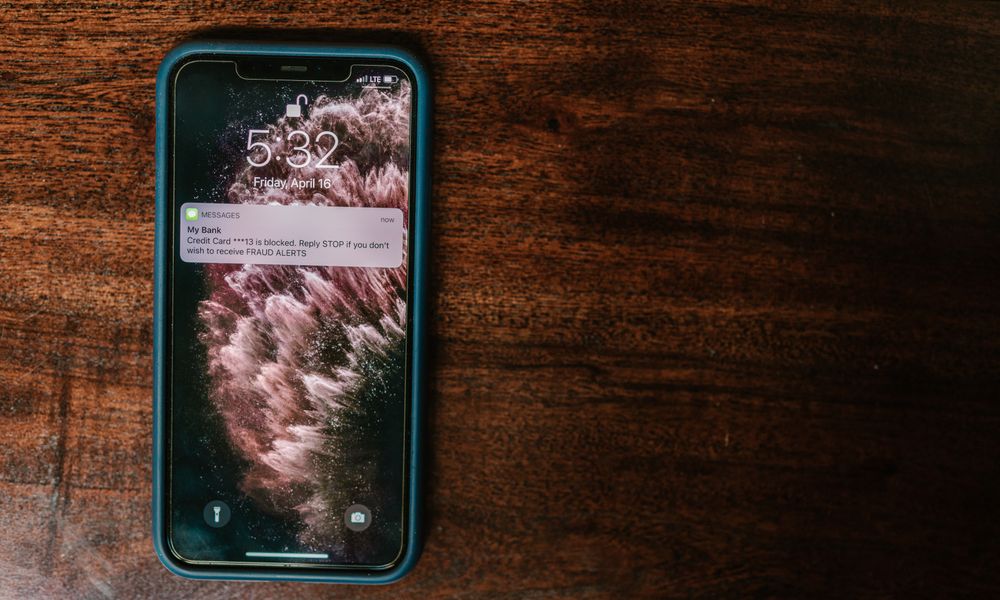
This is where TripGuard360 becomes your most critical travel companion. TripGuard360 is an advanced, real-time safety monitoring platform designed to provide travelers in high-risk zones with continuous, actionable threat intelligence. By integrating hyper-localized human reporting, satellite data, and direct feeds from international security missions, TripGuard360 ensures you are never caught off guard.
With TripGuard360, you gain access to a suite of essential safety features, including:
- Localized Threat Alerts: Receive instant, automated push notifications directly to your smartphone the moment a security incident, violent clash, or protest is reported within your immediate geographic vicinity.
- Interactive Security Mapping: View an active, live-updated digital map of Haiti that outlines active gang boundaries, high-risk highway transit corridors, and known safe havens or medical facilities. This allows your security team to plan alternative routes dynamically.
- GSF Mission Tracking: Stay informed on the latest movements and security perimeters established by the newly deployed international Gang Suppression Force (GSF) and the Haitian National Police (HNP), helping you avoid active military operations.
- Direct Emergency Support: In the event of an immediate threat, access a one-touch emergency button that connects you directly with professional security coordinators who can assist in coordinating emergency medical evacuations or secure extractions.
By transforming your mobile device into a proactive security hub, TripGuard360 empowers you to stay one step ahead of changing conditions on the ground, providing the vital intelligence needed to make safe, life-saving decisions.
Emergency Resources and Crucial Phrases
When navigating a high-stress security situation, clear communication can be the difference between safety and danger. While French is the administrative language of Haiti, Haitian Creole (Kreyòl) is spoken by 100% of the population and is the most effective language for communicating in an emergency.
Essential Haitian Creole and French Phrases for Safety
Memorize or carry a printed copy of these crucial phrases to ensure you can communicate your needs clearly in a crisis:
- Ede m! (eh-day m) – Help me!
- Mwen bezwen yon doktè. (mwen beh-zwen yohn dohk-teh) – I need a doctor.
- Kote lopital la ye? (koh-tay loh-pee-tahl lah yay) – Where is the hospital?
- Pa tire! (pah tee-ray) – Don't shoot!
- Ki kote ki an sekirite? (kee koh-tay kee ahn say-kee-ree-tay) – Where is a safe place?
- Mwen se yon touris / jounalis. (mwen say yohn too-rees / zhoo-nah-lees) – I am a tourist / journalist.
- Mwen pèdi. (mwen peh-dee) – I am lost.
- Mwen pa gen zam. (mwen pah gen zahm) – I do not have a weapon.
- Souple, mèsi. (soo-play, meh-see) – Please, thank you.
Crucial Emergency Contacts
Ensure these emergency numbers are programmed into your satellite phone and mobile device, and keep a physical, laminated copy in your pocket at all times:
- Haitian National Police (PNH) Emergency Line: 114 / 122
- Haitian Red Cross (Croix-Rouge Haïtienne): +509 2222-6110
- U.S. Embassy in Port-au-Prince: Boulevard du 15 Octobre, Tabarre 41. Phone: +509 2229-8000. Emergency After-Hours Phone: +509 2229-8000. Email: acspap@state.gov.
- Embassy of Canada in Haiti: Route de Delmas, Port-au-Prince. Phone: +509 2812-9000.
- UK Consular Services (Managed remotely via the British Embassy in Santo Domingo): +1 809 472 7111. (Note: The UK does not maintain a physical embassy building in Port-au-Prince due to safety concerns).
A Final Word on Travel Safety Haiti 2026
Traveling to Haiti in May 2026 is an undertaking that carries extreme, life-threatening risks. The historical depth, artistic brilliance, and cultural resilience of the country are undeniable, but they are currently overshadowed by a severe security crisis. With the withdrawal of the Kenyan MSS police force and the complex, ongoing deployment of the UN-backed Gang Suppression Force (GSF), the country is in a state of rapid, unpredictable security transition. Leisure tourism is currently unviable, with the exception of the heavily secured private enclave of Labadee.
For those who must travel for essential humanitarian, diplomatic, or professional reasons, your safety depends entirely on exhaustive pre-planning, professional armored security, and access to real-time information. Never attempt to navigate Haiti without a trusted local host and a professional security driver.
To ensure your trip is backed by the most advanced, active threat monitoring system available, sign up for TripGuard360 today. With real-time localized threat alerts, interactive conflict zone mapping, and direct emergency evacuation support, TripGuard360 is your digital partner in travel safety. Don't leave your personal security to chance in a volatile environment.
Protect your journey today. Sign up for TripGuard360 and monitor your trip safety in real-time.