Is India Safe for Kids? India Family Travel Safety Tips 2026
India is a land of unmatched sensory wonder. From the majestic, marble-clad Taj Mahal and the vibrant desert fortresses of Rajasthan to the serene backwaters of Kerala, the country offers families an unparalleled cultural experience. However, planning a family trip to this vast subcontinent requires careful preparation and localized knowledge. If you are planning a visit with your children, keeping them safe, healthy, and happy is undoubtedly your top priority.
Staying informed about local conditions, health standards, and structural transport changes is crucial. This detailed guide covers everything you need to know about navigating India with minors, including child-safe neighbourhoods, pediatric medical access, food and water safety, child abduction risks, and essential paperwork. By utilizing these expert-backed strategies, you can ensure a smooth, secure, and deeply enriching holiday for your entire family.
Essential India Family Travel Safety Tips 2026: Planning Your Journey
Before booking your flights and packing your bags, a successful trip to India requires a proactive safety and logistical strategy. This starts with assessing how your children will adapt to the environment and ensuring all legal entry requirements are meticulously met. Proper planning minimizes stress at border control and during your first few days on the ground.
Age-Appropriate Risk Assessment for Children
Traveling to India is not a one-size-fits-all experience; your safety and comfort strategies must be tailored to the specific developmental stages of your children. The subcontinent presents different challenges depending on whether you are traveling with an infant, a toddler, a school-aged child, or a teenager.
- Infants and Toddlers (Ages 0–4): The primary risks for this age group are sanitation-related illnesses, extreme heat, and severe air pollution. Infants have developing immune systems, making them highly vulnerable to waterborne and foodborne pathogens. Additionally, standard strollers are practically useless on India’s uneven, crowded sidewalks; a high-quality, breathable baby carrier is an absolute necessity. Parents must also plan for air quality, especially in northern cities like Delhi during the post-monsoon and winter months, where the Air Quality Index (AQI) can reach hazardous levels.
- School-Aged Children (Ages 5–12): Children in this age bracket are highly active but can easily suffer from sensory overload. The loud honking, intense crowds, and pungent smells of Indian cities can be overwhelming. The primary safety risks are getting separated in crowded markets and dehydration. At this age, children can actively participate in safety protocols, such as wearing tracking devices and knowing who to approach if they get lost.
- Teenagers (Ages 13–18): While teenagers possess more physical resilience, they are more susceptible to local transit scams, road safety hazards, and digital security issues. Teenagers may crave independence, but unsupervised exploration in major Indian urban areas is not recommended. Educate your teens on the common tactics of aggressive street vendors, unauthorized tour guides, and transport scams. Ensure they maintain digital privacy when connecting to public Wi-Fi networks in hotels and airports.
Crucial Travel Documentation Requirements for Minors
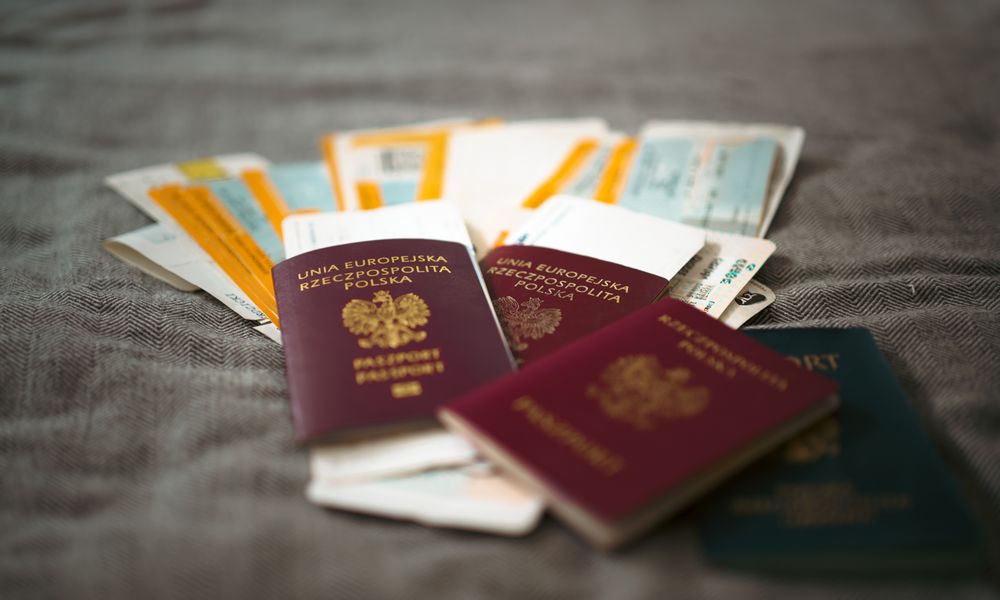
India enforces strict immigration laws, and border officials pay close attention to minors traveling into and out of the country to prevent international child trafficking. Every child, including newborn infants, must have their own individual passport valid for at least six months from the date of arrival, with at least two blank pages for immigration stamps.
All foreign nationals require a valid visa to enter India. For most families, the electronic tourist visa (e-Tourist Visa) is the most convenient option. You must apply for a separate e-Visa for each child; children cannot be appended to a parent’s visa document. According to the official U.S. Department of State India Travel Advisory, travellers must carry a printed copy of their approved Electronic Travel Authorization (ETA) at all times during their journey, as digital copies on mobile phones are often not accepted by local airline check-in counters or border agents.
Additionally, if a minor is traveling with only one parent or with a legal guardian who is not their parent, Indian immigration authorities and airlines frequently demand proof of relationship and consent. You must carry:
- A notarized Child Travel Consent Form or letter signed by the non-traveling parent(s), explicitly authorizing the travel dates and destinations.
- A certified copy of the child’s full birth certificate listing both parents' names.
- If applicable, official custody agreements or death certificates to prove sole guardianship.
Failure to present these documents can result in boarding denials at your departure airport or long delays at Indian immigration checkpoints. For more general advice on preparing documents for international trips, explore our travel safety blog.
Where to Stay: Choosing Child-Safe Neighbourhoods in 2026
Choosing the right base for your family is one of the most critical decisions you will make. While India’s historical districts are full of charm, they are often chaotic, heavily polluted, and logistically challenging for families. Opting for safer, greener, and more secure neighbourhoods ensures your family has a peaceful retreat to return to after a busy day of sightseeing.
Delhi's Safest Family Areas
Delhi is a massive metropolis, but it contains highly secure enclaves that are ideal for families. The absolute gold standard for safety in Delhi is Chanakyapuri. Known as the diplomatic enclave, Chanakyapuri is home to foreign embassies, lush manicured parks, wide avenues, and heavy, round-the-clock security patrols. It is exceptionally clean and remarkably quiet, offering a stark contrast to the rest of the city.
Other excellent family-friendly options in Delhi include Vasant Vihar, Shanti Niketan, and the upscale residential enclaves of South Delhi like Saket and Greater Kailash. These neighbourhoods feature gated residential blocks, access to modern shopping malls with international dining chains, and close proximity to premium healthcare. When traveling with children, avoid staying in Paharganj (the backpacker district near the New Delhi Railway Station) and overnight stays deep within Old Delhi, as these areas suffer from extreme overcrowding, poor sanitation, and high rates of petty crime.
Mumbai's Best Family Districts
Mumbai is known for its intense energy and safety-conscious culture, but its dense population means space is at a premium. For families, the safest and most convenient areas to stay are in South Mumbai or the western suburbs. Colaba and Fort are historical districts with a heavy police presence, walkable pavements, and close proximity to iconic sights like the Gateway of India. These districts host several premium heritage hotels that offer high-level security and reliable Western amenities.
If you prefer a more modern, laid-back, and expat-friendly vibe, Bandra West is an outstanding choice. It features beautiful seaside promenades, trendy cafés, and relatively calm, walkable streets. Juhu is another popular option due to its luxury beachfront hotels. However, a major safety warning: do not let your children swim in the sea at Juhu Beach or other city beaches in Mumbai. The coastal waters suffer from severe municipal pollution, and the strong undercurrents present a significant drowning risk.
Family-Friendly Safe Havens in South India
If you are traveling with very young children or want a slower, more manageable pace, South India is highly recommended. The state of Kerala is incredibly family-friendly. Districts like Munnar (with its sprawling tea plantations), Kumarakom (famed for its tranquil lake resorts), and the historical streets of Fort Kochi offer a clean, highly literate, and peaceful environment. The local culture is exceptionally welcoming to children, and the risk of petty crime is significantly lower than in northern urban hubs.
Similarly, Goa remains a top-tier destination for families, provided you choose the right location. Families should avoid the crowded, party-centric beaches of North Goa (such as Baga and Anjuna) and instead head directly to South Goa. Areas like Varca, Cavelossim, and Utorda are home to secure, self-contained five-star resorts with private beach access, child-friendly swimming pools, kids' clubs, and strict security protocols, ensuring a worry-free beach holiday.

Health, Water, and Food Safety for Kids in India
Maintaining your family’s physical health is the single biggest factor in determining the success of your Indian adventure. While the notorious "Delhi Belly" (traveler’s diarrhoea) is a common rite of passage for adult backpackers, it can quickly escalate into a medical emergency for young children due to rapid dehydration. Implementing strict hygiene standards is non-negotiable.
Water and Hygiene Standards to Avoid "Delhi Belly"
The golden rule of family travel in India is simple: never, under any circumstances, allow your children to drink tap water. This includes avoiding ice in drinks, as ice is frequently made from local municipal water supplies. Additionally, you must use bottled or purified water for brushing your teeth, and teach your children to keep their mouths firmly shut while showering or bathing.
When purchasing bottled water, always inspect the plastic seal around the cap to ensure it has not been tampered with or refilled. Stick to reputable nationwide brands like Bisleri, Kinley, or Aquafina. For infants, boil bottled water before preparing baby formula. Hand hygiene is your next line of defense. Children frequently touch handrails, auto-rickshaw seats, and temple floors, then put their hands in their mouths. Carry hand sanitizer with at least 60% alcohol content and plenty of biodegradable sanitizing wipes, enforcing hand-cleaning before every single meal or snack.
Child-Friendly Food Safety Rules
Indian cuisine is legendary, but its bold spices and distinct cooking oils can easily upset sensitive young stomachs. You do not have to avoid local food entirely, but you must follow strict sourcing rules. For children, it is highly recommended to completely avoid street food. Treat this as a major safety warning. While street vendors offer delicious treats, their access to clean running water for washing dishes and hands is extremely limited.
Instead, choose busy, highly-rated sit-down restaurants or dine within international hotels. Look for establishments packed with local families, which is a strong indicator of high food turnover and fresh ingredients. When ordering, follow these basic safety principles:
- Only eat food that is served piping hot and freshly cooked. Avoid buffet food that has been sitting out at lukewarm temperatures, which promotes bacterial growth.
- Ensure all fruits are those you can peel yourself (like bananas, oranges, and mangoes). Avoid raw salads, pre-cut fruit cups, and fresh juices sold on the street, as they are often washed in contaminated tap water or exposed to flies.
- Stick to pasteurized dairy. Do not give children local unpasteurized milk. When ordering ice cream, buy pre-packaged brands from established shops rather than local open-churn vendors.
- If your children are picky eaters, don’t panic. Most mid-to-high-end restaurants in major cities readily serve mild, child-friendly continental dishes like plain rice, grilled chicken, pasta, and French fries.
Paediatric Medical Facilities and Healthcare Access
Despite your best precautions, children can fall ill. Before you depart, verify that your family has comprehensive travel insurance that includes emergency medical evacuation. If you need to access healthcare, India’s private healthcare sector is outstanding, featuring state-of-the-art hospitals with highly trained, English-speaking pediatric specialists.
The UK Foreign, Commonwealth & Development Office (FCDO) India Travel Advice notes that high-quality private medical treatment is readily available in major urban centres, though it can be expensive and usually requires immediate payment or proof of insurance before treatment begins. If you are in Delhi, Max Super Speciality Hospital (Saket) and Fortis Memorial Research Institute (Gurugram) offer world-class pediatric emergency care. In Mumbai, Kokilaben Dhirubhai Ambani Hospital (Andheri) and Sir H.N. Reliance Foundation Hospital are premier facilities. To plan ahead for your destination, check out our travel guides for city-specific emergency contacts.
Ensure you travel with a comprehensive, kid-focused medical kit. Your kit should include:
- Oral Rehydration Salts (ORS): Absolutely vital for treating dehydration from diarrhoea or heat.
- Pediatric Pain and Fever Relievers: Adequate supplies of liquid paracetamol (acetaminophen) or ibuprofen.
- Kid-Safe Insect Repellent: Repellents containing 10% to 30% DEET or Picaridin to protect against mosquito-borne diseases like dengue and chikungunya, which are prevalent in India as highlighted by the CDC Travelers' Health guidelines for India.
- Broad-Spectrum Pediatric Antibiotics: Prescribed by your family pediatrician at home prior to departure, along with a medical authorization letter.
- Antihistamines and Bandages: For minor allergies, insect bites, and scrapes.

Practical India Family Travel Safety Tips 2026 for Crowds, Transport, and Emergencies
Navigating India’s bustling public spaces and complex transport networks with children requires strategic planning. The sheer scale of humanity in places like railway stations, ancient temples, and local markets can be disorienting. By establishing firm safety boundaries and choosing secure transport options, you can mitigate the most common hazards.
Mitigating Child Abduction and Lost Child Risks
A common concern for parents traveling to highly populated developing nations is the risk of child abduction. Statistically, the risk of a foreign child being abducted in India is extremely low. However, the risk of a child getting lost or separated from their parents in dense crowds is exceptionally high. Railway stations, major monuments like the Red Fort, and bustling bazaars can become chaotic in seconds.
To keep your children secure, implement these practical safety measures:
- Wearable Technology: Equip each child with a secure GPS tracking device, such as an Apple AirTag or a Samsung SmartTag, safely secured in a wristband or sewn into their clothing.
- Identification Bands: Have your children wear a durable, waterproof silicone wristband containing your name, international phone number (with the country code, e.g., +1 or +44), and your hotel’s name. Teach them that if they get separated, they should look for a uniformed police officer or security guard, or find a mother with children to ask for help.
- The Selfie Phenomenon: Foreign children, particularly those with fair skin or light hair, are objects of intense curiosity in India. Locals will constantly approach you asking to take "selfies" with your children, or even try to pick up and hold your baby. While this is almost always driven by innocent curiosity and warmth, it can be terrifying and overwhelming for young children. It is completely acceptable to say a firm "No" and walk away. Establish a clear boundary: no touching, no holding, and no photos of your children without your explicit permission.
Navigating Indian Transport Safely with Children
Indian traffic is notoriously chaotic, with rules of the road treated more as suggestions than laws. Road safety is a major concern, making your choice of transport critical. For intra-city travel, completely avoid public buses and local suburban trains with young children, as they are extremely crowded and lack basic safety features.
Instead, pre-book private, air-conditioned cars with vetted professional drivers through your hotel or reputable tour companies. Ride-hailing apps like Uber and Ola are widely available, safe, and highly reliable in major Indian cities, offering GPS-tracked journeys. If you plan to use car seats, be aware that most Indian taxis and auto-rickshaws do not have functional rear seat belts. If you are bringing your own child car seat, you must specifically request a vehicle equipped with ISOFIX anchors or working three-point seat belts from a private transport provider ahead of time.
For inter-city travel, Indian Railways is a fantastic and iconic experience for children, but you must book the correct class of travel. Always reserve tickets in First Class AC (1AC) or Second Class AC (2AC). These carriages are clean, quiet, air-conditioned, and heavily secured, preventing unauthorized passengers from entering. Keep your luggage locked to your berth using steel chains and padlocks, which can be purchased at most major railway stations, and never let your children wander between carriages unsupervised.
Peace of Mind in Motion: How TripGuard360 Secures Your India Family Adventure
While preparation is the foundation of travel safety, real-world situations are dynamic. Severe weather, sudden localized protests, transport strikes, or unexpected health outbreaks can occur without warning. Managing these variables while simultaneously keeping your children entertained and secure is an immense mental load for any parent. This is where TripGuard360 becomes your essential travel companion.
TripGuard360 is a cutting-edge personal safety ecosystem designed specifically for international travelers. Rather than leaving you to manually scour local news feeds or monitor government travel alerts, TripGuard360 provides real-time, location-based safety alerts directly to your smartphone. The platform uses advanced geolocation technology to cross-reference your exact position with real-time global security intelligence, ensuring you are notified of potential hazards long before they disrupt your day.
For a family navigating India, TripGuard360 offers invaluable tools:
- Hyper-Local Danger Alerts: If a sudden protest develops in South Delhi, or a severe monsoonal weather warning is issued for South Goa, TripGuard360 sends an instant push notification with clear, actionable safety instructions, allowing you to easily reroute your family.
- Vetted Medical and Emergency Directories: In the event of an emergency, the app provides instant, one-touch access to the nearest English-speaking, pre-vetted pediatric hospitals, pharmacies, and emergency services, eliminating frantic web searches in high-stress moments.
- 24/7 Virtual Safety Assistance: Access a dedicated team of travel safety experts who can guide you through logistical hurdles, transit disruptions, or medical emergencies, serving as a virtual lifeline in an unfamiliar country.
By delegating your situational awareness to TripGuard360, you can strip away the anxiety of the unknown. You no longer have to worry about missing crucial updates; instead, you can focus 100% of your energy on experiencing the magic of India through your children’s eyes—whether that is watching their faces light up at the sight of wild elephants in Kerala or exploring the ancient palaces of Jaipur.
Conclusion
Traveling to India with children is an extraordinary, life-affirming adventure. The country is a vibrant tapestry of sights, sounds, and stories that will expand your children’s horizons in ways no classroom ever could. While the logistical and health challenges are real, they are entirely manageable with the right preparation, child-safe neighbourhoods, and strict water and food hygiene standards.
Don't let safety anxieties keep your family from exploring one of the world's most beautiful destinations. Equip yourself with the ultimate travel companion for your upcoming adventure. Try TripGuard360 free today and experience the ultimate peace of mind on your next family journey.