Is India Safe to Visit in 2026? What You Must Know
The Magic of the Subcontinent: Why Travelers Visit India
India is a land of sensory overload in the most magnificent way. From the snow-capped peaks of the Himalayas to the tropical backwaters of Kerala, the country’s geographical and cultural diversity has captivated travelers for centuries. Whether you are drawn to the iconic marble facade of the Taj Mahal in Agra, the pink-hued palaces of Jaipur, the spiritual ghats of Varanasi, or the bustling, high-tech streets of Mumbai, India offers an unparalleled journey of discovery. Many choose to visit during the shoulder month of May because it presents unique advantages, including far fewer crowds at major monuments, highly competitive hotel pricing, and an opportunity to see the country without the massive tour groups of the winter high season.
However, navigating a country as vast and complex as India requires thorough preparation, especially regarding security and health. A successful trip hinges on understanding the nuances of local environments, seasonal weather changes, and regional safety variations. This comprehensive guide outlines everything you need to know about travel safety india 2026. Armed with the right preparation, cultural understanding, and real-time monitoring tools, you can explore the treasures of the subcontinent with complete confidence. To build your broader safety toolkit before departure, be sure to browse through our travel guides for expert strategies on navigating diverse global destinations.
Planning a trip during the peak of the Indian summer in May 2026 means balancing your eagerness for adventure with practical safety measures. From managing extreme regional temperatures to navigating crowded urban transit networks, staying safe is a matter of proactive awareness. This guide breaks down official government warnings, essential health precautions, local transit tips, and cultural nuances to ensure your journey is safe, respectful, and unforgettable.
Current Safety Advisories and High-Risk Regions in India
To plan a secure journey, the first step is analyzing the overall safety index of your destination. For May 2026, major international governments maintain an active baseline advisory for India. The U.S. Department of State Travel Advisory for India designates the country as Level 2: Exercise Increased Caution. This rating is primarily driven by the threat of local crime, opportunistic theft, and the underlying risk of regional unrest or terrorism. While the vast majority of tourists visit India and return home without encountering any security issues, certain regions require strict avoidance or heightened vigilance.
Understanding Official Government Travel Advisories
International advisories highlight that security situations can change rapidly due to local political events, demonstrations, or regional tensions. Government bodies, including the UK Foreign, Commonwealth & Development Office (FCDO) travel advice, emphasize that security risks are not uniform across the country. The safest destinations in India remain the highly trafficked tourist corridors of the "Golden Triangle" (Delhi, Agra, and Jaipur), the tranquil coastal regions of Goa, and the southern states of Kerala and Tamil Nadu. In these areas, local governments place a high priority on tourist safety, and there is a visible presence of tourist police to assist international visitors.
Geographic Zones to Avoid: High-Risk Regions
According to current international safety warnings, there are specific territories where travelers face severe safety risks. All major travel advisories, including those from the Government of Canada Travel Advisory, advise against all travel to the following areas:
- The Union Territory of Jammu and Kashmir: Travelers should avoid this region completely, with the exception of the eastern Ladakh region and its capital, Leh. The Kashmir Valley continues to experience sporadic civil unrest, anti-government demonstrations, and terrorist activities, particularly along the highly militarized Line of Control (LOC) separating India and Pakistan.
- The India-Pakistan Border: Any area within 10 kilometers of the border with Pakistan must be avoided. The border region is heavily patrolled, and there is a continuous risk of military skirmishes and unexploded landmines. The sole exception is the daily Wagah border ceremony near Amritsar, which is highly secured and safe for tourists to attend.
- Manipur State: Due to ongoing ethnic tensions, violent clashes, and localized curfews that escalated in recent years, governments advise against all but essential travel to Manipur. The situation remains highly volatile, and communication networks can be abruptly suspended by local authorities.
- The Red Corridor (Naxalite-affected areas): Parts of rural eastern and central India—stretching from eastern Maharashtra and northern Telangana through southern Chhattisgarh, Jharkhand, and western West Bengal—experience insurgent activity by Naxalite groups. These groups primarily target government installations and infrastructure, but the lack of emergency services makes tourist travel here highly dangerous.
Navigating Common Crime and Street Scams
While violent crime targeting foreign tourists is statistically rare in major cities, petty crime such as pickpocketing, bag snatching, and elaborate financial scams is common in crowded areas like transit hubs, markets, and tourist monuments. To ensure your travel safety india 2026, you must understand how these street-level threats operate.
One of the most frequent schemes is the "closed hotel" or "blocked road" scam. In this scenario, a dishonest taxi or auto-rickshaw driver will falsely claim that the hotel you booked has burned down, closed permanently, or is inaccessible due to a religious festival or political protest. They will then offer to take you to an "official government tourist office" that is actually a private travel agency. Here, accomplices will pressure you into booking overpriced alternative hotels or multi-day tours. To avoid this, always insist on being driven directly to your hotel. If the driver refuses, get out in a safe, public spot and use a ride-hailing app on your phone to call a trusted ride.
Another prevalent scheme involves commission-driven gem and souvenir shops. Drivers or friendly locals may offer to show you "authentic" local factories or recommend highly profitable gemstone deals, claiming you can resell the items for double the price back home. These gems are almost always synthetic or low-value glass, and once the transaction is complete, refunds are impossible to obtain. Additionally, be cautious of unauthorized tour guides who approach you at monuments; always hire guides who carry official identification badges issued by the Ministry of Tourism.

Health and Medical Safety in India: Preparing for the May Heat
When discussing travel safety india 2026, health is just as critical as physical security. India presents a unique set of epidemiological and environmental factors that require meticulous medical preparation before you board your flight. May is the peak of the dry, hot season in northern and central India, with temperatures often climbing to extreme levels. This intense heat, combined with local water and food hygiene standards, makes health management your primary day-to-day focus.
Crucial Vaccinations and Pre-Trip Medical Planning
For a safe trip to India, you should schedule a visit to a travel clinic at least four to six weeks before your departure. This timeline allows your body to build immunity from vaccines and gives you time to start preventative medications. According to the CDC and WHO, key immunizations include:
- Hepatitis A and Typhoid: Highly recommended for all travelers because of the risk of contaminated food and water in both urban and rural environments.
- Tetanus, Diphtheria, and Pertussis (Tdap): Ensure your routine booster is up to date, as minor cuts and abrasions can easily become infected in dusty environments.
- Measles, Mumps, and Rubella (MMR): Due to periodic localized outbreaks globally and high population densities in India, being fully immunized is essential.
- Rabies: Highly recommended if you plan to spend time outdoors, visit temples where monkeys roam freely, or travel to rural areas. India has a large population of street dogs, and rabies is endemic. The vaccine series takes time to complete but provides vital protection.
- Polio: Ensure you have completed your childhood series. An adult booster is recommended for travelers spending significant time in rural zones.
- Malaria and Dengue Prevention: While malaria risk varies by region and altitude, mosquito-borne illnesses are a year-round threat. Discuss prescription antimalarials with your doctor. Since there is no widely available preventative vaccine for dengue, your best defense is preventing mosquito bites using insect repellents containing DEET, picaridin, or IR3535.
Water Safety and Preventing 'Delhi Belly'
The most common ailment experienced by travelers is traveler’s diarrhea, colloquially known as "Delhi Belly." This illness is caused by consuming food or water contaminated with local bacteria that your digestive system is not accustomed to. Preventing this disruption to your trip requires strict adherence to safe food and water practices:
First and foremost, never drink tap water in India. This includes avoiding tap water for brushing your teeth or washing your face. Always use sealed, bottled water from reputable brands, and check that the plastic seal on the cap is unbroken before opening. In high-end hotels, filtered water may be provided in glass bottles, which is generally safe, but when in doubt, stick to commercially sealed water. Avoid ice in drinks, as it is almost always made from local tap water. Be cautious of fresh juices, cocktails, and sodas served in glasses that may have been washed in untreated water.
When it comes to dining, select food that is served steaming hot. Heat kills most pathogens, making freshly cooked curries, rice, and freshly baked naan bread excellent choices. Avoid raw salads, uncooked vegetables, and fruits that you have not peeled yourself, as these are often washed in local tap water. If you want to try India's world-famous street food, choose stalls that have long queues of local families, which indicates high food turnover and fresh ingredients. Avoid street food that has been sitting out in the open, exposed to dust and flies, and carry hand sanitizer to use before every meal.
Managing the Scorching May Weather and Air Quality
Visiting India in May 2026 means facing the height of the pre-monsoon summer, with temperatures routinely exceeding 40°C (104°F) across northern plains, central regions, and major cities like New Delhi, Agra, and Jaipur. Heat exhaustion and heatstroke are serious medical risks during this period. To stay safe in the intense heat, keep these strategies in mind:
Always carry oral rehydration salts (ORS) in your daypack. These powder packets can be mixed into bottled water to quickly restore your electrolyte balance when you are sweating heavily. Limit your direct sun exposure during the hottest hours of the day, typically between 11:00 AM and 4:00 PM. Plan your sightseeing for early mornings—when landmarks like the Taj Mahal are cooler and less crowded—or late evenings. Wear lightweight, loose-fitting cotton or linen clothing that covers your skin to protect against sunburn while allowing airflow.
Air quality is another key environmental health factor, particularly in massive urban centers like Delhi, Mumbai, and Kolkata. During the dry summer months, dust storms and urban emissions can cause elevated particulate matter levels. If you suffer from asthma or other respiratory conditions, monitor daily Air Quality Index (AQI) readings, carry your prescribed inhalers, and consider wearing a well-fitted N95 respirator mask when walking near heavy traffic or on dry, dusty days.

Transportation Safety: Navigating India's Planes, Trains, and Rickshaws
Getting around India is an unforgettable adventure in itself, but the sheer volume of commuters and unique traffic patterns can feel overwhelming. Road safety in India presents a significant hazard due to chaotic traffic, variable road conditions, and diverse vehicle types sharing the same lanes. Safeguarding your transit requires a mix of defensive travel tactics and utilizing modern ride-hailing platforms.
Train Travel Safety and Luggage Security
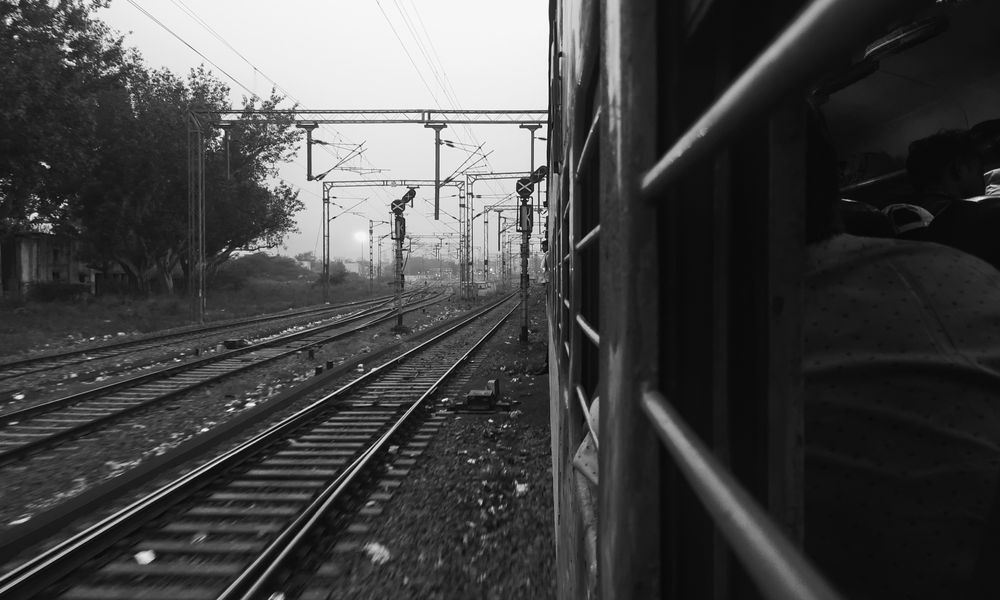
The Indian Railways network is a remarkable engineering feat and one of the most scenic ways to traverse the country. However, managing your safety on trains requires careful booking decisions and continuous vigilance over your belongings. When booking long-distance train journeys, always reserve tickets in Air-Conditioned sleeper classes (such as 1AC, 2AC, or 3AC). These carriages have controlled boarding, are monitored by onboard railway staff, and offer a much quieter, more secure environment than General or Sleeper classes. AC classes are highly recommended for solo travelers, families, and those carrying valuable electronics or camera gear.
Once onboard, keep your luggage secure. Carry a sturdy metal cable lock or padlock to chain your bags to the metal brackets located under the lower berths. This ensures your luggage cannot be easily moved or stolen while you are asleep or visiting the restroom. Keep your absolute essentials—such as your passport, visa, cash, credit cards, and smartphone—in a small cross-body bag or money belt that stays on your person at all times. Never accept food, tea, or water from well-meaning strangers on trains, as there have been occasional reports of travelers being drugged and robbed through contaminated items.
Getting Around via Ride-Hailing Apps and Taxis
For daily urban travel, ride-hailing mobile applications have transformed safety and convenience for international visitors. Platforms like Uber and Ola operate extensively in major Indian cities, including Delhi, Mumbai, Bengaluru, Pune, Hyderabad, and Kolkata. Using these applications is highly recommended over hailing a taxi or auto-rickshaw directly from the street for several reasons:
First, the fare is calculated automatically by the app, eliminating the need to negotiate prices or worry about rigged taximeters. Second, your entire route is tracked via GPS, and you can easily share your ride status and real-time location with a loved one or emergency contact. Finally, driver details and license plate numbers are registered, which provides an added layer of safety. When your ride arrives, always verify that the license plate and the driver's face match the information displayed in the app before getting in, and confirm the ride with the four-digit security PIN.
If you find yourself in an area where ride-hailing apps are unavailable and you must use a traditional auto-rickshaw, agree on the fare before stepping into the vehicle. It is helpful to ask a local or hotel receptionist beforehand what a reasonable fare should be for your destination. If you are taking a taxi from an airport or railway station, look for pre-paid taxi booths inside the terminal or station. These booths are run by local traffic police or airport authorities, allowing you to pay a fixed, official fare upfront and receive a voucher to hand to your assigned driver.
Road Safety and Intercity Driving
While renting a car and self-driving is common in many parts of the world, it is highly discouraged for foreign tourists in India. Traffic patterns are highly complex, with pedestrians, livestock, bicycles, auto-rickshaws, and heavy trucks sharing lanes that are often narrow or under construction. Traffic laws are frequently bypassed, and navigating the chaotic flow requires local driving experience.
Instead of driving yourself, the safest option for road travel is to hire a private car with a professional driver. You can easily arrange this through reputable tour companies, international travel agencies, or directly through your hotel's concierge desk. Ensure the vehicle is equipped with working seatbelts for all passengers. Avoid long-distance road trips at night, as many highways lack proper street lighting, and the risk of accidents increases due to driver fatigue, poorly marked construction zones, and large transport trucks driving with high-beam headlights.
Cultural Etiquette and Local Customs for Staying Safe in India
In India, respecting cultural etiquette is not just about being polite; it is a fundamental aspect of personal safety. The way you dress, speak, and interact with locals plays a vital role in how you are perceived. By aligning your behavior with local customs, you can significantly reduce unwanted attention, prevent misunderstandings, and enjoy warmer, more authentic interactions with the communities you visit. For more deep dives into the connection between cultural literacy and travel security, explore our travel safety blog.
Dress Codes, Religious Etiquette, and Cultural Norms
India is a deeply spiritual and traditional society where modesty in dress is highly valued. This is particularly true in temples, mosques, churches, and rural areas outside major metropolitan hubs. To show respect and avoid unwanted stares, both men and women should wear clothing that covers their shoulders and knees. Lightweight, loose-fitting cotton garments are ideal, as they keep you cool in the May heat while keeping you appropriately covered.
When entering any place of worship, there are several key rules to follow:
- Remove Your Shoes: Always take off your shoes before entering a temple, mosque, Gurdwara, or local home. Many holy sites have secure shoe-keeping stalls at the entrance where you can leave your footwear for a very small tip.
- Cover Your Head: At Sikh temples (Gurdwaras) and certain mosques, covering your head is mandatory. Gurdwaras usually provide clean, orange or yellow headscarves at the entrance for visitors to use free of charge, though carrying your own light scarf is a great habit.
- Avoid Leather Items: Hindu and Jain temples consider leather to be impure. You may be asked to remove leather belts, wallets, and bags before stepping inside the sanctuary.
- Circumambulate Clockwise: When walking around shrines or temples, always walk in a clockwise direction, which is a traditional sign of reverence.
Social Norms and Avoiding Scrutiny
Public displays of affection (PDA), such as passionate kissing or tight hugging, are considered inappropriate in India and can lead to negative attention or reprimands from locals. Holding hands is generally acceptable in modern urban centers, but it is best to err on the side of caution and maintain a conservative approach to physical affection in public spaces.
Foreign travelers, particularly women, often experience intense staring. In most cases, this is not hostile; it is simply curiosity from locals who may not have had much contact with international visitors. The best way to handle this is to avoid making prolonged eye contact, wear sunglasses, and continue on your way. If someone approaches you and is overly persistent, a firm and polite "No, thank you" (or a direct "Nahi" in Hindi) delivered with confident body language is usually enough to deter them. Do not hesitate to approach security guards, shopkeepers, or local families if you ever feel uncomfortable or need assistance in a crowded area.

Emergency Guidelines and Best Practices for a Secure Trip
Even with the most detailed planning, emergencies can happen. Being prepared with essential emergency contact numbers, a few key local phrases, and safety habits can help you handle unexpected situations quickly and calmly.
Essential Emergency Contacts in India
Keep a physical copy of emergency numbers in your wallet, and save them as speed-dial contacts on your mobile phone. The primary emergency numbers in India are:
- National Emergency Number (All-in-One): Dial 112 (this is the equivalent of 911 in the US or 999 in the UK and connects you to police, fire, and medical services).
- Police: Dial 100.
- Ambulance: Dial 102.
- Fire Department: Dial 101.
- National Tourist Helpline: Dial 1363 (this is a 24/7 toll-free, multilingual helpline run by the Ministry of Tourism to provide support, safety information, and guidance to foreign travelers).
Useful Local Phrases for Safety and Navigation
While English is widely spoken in major cities, tourist destinations, hotels, and restaurants, knowing a few words of Hindi can be immensely helpful when traveling through local markets, taking transit, or in rural areas. Here are several practical phrases to keep handy:
| English Phrase | Hindi Transliteration | Pronunciation Tip |
|---|---|---|
| Help me! | Madad kijiye! | Muh-dud kee-jee-yay |
| Stop! | Ruko! | Roo-koh |
| Where is the hospital? | Hospital/Aspataal kahaan hai? | Hus-puh-taal kuh-haan hai |
| Call the police. | Police ko bulao. | Poh-leece koh boo-laow |
| I want water. | Mujhe paani chahiye. | Moo-jhay paa-nee chaa-hi-yay |
| No, thank you. | Nahi, shukriya. | Nuh-hee, shook-ree-yah |
| How much does this cost? | Yeh kitne ka hai? | Yay kit-nay kah hai |
Solo and Female Travel Safety India 2026 Best Practices
India is a rewarding destination for solo and female travelers, but it requires a strategic, security-first mindset. Safety advisories highlight that sexual harassment and assault, including verbal abuse and unwanted physical contact, do occur in public spaces and tourist sites. To stay safe as a solo or female traveler, incorporate these essential habits into your daily routine:
First, plan your arrivals and transit to occur during daylight hours. If your flight or train lands in the middle of the night, arrange a secure, pre-booked transfer directly through your hotel rather than navigating transit hubs alone in the dark. Choose accommodations with excellent security features, such as 24-hour reception desk staff, security cameras, and lockable interior doors. Read recent reviews from other solo female travelers on popular booking platforms before making a reservation.
Second, take advantage of female-only transit options where available. Major city metro systems, such as the Delhi Metro, have designated women-only coaches (usually the first car of the train), which are clearly marked and offer a highly comfortable, hassle-free commute. On long-distance trains, you can ask for berths in sections with other families or female passengers. When walking through busy markets or streets, maintain a confident, alert posture, keep your eyes up, and wear sunglasses to avoid unwanted eye contact.
Finally, keep your family and friends updated on your itinerary. Share your live location using messaging apps or specialized safety tools, and avoid sharing your specific hotel name or room number with people you have just met. If you ever feel that someone is following you or making you uncomfortable, walk directly into a busy shop, hotel lobby, or restaurant and ask the staff for assistance. Trust your intuition; if a situation, location, or person feels off, leave immediately without worrying about appearing impolite.
How TripGuard360 Monitors Your Travel Safety India 2026 Journey
Traveling through India is an incredible experience, but the sheer pace of change—from sudden weather shifts and transport adjustments to localized security notices—means having real-time information is invaluable. This is where TripGuard360 becomes your essential digital travel companion. TripGuard360 is a cutting-edge personal safety platform designed to provide international travelers with real-time, location-based safety monitoring, ensuring you are never left in the dark.
Using advanced geolocation tracking and a team of dedicated global safety analysts, TripGuard360 delivers instant security alerts directly to your smartphone. For example, if a sudden dust storm or heatwave warning is issued in Rajasthan, or if a localized protest causes road closures in central Delhi, TripGuard360 will send a push notification with clear instructions on how to avoid the affected area. This proactive system allows you to adapt your travel plans before you encounter any delays or safety hazards.
Additionally, TripGuard360 features interactive city safety maps that provide up-to-date security scores for neighborhoods in major destinations like Mumbai, Delhi, and Bangalore. You can easily see which areas are highly recommended for evening walks and which are best avoided after dark. In the event of an emergency, the platform's integrated SOS feature allows you to instantly broadcast your exact GPS coordinates to your emergency contacts, local emergency services, and TripGuard360’s round-the-clock support center, ensuring rapid assistance whenever and wherever you need it.
Conclusion: Embark on Your Indian Adventure with Confidence
India in May 2026 is a magnificent destination waiting to be explored. By choosing to travel during this shoulder season, you can experience some of the world’s most iconic wonders with fewer crowds and unique access. However, a successful and memorable trip depends entirely on careful preparation and prioritizing your health and security. By avoiding high-risk zones, keeping up with vaccinations, choosing safe food and water, using secure transit, and respecting local cultural norms, you can navigate the country safely and confidently.
Don't leave your peace of mind to chance. Equip yourself with the ultimate digital guardian for your upcoming trip to the subcontinent. Sign up for TripGuard360 today to receive real-time safety alerts, interactive neighborhood security mapping, and 24/7 emergency support right in your pocket. Let TripGuard360 handle the details of your safety so you can fully immerse yourself in the beauty, culture, and magic of India.