Is Iran Safe in 2026? What Travelers Must Know
The Allure of Persia: Why Travelers are Flocking to Iran in 2026
As we navigate the complexities of global tourism in 2026, Iran remains one of the most misunderstood yet profoundly rewarding destinations on the planet. For many, the mention of Iran conjures images of ancient empires, intricate blue-tiled mosques, and the legendary hospitality of the Persian people. Despite the geopolitical headlines that often dominate international news cycles, the reality on the ground for a tourist is often a stark contrast to the narrative of conflict. Travelers visit Iran to walk through the ruins of Persepolis, to lose themselves in the labyrinthine bazaars of Tabriz, and to witness the sunset over the desert towers of Yazd. However, visiting this region requires a level of preparation and situational awareness that goes far beyond a standard European holiday. Understanding travel safety Iran 2026 is the first step in ensuring that your journey through the heart of the Silk Road is both memorable and secure.
In May 2026, Iran is in the midst of its "prime season." The weather is mild, the roses are in bloom in Shiraz, and the mountains are still capped with the last of the winter snow. It is a time of renewal and beauty. Yet, the safety landscape in Iran is multi-faceted. It involves navigating international sanctions, understanding local laws that may seem alien to Westerners, and staying informed about regional stability. While violent crime against tourists is exceptionally low, the legal and political environment presents risks that require diligent monitoring. This guide serves as your comprehensive resource for navigating these complexities, ensuring you can enjoy the "Jewel of Islam" while staying protected by the latest safety protocols and real-time data.
Whether you are a seasoned solo traveler or part of a guided cultural tour, the importance of having a robust safety plan cannot be overstated. From digital security to health precautions and cultural etiquette, every aspect of your trip should be viewed through the lens of safety. Before you depart, we highly recommend browsing our travel guides for deeper insights into specific Middle Eastern regions. Understanding the nuance of the Iranian experience is what separates a stressful trip from a life-changing adventure. In the following sections, we will break down exactly what you need to know about the current state of safety in Iran as of May 2026.
Current Safety Overview: Navigating Iran in 2026
The safety situation in Iran for 2026 remains a study in contradictions. On one hand, the Iranian people are renowned for being some of the most welcoming hosts in the world. On the other hand, the government’s relationship with Western nations creates a unique set of risks for certain travelers. When assessing travel safety Iran 2026, it is vital to distinguish between "street safety" and "state-level safety." For the vast majority of visitors, the biggest threat isn't physical violence or theft, but rather the risk of inadvertently breaking a local law or becoming a pawn in diplomatic disputes.
According to the latest UK Foreign, Commonwealth & Development Office (FCDO) travel advice, there are significant risks for British and dual nationals, who face a higher likelihood of arbitrary detention. This sentiment is echoed by the U.S. Department of State, which maintains a "Level 4: Do Not Travel" advisory for its citizens due to the risk of kidnapping and the arbitrary arrest of U.S. citizens. If you are traveling on a passport from a country with strained diplomatic ties to Iran, your safety profile is fundamentally different from that of a traveler from a neutral nation. Always check your specific government’s advisory before booking, as these situations can shift rapidly in 2026.
Areas to Avoid and Border Security
While the central tourist circuit—including Tehran, Isfahan, Shiraz, and Yazd—is generally stable, there are specific "no-go" zones that every traveler must avoid. The borders with Afghanistan and Pakistan (specifically the Sistan and Baluchestan province) are hotspots for smuggling, banditry, and extremist activity. Similarly, the border regions with Iraq remain sensitive due to the presence of various armed groups and the risk of cross-border shelling. Travel safety Iran 2026 protocols dictate staying at least 100km away from these borders. Additionally, travelers should avoid any areas where protests or large public gatherings are occurring. In 2026, social tensions can flare up quickly, and the state response is often swift and uncompromising. If you see a crowd forming or notice an increased police presence, the best course of action is to leave the area immediately and return to your hotel.
Petty Crime and Scams
In terms of street-level crime, Iran is statistically safer than many major Western cities. Violent crime is rare, and most Iranians will go out of their way to help a tourist in distress. However, petty crime like bag-snatching by motorcyclists can occur in crowded areas of Tehran or near major tourist sites. To minimize risk, do not carry large amounts of cash in an accessible way, and avoid using your smartphone near the curb where a passing motorcyclist could grab it. Be wary of "fake police" scams, where individuals in plain clothes or unofficial uniforms demand to see your passport or search your bags. Real Iranian police will almost always be in uniform and will direct you to a police station if there is an actual issue. Always insist on seeing official identification and never hand over your original passport on the street—carry a high-quality color photocopy instead.

Health and Medical Advice: Staying Well in the Persian Heat
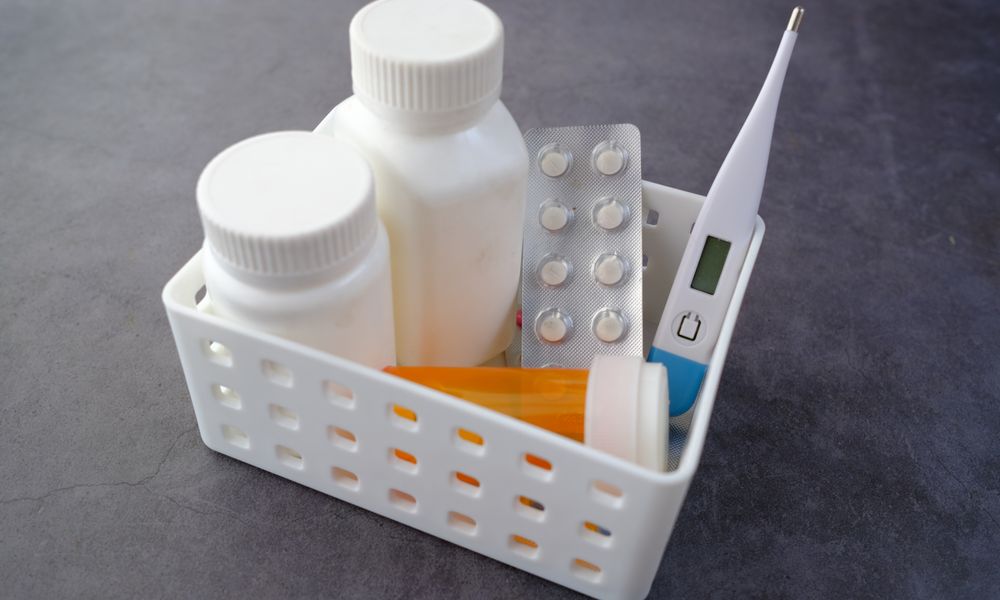
Traveling to Iran in May 2026 means you will likely encounter rising temperatures, especially as you move south toward the Persian Gulf. Health safety is a critical component of travel safety Iran 2026. While Iran boasts a sophisticated medical system in its major cities, the availability of specific medications and the quality of care in rural areas can vary. Furthermore, the ongoing impact of international sanctions can sometimes lead to shortages of specific Western-branded pharmaceuticals. If you have a chronic condition, you must bring a full supply of your medication in its original packaging, along with a signed and stamped letter from your doctor explaining the necessity of the drugs.
Vaccinations and Pre-Travel Health
Before heading to Iran, consult the CDC Iran health recommendations. While there are no mandatory vaccinations for entry (unless arriving from a yellow fever-affected area), it is highly recommended to be up-to-date on Routine Vaccines (MMR, Diphtheria-Tetanus-Pertussis, Varicella, Polio, and your annual flu shot). For 2026, travelers should also consider:
- Hepatitis A: Highly recommended due to the potential for contaminated food or water.
- Typhoid: Recommended for those staying with friends or relatives or visiting smaller cities and rural areas.
- Rabies: A consideration if you plan on hiking or spending significant time outdoors, as stray dogs can carry the virus.
Water, Food Safety, and Environmental Hazards
One of the most common health issues for tourists in Iran is traveler's diarrhea. While tap water in major cities like Tehran is technically treated, the mineral content and local bacterial flora can be harsh on unaccustomed stomachs. To stay safe, stick to bottled water (ensure the seal is intact) and use it even for brushing your teeth. In the heat of May, dehydration is a serious risk. Carry an electrolyte powder to mix with your water, and avoid prolonged sun exposure between 11:00 AM and 4:00 PM. Regarding food, Iran’s culinary scene is a highlight, but use common sense: eat at busy restaurants with a high turnover of customers and ensure meat is cooked thoroughly. Avoid unpeeled fruits and raw vegetables unless you have washed them yourself with treated water.
Air Quality Concerns
Tehran is notorious for its air pollution, which can reach hazardous levels, particularly when there is no wind to clear the smog from the surrounding mountains. In May 2026, while the air is generally better than in the winter months, those with asthma or respiratory issues should monitor local air quality indexes. If levels are high, wearing an N95 mask outdoors and limiting physical exertion is advised. For more general health tips, check out our travel safety blog, where we cover environmental health risks across the Middle East in detail.
Transportation Safety: Navigating Roads and Rails
Transportation is perhaps the most statistically dangerous part of any trip to Iran. The country has one of the highest rates of road traffic accidents in the world. When considering travel safety Iran 2026, your choice of transport can significantly impact your overall risk profile. Iranian driving can be described as "assertive" at best and "chaotic" at worst. Traffic laws are often treated as suggestions, and pedestrians do not have the right of way. Whether you are crossing the street or sitting in a taxi, you must remain vigilant at all times.
Road Travel and Ride-Hailing Apps
If you are traveling between cities, taking a VIP bus is generally safer and more comfortable than hiring a private driver for a long-haul journey. These buses are modern, have professional drivers, and follow regulated routes. For city travel, 2026 sees the continued dominance of local ride-hailing apps like Snapp and Tapsi. These are the Iranian equivalents of Uber and are generally safer than hailing a random car on the street. The apps track the journey via GPS, the driver's identity is registered, and the price is fixed beforehand, eliminating the risk of overcharging or disputes. Always verify the license plate and the driver's photo before entering the vehicle. If you must use a traditional taxi, look for the official yellow or green cars and agree on a price (in Tomans) before starting the engine.
Domestic Flights and Trains
Iran’s aviation industry has struggled under sanctions, leading to challenges in sourcing spare parts for its aging fleet. While many domestic airlines have upgraded their planes through various channels by 2026, aviation safety remains a concern. If you choose to fly domestically (e.g., from Tehran to Shiraz), stick to the more prominent carriers like Iran Air or Mahan Air. Alternatively, the Iranian railway system is an excellent, safe, and scenic way to travel. The trains are generally punctual, well-maintained, and offer a much lower risk profile than road travel. The Tehran-to-Mashhad and Tehran-to-Isfahan lines are particularly popular with tourists for their safety and comfort records.
Safety Tips for Pedestrians
Crossing the street in Tehran is an art form. Do not expect cars to stop for you, even at marked crosswalks. The best strategy is to shadow a local; wait for an Iranian to start crossing and stay close to them. Maintain a predictable pace and make eye contact with drivers. Avoid wearing headphones while walking near traffic, as you need your full auditory senses to detect the ubiquitous motorcycles that often zip through sidewalks and the wrong way down one-way streets.

Cultural Etiquette and Local Laws: Avoiding Legal Pitfalls
In Iran, your safety is inextricably linked to your behavior. Travel safety Iran 2026 is not just about avoiding crime; it’s about respecting the Islamic Republic's legal code and social norms. What might be a minor social faux pas in Europe could lead to a police intervention in Iran. The Iranian authorities take public morality and political expression very seriously. Understanding these "unwritten rules" is the key to a frictionless journey.
The Dress Code and Public Behavior
As of May 2026, the hijab laws remain a point of significant social and legal focus. While enforcement can fluctuate depending on the political climate, the law requires women to cover their hair with a headscarf and wear loose-fitting clothing that covers the arms and legs (a *manteau* or a long tunic). Men should avoid wearing shorts and sleeveless shirts in public. While you will see many young Iranians pushing the boundaries of these rules in cities like Tehran, as a tourist, it is safer to err on the side of modesty. Adhering to the dress code shows respect for local customs and significantly reduces the chance of unwanted attention from the "Morality Police" or conservative locals.
Social Etiquette: The Art of Taarof
You cannot talk about Iran without mentioning Taarof—a complex system of etiquette that governs social interactions. A shopkeeper might refuse your payment, or a taxi driver might tell you the ride is "on the house." This is almost always a gesture of politeness, and you are expected to insist on paying at least three times before they eventually accept. Understanding Taarof is a safety skill; it helps you navigate transactions without causing offense or being misunderstood. Furthermore, Iranians are incredibly curious about foreigners. While most conversations are harmless, avoid discussing politics, the Supreme Leader, or religion. These topics are sensitive, and expressing dissenting views in public can be legally dangerous for both you and your Iranian interlocutor.
The Digital Landscape: Internet and VPNs
In 2026, the Iranian government continues to restrict access to many Western social media platforms and news sites (including Facebook, X/Twitter, and YouTube). To stay connected and access your safety tools, you will need a Virtual Private Network (VPN). However, using a VPN can be a legal grey area. Ensure you have several reputable VPNs installed *before* you arrive in the country, as the websites to download them are blocked within Iran. Be aware that the government can and does monitor digital traffic. Avoid posting anything on social media that could be construed as political activism or criticism of the state while you are still inside the country. Your digital footprint is a component of your overall safety.
Religious Sites and Photography
When visiting mosques or shrines, always check if photography is allowed. Never take photos of government buildings, military installations, or police checkpoints. Even a seemingly innocent photo of a bridge or a telecommunications tower can be interpreted as espionage. If you are unsure, look for signs or ask a nearby official. If someone tells you to stop taking photos, comply immediately and offer to delete the image. Being "helpful and compliant" is always the safest stance when dealing with Iranian officialdom.

Best Practices for Staying Safe as a Tourist
To maximize your travel safety Iran 2026, you should adopt a proactive mindset. This means having a plan for everything from currency exchange to emergency evacuations. Because Iran is cut off from the international banking system (SWIFT), your credit and debit cards will not work. This creates a unique safety challenge: you must carry your entire trip's budget in cash (Euros or US Dollars). Carrying large sums of cash is inherently risky, so splitting your money and hiding it in different locations (a money belt, a hidden pocket in your luggage, and a small "decoy" wallet) is essential.
The Currency Conundrum: Rials vs. Tomans
Money safety in Iran involves understanding the dual currency system. While the official currency is the Rial, locals almost always quote prices in Tomans (1 Toman = 10 Rials). Always clarify which unit is being used before committing to a purchase. To avoid being short-changed or scammed, use official exchange offices (Sarrafi) rather than individual street changers. In 2026, some "Tourist Cards" are available that allow you to deposit your cash and use a local debit card, which is a much safer way to handle your finances.
Solo and Female Travel Safety
Iran is generally very safe for solo travelers, and female travelers often report feeling more secure there than in many other tourist destinations. However, extra precautions are necessary. If you are a woman traveling alone:
- Try to arrive at your destination before dark.
- In public transport like buses, sit in the designated female sections (usually the back) or next to other women.
- On overnight trains, you can request a "female-only" compartment.
- If you feel uncomfortable or followed, head into a shop or a crowded area and ask for help from a local woman.
Emergency Contacts and Phrases
In the event of an emergency, knowing who to call and having a few Farsi phrases can be life-saving. Save these numbers in your phone before you land:
- Police: 110 (General emergencies and crime reporting)
- Ambulance: 115 (Medical emergencies)
- Fire Department: 125
- "Komak!" – Help!
- "Man moshkel daram." – I have a problem.
- "Bimarestan kojast?" – Where is the hospital?
- "Police ra khabar konid." – Call the police.
How TripGuard360 Enhances Your Iran Safety
Given the volatile nature of travel safety Iran 2026, relying on static guidebooks or outdated advice is a risk you shouldn't take. This is where TripGuard360 becomes an essential part of your travel gear. Our platform is designed to provide real-time, hyper-local safety intelligence that traditional travel insurance or news outlets simply can't match. When you're in a country where the situation can shift overnight due to regional geopolitics or local protests, having a "guardian" in your pocket provides invaluable peace of mind.
TripGuard360 monitors thousands of data points, from social media sentiment and local news to official government bulletins. If a protest is planned in the square three blocks from your hotel in Tehran, you'll receive an instant push notification on your phone with instructions on how to avoid the area. If there’s a sudden change in visa regulations or a spike in road accidents on a specific highway, our AI-driven safety engine alerts you before you set out for the day. Our goal is to ensure that you are never the last person to know about a potential threat.
Furthermore, TripGuard360 offers a "Safety Check-In" feature. If you're heading into a remote area like the Lut Desert where signal might be spotty, you can set a timer. If you don't check back in by a certain time, our system can automatically notify your emergency contacts with your last known coordinates. In a country like Iran, where communication can sometimes be difficult, this layer of redundancy is a game-changer. We also provide curated lists of vetted medical facilities and 24/7 access to travel security experts who can guide you through a crisis, whether it’s a lost passport or a medical emergency.
Conclusion: Embrace the Experience with Confidence
Iran is a land of profound beauty, ancient wisdom, and unparalleled hospitality. Visiting in May 2026 offers the chance to experience a culture that has shaped the course of human history for millennia. However, the unique challenges of the Iranian landscape—from the complex legal environment to the intricacies of the "shadow economy"—mean that safety should never be an afterthought. By following the advice in this guide, respecting local customs, and staying vigilant regarding travel safety Iran 2026, you can navigate this incredible country with grace and security.
The key to a successful trip to Iran is information. The more you know about the current situation, the more you can relax and immerse yourself in the wonders of the Silk Road. Don't leave your safety to chance or rely on luck. Take control of your travel security by using tools designed for the modern age. We invite you to explore the rest of our platform and see how we can make your next adventure your safest one yet.
Ready to explore the world with total peace of mind? Sign up for TripGuard360 today and get real-time safety alerts, expert advice, and 24/7 support for your 2026 travels. Whether you're heading to the bazaars of Isfahan or the peaks of the Alborz Mountains, we’ve got your back. Don't just travel—travel smart.