Is Iraq Safe in May 2026? Current Security & Risks
Understanding the Landscape: Is Iraq Safe in May 2026?
For many travelers, the question "is iraq safe in may 2026" is met with a complex array of answers. Iraq is a nation of profound historical significance, home to the cradle of civilization, yet it remains one of the most volatile environments for international visitors. As we move through the second quarter of 2026, the security landscape is characterized by a "dual-reality" system: the relatively stable Kurdistan Region of Iraq (KRI) in the north and the more unpredictable Federal Iraq (including Baghdad and the southern provinces).
Travelers must understand that safety in Iraq is not a binary concept. It is a fluid state that depends heavily on your specific location, your profile as a traveler, and your level of local support. Currently, the U.S. Department of State maintains a Level 4: Do Not Travel advisory for the entirety of the country, citing terrorism, kidnapping, and armed conflict. However, adventure tourists and business professionals continue to visit, particularly focusing on the "Green Zone" in Baghdad and cities like Erbil and Sulaymaniyah.
In May 2026, the geopolitical situation remains tense. While the territorial "caliphate" of ISIS was defeated years ago, remnant cells continue to operate in the rural "disputed territories" between the KRI and Federal Iraq. These groups frequently conduct low-level insurgency attacks, primarily targeting security forces, though the risk of collateral damage to civilians remains a critical safety concern. Furthermore, the presence of various armed militias, some with foreign backing, adds a layer of complexity to the security apparatus that even experienced travelers find difficult to navigate.

Federal Iraq vs. Kurdistan Region of Iraq (KRI)
The safety profile of Federal Iraq differs significantly from the KRI. In Baghdad, the capital, security has seen incremental improvements in terms of urban infrastructure, but the threat of improvised explosive devices (IEDs) and indirect fire (rockets) targeting international installations persists. Most Westerners in Baghdad reside and work within the heavily fortified International Zone, commonly known as the Green Zone. Outside this area, the risk of kidnapping for ransom remains a primary threat to foreign nationals.
In contrast, the Kurdistan Region (Erbil, Duhok, and Sulaymaniyah) has historically been the safest entry point for Westerners. In May 2026, Erbil continues to function as a modern hub with international hotels and a more relaxed social atmosphere. However, even the KRI is not immune to regional spillover. Over the last year, Erbil has been the target of periodic ballistic missile and drone attacks launched by regional actors targeting what they claim are foreign intelligence outposts. These incidents are sporadic but high-impact, often occurring with little to no warning.
If you are planning to visit, you should consult our our travel guides for specific city-by-city breakdowns. The "safety bubble" in Erbil is much larger than in Baghdad, but it is not impenetrable. Navigating the checkpoints between the KRI and Federal Iraq requires specific documentation and is often a site of significant delay and scrutiny by Peshmerga or Iraqi Security Forces (ISF).
Current Terrorism and Insurgency Threats
The threat of terrorism in Iraq during May 2026 remains persistent and multifaceted. ISIS (Da’esh) survives as a clandestine network. Their tactics have shifted from holding territory to "hit-and-run" operations, particularly in provinces like Diyala, Kirkuk, and Saladin. These areas are considered high-risk zones where travel is strongly discouraged. Public spaces, including markets, religious sites, and transport hubs, are potential targets for suicide bombings, although the frequency of such large-scale attacks in urban centers has decreased compared to the previous decade.
Beyond ISIS, there is the risk posed by Iran-aligned militias (Popular Mobilization Forces or PMF). While these groups are officially part of the Iraqi security apparatus, many operate with significant autonomy. Tensions between these groups and Western interests can lead to civil unrest, targeted protests, or rocket fire toward embassies and military bases. In May 2026, the risk of being caught in the crossfire of regional proxy conflicts is perhaps the most unpredictable variable for foreign travelers.
Standard safety protocols for those who must travel include:
- Varying travel routes and timings to avoid predictability.
- Utilizing armored vehicles and professional security details for all movements in Federal Iraq.
- Maintaining a low profile and avoiding any public discussion of your itinerary or purpose of visit.
- Registering with your national embassy via programs like STEP (Smart Traveler Enrollment Program).
Seasonal Risks: Weather, Religious Festivals, and Civil Unrest
When asking "is iraq safe in may 2026", one must look beyond bullets and bombs. The environmental and cultural calendar plays a massive role in traveler safety. May marks the transition from the relatively mild Iraqi spring into the scorching heat of summer. It is also a period where atmospheric conditions lead to significant disruptions.
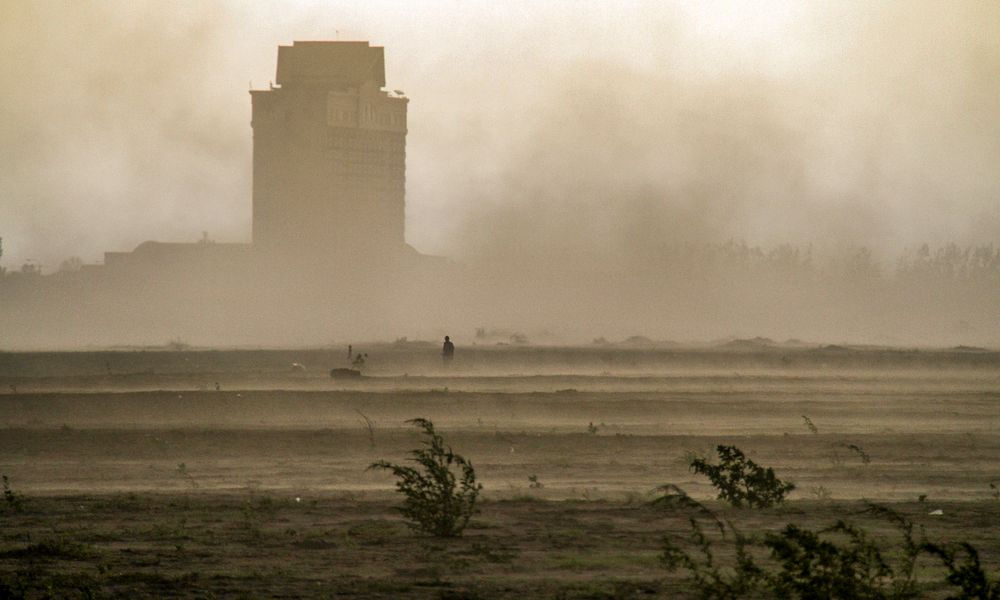
One of the most underestimated risks in Iraq during May is the frequency of severe dust storms. These storms, driven by the "Shamal" winds, can reduce visibility to near zero in minutes, grounding flights at Baghdad International Airport (BGW) and Erbil International Airport (EBL). For a traveler, this isn't just an inconvenience; it can be a security risk, as being stranded in transit or stuck on a highway increases your vulnerability to crime or opportunistic attacks.
The Impact of Eid al-Adha 2026 on Safety
A critical factor for May 2026 is the timing of Eid al-Adha. In 2026, the festival is expected to begin around May 27. This is one of the most important holidays in the Islamic calendar, involving mass gatherings, animal sacrifices, and significant internal migration as families travel to visit relatives. While Eid is a time of celebration, it presents specific risks for travelers:
- Security Surges: During major holidays, the Iraqi government typically implements tightened security measures. This often includes additional checkpoints, road closures, and "curfews-lite" in major cities to prevent terrorist attacks targeting holiday crowds.
- Increased Targeting: Historically, extremist groups have used religious holidays to conduct high-profile attacks to maximize casualties and media impact. Security forces will be on high alert throughout the final week of May.
- Logistical Standstill: Many government offices, banks, and businesses will close for 3 to 5 days. If you encounter a legal or administrative issue during this time, resolution will be delayed.
- Crime Peaks: While violent crime is a concern, opportunistic petty crime can increase in crowded market areas where people gather for Eid shopping.
For more on how to navigate religious holidays in the Middle East, check out our travel safety blog for updated cultural etiquette guides. Understanding the nuances of Eid—such as the proper way to dress and the expectations regarding business hours—is essential for minimizing unwanted attention.
Heatwaves and Dust Storms in May
By late May, temperatures in Southern Iraq and Baghdad frequently exceed 40°C (104°F). For many Western travelers, this level of heat is not just uncomfortable; it is a medical emergency. Heat exhaustion and heatstroke are common. Furthermore, Iraq’s power grid is notoriously unstable. During May, as the demand for air conditioning spikes, widespread blackouts occur. If your accommodation does not have a reliable backup generator, you may find yourself without cooling or water pumping capabilities in extreme heat.
Furthermore, the World Health Organization (WHO) has previously noted the respiratory impact of Iraq's increasing frequency of dust storms, which are exacerbated by climate change and desertification. In May 2026, the "yellow sky" phenomenon can lead to the total closure of public life. Travelers with asthma or cardiovascular conditions are advised to avoid Iraq during this time, as local medical facilities may be overwhelmed with respiratory cases during a major storm.
Significant Changes Since May 2025
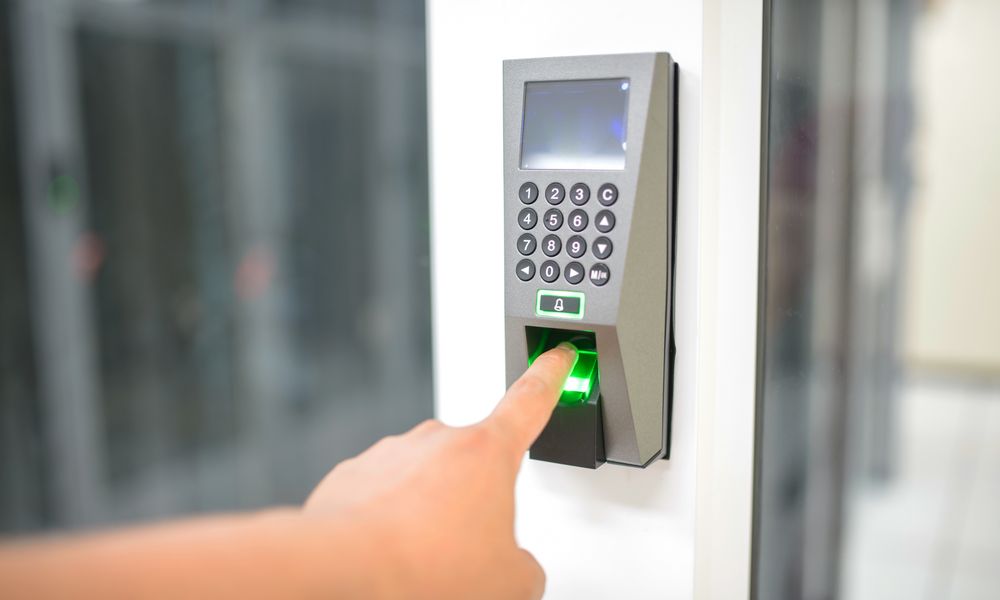
Comparing May 2026 to the previous year, several shifts have occurred in the Iraqi security landscape. One of the most notable changes is the increased integration of biometric surveillance in major urban centers. Baghdad has expanded its "Smart City" security initiative, installing thousands of high-definition cameras with facial recognition capabilities. While this has helped local police curb some kidnapping rings, it also means that the movements of foreigners are more closely tracked by the state, raising privacy and cybersecurity concerns.
Another shift is the gradual withdrawal of international coalition forces. As the "Operation Inherent Resolve" mission transitions into a bilateral security relationship, there is less of a visible Western military presence on the streets. This has led to a "security vacuum" in some rural areas, which ISIS has attempted to exploit. Conversely, the Iraqi Golden Division (Special Forces) has become more proficient, taking the lead on counter-terrorism raids with high success rates in late 2025 and early 2026.
Evolving Regional Geopolitics and Drone Attacks
The biggest change since last year is the normalization of drone warfare in the region. In 2025, drone incursions were considered rare escalations; by May 2026, they have become a semi-regular occurrence in the political signaling between regional powers. For the traveler, this means that even "safe" areas like Erbil’s luxury hotels near the airport are within the potential strike zone. While these drones are rarely aimed at tourists, the risk of technical failure or debris falling into residential areas is a new reality of Iraqi travel.
Improved Infrastructure and Tourism Initiatives
On a more positive note, the Iraqi Ministry of Culture and Tourism has made strides in rehabilitating archaeological sites like Babylon and Ur. In May 2026, access to these sites is better than it was a year ago, with improved road links from Baghdad. The visa-on-arrival program for citizens of over 30 countries (including the US, UK, EU, and Canada) remains in effect at major airports, significantly simplifying the entry process compared to the bureaucratic hurdles of five years ago. However, the ease of entry should not be mistaken for an endorsement of safety; the security risk remains extreme regardless of your visa status.
Logistics and Health: Navigating Iraq in Late Spring
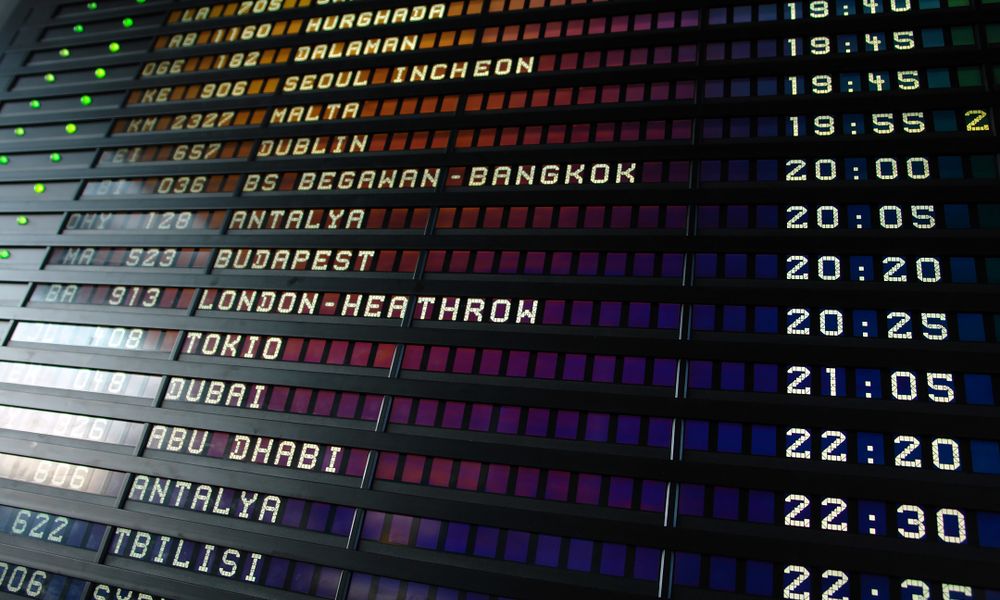
Traveling to Iraq in May 2026 requires meticulous logistical planning. The infrastructure, while recovering, is fragile. Flight disruption risks are a major consideration. Iraqi Airways and various regional carriers (Qatar Airways, Emirates, Turkish Airlines) serve Baghdad and Erbil, but the Turkish government frequently imposes flight bans on Erbil-bound flights due to political tensions with the KRI authorities. This can lead to last-minute cancellations, leaving travelers stranded or forced to take risky overland routes through Federal Iraq.
Currency and Finance: Iraq remains a cash-heavy society. While some high-end hotels in Baghdad and Erbil accept international credit cards, the vast majority of transactions are done in Iraqi Dinars (IQD) or US Dollars. In May 2026, the exchange rate can be volatile due to government efforts to combat dollar smuggling. Travelers should carry crisp, new US banknotes (post-2013) as older or slightly torn bills are often rejected.
Flight Disruption Risks and Airspace Safety
The safety of Iraqi airspace is a constant topic of debate among international aviation authorities. While major carriers continue to fly into the country, they often utilize specific corridors to avoid areas of active military operations. In May 2026, the risk of airspace closure is "Moderate to High" during periods of regional tension. If a drone attack occurs near an airport, all flights are grounded immediately, often for 24 to 48 hours. Travelers must have contingency funds and "escape" plans that do not rely solely on the next scheduled flight.
Active Health Advisories for May 2026
Medical facilities in Iraq are generally below Western standards, especially outside of Erbil and Baghdad's International Zone. According to the Centers for Disease Control and Prevention (CDC), travelers should be up-to-date on vaccinations for Hepatitis A, Hepatitis B, Typhoid, and Rabies. In May 2026, the following health risks are particularly active:
- Cholera: Sporadic outbreaks often occur in late spring as temperatures rise and water quality fluctuates. Only consume bottled, sealed water and avoid raw vegetables or unpeeled fruit.
- Leishmaniasis: Transmitted by sandflies, this parasitic disease is prevalent in rural areas. Use high-DEET insect repellent, especially at dusk.
- Crimean-Congo Hemorrhagic Fever (CCHF): Often linked to livestock, the risk increases during Eid al-Adha due to the widespread slaughtering of animals in public spaces. Avoid contact with raw animal blood and ensure meat is thoroughly cooked.
- Polio: Iraq is considered a country with circulating vaccine-derived poliovirus. Ensure you have a documented polio booster before arrival.
Risk Rating and Final Recommendations
So, is iraq safe in may 2026? Our overall assessment for a standard independent traveler is HIGH RISK. For those on an organized, high-security tour or business mission, the risk is MANAGEABLE but requires constant vigilance.
Realistic Risk Rating by Region (May 2026):
- Kurdistan Region (Erbil/Sulaymaniyah): 3/5 (Moderate Risk). High threat of regional rocket/drone strikes; low threat of street crime; potential for political protests.
- Baghdad (Green Zone): 3.5/5 (Moderate-High Risk). Very safe within the zone, but transit to/from the airport is the primary vulnerability.
- Baghdad (Outer City): 4.5/5 (High Risk). Risk of kidnapping, IEDs, and civil unrest.
- Southern Provinces (Basra/Najaf/Karbala): 4/5 (High Risk). High heat risks; potential for militia-led protests; significant security presence.
- Disputed Territories (Kirkuk/Diyala): 5/5 (Extreme Risk). Active insurgency; DO NOT TRAVEL.
To mitigate these risks, you must have access to real-time intelligence. Relying on news reports that are 24 hours old is not enough in a country where the security situation can deteriorate in minutes.
Real-Time Monitoring with TripGuard360
In an environment as volatile as Iraq, information is your most valuable asset. This is where TripGuard360 becomes essential for any traveler heading to the Middle East in 2026. TripGuard360 doesn't just provide static reports; it monitors the ground in Iraq 24/7 using a combination of AI-driven news scraping, social media sentiment analysis, and local boots-on-the-ground intelligence.
If a dust storm begins to roll toward Baghdad International Airport, or if a protest is localized in Erbil's city center, TripGuard360 pushes a high-priority alert directly to your smartphone and your emergency contacts. Our system tracks:
- Airspace Status: Instant notification if BGW or EBL airports are closed or if flights are being diverted.
- Protest Tracking: Real-time heat maps of civil unrest in Baghdad and Basra.
- Security Incident Feeds: Verified reports of explosions, gunfire, or militia movements near your GPS location.
- Health Alerts: Warnings of localized disease outbreaks or environmental hazards like extreme heatwaves.
Traveling to Iraq in May 2026 is a high-stakes endeavor. Don't leave your safety to chance or outdated advice. Stay one step ahead of the risks.
Ready to secure your journey? Try TripGuard360 for free today and travel with the confidence of real-time safety monitoring at your fingertips.