Is Israel Safe to Visit in May 2026? Essential Travel Warnings
For centuries, Israel has captivated the imaginations of travelers from every corner of the globe. It is a land where ancient history and cutting-edge modernity coexist in a compact, geographically diverse landscape. From the sacred, centuries-old alleyways of Jerusalem’s Old City to the sun-drenched, cosmopolitan beaches of Tel Aviv, the country offers an unparalleled wealth of cultural, historical, and spiritual experiences. Visitors can float effortlessly in the hypersaline waters of the Dead Sea, explore the dramatic desert fortress of Masada, hike through the lush, rolling hills of Galilee, or savor world-class culinary innovations in bustling urban markets. The magnetic pull of the Holy Land is undeniable, attracting millions of religious pilgrims, history enthusiasts, and adventure seekers year after year.
However, planning a journey to this region requires more than just booking flights and selecting hotels. The geopolitical landscape of the Middle East is exceptionally complex and subject to rapid, unpredictable shifts. For those considering a trip, understanding the realities of travel safety israel 2026 is the absolute foundation of a successful and secure journey. May 2026 presents a highly challenging security environment, characterized by heightened regional tensions, revised diplomatic postures, and evolving local security protocols. Navigating this landscape successfully demands a comprehensive, clear-eyed assessment of current risks, official government advisories, regional hot zones, public safety infrastructure, and real-time security tracking. This detailed guide is designed to provide you with the essential information, safety strategies, and resources needed to evaluate your travel plans and protect yourself while in the country.
Understanding Travel Safety Israel 2026: An Overview of the Geopolitical Landscape
Any responsible discussion regarding travel safety in Israel must begin with a thorough examination of the country’s current geopolitical standing. The regional security environment is highly fluid, and conditions can change from calm to highly volatile with virtually no advance warning. Travelers visiting in May 2026 must recognize that they are entering a nation that operates under a continuous state of high-alert security, where regional dynamics directly impact daily civilian life and transport infrastructure.
The Current Geopolitical Environment and Security Status
The security landscape in early 2026 remains highly tense following a series of significant regional military developments. Notably, in late February 2026, joint military strikes conducted by the United States and Israel in Iran led to immediate security alerts across the Middle East, triggering widespread airspace closures and the suspension of flights by major international airlines, including carriers like Air France, KLM, Japan Airlines, and Lufthansa. While some commercial flight operations have periodically resumed, flight schedules remain highly vulnerable to sudden cancellations, reroutings, and airspace restrictions depending on active threat assessments.
Beyond regional airstrikes, Israel continues to face localized security threats. These include the potential for rocket fire, rocket interceptions by the Iron Dome air defense system, and drone incursions originating from neighboring territories. Armed conflict and civil unrest remain constant variables. Therefore, anyone evaluating travel safety israel 2026 must understand that traditional tourism cannot be treated as a typical holiday; it requires a commitment to active risk mitigation, constant monitoring of local news, and a high degree of adaptability to rapidly changing conditions.
What the U.S. State Department and UK FCDO Advisories Say
Before making any travel commitments, it is critical to consult the official positions of major global governments. In late February 2026, the U.S. Department of State Travel Advisory for Israel formally authorized the departure of non-emergency U.S. government personnel and their family members from Mission Israel due to ongoing, severe safety risks. The U.S. government maintains a strict warning advisory, emphasizing that the security environment remains highly complex and that violence can occur without warning.
Similarly, the UK Foreign, Commonwealth & Development Office (FCDO) actively advises against all travel to Israel and the Occupied Palestinian Territories. The FCDO warns that regional escalation poses severe security threats, can lead to sudden transport disruptions, and may restrict the ability of consulates to provide routine or emergency assistance to stranded nationals. When planning a trip under these circumstances, it is highly recommended to read our travel safety blog to understand how these government warnings affect travel insurance policies, as many standard providers will void coverage if you travel to a destination with active "Do Not Travel" or "Avoid All Travel" warnings. Additionally, checking our travel guides can help you stay informed on which regions of the world are currently experiencing similar security transitions.
Specific High-Risk Areas to Avoid in Israel
For travelers who do choose to visit Israel in May 2026, certain areas of the country must be completely avoided under all circumstances due to extreme risk of violence, military action, or kidnapping. These areas include:
- The Gaza Strip and Gaza Border Areas: Gaza is an active, highly dangerous war zone. The U.S. government and other global authorities are completely unable to provide any consular or emergency assistance to citizens inside Gaza. The border regions surrounding the Gaza Strip remain highly militarized and are subject to regular security closures and rocket fire.
- The Northern Border with Lebanon: The border area known as the Blue Line is exceptionally volatile. Ongoing hostilities with Hezbollah in southern Lebanon present a continuous risk of rocket attacks, anti-tank missile fire, and drone strikes. Major towns in the Upper Galilee, such as Kiryat Shmona, Metula, and Nahariya, should be entirely avoided.
- The Golan Heights: Bordering Syria, this region is heavily fortified and remains a potential target for rocket attacks and cross-border military incursions. It is considered a high-risk zone for non-essential travel.
- The West Bank: The West Bank experiences frequent military operations, security checkpoints, civil unrest, and localized clashes between security forces and local populations. Travel within the West Bank is highly unpredictable, and checkpoints can close instantly, leaving travelers stranded.
- Specific Areas in East Jerusalem: While the tourist areas of Jerusalem are heavily policed, localized tensions are common. Areas such as the Damascus Gate, parts of the Old City during Friday prayers, and neighborhoods like Silwan and Sheikh Jarrah can experience spontaneous protests, rock-throwing, and security crackdowns.
Crime, Local Security, and Travel Safety Israel 2026 Best Practices
While the broader geopolitical situation represents the most severe risk to travelers, understanding local security, emergency procedures, and day-to-day crime rates is equally vital for maintaining your safety as a tourist.
Petty Crime, Scams, and Tourist Safety in Tel Aviv and Jerusalem
When compared to many other major global cities, Israel has a relatively low rate of violent street crime, such as armed muggings or physical assaults. However, petty crime remains a persistent issue, particularly in high-density tourist hotspots. Pickpocketing, bag snatching, and smart-phone theft are common in crowded areas. Hotspots for petty theft include the public beaches of Tel Aviv, the busy boardwalks, and popular markets such as the Carmel Market (Shuk Ha'Carmel) and Levinsky Market. In Jerusalem, pickpockets operate frequently within the narrow, crowded alleys of the Old City souks, especially near major religious sites like the Western Wall and the Church of the Holy Sepulchre.
Additionally, travelers should be alert to localized tourist scams. The most common of these involves unlicensed or dishonest taxi drivers. In Israel, law requires taxi drivers to use a meter ("moneh") for all trips. However, some drivers may claim the meter is broken or try to negotiate an inflated flat rate with unsuspecting tourists, especially when picking up passengers from Ben Gurion Airport or major hotels. Always insist that the driver turn on the meter before the car starts moving. Alternatively, use reputable ride-hailing applications like Gett, which allow you to book licensed taxis with pre-calculated, transparent pricing, minimizing the risk of extortion. Other minor scams include street vendors overcharging for souvenirs or unregulated individuals offering "guided tours" of holy sites at exorbitant rates. Always verify credentials and agree on prices before accepting any services.
Understanding Public Safety Drills and Rocket Sirens
A unique and critical aspect of travel safety israel 2026 is understanding the country’s defensive infrastructure and emergency alert systems. Because of the ongoing threat of rocket attacks, Israel has developed a highly sophisticated and effective civil defense system managed by the Home Front Command (Pikud HaOref).
If a rocket or missile is detected, localized air defense sirens—known as the "Red Color" (Tzeva Adom) alert—will sound in the affected areas. The siren is a loud, rising and falling wailing tone. The moment you hear this siren, you must take immediate shelter. The amount of time you have to reach safety depends entirely on your geographical location within the country. In areas close to the northern or southern borders, you may have as little as 15 seconds. In central coastal areas like Tel Aviv, or inland cities like Jerusalem, you generally have approximately 90 seconds to secure yourself. You should familiarize yourself with the following security procedures and shelter types:
- Mamad (Residential Secure Space): This is a reinforced concrete room built into modern apartments and houses, featuring steel blast doors and window shutters. If you are staying in a modern rental or hotel room, locate the Mamad immediately upon arrival.
- Mamak (Floor Secure Space): Located in public, commercial, or multi-story buildings, these are reinforced rooms designated for everyone on a specific floor.
- Miklat (Public Bomb Shelter): These are public, often underground, shelters located throughout neighborhoods and municipal areas. They are marked with prominent yellow signs in Hebrew, Arabic, and English.
- If You Are Outdoors: If no shelter is nearby, enter the closest concrete building and head to the stairwell. Stairwells offer excellent structural protection against blasts. Ensure you stay away from windows and outer walls. If you are in an open area with no buildings, lie flat on the ground, cover your head with your hands, and remain still.
Crucially, you must adhere to the 10-minute rule. Always remain inside the shelter for at least 10 minutes after the siren has stopped. This is because the Iron Dome system frequently intercepts incoming rockets, resulting in a delay as heavy shrapnel, burning debris, and interception fragments fall to the ground, which can cause severe injury or death to anyone who exits a shelter too early. Furthermore, downloading the official Home Front Command mobile application is mandatory; it uses your phone's GPS to push instant, localized sirens and safety instructions directly to your device.

Health and Medical Preparedness: Vaccinations and Tap Water Safety
Protecting your physical health is just as essential as securing your personal safety when traveling. Proper preparation ensures that you do not fall victim to preventable illnesses or find yourself stranded without adequate medical care.
Essential Travel Vaccinations for Israel
According to the health guidelines published by the U.S. Centers for Disease Control and Prevention (CDC), all travelers visiting Israel should be fully up-to-date on routine vaccinations. These include the Measles-Mumps-Rubella (MMR) vaccine, Diphtheria-Tetanus-Pertussis (Tdap) vaccine, Varicella (chickenpox) vaccine, Polio vaccine, and your yearly Influenza shot.
In addition to routine immunizations, specific travel vaccinations are strongly recommended for most visitors to Israel:
- Hepatitis A: Recommended for all travelers over one year of age, as the virus can be transmitted through contaminated food or water, even in modern urban environments.
- Hepatitis B: Recommended for travelers who may have sexual contact with a new partner, receive medical or dental treatment, or get a tattoo or piercing while abroad.
- Typhoid: Recommended for travelers visiting smaller cities, rural areas, or those who are adventurous eaters, as typhoid is transmitted through contaminated food and water.
- Rabies: Rabies is present in wild animal populations (such as jackals, bats, foxes, and stray dogs) in northern and southern rural regions of Israel. A pre-exposure rabies vaccine is recommended for travelers spending significant time outdoors, hiking, or working with animals. If you are bitten or scratched by any animal, seek immediate medical attention, as rabies is 100% fatal if left untreated.
Water Safety, Heat Mitigation, and Medical Infrastructure
A common concern for tourists is tap water safety. In Israel, municipal tap water is treated, chlorinated, and generally considered completely safe to drink in all major cities and towns. However, the mineral content of the water may differ significantly from what your body is accustomed to, which can sometimes cause mild stomach upset or digestive changes in sensitive travelers. To avoid any discomfort, you may prefer to drink bottled or filtered water, especially during the first few days of your stay.
A far more prevalent health hazard in May is the extreme climate. May marks the transition from spring to summer, bringing intense heat waves known locally as the Hamsin or Sharav. These are hot, dry desert winds blowing from the east, carrying fine dust and sand from the Sahara and Arabian deserts. During a Hamsin, temperatures in inland areas, the Dead Sea basin, Eilat, and the Negev Desert can easily exceed 40°C (104°F) with extremely low humidity. Dehydration, severe sunburn, and heat exhaustion can occur rapidly under these conditions. To protect yourself, you should drink at least 3 to 4 liters of water daily, carry oral rehydration salts, wear lightweight, loose-fitting, light-colored clothing, apply broad-spectrum sunscreen with an SPF of 30 or higher, and avoid strenuous outdoor activities or hiking during the peak sun hours of 11:00 AM to 4:00 PM.
Should you require medical attention, Israel has a world-class healthcare system. Its hospitals, clinics, and medical staff are highly trained, modern, and widely fluent in English. Major institutions, such as the Tel Aviv Sourasky Medical Center (Ichilov Hospital) and the Hadassah University Medical Center in Jerusalem, offer exceptional emergency services. However, medical care for non-residents is extremely expensive. It is absolutely imperative that you secure comprehensive travel medical insurance that specifically covers emergency medical treatment and medical evacuation. In May 2026, with the risk of sudden regional airspace closures and airline cancellations, having insurance that covers the cost of private medical evacuation is a critical safeguard.

Transportation Safety, Navigation, and Cultural Etiquette
Moving through Israel and interacting with its culturally diverse population requires a firm grasp of both the physical transport network and the deep-seated customs that dictate daily life.
Navigating Public Transportation, Taxis, and Road Safety
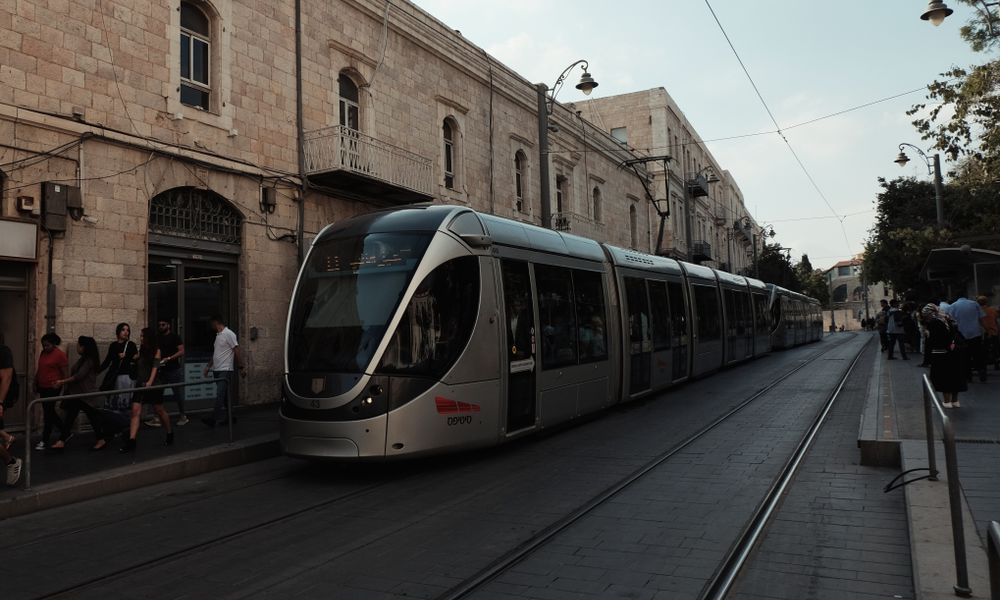
Israel possesses a highly efficient, modern public transportation network consisting of trains, light rail systems, and public buses operated by companies like Egged and Dan. To use public transit, travelers must purchase and pre-load a smart card known as the Rav-Kav. Cash is not accepted by bus drivers. While the public transit system is clean, affordable, and punctual, transit hubs, central bus stations (such as the sprawling Tel Aviv Central Bus Station), and crowded trains can occasionally be targets for localized security incidents or protests. Always maintain a high level of situational awareness, keep your belongings secure, and report any unattended bags or suspicious behavior to security personnel immediately.
If you choose to rent a car, prepare for a fast-paced and occasionally aggressive driving culture. Israeli drivers are known for tailgating, rapid lane changes without signaling, and frequent use of their car horns. Speed limits are strictly enforced by automated traffic cameras, and fines for speeding or using a mobile phone while driving are severe. If driving in the southern desert regions, such as the Negev or Judean Desert, be highly vigilant regarding weather forecasts. Unseasonable rains, even miles away in the mountains, can cause sudden and devastating flash floods in dry desert canyons (wadis). These floods can sweep across major highways with immense force, easily carrying away vehicles. Never attempt to drive through a flooded road or wadi. Furthermore, hitchhiking (known locally as "trempiada") is highly dangerous in Israel and the Palestinian territories and is strongly discouraged by all international security agencies due to historical cases of abductions.
Cultural Customs, Etiquette, and Dress Codes
Israel is a vibrant mosaic of deeply religious and secular communities, including Jewish, Muslim, Christian, and Druze populations. Respecting local customs is essential for both cultural etiquette and personal safety.
The Jewish Sabbath—known as Shabbat—runs from Friday afternoon shortly before sunset until Saturday nightfall. During Shabbat, Jewish-majority cities experience a significant halt in activity. Public transport (trains and municipal buses) stops completely, most businesses, supermarkets, and restaurants close, and streets can become exceptionally quiet. In highly religious Jewish neighborhoods, such as Mea Shearim in Jerusalem or parts of Bnei Brak, driving a vehicle during Shabbat is considered highly offensive. Residents may block roads, and attempts to drive through these areas can result in angry confrontations or stones being thrown at your vehicle. It is best to avoid driving in or near religious neighborhoods from Friday afternoon to Saturday night.
Modest dress is required when visiting any religious or holy site, regardless of the faith. When visiting synagogues, the Western Wall, churches, or mosques, both men and women should dress conservatively. Women should cover their shoulders, chest, and knees. Men should wear long trousers and avoid sleeveless shirts. At Jewish holy sites, men are expected to cover their heads (cardboard kippahs are often provided at the entrance). When entering a mosque, visitors must remove their shoes, and women are required to cover their hair with a headscarf. Additionally, keep in mind that the geopolitical situation is a deeply personal and emotional topic for locals. Avoid initiating political debates, discussing military actions, or expressing strong partisan opinions with residents, as these conversations can quickly escalate into hostile situations.
Emergency Protocols, Useful Phrases, and TripGuard360 Integration
In a dynamic and volatile safety environment, having a clear emergency protocol and immediate access to security assistance can make all the difference in an unexpected crisis.
Local Emergency Contacts and Key Hebrew/Arabic Phrases
Before arriving in Israel, you should program the primary local emergency contact numbers into your mobile phone. These services are highly responsive, and operators generally speak English:
- National Police (Mishtara): Dial 100 (For active security threats, crime reporting, or civil unrest)
- Medical Emergency (Magen David Adom / Ambulance): Dial 101 (For urgent medical assistance)
- Fire and Rescue Service (Kaba): Dial 102 (For fires, hazardous materials, or structural entrapment)
- Home Front Command (Pikud HaOref): Dial 104 (For real-time rocket shelter information and safety drills)
- U.S. Embassy Jerusalem: +972-2-630-4000 (Located at 14 David Flusser Street)
- U.S. Embassy Branch Office Tel Aviv: +972-3-519-7575
- UK Consulate General Jerusalem: +972 (0)2 541 4100
- UK Embassy Tel Aviv: +972 (0)3 725 1222
Additionally, learning a few basic emergency phrases in Hebrew and Arabic can help you communicate quickly with locals during a crisis:
- "Where is the shelter?"
- Hebrew: Efo hamiklatt?
- Arabic: Ayna al-malja'?
- "Help!"
- Hebrew: Hatzilu!
- Arabic: Al-najda! (or Sa'iduni!)
- "Call an ambulance!"
- Hebrew: Tazminu ambulanze!
- Arabic: Ittasilu bi-sayyarat al-is'af!
- "Where is the hospital?"
- Hebrew: Efo Beit Cholim?
- Arabic: Ayna al-mustashfa?
- "Police"
- Hebrew: Mishtara
- Arabic: Shurta
Real-Time Security with TripGuard360: Your Personal Safety Companion
In the rapid-fire security environment of May 2026, relying on static, outdated travel brochures, printed guidebooks, or blog posts written months ago is a critical safety mistake. As we have seen with the joint military strikes, airspace closures, and authorized embassy departures earlier this year, security threats in the Middle East can materialize in a matter of minutes. A highway that was completely safe and open in the morning can easily become a restricted military zone or the site of an active rocket warning by the afternoon.
This is where TripGuard360 completely revolutionizes your travel security. TripGuard360 is an advanced, AI-driven personal safety platform designed specifically to monitor dynamic travel risks and protect you in real-time. By integrating localized data feeds, emergency services, and live intelligence, TripGuard360 serves as your active digital bodyguard throughout your journey:
- Hyper-Local Geolocation Alerts: TripGuard360 monitors your precise physical location and delivers instant push notifications the second a security threat, rocket siren, or civil protest occurs within your immediate vicinity. This gives you precious minutes to react before the situation escalates.
- Dynamic Safe-Routing: If a road closure, military checkpoint, or civil demonstration blocks your planned route, TripGuard360's advanced navigation engine automatically recalculates your path, steering you safely away from conflict zones.
- Embassy Registry & STEP Integration: We make it easy to automatically register your trip details with programs like the Smart Traveler Enrollment Program (STEP), and provide direct, one-tap connection lines to your home country's embassy or consulate in the event of an emergency evacuation or authorized departure.
- 24/7 Human-Backed Security Monitoring: If you find yourself in an unfamiliar neighborhood or feel unsafe, you can activate our live monitoring feature. A dedicated team of travel security specialists will track your position and provide direct, voice-guided support to help you reach safety.
Conclusion: Taking Control of Your Travel Safety in Israel
Traveling to Israel is an incredibly profound experience, offering a deep connection to history, diverse cultures, and stunning natural landscapes. However, visiting in May 2026 presents an undeniable array of high-stakes security challenges. From tracking fluid geopolitical escalations and respecting local religious customs to navigating intense desert heat waves and understanding rocket siren protocols, a successful trip requires meticulous preparation, unwavering situational awareness, and the right protective tools.
Do not leave your physical security, peace of mind, and travel investments to chance. Prepare for the unexpected and take absolute control of your journey by utilizing the real-time security tracking and emergency monitoring features of TripGuard360. Our platform ensures that you are never left in the dark during a crisis, giving you the critical intelligence and live assistance needed to explore the world with confidence. Sign up for TripGuard360 today, secure your trip, and experience what it means to travel with true peace of mind.