Is Japan Safe in 2026? 5 Risks Travelers Must Know
Navigating the Landscape of Travel Safety in Japan 2026
Japan remains one of the most captivating destinations on earth, a place where the neon-drenched skyscrapers of Tokyo stand in perfect harmony with the ancient, moss-covered temples of Kyoto. As we look toward May 2026, the allure of the "Land of the Rising Sun" has never been stronger. Travelers flock here to experience the world-renowned hospitality (omotenashi), the unparalleled culinary scene, and the seamless blend of traditional culture and futuristic technology. Whether you are planning to witness the final flickers of the spring blossoms or preparing for the early summer festivals, understanding travel safety Japan 2026 is the cornerstone of a stress-free adventure.
In 2026, Japan continues to hold its reputation as one of the safest countries globally. However, the travel landscape has evolved. Following the post-pandemic tourism surge and the continued digitization of Japanese society, new nuances in safety have emerged. From the complexities of Golden Week crowds (which typically runs from late April through the first week of May) to the shifting regulations regarding international drivers and digital payments, being an informed traveler is your best defense. This guide provides a deep dive into everything you need to know to stay secure, healthy, and culturally respectful during your May 2026 visit.
General safety in Japan is exceptionally high, with the country consistently ranking in the top ten of the Global Peace Index. Violent crime is remarkably rare, and it is not uncommon to see children commuting alone on public trains or locals leaving their bags unattended in cafes while they order. Despite this, "safe" does not mean "risk-free." The primary concerns for tourists in 2026 involve petty theft in crowded hubs, nightlife-related scams, and the ever-present reality of natural disasters. By checking our travel safety blog regularly, you can stay updated on shifting local conditions before you depart.

Crime Rates and Areas of Caution for Travelers
When discussing travel safety Japan 2026, it is vital to distinguish between the country's general peace and the specific risks found in major urban centers. While you are unlikely to encounter physical confrontation, certain districts require a higher level of situational awareness. In Tokyo, districts like Kabukicho (Shinjuku) and Roppongi remain hotspots for nightlife-related incidents. While these areas are iconic for their entertainment, they are also home to "touts"—individuals who attempt to lure tourists into bars with promises of cheap drinks or "free" entertainment.
The U.S. Department of State frequently warns travelers about "drink spiking" and credit card fraud in these specific entertainment districts. In 2026, these scams often involve high-pressure tactics where a tourist is presented with an exorbitant bill after a few drinks, sometimes totaling thousands of dollars. According to official U.S. Department of State travel advisories for Japan, victims of drink spiking may wake up with no memory of the night and significant unauthorized charges on their credit cards. To stay safe, never follow a tout into a bar and always keep your drink in sight.
Beyond nightlife, petty theft—though rare—can occur in high-traffic areas during Golden Week. With millions of domestic and international travelers moving through Shinjuku Station, Ueno Park, and Osaka’s Dotonbori, pickpockets (though much less common than in Europe) can occasionally operate in the crush of the crowd. Always secure your wallet in a front pocket or a zipped bag when navigating the dense crowds of May festivals. For more localized advice on specific Japanese cities, feel free to explore our travel guides for detailed breakdowns of Tokyo, Osaka, and Kyoto.
Safety Concerns During Golden Week 2026
May in Japan begins with Golden Week, a string of four national holidays. In 2026, this period will see unprecedented domestic travel. Safety during this time is less about crime and more about crowd management and logistical safety. Train stations can become dangerously congested, and "crowd crush" risks, while strictly managed by Japanese authorities, are something to be mindful of. If you are traveling with children or the elderly, avoid major transit hubs during peak morning and evening hours during the first week of May.
Another area of caution involves natural disaster preparedness. Japan is situated on the "Ring of Fire," making it one of the most seismically active regions in the world. In 2026, the Japanese government continues to refine its J-Alert system, which sends instantaneous alerts to all mobile phones in the event of an earthquake, tsunami, or extreme weather. As a tourist, you must ensure your phone is capable of receiving these alerts and that you understand basic earthquake protocols: Drop, Cover, and Hold On. Most modern hotels in Japan are built with advanced seismic damping technology, making them some of the safest places to be during a tremor.

Health and Medical Advice for May 2026
Maintaining your health is a critical component of travel safety Japan 2026. Japan boasts a world-class healthcare system, but navigating it as a foreigner requires preparation. First and foremost, comprehensive travel insurance is mandatory for peace of mind. While Japan does not require proof of insurance to enter, medical costs for uninsured visitors can be staggering. Most clinics and hospitals in major cities like Tokyo and Osaka now have English-speaking staff or use real-time translation devices, but in rural areas, language barriers remain a challenge.
In terms of vaccinations, the Centers for Disease Control and Prevention (CDC) recommends that all travelers be up to date on routine vaccinations such as Measles-Mumps-Rubella (MMR) and Diphtheria-Tetanus-Pertussis. For those planning to spend significant time in rural areas or hiking in the Japanese Alps during May, the CDC health advisory for Japan suggests considering the Japanese Encephalitis vaccine, particularly as mosquito activity begins to increase in late spring. Water safety in Japan is excellent; tap water is 100% potable and often of higher quality than bottled water in other countries.
Managing Medications and Heat Risks
One of the most overlooked aspects of health safety in Japan is the strict regulation of over-the-counter (OTC) and prescription medications. Japan has very zero-tolerance policies regarding stimulants. Common Western medications like Vicks Inhalers, Sudafed, and certain ADHD medications (like Adderall) are strictly prohibited and can lead to detention or deportation. If you must bring prescription medication, ensure you have a copy of your prescription and, for larger quantities, a "Yunyu Kakunin-sho" (import certificate) approved by the Japanese Ministry of Health, Labour and Welfare prior to arrival.
While May is generally pleasant, the end of the month can bring unseasonably high temperatures and high humidity, particularly in southern regions like Kyushu and Okinawa. Heat exhaustion is a real risk for tourists who spend all day walking. Stay hydrated by utilizing Japan’s ubiquitous vending machines, which are found on almost every street corner and offer both cold water and electrolyte-replenishing drinks like Pocari Sweat. Always wear sunscreen and a hat when visiting outdoor sites like the Fushimi Inari Shrine or the Hiroshima Peace Memorial Park.
- Emergency Medical Number: Dial 119 for ambulances and fire services.
- Pharmacy Identification: Look for the kanji 薬 (kusuri) to find a pharmacy.
- Insurance Documentation: Always carry a digital and physical copy of your insurance policy.
- Heat Awareness: Monitor the "Heat Index" if traveling to Osaka or Nagoya in late May.

Transportation Safety and Logistics
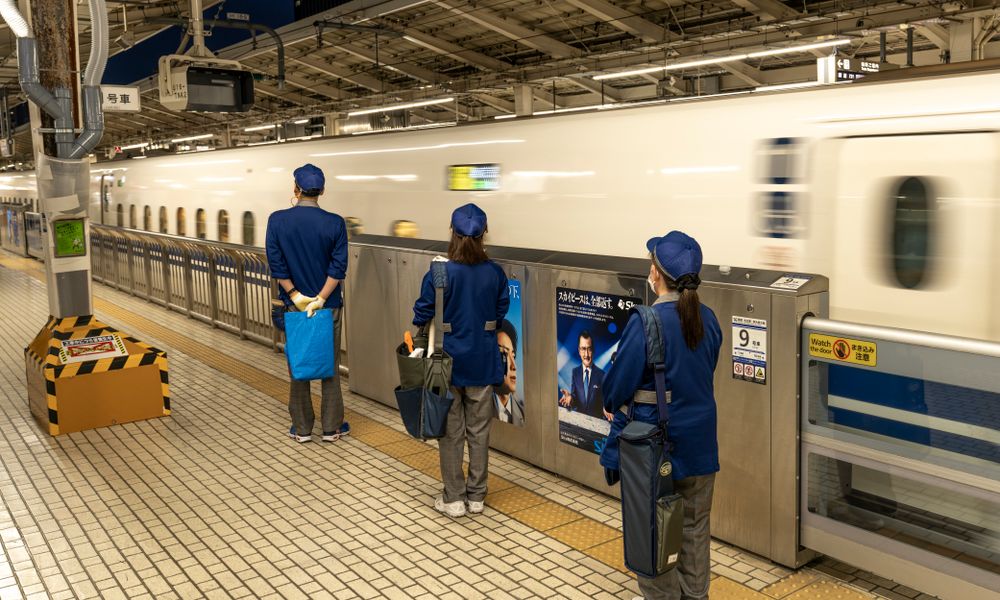
Japan’s transportation network is legendary for its punctuality and safety. However, for a tourist in 2026, the sheer complexity of the system can be a safety hazard if you are unprepared. Shinkansen (Bullet Train) safety is impeccable, with zero passenger fatalities due to derailments in its history. When using the Shinkansen, be aware of the 2026 luggage regulations; large suitcases now require a prior reservation in specific storage areas. Failure to reserve can result in a fine and the inability to board a crowded train during the May holiday rush.
For urban travel, the Tokyo Metro and JR lines are the primary modes of transport. To ensure your personal safety, be mindful of the "Women Only" cars clearly marked on the platforms and train windows; these are typically active during morning and evening rush hours to prevent harassment. While physical safety is high, the "safety" of your itinerary depends on having a charged phone. Japan has moved heavily toward digital IC cards (like mobile Suica or Pasmo). Ensure your phone is compatible with these systems or purchase a physical "Welcome Suica" card at the airport to avoid being stranded at a ticket gate.
Driving and Cycling Safety in Japan
If your May 2026 itinerary takes you to the rugged coastlines of Hokkaido or the rural villages of Shikoku, you might consider renting a car. Driving safety in Japan requires strict adherence to the rules. Japan drives on the left side of the road, and there is a zero-tolerance policy for drunk driving. Even a single drink can lead to immediate arrest. Furthermore, you must possess a valid International Driving Permit (IDP) issued under the 1949 Geneva Convention; a standard domestic license or an IDP from the wrong convention will be rejected by rental agencies.
Cycling is also a popular way to see cities like Kyoto. However, 2026 regulations have tightened regarding bicycle safety. Helmets are now strongly encouraged (and mandatory for children), and cycling while using a mobile phone or holding an umbrella is subject to heavy fines. Always park your bike in designated areas; "illegally parked" bikes are frequently impounded by city authorities, leaving tourists with a hefty fine and a long walk back to their hotel.
Cultural Etiquette and Local Customs
In Japan, social harmony (wa) is the foundation of safety and respect. Many "safety" issues for tourists actually stem from cultural misunderstandings that lead to friction with locals. To ensure a smooth journey, familiarize yourself with the unspoken rules of Japanese society. For instance, speaking loudly on public transport or taking phone calls on a train is considered highly disrespectful and can lead to confrontations or being asked to leave by staff.
One of the most important customs to master is bowing. While tourists aren't expected to know the intricate degrees of bowing, a simple nod of the head or a slight bend at the waist when greeting someone or saying thank you goes a long way in building rapport. Additionally, tipping is not practiced in Japan. In fact, leaving money on a table at a restaurant can cause confusion, as the server may chase you down the street thinking you forgot your change. Exceptional service is built into the price, and the best way to show your appreciation is with a polite "Arigato gozaimasu."
Navigating Taboos and Social Norms
If you have tattoos, you may encounter restrictions at traditional onsen (hot springs) or public swimming pools. In 2026, while many modern establishments are becoming "tattoo-friendly," many traditional inns (ryokans) still associate tattoos with organized crime (yakuza). To avoid an awkward or unsafe confrontation, always check the establishment's policy beforehand or carry waterproof bandages to cover smaller tattoos. Respecting these boundaries is a key part of travel safety Japan 2026.
Furthermore, be aware of chopstick etiquette. Never stick your chopsticks vertically into a bowl of rice, as this mimics a funeral ritual. Similarly, do not pass food directly from one set of chopsticks to another. While these seem like minor points, following local customs ensures you are viewed as a respectful guest, which in turn ensures you receive the best possible care and assistance from the local community should you ever need it.
- Remove Shoes: Always take off your shoes when entering a private home, a ryokan, or certain traditional restaurants. Look for the "genkan" (entryway) and the presence of slippers.
- Trash Disposal: Japan has very few public trash cans. Carry a small bag to store your litter until you return to your hotel or find a convenience store.
- Escalator Standing: In Tokyo, stand on the left; in Osaka, stand on the right. Observe the locals to ensure you aren't blocking the flow of traffic.
- Cash is Still King: While digital payments are rising, many small shrines, temples, and rural shops in 2026 still only accept Yen cash.

Emergency Contacts and Useful Phrases
In the unlikely event of an emergency, knowing how to communicate is vital. Japan’s emergency services are highly efficient, but the language barrier can be daunting in high-stress situations. For police assistance, dial 110. For fire or ambulance, dial 119. If you are in a major city, you can also look for a Koban—a small neighborhood police box. Officers at Kobans are incredibly helpful and can assist with everything from directions to reporting a lost wallet.
The official Japan National Tourism Organization (JNTO) emergency guide offers a 24/7 Japan Visitor Hotline that provides support in English, Chinese, and Korean. We highly recommend saving this number: 050-3816-2787. Having this resource at your fingertips can make a significant difference if you find yourself in a complicated situation where translation is necessary.
Essential Japanese Phrases for Safety
While many Japanese people speak some English, especially in the tourism industry, knowing a few safety-related phrases in the local tongue can expedite help. "Tasukete!" (Tah-soo-keh-teh) means "Help!" and is universally understood. If you have a medical emergency, "Byoin wa doko desu ka?" (Byoh-inn wah doh-koh dess kah?) means "Where is the hospital?" and "Keisatsu o yonde kudasai" (Kay-sah-tsoo oh yohn-deh koo-dah-sigh) means "Please call the police."
For health-related issues, it is helpful to have your allergies written down in Japanese. For example, if you have a peanut allergy, carrying a card that says "Peanuts areingu-sei ga arimasu" (I have a peanut allergy) can prevent a dangerous medical incident at a restaurant. Being proactive about these small details is a hallmark of a seasoned and safe traveler.
Best Practices for Staying Safe as a Tourist
To maximize your travel safety Japan 2026, adopt a mindset of "prepared spontaneity." This means having the freedom to explore while maintaining a safety net. One of the best practices is to register your travel plans with your home country’s embassy. For U.S. citizens, the Smart Traveler Enrollment Program (STEP) is a free service that allows the embassy to contact you in an emergency, such as a natural disaster or civil unrest. Similar programs exist for UK, Canadian, and Australian citizens.
Another "pro-tip" for 2026 is to carry a portable power bank. Because so much of Japan’s safety infrastructure—from J-Alerts to Google Maps to translation apps—relies on your smartphone, a dead battery is more than an inconvenience; it’s a safety risk. Additionally, always carry a physical map of your local area and the business card of your hotel. If your phone fails and you are lost in the labyrinthine streets of Shinjuku, showing a taxi driver your hotel’s business card is the fastest way to get home safely.
Finally, trust your instincts. While Japan is safe, if a situation feels "off"—such as a stranger being overly friendly in a nightlife district or a street performer drawing a massive, unmanaged crowd—simply walk away. The low crime rate can sometimes lull tourists into a false sense of security, leading them to leave bags on the backs of chairs in busy areas. Maintain the same level of basic caution you would use in any major international city, and your Japanese holiday will be remembered for all the right reasons.
Real-Time Protection with TripGuard360
Even with the best preparation, the world is unpredictable. This is where TripGuard360 becomes an essential companion for your May 2026 trip to Japan. Our platform is designed to bridge the gap between static travel guides and the fast-moving reality of international travel. While this article provides a comprehensive overview, TripGuard360 provides real-time safety monitoring tailored specifically to your itinerary.
Imagine you are enjoying a peaceful afternoon in a Kyoto tea house when a sudden weather alert or seismic warning is issued. TripGuard360 sends a push notification directly to your device, providing clear instructions in English on what to do and where the nearest evacuation point is located. We monitor local news, government advisories, and social feeds to ensure you are never the last to know about a potential disruption. From Golden Week transport delays to sudden changes in local health protocols, TripGuard360 keeps you one step ahead.
Moreover, TripGuard360 offers a "Safe-Check" feature. If you are traveling solo or in a small group, you can set automated check-ins. If you fail to check in by a certain time, our system can alert your emergency contacts with your last known GPS location. In a country like Japan, where you might find yourself exploring remote shrines or hiking off the beaten path, this layer of security is invaluable. TripGuard360 isn't just an app; it's a 24/7 digital bodyguard that ensures your focus remains on the beauty of Japan, not the "what-ifs" of travel.
Conclusion: Your Safe Journey to Japan Awaits
Visiting Japan in May 2026 offers a unique window into a culture that is both ancient and cutting-edge. By understanding the nuances of travel safety Japan 2026—from navigating the crowds of Golden Week to respecting local etiquette and staying alert in nightlife districts—you are setting the stage for an unforgettable experience. Japan’s commitment to safety, combined with your informed preparation, makes it one of the most rewarding destinations for any traveler.
Don't leave your safety to chance or outdated information. As you finalize your flights and book your ryokans, make the smart choice to integrate real-time protection into your plans. Experience Japan with total peace of mind. Join thousands of savvy travelers who trust us to keep them informed, secure, and connected across the globe. Take the first step toward a safer journey today.
Ready to explore Japan with confidence? Try TripGuard360 for free today and experience the future of real-time travel safety.