As a vast, culturally rich, and geographically diverse Central Asian giant, Kazakhstan has increasingly captured the attention of intrepid global travelers. Known for its futuristic capitals, dramatic canyon landscapes, and warm nomadic hospitality, it offers an unforgettable adventure. However, if you are planning a trip to this cross-continental nation, you are likely asking a fundamental question: is kazakhstan safe in may 2026?
Understanding the precise safety landscape of your destination is key to a seamless trip. Below is a highly detailed, month-specific safety analysis for May 2026, combining official government travel advisories, localized safety data, health updates, and practical seasonal advice to help you prepare.
Is Kazakhstan Safe in May 2026? A Comprehensive Safety Evaluation
To evaluate whether Kazakhstan is safe for travelers right now, we must look at the official designations provided by global authorities. Currently, major international governments maintain a highly favorable view of Kazakhstan's domestic security, though subtle differences exist in their overall risk assessments.
The U.S. Department of State's Kazakhstan Travel Advisory categorizes the country as Level 1: Exercise Normal Precautions. This is the lowest advisory level issued by the U.S. government, putting Kazakhstan on par with exceptionally safe destinations like Japan, Iceland, and Switzerland. It indicates that the country does not currently present severe, systemic security threats to foreign citizens.
In contrast, the Government of Canada's Kazakhstan travel advice urges travelers to "Exercise a high degree of caution". This contrast does not stem from a sudden surge in danger, but rather from Canada’s highly cautious approach to the potential for sudden civil unrest, localized protests, and the logistical challenges of remote regions. Meanwhile, the UK Foreign, Commonwealth & Development Office (FCDO) travel guidance for Kazakhstan notes that while travel is generally highly successful, visitors must remain vigilant of petty crime in major cities and avoid any political gatherings.
On a realistic, non-sensationalized scale, Kazakhstan deserves a safety rating of 1.5 out of 5 (where 1 is extremely safe and 5 is highly dangerous). For the vast majority of tourists, visiting Kazakhstan in May 2026 is safe, comfortable, and highly rewarding, provided they follow standard common-sense safety measures.
Overall Safety and Risk Level
The general safety landscape in Kazakhstan's primary tourist hubs—such as Almaty, Astana, Shymkent, and Aktau—remains remarkably stable. Violent crime against foreign tourists is extremely rare. The primary physical security threat you will face is not organized violence or targeted kidnappings, but rather opportunistic petty theft, such as pickpocketing and purse-snatching in crowded spaces.
As a traveler, your biggest risk factor is actually navigational or environmental rather than criminal. The sheer geographical scale of Kazakhstan means that if you venture into the remote steppe or mountainous border regions without a qualified guide, getting lost, experiencing vehicular breakdowns without cellular reception, or facing extreme weather transitions are far more likely than encountering hostile locals.
Geopolitical Stance and Regional Stability
Kazakhstan's strategic location—bordered by Russia to the north, China to the east, and several Central Asian nations to the south—often prompts questions regarding regional stability. Despite the broader geopolitical tensions in Eastern Europe and parts of Asia, Kazakhstan maintains a highly successful, independent "multi-vector" foreign policy. The government in Astana has carefully balanced its diplomatic relations, keeping the country insulated from external conflicts and maintaining lucrative trade and tourism partnerships with the West, China, and its neighbors alike.
Domestically, the political environment is calm but tightly controlled. Since the historic civil unrest of January 2022, the government has heavily reinforced public order. There is currently no active threat of civil war, widespread insurgencies, or armed conflict within the borders. However, because political expression is highly regulated, unauthorized public demonstrations are illegal. If you spot any political protests, rallies, or unusual gatherings of police forces, you should leave the area immediately, as the local police do not hesitate to make swift arrests of anyone in the vicinity, including curious bystanders.
Kazakhstan astana skyline modern architecture
Seasonal Risks in May: Weather, Holidays, and Crime Patterns
May is widely considered one of the absolute best months to visit Central Asia. The harsh, sub-zero winter has fully receded, and the scorching, dehydrating heat of the mid-summer steppe has not yet arrived. However, traveling during this transitional spring month carries a distinct set of seasonal safety risks that you must incorporate into your itinerary planning.
The Wild Spring Weather of May
May is a month of dramatic transitions. In northern cities like the capital, Astana, temperatures can range from a crisp, windy 10°C (50°F) to a warm 22°C (72°F). However, the real weather-related hazards lie in the south, particularly around the cultural hub of Almaty and the towering Tian Shan mountain range.
As the heavy winter snow melts rapidly in the high peaks, rivers swell, and the risk of landslides, mudslides, and flash floods increases significantly. If you plan on hiking in popular spots like Charyn Canyon, Kolsai Lakes, or the mountains around Shymbulak, you must check local meteorological reports daily. Sudden downpours can turn mountain roads into muddy torrents within minutes.
Furthermore, high-altitude trails can still experience late-season snowstorms and freezing temperatures in early May, even while the city of Almaty below enjoys sunny, t-shirt weather. Hypothermia is a real risk for under-prepared trekkers who venture into the mountains without appropriate waterproof layers and thermal gear.
Political Calendar and Key Holidays
May is packed with major public holidays in Kazakhstan, which significantly influences both transit logistics and the local security presence. Key dates to note include:
May 1: People's Unity Day – A celebration of the country’s diverse ethnic groups, featuring vibrant cultural festivals, concerts, and crowded public squares.
May 7: Defender of the Fatherland Day – A patriotic holiday honoring the armed forces, characterized by a heightened military and police presence in major cities.
May 9: Victory Day – Commemorating the end of World War II. This day is marked by massive parades, memorial gatherings, and exceptionally dense crowds, particularly around public parks like Almaty’s Panfilov Park.
While these festivals are culturally fascinating to witness, they also represent a peak period for security forces. Expect heavy police patrols, bag checks at the entrances of metro stations and public plazas, and localized road closures. The density of these crowds also creates prime operating conditions for pickpockets. Additionally, historically, national holidays have occasionally been targeted by minor, unauthorized political protests. To stay informed on how to navigate these events, you can read more updates on our travel safety blog.
Crime Peaks and Local Safety Concerns
With the arrival of pleasant spring weather, municipal parks, pedestrian streets (such as Panfilov and Arbat in Almaty), and outdoor markets see a massive influx of locals and tourists. Consequently, May experiences a seasonal spike in petty opportunistic theft.
The primary crime hotspots you should watch out for include:
Zelyony Bazar (Green Bazaar) in Almaty and Artyom Market in Astana: Extremely crowded areas where professional pickpockets easily distract tourists.
Public Transit: Buses and the Almaty Metro can get incredibly crowded during rush hours, making it easy for thieves to slip hands into unsecured pockets or backpacks.
Overnight Trains: Train travel is a classic Kazakh experience, but the UK FCDO specifically warns that thieves frequently target sleeping passengers. Always lock your individual compartment door from the inside and secure your bags using the under-seat storage bins.
Another specific urban safety concern is the use of unofficial taxis. It is common practice in Kazakhstan to flag down private cars (known locally as "gypsy cabs") on the street. While locals do this daily, foreign tourists are highly vulnerable to extortion, price gouging, and in rare cases, physical robbery, especially late at night outside bars and nightclubs.
Hiking almaty mountains spring weather
What Has Changed Since Last Year? 2025 vs 2026 Travel Dynamics
If you are basing your travel expectations on articles written a few years ago, you may miss several crucial updates. The domestic environment in Kazakhstan has shifted dynamically as we move through 2026.
Regulatory Shifts and Health Sector Milestones
One of the most positive developments in early 2026 is the elevated state of Kazakhstan’s medical and regulatory infrastructure. In a landmark achievement, the World Health Organization (WHO) officially recognized Kazakhstan’s national regulatory system for medicines and vaccines as fully meeting international standards. This designation guarantees that local pharmacies, medical facilities, and emergency services are operating with verified, high-quality pharmaceuticals. For travelers, this means that if you require medical care or need to purchase emergency prescriptions during your trip, you can do so with a much higher degree of confidence than in previous years.
Additionally, the government has continued its aggressive roll-out of the "Sergek" smart city surveillance network. Powered by advanced artificial intelligence and facial recognition, thousands of cameras have been installed across Almaty and Astana. While this raises privacy considerations, it has undeniably caused a dramatic reduction in street-level violent crime, car break-ins, and physical assaults in public spaces over the past year.
Transit and Border Security Changes
As of 2026, the bilateral transit arrangements between Kazakhstan and its neighbors have tightened. The notorious "visa run"—where travelers would cross a land border to Kyrgyzstan or Uzbekistan for a few hours to reset their 30-day visa-free stay—has been fully eliminated.
The "90/180 rule" is now strictly enforced. Citizens of visa-free countries (including the UK, US, Canada, Australia, and EU nations) can stay in Kazakhstan for up to 30 consecutive days, but their total stay cannot exceed 90 days within any 180-day period. Overstaying your visa, even by a single day, will result in heavy fines, court appearances, and potential detention at the border until an exit visa is manually processed. If you plan to explore the broader region, check out our travel guides to understand how to properly structure multi-country Central Asian itineraries.
Public transport almaty kazakhstan security
Planning Your Trip: Is Kazakhstan Safe in May 2026 for General Tourists?
For the typical leisure traveler, Kazakhstan is incredibly safe, modern, and highly accommodating. However, ensuring your safety requires making smart, informed choices regarding transportation, local laws, and emergency preparedness.
Aviation Safety and Domestic Flight Risks
Because of Kazakhstan's massive territorial footprint, you will likely need to take domestic flights to travel between Astana, Almaty, and western cities like Aktau.
While the national carrier, Air Astana, and its low-cost subsidiary, FlyArystan, maintain impeccable safety records and operate state-of-the-art Airbus and Boeing fleets, the same cannot be said for all regional domestic airlines. In fact, due to historically inconsistent safety oversight, the U.S. Embassy in Kazakhstan explicitly prohibits its government personnel from flying on any Kazakhstani airline other than Air Astana and FlyArystan. For your own safety, you should strictly limit your domestic flight bookings to these two internationally recognized carriers.
Land Border Crossings and Regional Transit
If you are planning to cross land borders into Kyrgyzstan (such as the busy Korday border near Almaty) or Uzbekistan in May 2026, keep these safety protocols in mind:
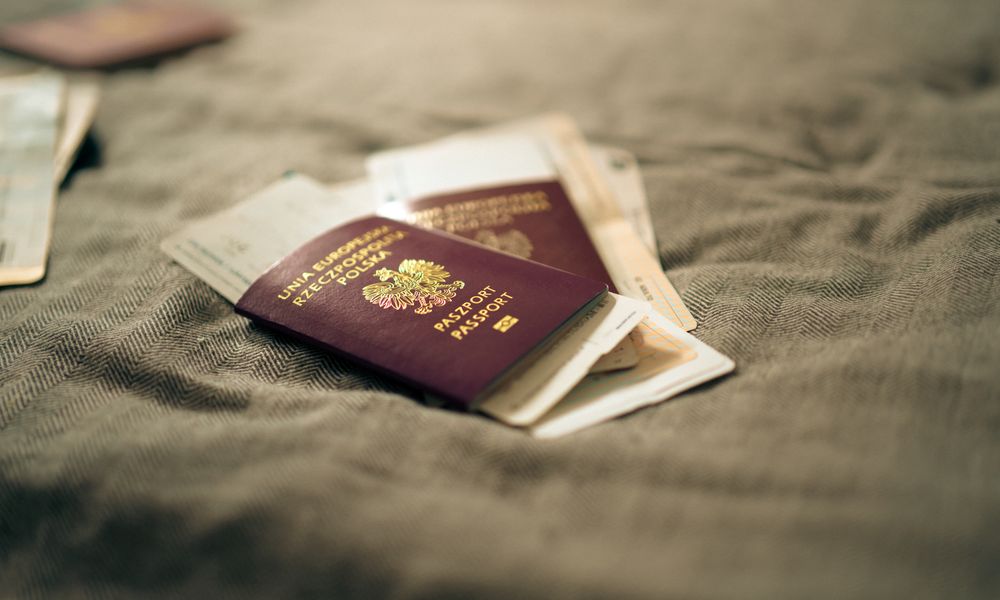
Carry Original Documents: Kazakh law enforcement officers have the legal right to stop individuals in public and conduct random identification checks. You must carry your physical passport (not a photocopy) and your entry slip at all times. Failure to produce them can result in a trip to the local police station and administrative fines.
Choose Official Border Crossings: Ensure your route passes through international checkpoints. Some smaller, bilateral checkpoints are reserved exclusively for citizens of Central Asian states and will turn international passport holders away, leaving you stranded in remote border zones.
Be Mindful of Road Conditions: Major highways linking Almaty to Bishkek are generally in decent condition, but secondary roads can have massive potholes. Avoid driving at night, as livestock frequently wander onto unlit highways, and local driving habits can be highly aggressive.
Practical Guidelines for Solo and Female Travelers
Solo female travel in Kazakhstan is highly viable and generally very safe. Kazakh society is incredibly hospitable, and women are highly respected in both professional and social settings. However, deeply conservative cultural norms still prevail in rural, southern villages compared to the hyper-modern, liberal environments of Almaty and Astana.
To ensure a smooth trip, solo female travelers should follow these practical safety guidelines:
Always Use Ride-Hailing Apps: Download Yandex Go or Uber KZ before arriving. These apps track your ride via GPS, display the driver’s details, and pre-calculate the fare, entirely eliminating the risk of getting into an unmarked vehicle with an untrustworthy driver.
Dress Adaptively: In Almaty and Astana, you can dress exactly as you would in London or New York. However, if you are visiting historic mausoleums in Turkistan or traveling through conservative rural areas, wearing modest clothing that covers your shoulders and knees is highly recommended to prevent unwanted attention.
Decline Unsolicited Drinks: While the nightlife in Almaty is vibrant and highly sophisticated, minor incidents of drink-spiking have occurred. Never leave your drink unattended at a club or bar, and politely decline drinks from friendly strangers unless you witness them being poured by the bartender.
Passport border control immigration
Health Advisories Active in Kazakhstan for May 2026
Remaining safe on your trip isn't just about avoiding crime; it's also about protecting your physical health. There are a few highly specific seasonal and regional health advisories active in Kazakhstan this month.
Tick-Borne Encephalitis and Seasonal Viruses
As the spring weather warms the forested foothills of the southern mountains, Almaty’s outdoor recreational areas—including Medeu, Shymbulak, Alma-Arasan, and Ile-Alatau National Park—experience a major surge in tick activity.
Many of these local ticks carry Tick-Borne Encephalitis (TBE), a serious viral infection of the central nervous system, as well as Lyme disease. If you are hiking, camping, or walking through tall grass in May:
Wear long-sleeved shirts and tuck your trousers into your socks.
Apply an insect repellent containing at least 20% DEET or Picaridin to exposed skin and clothing.
Perform thorough "tick checks" on your body immediately after returning from outdoor excursions.
If you discover an embedded tick, seek immediate medical attention at a local clinic in Almaty, where they can safely extract the tick and administer prophylactic immunoglobulin if necessary.
Measles Outbreaks and Vaccine Requirements
Over the past year, several Central Asian nations, including Kazakhstan, have experienced localized spikes in measles cases due to shifting vaccination rates. The Kazakh Ministry of Health has actively executed national immunization campaigns to control the spread.
The U.S. Centers for Disease Control and Prevention (CDC) advises that all international travelers to the region ensure they are fully up-to-date on their routine immunizations, specifically the Measles-Mumps-Rubella (MMR) vaccine. Ensure you receive any necessary booster shots at least two to four weeks before your departure date.
Water, Food Hygiene, and Medical Infrastructure
While major cities boast excellent restaurants with high standards of food hygiene, tap water in Kazakhstan is generally not safe to drink. Municipal piping systems in older Soviet-era buildings can leach heavy metals or contain localized bacteria.
Always stick to bottled, boiled, or filtered water, even when brushing your teeth. In high-end restaurants in Astana and Almaty, ice is typically made from purified water, but it is best to avoid ice in rural roadside cafes.
Should you fall ill, the medical facilities in Almaty and Astana are highly modern, featuring private clinics with English-speaking staff. However, in rural oblasts (provinces), medical facilities can be highly basic, and English is virtually non-existent. For this reason, carrying comprehensive travel medical insurance that covers emergency medical evacuation is an absolute necessity.
How TripGuard360 Monitors Kazakhstan in Real-Time
No matter how thoroughly you plan your trip, the geopolitical, meteorological, and security landscapes of any foreign country can change in an instant. A sudden localized protest, an unseasonable mountain mudslide, or a sudden change in border transit regulations can instantly disrupt your travel plans. That is where TripGuard360 becomes your ultimate travel companion.
TripGuard360 provides an advanced, 24/7 security monitoring ecosystem specifically tailored for global travelers. Our platform seamlessly aggregates data from hundreds of vetted sources, including local Kazakh news agencies, international diplomatic channels, real-time weather tracking satellites, and public health databases.
24/7 Threat Intelligence and Pushed Alerts
When you travel with TripGuard360, you don't have to spend your vacation constantly checking government travel advisory pages or trying to translate local Russian and Kazakh news feeds.
Our systems run continuously in the background. If a flash flood warning is issued for the mountains near your hotel in Almaty, or if a sudden, unauthorized demonstration prompts a heavy police response near your location in Astana, TripGuard360 immediately processes the threat. Within seconds, our platform pushes a localized, highly specific security alert directly to your mobile phone via SMS and app notification.
These alerts don't just warn you of danger; they provide clear, actionable safety instructions on what areas to avoid, what transit routes are blocked, and where to find the nearest safe haven or diplomatic embassy. With TripGuard360, you are never left navigating an emergency in a foreign language alone.
Protect your journey, travel with confidence, and stay ahead of any unforeseen disruptions. Try TripGuard360 free today and experience the peace of mind that comes with real-time, expert security monitoring wherever your adventures take you.