Is Mongolia Safe for Digital Nomads in 2026? Safety Guide
The Essential Mongolia Digital Nomad Safety Guide 2026: Working from the Land of the Blue Sky
Mongolia is rapidly transforming. Historically celebrated for its vast, empty steppes, dramatic deserts, and deep-rooted nomadic culture, this Central Asian nation is carving out a unique niche in the remote work landscape. Under its ambitious "Digital Nation" long-term initiative, the Mongolian government has prioritized the expansion of fiber-optic networks, digital governance, and accessibility for international visitors. For the adventurous remote worker, the appeal is obvious: the ability to draft code, write articles, or attend corporate Zoom meetings while overlooking the boundless grasslands of Terelj or the wind-swept dunes of the Gobi Desert.
However, working from Mongolia in 2026 requires a radically different approach to logistics, safety, and digital preparedness compared to traditional nomad havens like Bali or Lisbon. While Mongolia boasts a remarkably low rate of violent crime, it presents distinct environmental, logistical, and infrastructural challenges. The extreme climate, highly centralized resources, potential for power instability, and highly skilled pickpocketing rings in the capital mean that success hinges on meticulous preparation.
This detailed guide is designed to serve as your ultimate resource for staying secure, connected, and productive while working from the Land of the Blue Sky. Whether you are planning a one-month summer workation in Ulaanbaatar or an off-grid winter steppe adventure, this guide will provide the practical steps needed to protect your physical safety, financial assets, and digital infrastructure. For additional security insights and real-time updates on emerging global destinations, feel free to explore our travel safety blog and consult our travel guides before planning your next long-term journey.
According to the official U.S. Department of State Travel Advisory for Mongolia, the country is designated as a Level 1: Exercise Normal Precautions destination. While this is the safest rating a country can receive, it should not lull you into a false sense of security. The primary safety concerns you will face as a remote worker are not violent attacks, but rather petty theft, extreme seasonal air pollution, severe winter weather, and the potential for infrastructure failures that could disconnect you from your clients or employers. By understanding these risks and implementing the strategies outlined below, you can safely navigate your Mongolian remote work adventure.
Understanding Visa Options and Remote Work Regulations
Before packing your laptop, it is critical to understand the legal framework of entering and working in Mongolia. As of 2026, Mongolia does not offer a dedicated, permanent "Digital Nomad Visa" that allows long-term residency solely based on foreign remote employment. However, the Mongolian government has implemented highly favorable short-term entry programs and visa exemptions as part of its ongoing economic diversification campaigns, meaning remote workers have several highly accessible legal avenues to choose from.
The Visa-Free Rule and Stays Under 90 Days
The easiest way to work remotely in Mongolia is to take advantage of the country's visa exemption policies. To boost international tourism and business, the Mongolian government extended its temporary visa-free entry policy for citizens of 34 countries through January 1, 2027. This program allows passport holders from most European Union nations, Australia, and New Zealand to enter Mongolia visa-free for tourism or business purposes for up to 30 days. For citizens of the United States, a separate, long-standing bilateral agreement allows visa-free entry for up to 90 days.
While these visa-free entry programs are officially intended for tourism or short-term business consultations, many digital nomads use them to conduct remote work for foreign clients. If your income is derived entirely from companies located outside of Mongolia and you do not engage in local employment, working quietly on a laptop under a tourist status is generally tolerated. However, we highly discourage performing "border runs" (briefly exiting to neighboring Russia or China and returning immediately to reset your visa-free counter). In 2026, land border crossings are subject to highly stringent scrutiny, and immigration officials are increasingly prone to denying re-entry to individuals who appear to be living in Mongolia indefinitely without a proper residence permit.
The Crucial 48-Hour Registration Process
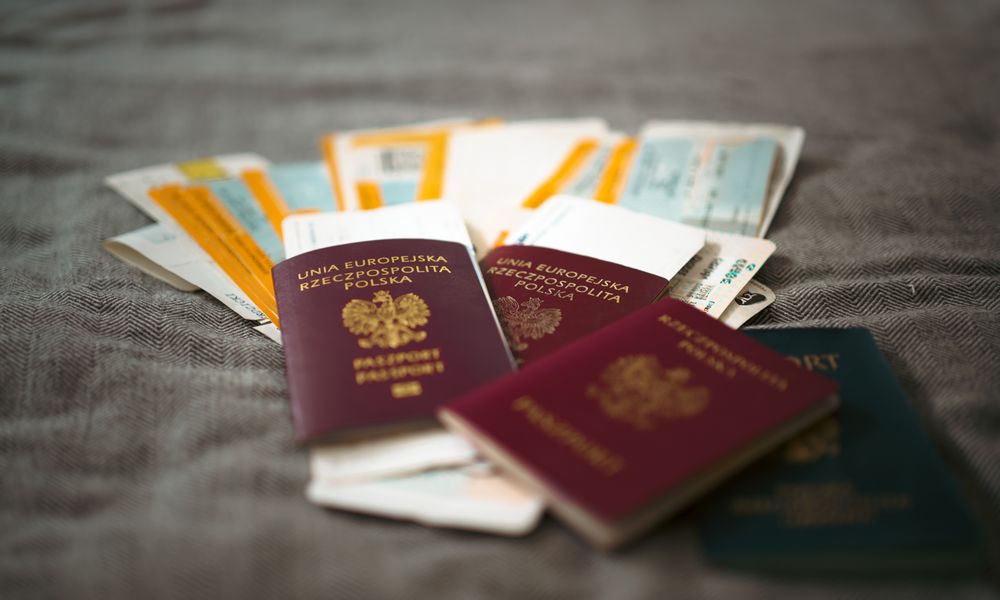
The single most common legal mistake made by foreign remote workers in Mongolia involves the country’s strict registration laws. Under Mongolian immigration regulations, any foreign citizen who enters the country must be registered with the Immigration Agency of Mongolia within 48 hours of arrival. This rule is strictly enforced and applies regardless of whether you entered visa-free or on an eVisa.
Fortunately, the process has been digitized. If you are staying at a registered hotel or a reputable guesthouse, the management will automatically handle this registration on your behalf. However, if you rent an apartment through Airbnb or secure a local lease, your landlord must log into the official immigration portal and register your stay online. To ensure compliance, follow these exact steps:
- Verify with your host: Before booking an Airbnb or private apartment, message the host and explicitly ask if they are willing and able to register you on the Mongolian immigration portal within 48 hours of your arrival. Do not book with hosts who are hesitant or unfamiliar with this requirement.
- Gather necessary documents: Be prepared to provide your host with a high-resolution scan of your passport's information page and a copy of your entry stamp.
- Long-term registration (Over 30 Days): If you plan to stay in Mongolia for more than 30 days, you must personally visit the Immigration Agency of Mongolia (located near Chinggis Khaan International Airport in Ulaanbaatar) within your first 7 days of arrival to complete a physical registration and obtain a residence registration slip.
- Avoid severe penalties: Failure to register can result in a fine of $100 to $300 USD per person. This fine is not resolved at the airport gate; if immigration officials discover you are unregistered when you attempt to depart, you will be turned back at passport control, forced to visit the main immigration office in the city to pay the fine, and will almost certainly miss your flight.
For those who do not qualify for visa-free entry, Mongolia’s streamlined Electronic Visa Application System (eVisa.mn) is the official channel to secure a tourist visa. The eVisa is typically processed within three working days, costs $50 USD, and allows a single entry with a 30-day stay. Like visa-free entry, the eVisa is non-extendable and non-convertible once you are inside the country, making timely registration and strict adherence to your departure date essential.
Navigating Safest Cities and Coworking Spaces in Mongolia
Mongolia’s vast geography is divided into 21 provinces (aimags), but its urban infrastructure is heavily centralized. For digital nomads who rely on high-speed internet and modern amenities, your geographic options are limited. Understanding where to stay and how to choose a secure work environment is the foundation of a successful trip.
Ulaanbaatar: The Primary Digital Nomad Hub
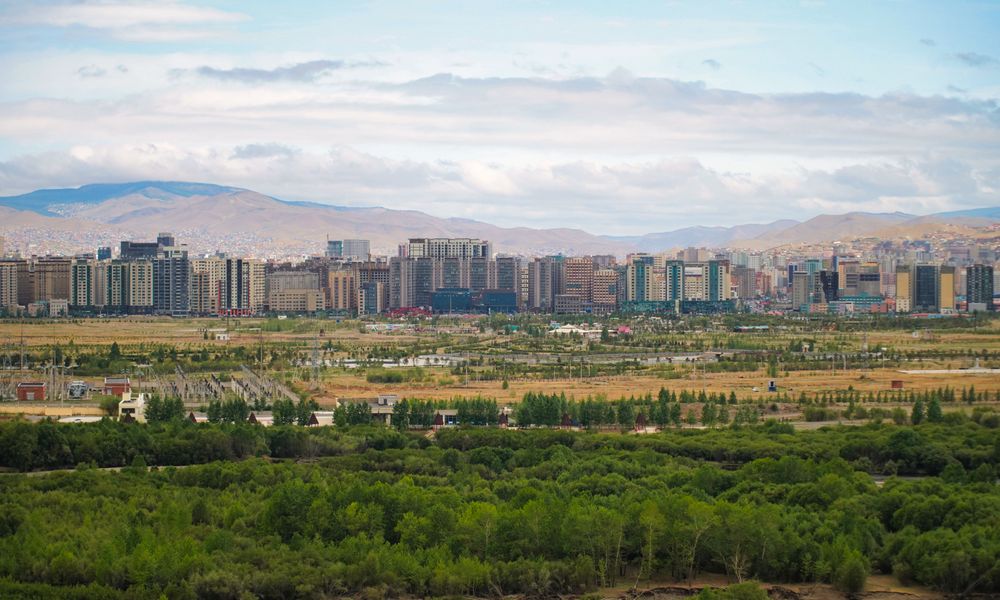
Ulaanbaatar, home to nearly half of Mongolia's population, is the only city in the country capable of fully supporting a modern digital nomad lifestyle. Affectionately known as "UB," the capital is a fascinating, hyper-contrasted metropolis where luxury high-rises and trendy third-wave coffee shops stand alongside sprawling, unpaved informal neighborhoods. When choosing a base in Ulaanbaatar, location is everything from both a safety and a productivity standpoint.
The safest, most functional area for remote workers is the Sukhbaatar District, specifically the central business district surrounding Sukhbaatar Square. This area is highly secure, exceptionally well-lit, and constantly patrolled by police. It is home to the city’s best restaurants, embassies, and premium apartment complexes. Staying within walking distance of the Peace Avenue central corridor will minimize your reliance on the city’s notoriously gridlocked traffic and overcrowded public transport system.
Conversely, the Ger Districts—sprawling, low-income settlements that flank the northern and eastern edges of the city—should be avoided as residential bases. These districts lack central heating, running water, and municipal waste management. In the winter, residents burn raw coal to survive the brutal cold, creating toxic smog that makes outdoor activity hazardous. Furthermore, the Ger districts have significantly higher rates of petty crime, alcohol-fueled disputes, and packs of aggressive, territorial stray dogs. While safe to visit during daylight hours as part of an organized cultural tour, they are entirely unsuitable for a remote worker’s daily operations.
Alternative Cities: Darkhan and Erdenet
For nomads seeking an off-the-beaten-path experience away from the noise and pollution of the capital, Mongolia's second and third largest cities—Darkhan and Erdenet—are viable alternatives, though they require a high degree of self-reliance.
Darkhan, located in northern Mongolia, is a planned industrial city that is remarkably clean, quiet, and boasts a much slower pace of life than Ulaanbaatar. It is considered exceptionally safe, with negligible crime rates. However, English is rarely spoken, and the selection of modern cafes with reliable Wi-Fi is extremely sparse. Erdenet, built around one of the world's largest copper mines, offers high-quality municipal services and a very safe environment, but similarly lacks a developed digital nomad community or dedicated coworking infrastructure.
Coworking Spaces: Ensuring Physical and Hardware Security
Ulaanbaatar’s startup and remote work scene has matured significantly, giving rise to several world-class coworking spaces. Establishments such as Club Coworking, Hub Innovation Center, and M-Office offer ergonomic seating, high-speed fiber-optic internet (often exceeding 100 Mbps), and private meeting booths. These spaces are generally very secure, utilizing CCTV surveillance and mandatory keycard entry.
Despite the high security of these venues, you must maintain active physical security protocols. Never leave your primary work assets unattended. To maintain absolute safety in shared workspaces, implement these rules:
- Lock your screen: Set your laptop’s operating system to lock automatically after 60 seconds of inactivity, or use a manual keyboard shortcut whenever you step away to grab a coffee or print a document.
- Utilize physical locks: Carry a heavy-duty Kensington laptop cable lock. When working in open hot-desking areas or public lobbies, secure your laptop frame directly to the structural steel of the desk.
- Never leave valuables in plain sight: If you must leave your hot desk to use the restroom, pack your laptop, external hard drives, and high-value noise-canceling headphones into your backpack and take it with you. Alternatively, ask a trusted, long-term coworker or the on-site community manager to watch your desk, though taking your gear with you is always the safest option.
- Back up your data: Ensure that all your local files are continuously backed up to an encrypted cloud service or an external hard drive stored in a separate location from your laptop bag. If your hardware is lost, stolen, or damaged, your business continuity must not be compromised.

Crucial Infrastructure: Internet, Power, and Your Mongolia Digital Nomad Safety Guide 2026 Checklist
A digital nomad's productivity is directly tethered to the reliability of local infrastructure. In Mongolia, where extreme geography and weather dictate daily life, managing your connectivity and power source requires a proactive, highly technical approach. Failing to prepare for localized blackouts or winter sub-zero temperatures can lead to catastrophic hardware damage and missed professional deadlines.
Local SIM Cards and Mobile Data Providers
When you arrive in Mongolia, obtaining a local physical SIM card or eSIM should be your immediate priority. The country is served by four major telecommunications providers: Unitel, Mobicom, G-Mobile, and Skytel. For the absolute best performance and widest coverage, we recommend choosing either Unitel or Mobicom.
Unitel is widely considered the premier network for regional travel, boasting the most extensive 4G/LTE footprint across the country’s remote provinces (aimags). Mobicom, the country’s oldest telecom provider, offers blisteringly fast and stable LTE speeds within Ulaanbaatar and major transit hubs. Local data is incredibly inexpensive; a monthly package with 50GB of high-speed data typically costs less than $15 USD in 2026.
To buy a local SIM card, avoid buying from unregistered street kiosks or airport resellers who may charge inflated prices. Instead, walk into an official Unitel or Mobicom retail branch in central Ulaanbaatar (such as the Unitel branch inside the State Department Store on Peace Avenue). You must present your physical passport. By law, the customer service representative will take a digital photograph of you and register the SIM card directly to your passport number. This official registration prevents sudden service disconnections and ensures you can easily replace your SIM if your phone is lost or stolen.
Starlink and Steppe Connectivity
For digital nomads who dream of working from a traditional felt ger deep in the countryside, Mongolia’s approval of Starlink satellite internet has completely revolutionized remote work. High-speed, low-latency satellite internet is now actively available across the vast Mongolian steppes, allowing you to maintain reliable video conferences and access secure company servers from virtually anywhere.
However, running a Starlink terminal off-grid requires careful planning. The steppe has no power outlets. If you plan to work from a remote camp, you must invest in a portable solar generator (such as a Jackery, EcoFlow, or Bluetti power station) capable of outputting continuous AC power. Ensure your power station has a capacity of at least 1,000 Watt-hours (Wh) to run both your Starlink dish and charge your laptop throughout the day, and pair it with highly efficient, weather-resistant solar panels to recharge the battery during Mongolia's highly abundant sunny days.
Mitigating Power Outages and Winter Infrastructure Failure
Ulaanbaatar’s municipal infrastructure is heavily strained, particularly during the grueling winter months when temperatures routinely drop below -35°C (-31°F). The city’s Soviet-era combined heat and power plants operate at absolute maximum capacity, which can lead to localized, rolling power outages and sudden voltage fluctuations. To protect your devices and guarantee continuous work, use this mongolia digital nomad safety guide 2026 checklist:
- Surge Protectors: Always plug your expensive electronics into a high-quality, certified surge protector. Sudden power restorations after a blackout can send massive voltage spikes through local grids, easily frying your laptop’s motherboard or power brick.
- High-Capacity Power Banks: Keep at least one 20,000+ mAh power bank fully charged at all times. Ensure it supports USB-C Power Delivery (PD) of at least 65W, which is required to charge most modern laptops (such as MacBooks and Dell XPS models) without an AC outlet.
- Redundant Hotspots: Never rely on a single internet source. If your apartment's fiber-optic broadband goes down, have a secondary mobile hotspot ready. If your primary phone is on the Unitel network, consider keeping a cheap secondary eSIM from Mobicom to ensure you can quickly switch networks if a local cell tower fails.
- The Winter Smog Hazard: Digital nomad safety is not limited to device security; your personal health is paramount. During the winter (November to March), coal burning in the Ger districts creates catastrophic levels of PM2.5 air pollution, often exceeding the safe air quality guidelines established by the World Health Organization by over fifty times. If you are residing in UB during winter, you must use a high-efficiency particulate air (HEPA) purifier inside your apartment, wear an N95 or N99 mask whenever you step outdoors, and closely monitor daily PM2.5 levels. If you suffer from asthma or cardiovascular conditions, we strongly recommend avoiding Ulaanbaatar during the peak winter months.
- Protect Lithium Batteries from Extreme Cold: Lithium-ion batteries drain incredibly fast when exposed to sub-zero temperatures. If you must transport your laptop or camera gear through the winter cold, keep them inside insulated thermal sleeves inside your backpack. Never leave your electronics inside a vehicle trunk overnight; the liquid crystal displays (LCDs) and internal batteries can freeze, causing permanent structural damage to the hardware.

Daily Safety, Finance, and Cybersecurity for Nomads
Operating securely in Mongolia requires a balanced combination of physical vigilance and digital hygiene. Because Ulaanbaatar is a highly modernizing city with an active nightlife and crowded commercial centers, understanding how to protect your physical belongings, protect your data, and manage your finances is crucial.
Preventing Laptop Theft and Street Crimes
While violent crime targeting foreigners is exceptionally rare in Mongolia, petty theft—specifically highly coordinated pickpocketing—is highly prevalent in Ulaanbaatar. Pickpockets in the capital are incredibly skilled, often working in synchronized groups of three or four. Typically, one individual will create a distraction (such as bumping into you, spilling a drink, or crowded shoving on a public bus), while the second lifts your smartphone or wallet from your pocket, and the third quickly walks away with the stolen goods before you realize what has happened.
The highest-risk zones for pickpocketing in Ulaanbaatar include:
- Peace Avenue: The city's main pedestrian and commercial artery, especially around the busy intersection near the State Department Store.
- Public Buses: Extremely crowded during rush hours, making them prime hunting grounds for thieves. Avoid taking public buses while carrying high-value electronics.
- Naran Tuul Market: Nationally known as the "Black Market," this massive open-air bazaar is highly crowded and famous for pickpocketing rings. If you visit, keep your backpack worn on your chest, leave your laptop at home, and keep your cash secured in an internal, zippered pocket.
To keep your essential work tools safe, never use a standard, loose-zippered backpack. Invest in a dedicated anti-theft backpack featuring hidden, rear-facing zippers, cut-proof materials, and RFID-blocking compartments. When dining at local cafes or restaurants, never hang your laptop bag or purse over the back of your chair. Keep the bag resting on your lap, or loop the shoulder strap securely around your leg or the chair's armrest to prevent quick, drive-by snatchings.
Additionally, exercise caution when walking at night. While central Sukhbaatar is safe, poorly lit side streets and the alleyways surrounding older Soviet-style apartment blocks (locally known as "orthoos") can be hazardous after dark due to uneven pavements, open manholes, and occasionally intoxicated individuals. Stick to well-lit, populated routes, and use reputable local ride-hailing apps rather than hailing unregulated gypsy cabs from the curb.
Cybersecurity Protocols and VPN Usage
The ubiquity of public Wi-Fi in Ulaanbaatar’s countless coffee shops and restaurants is highly convenient, but it introduces massive cybersecurity vulnerabilities. Cybercriminals frequently target open, unencrypted networks to execute man-in-the-middle (MitM) attacks, allowing them to intercept your internet traffic, steal corporate passwords, and compromise sensitive client data.
To maintain absolute digital safety, never log into your company’s internal portals, email accounts, or online banking without an active, premium Virtual Private Network (VPN). Choose a reputable VPN provider that offers robust 256-bit AES encryption, a strict no-logs policy, and a "kill switch" that instantly cuts your internet connection if the VPN drops. Enabling multi-factor authentication (MFA)—ideally using hardware-based security keys (such as YubiKeys) or authenticator apps rather than SMS-based codes—adds an indispensable layer of protection to your digital identity. For a deeper breakdown of securing your digital footprint while traveling, consult our travel guides.
Banking, ATM Safety, and Financial Logistics
Mongolia’s financial system is highly digitalized, with locals relying heavily on QR-code payment apps like QPay. However, setting up these local mobile payment systems typically requires a local Mongolian bank account, which is difficult and impractical for short-term tourists or remote workers on tourist visas. Therefore, you will rely primarily on international credit cards and physical cash.
While Visa and Mastercard are widely accepted in Ulaanbaatar’s supermarkets, modern cafes, and hotels, Mongolia remains a cash-dominant society once you step outside the capital or purchase goods from local markets and street vendors. The national currency is the Mongolian Tögrög (MNT). Always carry a reasonable amount of local cash, especially when traveling to rural areas where card readers are non-existent.
When withdrawing cash, ATM safety is paramount. Card skimming—the installation of physical reading devices on ATM card slots to clone card data—is an ongoing threat in Ulaanbaatar. To minimize your risk, implement these banking rules:
- Use indoor ATMs: Only withdraw cash from ATMs physically located inside the lobby of major, reputable banks (such as Khan Bank, Golomt Bank, or the Trade and Development Bank of Mongolia). These indoor machines are subject to continuous security guard patrols and CCTV monitoring, making them far more difficult for criminals to tamper with than standalone, street-side ATMs.
- Inspect the machine: Before inserting your card, physically jiggle the card reader slot. If it feels loose, bulky, or looks misaligned, do not use it. Cover the PIN pad with your hand while typing your code to shield it from hidden pinhole cameras.
- Notify your bank: Before arriving in Mongolia, notify your home bank of your exact travel dates. Mongolian transactions can easily trigger automated fraud detection systems, resulting in your international cards being instantly frozen and leaving you without access to funds.
- Carry USD backup: Always keep a reserve of crisp, uncreased, and undamaged US Dollar bills (specifically $50 or $100 denominations printed after 2013). Local currency exchange booths in Ulaanbaatar are highly particular about the physical quality of foreign currency; bills with even minor folds, tears, or ink stamps will be flatly rejected.
Stay Safe with Real-Time Alerts from TripGuard360
Working as a digital nomad in a frontier destination like Mongolia requires a constant awareness of your surroundings. However, spending your valuable working hours constantly monitoring local news portals, searching expat forums, or translating Mongolian-language government alerts is highly counterproductive. Political protests can suddenly erupt around Sukhbaatar Square, severe blizzards (locally known as "dzuds") can instantly block rural highways, and municipal maintenance can lead to unexpected, day-long power blackouts in your specific district.
This is where TripGuard360 becomes an essential tool for your remote work arsenal. TripGuard360 is a cutting-edge travel safety platform designed specifically to keep digital nomads and long-term travelers informed without the constant stress of checking the news. By aggregating real-time data from official government channels, local emergency management agencies, weather monitoring stations, and local news outlets, TripGuard360 filters out the noise and delivers critical, localized safety alerts directly to your Telegram channel in English.
If the National Emergency Management Agency of Mongolia issues an extreme weather warning for an impending dust storm or a severe winter drop in air quality, TripGuard360 will instantly push a notification to your phone. If a sudden infrastructure failure causes a massive internet blackout or water outage in Ulaanbaatar’s Sukhbaatar district, you will receive an immediate alert, allowing you to proactively pack up your gear and relocate to a secure coworking space before your client meeting begins. TripGuard360 acts as your quiet, digital guardian, ensuring you can immerse yourself in the rich culture and stunning landscapes of Mongolia with total peace of mind.
Do not let infrastructural surprises or sudden regulatory shifts derail your Central Asian adventure. Stay ahead of local disruptions, protect your valuable work assets, and travel with absolute confidence in 2026. Sign up for TripGuard360 free today at tripguard360.com and secure your remote work journey.