Is Mozambique Safe in 2026? Essential Travel Warnings
Exploring the Pearl of the Indian Ocean: Why Travelers Visit Mozambique
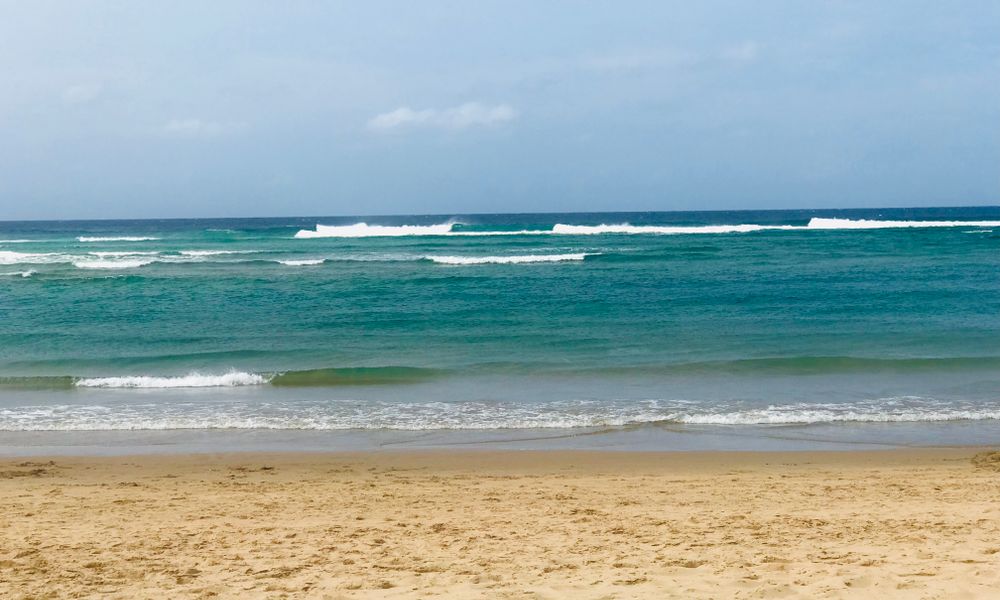
Mozambique is a destination of staggering beauty, offering a unique blend of African tradition, Portuguese colonial history, and some of the most pristine coastline in the world. As we look toward May 2026, the allure of this Southeast African gem remains as potent as ever. Travelers are drawn to the Bazaruto Archipelago and the Quirimbas Islands for their turquoise waters and world-class diving opportunities. Beyond the beaches, the capital city of Maputo pulses with a vibrant jazz scene, Mediterranean-style architecture, and a seafood-heavy culinary tradition that is second to none in the region.
Visiting Mozambique in May is particularly rewarding. This period marks the beginning of the dry season, offering cooler temperatures and clear skies, which are ideal for both beach lounging and wildlife safaris in the Gorongosa National Park. However, the complexity of the country’s socio-political landscape means that a thorough understanding of travel safety Mozambique 2026 is essential for any visitor. While much of the country is welcoming and safe for well-prepared tourists, specific regions—particularly in the north—require extreme caution or should be avoided entirely. This guide provides the comprehensive data you need to navigate Mozambique safely and enjoy the trip of a lifetime.
Travel Safety Mozambique 2026: A Comprehensive Security Overview
In 2026, Mozambique remains a country of contrasts regarding safety. While the southern and central tourist hubs are generally stable, the security situation is categorized by a "high degree of caution" by most international authorities. According to the U.S. Department of State, visitors should be aware of the persistent risks of crime, civil unrest, and terrorism in specific provinces. Understanding where these risks are concentrated is the first step in planning a safe itinerary.
The North-South Divide: Areas to Avoid in 2026
The most critical safety concern for 2026 remains the ongoing insurgency in Cabo Delgado Province. This northern region has seen significant conflict involving militant groups linked to Islamic extremism. Violence in this area often involves attacks on villages, infrastructure, and even transit corridors. As of May 2026, the UK Foreign, Commonwealth & Development Office (FCDO) continues to advise against all travel to the majority of Cabo Delgado, as well as specific districts in Nampula and Niassa provinces. If your travel plans include these northern reaches, it is vital to check real-time updates, as the conflict lines can shift rapidly.
In contrast, the southern provinces—including Maputo, Gaza, and Inhambane—are significantly more stable and continue to host the majority of Mozambique’s international tourists. In these areas, the primary concerns are petty theft and opportunistic crime rather than organized conflict. Popular destinations like Vilankulo and Tofo maintain a relaxed atmosphere, though situational awareness is still required, especially after dark.
Understanding Crime Rates and Urban Risks
Crime in Mozambique's major cities, particularly Maputo and Beira, is a reality that travelers must prepare for. Pickpocketing, bag snatching, and mobile phone theft are the most frequent incidents reported by tourists. These crimes often occur in crowded areas such as the Mercado Central or along the Avenida Marginal. In 2026, there have also been reports of express kidnappings, where victims are forced to withdraw money from ATMs. While these incidents are statistically rare for tourists who stick to established zones, they highlight the importance of using licensed transport and avoiding walking alone at night.
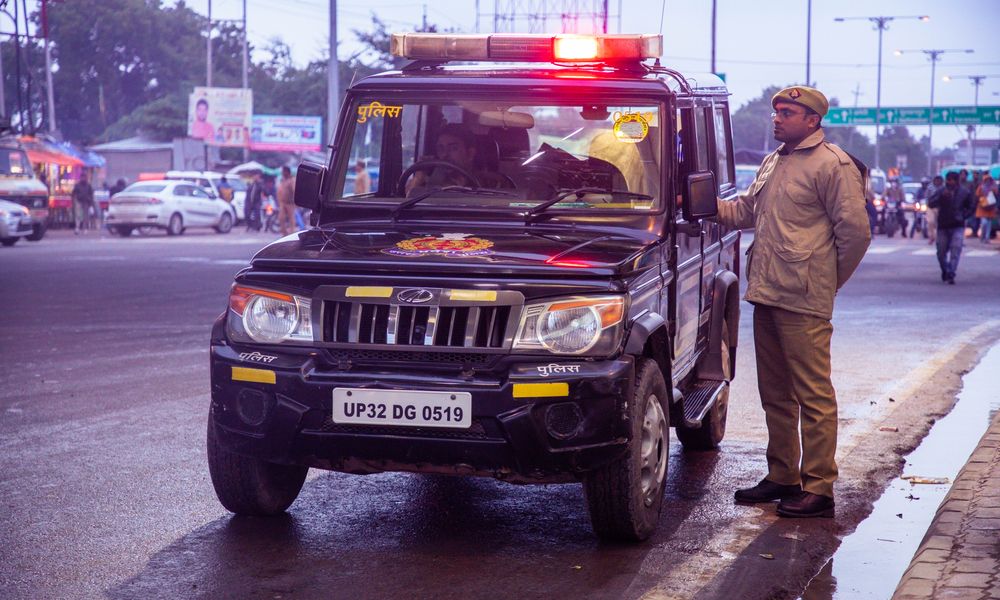
Corruption remains a challenge in Mozambique. You may encounter "spot fines" from traffic police or requests for bribes (locally known as refresco). Always carry a notarized copy of your passport and visa; original documents should be kept in a hotel safe. If stopped by police, remain polite, insist on a written ticket, and ask to pay at a local police station rather than handing over cash on the street. For more tips on dealing with urban security, visit our travel safety blog for deep dives into city-specific safety strategies.
Health and Medical Advice: Staying Well in a Tropical Climate
Mozambique’s tropical environment brings specific health considerations that require proactive management before you even board your flight. The local healthcare infrastructure is often limited, particularly outside of Maputo, making personal preparedness and comprehensive travel insurance with evacuation coverage non-negotiable for 2026.
Essential Vaccinations for Mozambique 2026
The Centers for Disease Control and Prevention (CDC) recommends several vaccinations for travel to Mozambique. Beyond routine shots like MMR and DTaP, you should ensure you are immunized against:
- Hepatitis A and Typhoid: Both are transmitted through contaminated food and water.
- Cholera: Mozambique has experienced periodic outbreaks; the vaccine is recommended for those traveling to high-risk areas or working in aid.
- Yellow Fever: While not endemic to Mozambique, a certificate of vaccination is strictly required if you are arriving from a country with a risk of yellow fever transmission.
- Polio: Ensure your booster is up to date, as cases have been reported in the region in recent years.
Malaria Prevention and Water Safety
Malaria is endemic throughout Mozambique, including in urban areas. In May, as the rains subside, mosquito populations remain active. You must consult a travel clinic to obtain malaria prophylaxis (such as Atovaquone/Proguanil or Doxycycline). In addition to medication, practice the "A-B-C-D" of malaria prevention: Awareness of risk, Bite prevention (using DEET-based repellents and nets), Chemoprophylaxis, and Diagnosis if you develop a fever.
Water safety is another critical pillar of health in Mozambique. Tap water is not potable. Always consume bottled or treated water, and be cautious with ice in drinks and raw vegetables that may have been washed in local water. Schistosomiasis (bilharzia) is also a risk in fresh water bodies like Lake Niassa or slow-moving rivers; stick to chlorinated pools or the salty Indian Ocean for swimming.
Medical Facilities and Emergencies
In Maputo, private clinics like Clinicare or the Maputo Private Hospital offer high standards of care but usually require immediate payment in cash or via credit card. In rural areas, facilities are basic and often suffer from shortages of essential medicines. If you have a chronic condition, bring an ample supply of your medication in its original packaging, along with a copy of your prescription. Given the distances and road conditions, medical evacuation insurance is the only way to guarantee a transfer to South Africa (Johannesburg) for serious medical emergencies.

Transportation Safety Tips for Navigating Mozambique
Getting around Mozambique is an adventure in itself, but it carries the highest statistical risk for travelers. From the bustling "chapas" of the cities to the long stretches of the EN1 highway, understanding transportation safety is vital.
Road Conditions and Driving Hazards
The EN1 is the main artery connecting the south to the north. While sections are well-maintained, others are plagued by massive potholes, wandering livestock, and unlit vehicles. Driving at night is extremely dangerous and strongly discouraged by all safety experts. In May 2026, post-rainy season road damage may still be present, making 4x4 vehicles preferable for anything beyond the main Maputo-Vilankulo corridor.
If you are driving a rental car, be prepared for frequent police checkpoints. Ensure you have your International Driving Permit (IDP), vehicle registration, and insurance documents ready. Always carry two emergency triangles and a reflective vest, as these are legally required and lack of them is a common pretext for a fine. For more on regional logistics, check out our travel guides which cover specific routes in detail.
Using Public Transport: The Chapa Experience
The Chapa (minibus taxi) is the most common form of transport for locals. While cheap and culturally immersive, they are often overcrowded and poorly maintained. Drivers frequently speed to maximize their daily takings, leading to a high accident rate. For tourists, it is generally safer to use registered taxis or ride-hailing apps (where available in Maputo) or to book transfers through reputable lodges. If you must use a chapa, try to find one where you have a seat and avoid those that look mechanically unsound.
Domestic Flights and Coastal Ferries
For long distances, such as Maputo to Pemba or Nampula, domestic flights are the safest and most efficient option. The national carrier, LAM Mozambique Airlines, connects the major hubs. When visiting the islands of the Bazaruto or Quirimbas archipelagos, you will likely use dhows or motorboats. Ensure your boat operator provides life jackets and that the vessel is not overloaded, as sea conditions in the Indian Ocean can change rapidly in the afternoons.
Cultural Etiquette and Local Customs
Mozambicans are known for their warmth and hospitality. Respecting local customs not only enriches your experience but also acts as a safety measure by preventing misunderstandings and building rapport with locals.
Greetings and Social Interaction
In Mozambique, greetings are a vital social lubricant. It is considered impolite to start a conversation or ask a question without first saying "Bom dia" (Good morning) or "Boa tarde" (Good afternoon). A soft handshake is common, and it is often prolonged during conversation as a sign of trust. In rural areas, it is traditional to use your right hand for giving and receiving items, as the left hand is associated with personal hygiene.
Dress Code and Photography Restrictions
While beachwear is perfectly acceptable at resorts, modesty is valued in towns and rural villages. Women should consider wearing a capulana (traditional sarong) or ensuring shoulders and knees are covered when away from the beach. This shows respect for the local culture and can reduce unwanted attention.
Photography requires caution. It is strictly prohibited to photograph government buildings, military installations, bridges, and airports. Doing so can lead to questioning by the police or even the confiscation of your equipment. When taking photos of people, always ask for permission first—a simple "Posso?" (May I?) with a smile usually suffices.

Emergency Contacts and Useful Phrases
Being prepared for the unexpected is a hallmark of a savvy traveler. Keep a physical list of these contacts in your wallet and saved in your phone.
Emergency Numbers in Mozambique
- Police: 112 or 119
- Ambulance: 117
- Fire Department: 198
- U.S. Embassy Maputo: +258 21 492 797
- UK High Commission Maputo: +258 21 356 000
Key Portuguese Phrases for Safety
While English is spoken in tourist hubs, Portuguese is the official language. Knowing a few phrases can be life-saving in an emergency:
- Socorro! – Help!
- Onde fica o hospital? – Where is the hospital?
- Preciso de um médico. – I need a doctor.
- Chame a polícia. – Call the police.
- Eu fui roubado(a). – I have been robbed.
- Não percebo. – I don't understand.
Best Practices for Staying Safe as a Tourist
The majority of trips to Mozambique are trouble-free, but following these best practices for travel safety Mozambique 2026 will help you stay out of the "incident" statistics.
- Stay Informed: Monitor local news and international advisories daily. Situations in northern provinces can spill over or inspire civil unrest in urban centers.
- Conceal Valuables: Leave expensive jewelry and watches at home. Use a money belt for passports and large amounts of cash, and only take out your phone when you are in a secure location.
- Use Reputable Lodging: Stay in hotels or lodges with 24-hour security. If you are using a guesthouse, ensure it has been vetted by recent traveler reviews.
- Avoid Night Movement: Whether driving or walking, the risk profile increases exponentially after the sun goes down. Plan your arrivals for midday.
- Beach Safety: Be aware of strong riptides. Only swim in designated areas and never leave your belongings unattended on the sand.
- Register Your Trip: Use systems like the U.S. STEP program or the UK's registration service to ensure your embassy can find you in a crisis.
Real-Time Monitoring with TripGuard360
In a country where the security landscape can shift—whether due to weather events like cyclones or localized civil unrest—having a traditional guidebook isn't enough. TripGuard360 provides the modern traveler with a significant safety advantage. By integrating real-time data from local news, government feeds, and satellite weather monitoring, TripGuard360 keeps you informed about travel safety Mozambique 2026 as it happens.
Imagine receiving a push notification on your phone while you're at a cafe in Maputo, warning you of a sudden protest two blocks away, or a localized alert about a bridge washout on your intended route to Inhambane. TripGuard360 monitors your GPS location and matches it against our global risk database to provide personalized, actionable alerts. This real-time intelligence allows you to make informed decisions, avoid danger zones, and travel with a level of confidence that static guides simply cannot provide.
Conclusion: Embrace the Adventure Safely
Mozambique is one of Africa's most rewarding destinations, offering a mix of adventure and relaxation that is hard to find elsewhere. By understanding the regional risks, prioritizing your health through vaccinations and malaria prevention, and respecting the local culture, you can mitigate the primary dangers of travel. The key to a successful journey in 2026 is preparedness and real-time awareness.
Don't leave your safety to chance. As you plan your Mozambican escape for May 2026, ensure you have the best tools at your disposal. Stay one step ahead of the risks and experience the peace of mind you deserve.
Ready to explore Mozambique with confidence? Try TripGuard360 today and get real-time safety alerts tailored to your specific itinerary. Your adventure is waiting—let's make sure it's a safe one.