Is Pakistan Safe to Visit in 2026? Crucial Tourist Warnings
Introduction: The Allure of Pakistan
Pakistan is a land of profound, breathtaking contrasts. For the adventurous soul, it represents one of the final frontiers of raw, untouched travel. From the towering, jagged peaks of the Karakoram, Himalayan, and Hindu Kush mountain ranges in the north to the rich, layered history of the ancient Mughal capital of Lahore, the country offers an intoxicating blend of natural wonders and deep cultural heritage. Visitors are drawn to the dazzling turquoise waters of Attabad Lake, the legendary hospitality of the Hunza Valley—where locals routinely welcome strangers with steaming cups of salted chai and fresh apricots—and the ancient archaeological marvels of Mohenjo-Daro and Taxila.
Yet, alongside this undeniable magic lies a deeply complex security landscape. Pakistan is a country where geopolitical tensions, regional insurgencies, and sudden socio-political shifts can transform a peaceful itinerary into a highly volatile situation overnight. For anyone planning a journey to this South Asian gem in May 2026, understanding the nuances of travel safety pakistan 2026 is not just a recommendation; it is an absolute necessity.
Navigating Pakistan successfully requires moving past the hyperbole of both travel vloggers, who sometimes paint an overly sanitized picture of complete safety, and mainstream media outlets, which often depict the entire country as an active war zone. The reality lies somewhere in the middle: a vast, incredibly diverse nation where certain regions are perfectly welcoming to tourists, while others present extreme, life-threatening hazards. As you prepare for your journey, checking resources like our travel safety blog and official government advisories is the first step toward building a secure, responsible itinerary. This comprehensive guide will equip you with the essential knowledge, real-time security updates, health advisories, and cultural insights required to explore Pakistan safely and confidently.

Current Safety Overview: Travel Safety Pakistan 2026
The general safety and security environment in Pakistan remains highly dynamic in May 2026. While the northern tourist hubs of Gilgit-Baltistan and major cities like Islamabad continue to receive foreign tourists without major incident, international governments maintain strict travel warnings for the country. Currently, the U.S. Department of State's travel advisory for Pakistan classifies the nation under a Level 3: Reconsider Travel advisory due to the persistent threats of terrorism, violent crime, civil unrest, and kidnapping.
Furthermore, specific regions within the country are designated as Level 4: Do Not Travel, which represents the highest level of warning issued by Western governments. Highlighting the fluid nature of the security environment, in early March 2026, the U.S. government ordered the departure of non-emergency personnel and their families from the U.S. Consulates in Lahore and Karachi due to escalating safety risks and localized threat assessments. This underscores the importance of maintaining high situational awareness and having a flexible travel plan.
Security Warnings and Regional Exclusions
When planning an itinerary under the lens of travel safety pakistan 2026, there are several absolute "no-go" areas that travelers must avoid entirely. Western governments, including the United States, United Kingdom, Canada, and Australia, advise against all travel to the following regions:
- Balochistan Province: This massive western province suffers from active separatist insurgencies, frequent sectarian violence, and an exceptionally high risk of terrorism and kidnapping. The port city of Gwadar and the southern coast, while heavily guarded due to foreign infrastructure projects, remain highly volatile.
- Khyber Pakhtunkhwa (KP) Province: This includes the districts formerly known as the Federally Administered Tribal Areas (FATA), as well as major cities like Peshawar and tourist areas such as Swat, Buner, and Lower Dir. Active military operations against militant groups, including the Tehrik-i-Taliban Pakistan (TTP), make this entire province highly dangerous for foreigners.
- The Pakistan-Afghanistan Border Area: All travel within 10 miles (16 kilometers) of the Afghan border is strictly prohibited. This region is heavily militarized, suffers from frequent cross-border shelling, and is a known corridor for insurgent movement.
- The Line of Control (LoC): The immediate vicinity of the military control line separating Pakistani-administered and Indian-administered Kashmir is a highly volatile flashpoint. Tensions between the two nuclear-armed neighbors have remained elevated, leading to sporadic military skirmishes and the suspension of the bilateral Indus Water Treaty. The Wagah-Attari land border has also experienced abrupt, temporary closures due to these diplomatic and military frictions, disrupting overland travelers.
Crime Rates and Urban Safety
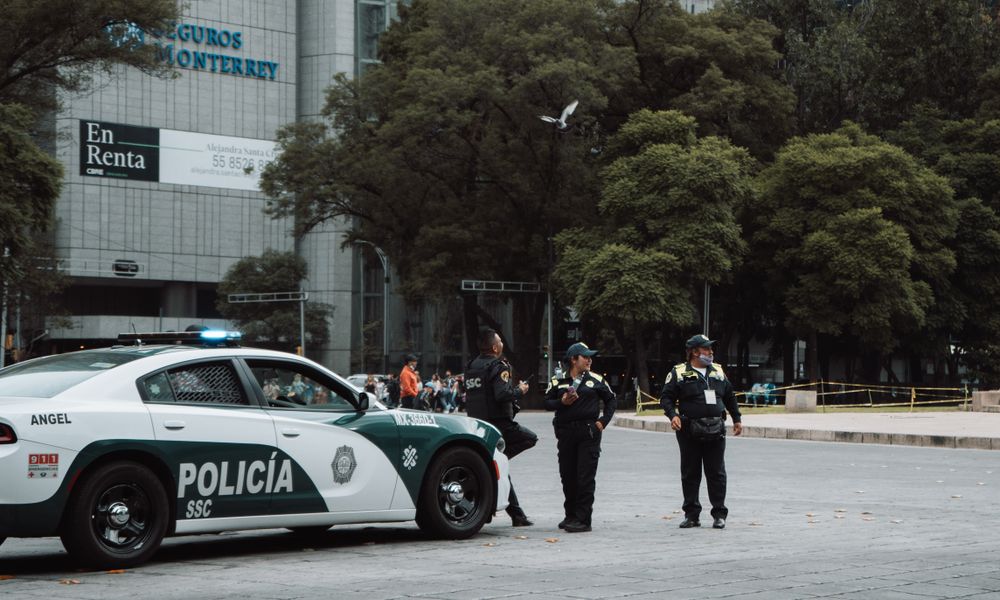
In major urban centers, the security landscape varies significantly. Islamabad, the capital city, is widely regarded as the safest urban area in Pakistan. It is a purpose-built, highly organized city with a heavy police and paramilitary presence, designated diplomatic enclaves, and active security checkpoints. While petty crime exists, violent crime against tourists in Islamabad is exceedingly rare.
In contrast, Lahore and Karachi require a much higher level of vigilance. Lahore, the cultural heart of the country, is generally hospitable, but reports of mobile phone snatching, pickpocketing, and vehicle theft are common in crowded shopping bazaars, such as Anarkali and Liberty Market. Karachi, Pakistan's largest metropolis and economic engine, has a long history of street crime, armed robbery, and localized political and sectarian violence. Foreigners in Karachi are advised to avoid walking on the streets after dark, utilize pre-arranged private vehicles from reputable hotels, and strictly avoid poorer, highly congested districts like Lyari.
Kidnapping remains a severe concern in Pakistan. While tourists are rarely targeted in major urban neighborhoods, the threat of kidnapping for ransom is highly active in rural areas of Sindh, Balochistan, and KP. To mitigate these risks, always travel with registered local guides, keep a low profile, and avoid sharing your real-time location or travel plans on public social media accounts.
Health and Medical Advice for Pakistan Travel
Staying healthy while traveling in Pakistan is a fundamental component of your overall safety. Medical infrastructure in Pakistan is highly bifurcated: while major cities possess world-class private hospitals with English-speaking staff—such as Shifa International in Islamabad or the Aga Khan University Hospital in Karachi—healthcare facilities in rural and mountainous areas are extremely basic, understaffed, and often lack essential medications. Therefore, ensuring you have comprehensive travel health insurance that includes medical evacuation coverage is absolutely vital.
Essential Vaccinations and Disease Prevention
Before embarking on your trip, a consultation with a travel medicine specialist is highly recommended at least four to six weeks prior to departure. According to the U.S. Centers for Disease Control and Prevention (CDC) Pakistan travel health portal, several vaccinations are either highly recommended or legally required:
- Polio: Pakistan is one of only two countries in the world where wild poliovirus transmission remains active. Because of this, the World Health Organization (WHO) recommends that all travelers to Pakistan be fully vaccinated. Crucially, if you are staying in Pakistan for more than four weeks, you may be legally required to show official, documented proof of a polio booster dose administered between 4 weeks and 12 months prior to exiting the country.
- Typhoid: Typhoid fever is highly prevalent in Pakistan, and the country has experienced a dramatic surge in extremely drug-resistant (XDR) typhoid strains. These strains are highly resistant to standard, commonly used antibiotics, making medical treatment incredibly difficult and expensive. Getting the typhoid vaccine (either the injectable shot or oral capsules) is an absolute necessity.
- Hepatitis A and B: Recommended for all travelers due to the high risk of foodborne and waterborne transmission (Hepatitis A) and exposure through medical procedures or contaminated equipment (Hepatitis B).
- Vector-Borne Diseases (Malaria, Dengue, and Chikungunya): Mosquito-borne illnesses are a persistent threat in low-lying and urban areas, particularly during the warm spring and humid monsoon seasons. Dengue fever is highly prevalent in cities like Lahore and Karachi, and in early 2026, international health agencies flagged an elevated risk of Chikungunya in Pakistan. Malaria prophylaxis is recommended if you plan to spend significant time in rural, low-altitude districts. Ensure you use an insect repellent containing 30% to 50% DEET, wear long-sleeved clothing, and sleep under insecticide-treated mosquito nets in rural areas.
- Rabies: Rabies is highly endemic in Pakistan, primarily transmitted through the bites and scratches of stray dogs, cats, and monkeys. If you are planning an extended outdoor trip, trekking in remote northern areas, or working closely with animals, getting the pre-exposure rabies vaccine series is highly advisable. If bitten, immediate post-exposure prophylaxis is required, which can be extremely difficult to locate in rural provinces.
Water Safety and Food Hygiene
Waterborne pathogens are the most common cause of illness for tourists in Pakistan. Tap water is never safe to drink anywhere in the country, including in luxury international hotels. Contaminated water can lead to severe gastrointestinal infections, Giardia, Cholera, and Hepatitis A. Always adhere to the following strict water safety protocols:
- Only drink bottled water from reputable brands, and always inspect the plastic cap to ensure the factory seal is completely intact.
- Use bottled water even for basic hygiene, such as brushing your teeth or rinsing contact lenses.
- Avoid ice in all beverages, as it is almost always made from local tap water.
- If bottled water is unavailable, boil water vigorously for at least three minutes, or use a high-quality water purifier equipped with a viral and bacterial filter.
Similarly, Pakistani cuisine is incredibly rich, heavily spiced, and delicious, but it can easily upset unaccustomed stomachs. To prevent travelers' diarrhea, always eat food that is served piping hot. Avoid raw vegetables, unpeeled fruits, and pre-cut salads, which are often washed in contaminated tap water. When sampling Pakistan's famous street food, choose busy stalls with a high turnover of local customers, as this indicates the food is fresh and thoroughly cooked. Always wash your hands thoroughly with soap or use alcohol-based hand sanitizer before eating.

Transportation Safety in Pakistan 2026
Navigating Pakistan's transportation network is one of the most physically hazardous aspects of traveling in the country. Road traffic accidents are incredibly common and represent a far greater daily threat to tourists than terrorism or violent crime. Traffic culture in Pakistan is highly chaotic, characterized by a lack of lane discipline, aggressive overtaking, poorly maintained vehicles, and a general disregard for traffic laws.
Navigating Major Highways and Road Safety
The safety of Pakistan's road network depends heavily on the specific route you are taking. The M-2 Motorway, which connects Islamabad and Lahore, is a world-class, multi-lane highway operated by the National Highways and Motorway Police. It features strict speed enforcement, modern service areas, and is incredibly safe to travel.
In contrast, driving in the northern mountainous regions, such as Gilgit-Baltistan, presents extreme environmental and structural hazards. Roads like the legendary Karakoram Highway (KKH) are carved directly into sheer cliff faces, featuring dramatic drops, narrow lanes, and a complete lack of safety barriers in many sections. Landslides, rockfalls, and mudslides are frequent occurrences, especially during heavy rains or seismic activity, which can instantly block roads and leave travelers stranded for days.
Compounding these structural dangers, the UK Foreign, Commonwealth & Development Office (FCDO) travel guidance explicitly advises against all travel on the section of the Karakoram Highway from Mansehra to Chilas via Battagram, Besham City, Dasu, and Sazin due to localized security threats and dangerous road conditions. If you are traveling to the north, it is highly recommended to fly directly to Gilgit or Skardu rather than driving, or to hire an experienced local driver who is intimately familiar with the treacherous mountain terrain. Under no circumstances should you attempt to drive yourself, and never travel on mountain roads at night, as a lack of street lighting and vehicles driving without headlights make night driving exceptionally perilous.
Public Transit, Rideshares, and Domestic Flights
For travel within major cities, utilizing local public buses or flagging down traditional auto-rickshaws on the street can be overwhelming and presents safety concerns, particularly regarding petty theft and overcharging. For a safer, highly reliable alternative, always use recognized ridesharing applications such as Uber/Careem, Yango, or InDrive. These apps are widely active in cities like Islamabad, Lahore, Rawalpindi, and Karachi. They offer GPS tracking, pre-calculated fares, and verified driver profiles, which significantly mitigates the risk of scams or safety incidents.
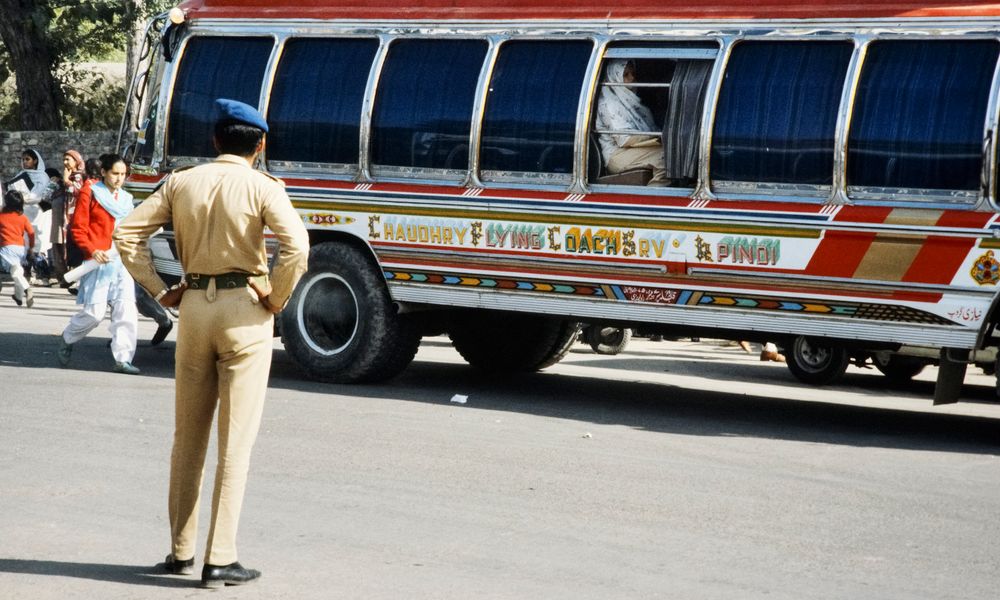
For long-distance intercity travel, premium private bus lines like Daewoo Express or Faisal Movers are highly recommended. These services utilize modern, air-conditioned coaches, operate out of secure terminals, and feature strict luggage screening and passenger manifests. If you choose to travel by train, always book tickets in the AC Parlor or AC Business/Executive classes, which offer much better security, climate control, and comfort than standard economy coaches.
For domestic travel between major regions, domestic flights are the safest and most efficient option. Airlines like Pakistan International Airlines (PIA), Serene Air, and Airblue operate regular flights connecting Islamabad, Lahore, Karachi, Gilgit, and Skardu, allowing you to bypass hundreds of miles of hazardous roads.
Cultural Etiquette and Local Customs
Pakistan is a deeply traditional, conservative, and patriarchal society, with Islam exercising a profound influence on daily life, social values, and legal frameworks. Behaving in a culturally respectful manner is not simply a matter of politeness; it is a vital strategy for your personal safety. Showing respect for local customs fosters goodwill, defuses potential conflicts, and drastically reduces the likelihood of attracting negative attention or harassment.
Traditional Dress and Modesty Standards
Modesty is the cornerstone of Pakistani social etiquette, and your choice of clothing is the most visible indicator of your respect for local norms.
- For Female Travelers: While there is no legal requirement to wear a headscarf (hijab) in public spaces, you must dress very conservatively. The absolute best outfit to wear is the traditional Shalwar Kameez—a loose, long-sleeved tunic paired with wide-leg trousers. This outfit is highly practical for the heat, covers all necessary areas, and is immensely appreciated by locals, who view it as a sign of respect. You should always carry a dupatta (a long, lightweight scarf) to drape over your chest or cover your head when entering mosques, religious shrines, or rural villages. Avoid tight jeans, leggings, short skirts, tank tops, or any clothing that exposes your shoulders, cleavage, or midriff.
- For Male Travelers: Men are also expected to dress modestly. While western clothing like jeans and t-shirts is perfectly acceptable in urban areas, shorts should be avoided in public spaces. Wearing short gym shorts is considered highly unusual and disrespectful outside of private athletic facilities. Full-length trousers, lightweight chinos, or a male version of the Shalwar Kameez are the standard and will help you blend in seamlessly.
Social Nuances and Religious Respect
Understanding social boundaries is critical for a smooth and safe trip. Public displays of affection (PDA) are strictly taboo for both heterosexual and same-sex couples, and homosexual acts remain illegal under Pakistani law. When interacting with members of the opposite sex, avoid physical contact; men should never attempt to shake hands with a Pakistani woman unless she extends her hand first.
Religion is an incredibly sensitive topic in Pakistan. The country enforces extremely strict blasphemy laws, which carry severe legal penalties, including life imprisonment or the death penalty, for any perceived desecration of Islam, the Quran, or the Prophet Muhammad. Tourists must never engage in debates about religion, make light of Islamic practices, or criticize local beliefs. During the holy month of Ramadan, when Muslims fast from dawn to dusk, it is highly illegal and socially unacceptable to eat, drink, chew gum, or smoke in public spaces during daylight hours.
Furthermore, the U.S. Department of State explicitly warns that posting content on social media that is critical of the Pakistani military, government institutions, the judiciary, or religious figures can lead to immediate detention, legal prosecution, or deportation. It is highly advisable to keep your social media accounts private, avoid participating in political discussions, and refrain from taking photographs of military installations, government buildings, airports, or security checkpoints, which can be interpreted as espionage.
Essential Emergency Contacts and Best Practices
In any foreign destination, being prepared for emergencies is paramount. Before you depart, save all essential emergency numbers to your phone and keep a physical card with your hotel address and emergency contacts in your wallet.
Emergency Numbers and Language Guide
Pakistan has several dedicated emergency helplines that are accessible nationwide from any mobile phone or landline:
- Police Emergency: Dial 15 (For reporting crimes, immediate security threats, or requesting law enforcement assistance).
- Ambulance and Rescue Service: Dial 1122 (The premier, highly professional pre-hospital emergency medical and rescue service operating across most provinces).
- National Emergency Helpline (PEHL): Dial 911 (A recently launched, unified national helpline connecting callers to police, fire, and medical services).
- National Highway & Motorway Police: Dial 130 (For accidents, vehicle breakdowns, or road hazards on motorways).
Learning a few basic words in Urdu, the national language of Pakistan, goes a long way in showing respect and can be incredibly useful in an emergency:
- As-salamu alaykum: Peace be upon you (The standard, universal greeting).
- Shukriya: Thank you.
- Ji haan / Ji nahi: Yes / No.
- Madad chahiye: I need help.
- Police ko bulayein: Call the police.
- Hospital kahan hai?: Where is the hospital?
- Mujhe samajh nahi aya: I don't understand.
Best Practices for Staying Safe as a Tourist
To maximize your travel safety in Pakistan, always adhere to the following structured best practices:
- Enroll in Government Tracking: If you are a U.S. citizen, always register your trip with the Smart Traveler Enrollment Program (STEP). UK citizens should monitor the FCDO pages, and all travelers should ensure their home country's embassy knows their itinerary.
- Carry Physical Cash: Credit cards are rarely accepted outside of high-end establishments in major cities. Always carry sufficient Pakistani Rupees (PKR) in cash, especially when traveling to northern regions or rural bazaars. Keep your cash split in different pockets and bags.
- Keep Digital Copies of Documents: Store secure, cloud-based copies of your passport, Pakistan visa, vaccination certificates, and travel insurance policy. Keep physical photocopies separate from your original documents.
- Avoid Public Gatherings: Political rallies, religious processions, and street demonstrations can occur suddenly and turn violent. If you see a crowd gathering, immediately leave the area and return to your hotel.
- Hire Registered Guides: For adventure trekking, high-altitude climbing, or navigating remote valleys, always hire licensed, reputable local guides through certified agencies listed on official tourism platforms. This ensures your safety, supports the local economy, and helps navigate local checkpoints (NOCs) which are often required for foreign travelers. For other destinations and safety overviews, check out our travel guides.
How TripGuard360 Helps Monitor Your Pakistan Travel Safety in Real-Time
As detailed throughout this guide, navigating Pakistan in 2026 is an incredible experience, but it requires managing an environment of constant change. From sudden security consulate closures in cities like Lahore and Karachi to unpredictable landslides along the Karakoram Highway or diplomatic closures at the Wagah-Attari border, keeping track of every safety variable on your own can be an exhausting, full-time job.
This is where TripGuard360 becomes your most valuable travel companion. TripGuard360 is a cutting-edge travel safety and intelligence platform designed to monitor your security in real-time, providing an invisible safety net wherever your adventures take you.
When you travel with TripGuard360, the platform continuously tracks your planned itinerary against a global database of security incidents, geopolitical developments, health outbreaks, and natural disasters. Key features that elevate your safety in Pakistan include:
- Real-Time Push Alerts: Receive instant notifications directly to your smartphone if a protest erupts near your hotel in Lahore, a landslide blocks a section of the KKH, or local health authorities issue an alert regarding vector-borne illnesses.
- Emergency Geofencing: If your GPS coordinates indicate you are approaching a high-risk Level 4 "Do Not Travel" zone—such as the border regions of Khyber Pakhtunkhwa or the sensitive Line of Control—TripGuard360 immediately alerts you with actionable steps to redirect safely.
- 24/7 Security Specialist Access: Connect instantly with live travel safety experts who can advise you on the safety of a specific highway, help verify local hospital capabilities, or assist in coordinating emergency evacuations if a localized crisis arises.
- Automated Document and Visa Monitoring: Keep track of changing entry requirements, including mandatory polio vaccination certificates or specific No Objection Certificates (NOCs) required for restricted tourist areas.
With TripGuard360, you no longer have to constantly refresh government travel warning pages or worry about missing a critical security update. The platform does the hard work for you, giving you the peace of mind to fully immerse yourself in the rich culture, breathtaking landscapes, and unmatched warmth of Pakistan.
Conclusion: Explore Pakistan with Confidence
Pakistan is a destination that rewards the prepared traveler like nowhere else on Earth. The sheer grandeur of its mountain peaks, the profound depth of its historical landmarks, and the overwhelming, genuine kindness of its people make it a truly transformative place to visit. However, a successful and memorable journey relies entirely on marrying your spirit of adventure with a rigorous, proactive approach to safety.
By respecting local customs, dressing modestly, steering completely clear of restricted high-risk provinces, and staying updated on evolving health requirements, you can navigate the country securely. Do not leave your safety to chance in a highly dynamic geopolitical environment. Sign up for TripGuard360 today to access real-time safety monitoring, instant localized alerts, and 24/7 expert support. Let us watch your back while you discover the magic of Pakistan.