Is Portugal Safe in 2026? Essential Travel Safety Guide
Portugal continues to be one of the most captivating destinations in Europe as we move into 2026. From the sun-drenched cliffs of the Algarve to the misty, vineyard-covered hills of the Douro Valley, it is a country that seamlessly blends historical grandeur with a relaxed, modern lifestyle. Travelers are drawn to the melancholic beauty of Fado music, the intricate artistry of azulejo tiles, and a culinary scene that has evolved far beyond the classic pastel de nata. However, as global travel patterns shift and new technologies emerge, staying informed about travel safety Portugal 2026 is more critical than ever for ensuring a seamless experience.
May is widely considered the "goldilocks" month for visiting Portugal. The weather is temperate, the spring flowers are in full bloom across the Alentejo plains, and the overwhelming summer crowds have yet to arrive. While the country remains one of the safest in the world, the 2026 travel landscape includes new border entry systems, updated health protocols, and specific urban safety nuances that every visitor should understand before boarding their flight.
Travel Safety Portugal 2026: An In-Depth Look at the Current Landscape
As of May 2026, Portugal maintains its reputation as a haven of stability. According to the 2025 Global Peace Index, Portugal remains ranked in the top 10 safest countries globally, consistently outperforming many of its Western European neighbors in terms of political stability and low rates of violent crime. Major international bodies, including the U.S. Department of State, continue to classify Portugal at Level 1: Exercise Normal Precautions, the lowest advisory level available.
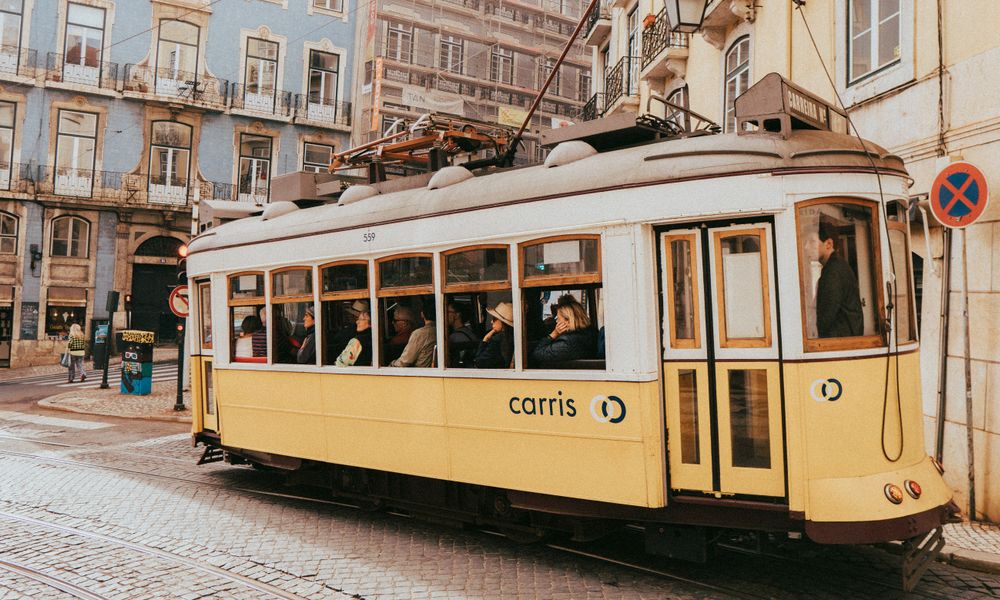
However, "safe" does not mean "risk-free." The most common issue facing tourists in 2026 remains petty theft. Specifically, pickpocketing and bag snatching are prevalent in high-density tourist areas. In Lisbon, the iconic Tram 28 remains a primary hotspot for professional pickpockets who capitalize on the crowded, swaying cars to lift wallets from unsuspecting passengers. Similarly, busy transport hubs like Santa Apolónia station and Rossio Square require heightened vigilance.
Petty Crime Hotspots and Prevention
While violent crime is exceptionally rare, "crime of opportunity" has seen a slight uptick in major metropolitan areas like Lisbon and Porto. Travelers should be particularly cautious in the following areas:
- The Baixa and Alfama districts (Lisbon): Narrow alleys provide easy escape routes for thieves.
- Ribeira (Porto): The crowded riverside is prime territory for distraction scams.
- Public Beaches in the Algarve: Leaving bags unattended while swimming is the leading cause of theft in southern Portugal.
- Nightlife zones: Areas like Bairro Alto (Lisbon) and Galerias de Paris (Porto) can become chaotic after midnight, increasing the risk of "snatch and run" thefts.
To mitigate these risks, always use a cross-body bag with a secure zipper and avoid carrying large amounts of cash. Digital payment via Apple Pay or Google Wallet is now accepted almost everywhere in Portugal, significantly reducing the need to carry physical currency. If you must use an ATM, prioritize those located inside bank lobbies rather than standalone machines on the street to avoid skimming devices.
Safety for Solo Travelers and Digital Nomads
Portugal has become a premier hub for digital nomads in 2026, thanks to the robust Digital Nomad Visa program. For solo travelers, the country is remarkably welcoming. Lisbon was recently named one of the top 10 safest cities for solo female travelers due to its well-lit streets and a culture that generally respects personal space. However, we recommend checking our comprehensive travel guides for neighborhood-specific safety ratings if you plan on staying in residential areas outside the main tourist centers.
Health and Medical Safety: Navigating the Portuguese Healthcare System in 2026
Portugal’s healthcare infrastructure, known as the Serviço Nacional de Saúde (SNS), is of a high standard and accessible to visitors. In 2026, the system has become increasingly digitized, making it easier for foreign travelers to access urgent care. For residents of the EU and the UK, the European Health Insurance Card (EHIC) or Global Health Insurance Card (GHIC) remains a vital tool, providing access to state-provided healthcare under the same conditions as Portuguese citizens.
For travelers from the United States, Canada, and Australia, comprehensive travel insurance is not just a recommendation—it is a necessity. While emergency care at public hospitals is mandatory regardless of your ability to pay, you will be billed for services afterward. Private hospitals, such as those in the CUF or Luz Saúde networks, offer faster service and more English-speaking staff, but they require upfront payment or proof of high-end insurance coverage.
Vaccinations and Environmental Health Risks
There are no mandatory vaccinations for entry into Portugal in 2026, but the CDC recommends staying up-to-date on routine vaccines such as Measles-Mumps-Rubella (MMR) and Tetanus. In rural areas, particularly in the Serra da Estrela or the Azores, travelers should be aware of tick-borne illnesses such as Lyme disease during the spring months. Use insect repellent if you are hiking in tall grass or forested areas.
Water Safety and Sun Protection
Is the tap water safe to drink in Portugal? Yes, tap water in mainland Portugal and the islands is safe and meets all EU standards. However, in some older districts of Lisbon or Porto, the taste can be heavily chlorinated. Many locals prefer bottled or filtered water for taste, but for safety, the tap is perfectly fine.
A more significant health risk in May is sun exposure. The Atlantic breeze often masks the true intensity of the sun’s rays. Heatstroke and severe sunburn are the most common reasons tourists visit pharmacies in the Algarve during late spring. Use a minimum of SPF 30 and stay hydrated, especially if you are engaging in outdoor activities like surfing or hiking the Fisherman’s Trail.
Emergency Medical Services
In the event of a medical emergency, the universal number is 112. Operators generally speak English and can dispatch an ambulance (Ambulância) quickly. For non-life-threatening issues, look for a Farmácia (identifiable by a green cross). Portuguese pharmacists are highly trained and can provide consultation and even prescribe certain medications for minor ailments, potentially saving you a trip to the hospital.

Transportation Safety: Roads, Rails, and Coastal Navigation
Navigating Portugal in 2026 is efficient but requires a specific set of safety knowledge, particularly regarding the complex toll road system and the challenging driving conditions in rural areas. While Portugal’s rail network, CP (Comboios de Portugal), is safe and reliable, many travelers opt to rent cars to explore the hidden beaches of the Costa Vicentina.
Driving Safety and Legal Requirements
Portugal has one of the highest road accident rates in Western Europe, though the numbers have improved significantly over the last decade. Driving is on the right-hand side. One of the most confusing aspects for visitors is the electronic toll system (SCUTs). Many motorways do not have physical toll booths; instead, they use overhead cameras to read license plates. If your rental car does not have a Via Verde transponder, you must pay the tolls at a post office (CTT) a few days later, or face heavy fines that the rental agency will eventually pass on to you with added "administrative fees."
Key Driving Regulations for 2026:
- Blood Alcohol Limit: The limit is strictly 0.5g/l (0.05%). For new drivers (less than 3 years), it is even lower at 0.2g/l. Penalties are severe and can include immediate license suspension.
- Mobile Phones: Use of a handheld mobile phone while driving is strictly prohibited and carries a fine of up to €600.
- Roundabout Rules: In Portugal, you should only use the outer lane of a roundabout if you are taking the immediate first exit. For all other exits, you must use the inner lanes.
- Reflective Vests: Every car must carry a reflective safety vest and a warning triangle. If you break down, you must put the vest on before exiting the vehicle.
Public Transport and Rideshare Safety
Public transport is generally very safe. In 2026, the Lisbon Metro and Porto Metro are clean and well-policed. However, late at night, it is safer to use ridesharing apps like Uber or Bolt, which are ubiquitous and affordable in Portugal. Always confirm the license plate and driver’s photo in the app before entering the vehicle. If you take a traditional taxi, ensure the meter is turned on; if the driver refuses, find another car. Taxis in Portugal are required by law to provide a receipt (fatura).
Maritime and Beach Safety
May 2026 brings surfers and swimmers to the coast, but the Atlantic Ocean is notoriously dangerous. Rip currents are common and can be incredibly powerful. Never swim at a beach that is not supervised by a lifeguard. Pay close attention to the flag system:
- Green Flag: Safe for swimming.
- Yellow Flag: Swimming is permitted but caution is required; do not go out deep.
- Red Flag: Swimming is strictly prohibited.
- Checkered Flag: The beach is temporarily unsupervised.
Additionally, stay away from the base of cliffs in the Algarve. Cliff erosion is a serious safety concern in 2026, and landslides occur frequently, particularly after spring rains. Follow the signs marked "Arriba Recuada" (Receding Cliff) and stay behind the safety fences.

Cultural Nuances and Essential Social Etiquette for 2026
Understanding the local culture is a core component of travel safety Portugal 2026. Misunderstandings can lead to social friction, which, while rarely dangerous, can dampen your travel experience. The Portuguese are generally reserved but incredibly polite and helpful.
The "Portuguese vs. Spanish" Distinction
One of the quickest ways to offend a local is to assume that Portugal is culturally identical to Spain or to speak Spanish to them expecting them to be grateful. While most Portuguese people understand Spanish, they prefer you attempt a few words of Portuguese or speak English, which is widely spoken by anyone under the age of 50. A simple "Bom dia" (Good morning) or "Obrigado" (Thank you—said by men) / "Obrigada" (said by women) goes a long way.
Dining and Tipping Etiquette
In 2026, the dining scene in Portugal is vibrant and diverse. However, the "Couvert" system still confuses many tourists. When you sit down, waiters will often bring bread, olives, cheese, and sometimes ham. These are not free. If you eat them, you will be charged for them. If you don't want them, simply say "No, thank you" and ask the waiter to remove them. This is standard practice and not considered rude.
Tipping is not mandatory but is appreciated for good service. In casual cafes, rounding up to the nearest Euro is sufficient. In mid-range restaurants, a 5-10% tip is standard. Be aware that many establishments in 2026 are moving toward a cashless model, but having a few small coins for tips is still a good practice.
Fado Etiquette
If you visit a Fado house in Alfama or Coimbra, silence is mandatory during the performance. Fado is a deeply emotional, soulful music genre centered on the concept of Saudade (a profound sense of longing). Talking, eating, or using your phone during a song is seen as highly disrespectful and may result in a stern rebuke from the staff or other patrons.
Social Norms and Demonstrations
Portugal has a history of peaceful political expression. Occasionally, you may encounter strikes (greves) or demonstrations in major city squares like Avenida da Liberdade. While these are almost always peaceful, they can cause significant transport disruptions. The UK Foreign Office advises travelers to avoid large gatherings as a general safety precaution. For real-time updates on strikes that might affect your flight or train, you can check our travel safety blog, where we post weekly updates on European travel disruptions.

Emergency Contacts and Useful Phrases for Your Trip
Preparation is the ultimate safety tool. Knowing who to call and how to communicate your needs in a crisis can change the outcome of an emergency. In 2026, many emergency services are integrated with digital location tracking, but you should still have the following information saved in your phone.
Vital Emergency Contacts
- Universal Emergency Number: 112 (Police, Ambulance, Fire)
- Tourist Police (PSP): +351 213 421 623 (Lisbon) / +351 222 092 000 (Porto)
- Poison Control Center: +351 800 250 250
- SNS 24 (Non-emergency health line): 808 24 24 24 (Dial this for health advice before going to the ER)
Essential Portuguese Phrases for Safety
While English is common, these phrases can be vital in rural areas or high-stress situations:
- "Socorro!" (Soh-koh-hoh) – Help!
- "Preciso de um médico." (Preh-see-zoh deh oon meh-dee-koh) – I need a doctor.
- "Fui roubado/a." (Fwee roh-bah-doh/dah) – I have been robbed.
- "Onde é o hospital?" (On-deh eh oo oh-spee-tahl) – Where is the hospital?
- "Chame a polícia, por favor." (Shah-meh ah poh-lee-see-ah, poor fah-vohr) – Please call the police.
- "Tenho uma alergia a..." (Teh-nyoo oo-mah ah-lehr-zhee-ah ah...) – I have an allergy to...
Best Practices for Staying Safe as a Tourist in 2026
The year 2026 introduces new technical layers to European travel. The Entry/Exit System (EES) is now fully operational across the Schengen Area, including Portugal. This means that instead of a traditional passport stamp, your biometric data (fingerprints and facial scan) will be recorded at the border. Ensure your passport is valid for at least three months beyond your planned departure date to avoid being turned away at Humberto Delgado Airport.
Digital Security and Scam Awareness
In the digital age, cyber-safety is as important as physical safety. Avoid using public Wi-Fi in cafes or airports for banking. Use a VPN if you must work remotely. Be wary of "helpful" strangers at train stations who offer to help you buy a ticket; they may be trying to observe your PIN or divert you to a more expensive, unofficial ticket machine.
Another common 2026 scam involves unofficial tour guides in Belém or Sintra who approach you with "skip-the-line" offers. These are often fraudulent. Always book your tickets through official websites like Parques de Sintra or reputable platforms recommended in our travel safety guides.
Real-Time Security Monitoring with TripGuard360
Despite all the planning in the world, the unexpected can still happen. A sudden transport strike, a localized weather warning, or a change in local safety conditions can disrupt even the most meticulous itinerary. This is where TripGuard360 becomes your most valuable travel companion.
TripGuard360 provides real-time trip safety monitoring specifically tailored for the 2026 traveler. By integrating with local government alerts and verified news sources in Portugal, TripGuard360 sends instant push notifications to your phone if there is a disruption in your immediate vicinity. Whether it is a safety alert for a neighborhood in Porto or a sudden closure of the Ponta da Piedade trails due to erosion risks, TripGuard360 ensures you are the first to know.
The app also features a "Direct-to-Help" button that instantly connects you to the nearest local emergency services while sharing your precise GPS coordinates—a feature that can be lifesaving in the rural landscapes of the Douro or during a late-night walk in an unfamiliar city.
Conclusion: Embrace the Magic of Portugal with Confidence
Portugal in May 2026 remains a dream destination—a place where the coffee is strong, the people are warm, and the safety standards are among the highest in the world. By staying vigilant against petty theft, respecting local customs, and navigating the transport systems with care, you can experience the best of what this Iberian gem has to offer.
However, true peace of mind comes from knowing that you have a 24/7 safety net in your pocket. Don't leave your security to chance. As you plan your 2026 adventure, make sure your safety is as prioritized as your hotel bookings. Download TripGuard360 today and discover how real-time safety monitoring can transform your Portuguese holiday into a worry-free journey of a lifetime.