Is Saudi Arabia Safe to Visit in 2026? What You Must Know
Why Travelers are Flocking to the Kingdom: An Introduction
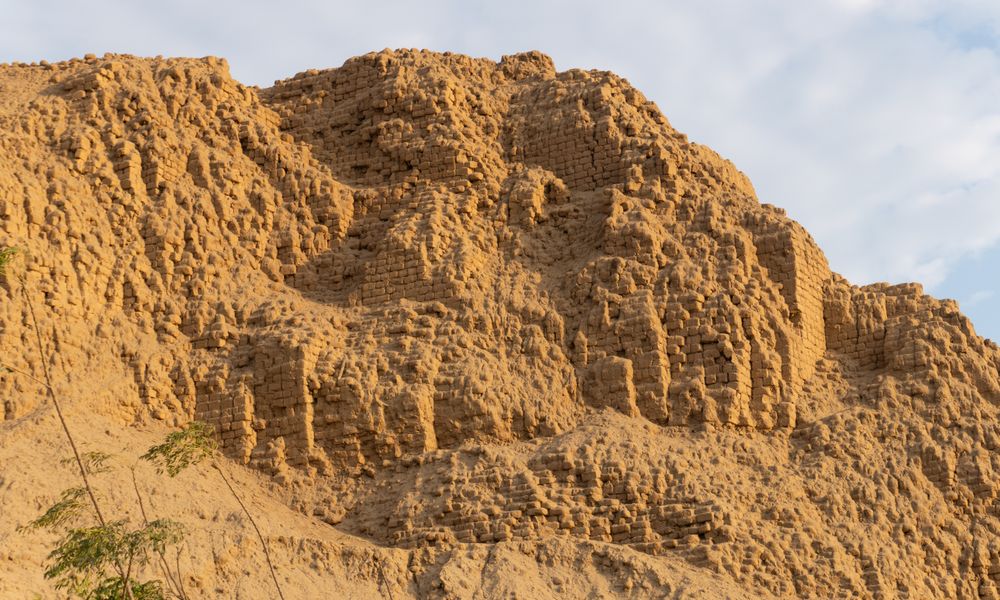
Saudi Arabia is currently witnessing one of the most historic transformations in modern tourism history. Guided by the ambitious Vision 2030 initiative, the Kingdom has rapidly transitioned from a largely closed country to a global cultural and luxury travel destination. Travelers from all over the world are flocking to explore the breathtaking ruins of Hegra in AlUla, dive into the pristine coral reefs of the Red Sea, wander the ancient mud-brick alleys of Diriyah in Riyadh, and experience the historic, labyrinthine alleyways of Al-Balad in Jeddah. The mixture of ultra-modern architectural feats, untouched desert wilderness, and centuries-old heritage makes it an incredibly enticing destination.
However, traveling to the Arabian Peninsula in May 2026 requires careful preparation. Between the shifting regional geopolitical dynamics and the soaring summer temperatures, tourists must possess a deep understanding of local laws, safety protocols, and health guidelines. Prioritizing your travel safety saudi arabia 2026 strategy is the key to ensuring your journey remains memorable for all the right reasons. This guide offers an exhaustive, real-time safety analysis to help you navigate the Kingdom securely, legally, and comfortably during your May 2026 visit.
Current Safety Overview: Real-Time Travel Safety Saudi Arabia 2026
Evaluating the current security landscape of Saudi Arabia requires looking at two distinct aspects: domestic street-level crime, which remains exceptionally low, and broader regional geopolitical challenges. As of May 2026, major Western governments maintain detailed advisories for travelers visiting the region due to ongoing regional tensions. Understanding these nuances is critical to a safe itinerary.
Understanding Regional Geopolitics and Areas to Avoid
In early 2026, the Middle East has experienced heightened regional tensions. This environment has occasionally resulted in airspace restrictions and drone or missile threats targeting critical infrastructure, ports, and airports in the Gulf region. The U.S. Department of State Saudi Arabia Travel Advisory recommends that citizens reconsider travel to the country due to these persistent regional threats, and specifically advises against traveling within 50 miles (80 kilometers) of the Saudi-Yemen border.
The southern provinces of Jazan, Najran, and parts of Asir are highly active military zones where cross-border skirmishes and drone attacks remain a critical risk. Tourists should entirely avoid these border areas. If you are staying in major metropolitan hubs like Riyadh, Jeddah, or Dammam, the threat is significantly mitigated by advanced national defense systems. However, the UK Government Foreign Travel Advice for Saudi Arabia urges British nationals to maintain heightened situational awareness, follow local media closely, and strictly adhere to security alerts issued by local authorities.
Crime Rates and Personal Safety in Major Cities
While regional security requires vigilance, the domestic security environment within Saudi Arabia is incredibly robust. Violent crime is virtually non-existent in major cities like Riyadh, Jeddah, Medina, and Dammam. The Kingdom’s strict legal framework, heavy police presence, and widespread use of surveillance cameras act as powerful deterrents against physical violence, muggings, and armed robberies.
However, petty crime such as pickpocketing or bag snatching can occasionally occur in crowded areas, particularly around local markets (souqs) or major transit hubs. Additionally, tourists should guard against cyber-scams and digital financial theft. When using public Wi-Fi networks in hotels or cafes, always use a virtual private network (VPN) and ensure your financial transactions are handled through secure, encrypted platforms. For solo female travelers, Saudi Arabia is generally considered safer than many Western metropolitan areas regarding street harassment, but keeping a low profile and dressing modestly remains essential to avoid unwanted attention.

Health, Medical Advice, and Heat Safety in Saudi Arabia
Staying healthy during your trip to Saudi Arabia involves managing two primary risk categories: infectious diseases associated with seasonal mass gatherings, and the physiological impact of extreme desert heat.
Essential Vaccinations and Meningococcal Risks
Before traveling to Saudi Arabia, ensuring you are fully up to date on all routine immunizations is vital. The U.S. CDC Saudi Arabia Health Advisory highlights specific vaccination requirements, particularly due to the massive influx of international pilgrims for Umrah and Hajj. Mass gatherings increase the risk of respiratory and bacterial infections.
Specifically, the Saudi Ministry of Health requires all travelers aged one year and older arriving for Hajj or Umrah pilgrimages to show proof of having received a quadrivalent (ACWY) meningococcal vaccine within the last 3 to 5 years (depending on the vaccine type), administered at least 10 days before arrival. Even if you are traveling strictly on a standard tourist visa and do not plan to perform religious rites, obtaining this vaccine is highly recommended if you intend to visit the holy cities of Medina or surrounding transit zones. Other highly recommended vaccines include:
- Hepatitis A and B: To protect against food and water contamination or medical exposure.
- Typhoid: Especially important if you plan to visit rural areas or eat street food.
- Measles, Mumps, and Rubella (MMR): Due to global outbreaks and high-density travel hubs.
- Tetanus and Diphtheria: A standard booster is recommended every 10 years.
Coping with the Extreme Heat of May 2026
May marks the beginning of the intense summer season in Saudi Arabia. In the capital city of Riyadh and the interior desert regions, average daily high temperatures in May routinely reach between 39°C and 44°C (102°F to 111°F), with overnight temperatures rarely dropping below 24°C (75°F). Coastal cities like Jeddah experience slightly lower temperatures, averaging around 37°C (98°F), but suffer from extreme humidity, which significantly increases the heat index and makes outdoor activities physically taxing.
To prevent heat exhaustion and life-threatening heatstroke, tourists must adapt their daily schedule. Limit outdoor sightseeing to early morning hours (before 9:00 AM) or late evenings (after 5:00 PM). During the peak afternoon hours, seek air-conditioned indoor spaces such as museums, historical centers, or modern shopping complexes. Drink at least 4 to 5 liters of water daily, even if you do not feel actively thirsty. Carry electrolyte replacement packets, apply broad-spectrum sunscreen with an SPF of 50+ hourly, and wear loose-fitting, light-colored clothing made from breathable natural fibers like linen or cotton.
Water Safety and Avoiding Gastrointestinal Illness
While tap water in major cities like Riyadh and Jeddah is treated and technically safe for washing, it is highly recommended that tourists stick to bottled or filtered water for drinking and brushing teeth to prevent stomach upset. Ensure the safety seals on bottled water are intact before drinking.
When dining, practice strict food hygiene. Seek out establishments that have high turnover and clean prep areas. Avoid raw or undercooked meats, and skip fresh vegetables or salads unless you can peel them yourself or are dining in reputable high-end hotels. Middle East Respiratory Syndrome (MERS-CoV) is also native to the region; the virus is zoonotic, meaning it spreads between animals and people. Tourists should entirely avoid close contact with dromedary camels, refrain from visiting camel farms, and never consume raw camel milk or undercooked camel meat.
Transportation Safety Tips for Navigating the Kingdom
Navigating the sprawling landscape of Saudi Arabia involves traversing massive highways or utilizing rapidly expanding public transport networks. Understanding the unique transportation risks is vital for a smooth trip.
Driving and Road Conditions in Saudi Arabia
Saudi Arabia possesses a modern and highly sophisticated highway network. However, the country has historically struggled with a high rate of road traffic accidents. Driving behaviors can be erratic; tailgating, sudden lane changes without signaling, high speeds exceeding 140 km/h (87 mph) on major highways, and ignoring lane discipline are common occurrences.
If you decide to rent a car, you must drive defensively. Avoid driving at night outside of major metropolitan areas, as rural roads may lack lighting, and wandering livestock (specifically camels) pose a fatal collision risk. Be aware of extreme weather events, including sudden sandstorms (haboobs) which can drop visibility to near zero in seconds. If caught in a sandstorm, pull off the highway as far as possible, turn off your vehicle’s lights to prevent other drivers from following you off the road, and wait for the storm to pass.
Public Transport, Taxis, and Ride-Sharing Apps
For long-distance travel between major cities, utilizing the Haramain High-Speed Railway is the safest, fastest, and most efficient option. This state-of-the-art rail network seamlessly connects Medina, Jeddah, King Abdulaziz International Airport, King Abdullah Economic City, and Mecca, traveling at speeds of up to 300 km/h (186 mph). It bypasses highway traffic entirely and is highly recommended for tourists.
For inner-city transit, avoid hailing unmarked, independent taxis from the street. Instead, rely on licensed, app-based ride-sharing services like Uber and Careem (a popular local ride-hailing app). These platforms record your driver’s details, track your route via GPS in real-time, and allow you to share your trip status with emergency contacts, providing an invaluable layer of personal safety.

Cultural Etiquette, Social Norms, and Local Laws
Saudi Arabia’s legal system is based strictly on Islamic law (Sharia). While the country has undergone immense social liberalization in recent years—including the opening of cinemas, hosting of co-ed concerts, and ending the ban on women driving—it remains a deeply conservative society. Ignorance of local customs is not accepted as an excuse by local authorities, and violations can result in hefty fines, deportation, or detention.
Deciphering the Saudi Dress Code for Tourists
The dress code for foreign tourists has relaxed significantly under the Public Decency Law, but modesty remains mandatory. Women are no longer legally required to wear the traditional black cloak (abaya) or cover their heads with a scarf (hijab) in public spaces. However, female tourists must dress modestly by wearing loose-fitting clothing that fully covers the shoulders and knees. Tight, transparent, or cleavage-baring garments are strictly forbidden and can result in fines. When visiting conservative areas or holy sites, wearing a simple abaya is a sign of deep cultural respect.
For men, the dress code is also subject to modesty guidelines. Men must avoid wearing sleeveless tank tops, athletic jerseys, or shorts that sit above the knee in public spaces. Dressing neatly is highly valued, and entering government buildings, malls, or upscale restaurants in casual beachwear is prohibited.
Public Decency, Social Media Restrictions, and Legal Boundaries
The Public Decency Law outlines strict codes of behavior that tourists must follow. Public displays of affection (PDA), such as kissing, hugging, or holding hands with a romantic partner, are culturally unacceptable and can lead to legal penalties. Swearing, making obscene gestures, or engaging in loud altercations in public are also punishable offenses.
Furthermore, Saudi Arabia enforces exceptionally strict laws regarding freedom of speech and digital footprint. It is illegal to post any content on social media that is critical of the Saudi Royal Family, the government, local authorities, or the Islamic faith. This law applies to both current posts and historic accounts. Before entering the country, review your social media profiles and remove any political commentary or controversial statements. Additionally, photographing government buildings, military installations, royal palaces, or local citizens without their explicit consent is illegal and can lead to the confiscation of your devices or arrest.
Finally, there is zero tolerance for alcohol, recreational drugs, and pork products. Importing, possessing, or consuming these items is illegal. Arriving at a Saudi airport with even trace amounts of illicit substances in your system or luggage will result in severe jail sentences, heavy financial penalties, and immediate deportation upon release.

Emergency Contacts, Practical Phrases, and Staying Secure
In the event of an emergency, having direct access to local authorities and knowing how to communicate basic needs in Arabic is vital. Save these emergency telephone numbers in your mobile device prior to arrival:
- Unified Emergency Number (all-inclusive): 911
- Police Department: 999
- Ambulance Services: 997
- Civil Defense (Fire Department): 998
- Traffic Accidents (Najm): 920000560
- Tourist Helpline (Ministry of Tourism): 930
Learning a few basic Arabic phrases can help defuse tense situations, show respect, and build rapport with locals. Try practicing these key terms:
- As-salamu alaykum: "Peace be upon you" (Standard, respectful greeting)
- Wa alaykum as-salam: "And upon you be peace" (The correct response to the greeting)
- Min fadlak: "Please" (for males) / Min fadlik (for females)
- Shukran: "Thank you"
- La, shukran: "No, thank you" (Very useful for turning down persistent vendors)
- Musa'adah: "Help"
- Ayn al-mustashfa?: "Where is the hospital?"
- Na'am / La: "Yes / No"
Before packing your bags for the Kingdom, check out our travel safety blog for more detailed regional safety updates, and consult our travel guides to map out your itinerary, explore local highlights, and find the safest neighborhoods to stay in during your trip.
Best Practices for Staying Safe as a Tourist
Maximizing your personal security while exploring Saudi Arabia comes down to proactive planning and a high degree of situational awareness. Follow these guidelines to stay safe throughout your travels:
1. Register with Your Embassy: Always register your travel plans with your home country's foreign service bureau before departing. For U.S. citizens, enrolling in the Smart Traveler Enrollment Program (STEP) is a crucial step. For British citizens, keeping your contact details updated via the FCDO portal ensures you can be easily located and contacted during a crisis, such as sudden airspace closures or regional military escalations.
2. Secure Comprehensive Travel Insurance: Never travel to Saudi Arabia without robust international medical insurance that covers emergency medical evacuation, trip cancellation, and repatriation of remains. Ensure your policy does not have exclusion clauses for regions experiencing active geopolitical tensions or countries with travel warnings.
3. Keep Digital Copies of Vital Documents: Store high-resolution digital copies of your passport, visa, travel insurance certificate, and vaccination records on a secure cloud-based server. Additionally, keep physical photocopies of these documents stowed safely in your hotel safe, separate from your primary wallet or daypack.
4. Respect Prayer Times (Salah): Muslims pray five times a day. During these prayer periods, which last approximately 20 to 30 minutes each, many local shops, restaurants, and gas stations temporarily close or adjust their operations. Plan your meals, refueling stops, and shopping trips around these times to avoid finding yourself locked out or stranded without resources under the hot sun.
5. Establish an Emergency Communication Plan: Keep a trusted family member or friend back home informed of your daily itinerary. Check in with them at scheduled times so they know you are safe, and agree on an action plan of who to contact should you fail to check in within a pre-determined timeframe.
How TripGuard360 Helps Monitor Your Trip Safety in Real-Time
When traveling in a dynamic region where geopolitical conditions, flight schedules, and weather alerts can shift rapidly, relying on static travel advice is simply not enough. That is where TripGuard360 becomes your ultimate travel companion. Our platform offers real-time safety monitoring designed to keep you steps ahead of potential disruptions.
TripGuard360 uses cutting-edge artificial intelligence to continuously aggregate security data, local news, and global travel advisories. By tracking localized risks, including airspace disruptions, extreme sandstorms, or military activity, TripGuard360 delivers instant, location-specific push notifications directly to your smartphone. If local authorities issue a heat warning or if geopolitical developments alter flight paths out of Riyadh or Jeddah, TripGuard360 sends you immediate, actionable instructions on what to do, where to shelter, and how to contact the nearest embassy. Our proactive threat alerts ensure you can travel through Saudi Arabia with the ultimate peace of mind.
Conclusion: Plan Your Journey with Peace of Mind
Saudi Arabia is an extraordinary country undergoing a breathtaking cultural awakening. From its dramatic desert canyons to its bustling, futuristic metropolitan districts, the Kingdom offers an unparalleled adventure for the modern traveler. However, as highlighted by our comprehensive analysis, ensuring your travel safety saudi arabia 2026 requires being proactive, staying informed, respecting cultural norms, and adapting to the region's climate and geopolitical landscape.
Do not leave your personal safety to chance. Safeguard your upcoming journey across the Kingdom by arming yourself with the world's premier real-time safety companion. Sign up for TripGuard360 today to access instant security updates, direct emergency routing, and personalized safety insights tailored to your specific travel dates. Travel smarter, travel safer, and experience Saudi Arabia with absolute confidence!