Is South Africa Safe in 2026? What You Must Know
South Africa is a land of incredible contradictions, jaw-dropping landscapes, and rich cultural tapestry. From the iconic silhouette of Table Mountain in Cape Town and the world-renowned wildlife encounters of Kruger National Park, to the sprawling vineyards of the Cape Winelands and the historical weight of Robben Island, the "Rainbow Nation" remains one of the world's most sought-after travel destinations. As of mid-2026, international tourism is booming once again. Travelers from all corners of the globe are packing their bags to experience South Africa’s unique magic, seeking both thrilling outdoor adventures and deep, immersive cultural interactions.
However, planning a trip here requires a balanced approach. While the beauty of the nation is undeniable, safety is a primary concern for many prospective visitors. In this comprehensive guide, we analyze the actual realities of travel safety south africa 2026, offering clear, actionable advice on how to navigate the country securely, avoid high-risk zones, stay healthy, and enjoy a seamless African adventure.
Is South Africa Safe to Visit? Current travel safety south africa 2026 Overview
When examining the safety landscape of South Africa, it is essential to separate media exaggeration from on-the-ground reality. However, it is equally important not to downplay the genuine risks that exist. The country continues to grapple with deep socio-economic inequalities, high unemployment, and systemic challenges that fuel localized crime.
For those looking to plan an itinerary, the U.S. Department of State Travel Advisory for South Africa currently lists the country as a Level 2: Exercise Increased Caution destination due to crime, civil unrest, and kidnapping. This rating is comparable to other popular travel destinations like France, Brazil, or Mexico. It signifies that while travel is entirely feasible and highly rewarding, visitors must remain constantly vigilant and adopt a proactive safety mindset. Similarly, the UK Foreign, Commonwealth & Development Office (FCDO) travel guidelines emphasize that while the vast majority of tourists visit without incident, violent crime remains a persistent concern, especially in urban environments.
To keep yourself protected, it is critical to understand the primary security threats active in South Africa:
- Opportunistic theft and muggings: These are the most common crimes affecting tourists. Pickpocketing, bag snatching, and phone grabbing are frequent in crowded commercial areas, transport hubs, and popular sightseeing spots.
- Smash-and-grab attacks: These target motorists stopped at intersections ("robots" in local parlance). Thieves smash car windows to grab bags, phones, or valuables left in plain sight on the seats.
- Carjacking and armed robbery: These are serious concerns, particularly at night, in isolated areas, or at highway off-ramps.
- Kidnapping: In recent years, kidnappings have risen in South Africa. While most target wealthy local business owners, criminal syndicates occasionally target foreigners, forcing them to withdraw cash from ATMs or transfer funds via banking apps before releasing them.
Understanding South Africa's Advisory Levels and Crime Statistics
Statistically, South Africa possesses high violent crime rates. However, these statistics require nuance. The vast majority of violent crimes occur in localized, low-income areas and townships (informal settlements) far removed from traditional tourist hubs. Tourist areas are generally heavily monitored by private security firms, local police, and "Tourism Monitors"—a government initiative designed to bolster traveler safety at key landmarks.
Despite this, travelers must not become complacent. Crime can occasionally spill over into affluent suburbs and tourist corridors, such as the beachfront in Durban, parts of central Cape Town (CBD), and transit routes to and from airports. Understanding that your level of risk is heavily dependent on your immediate surroundings, the time of day, and your personal security practices is the foundation of travel safety south africa 2026.
High-Risk Areas and Neighborhoods to Avoid
To minimize your exposure to risk, it is vital to know which areas to avoid completely. In Johannesburg, avoid walking through the Central Business District (CBD), Hillbrow, Yeoville, and Berea, especially after dark. While neighborhoods like Sandton, Rosebank, and Melville are generally safer, you should still exercise extreme caution when walking outside gated complexes or shopping malls.
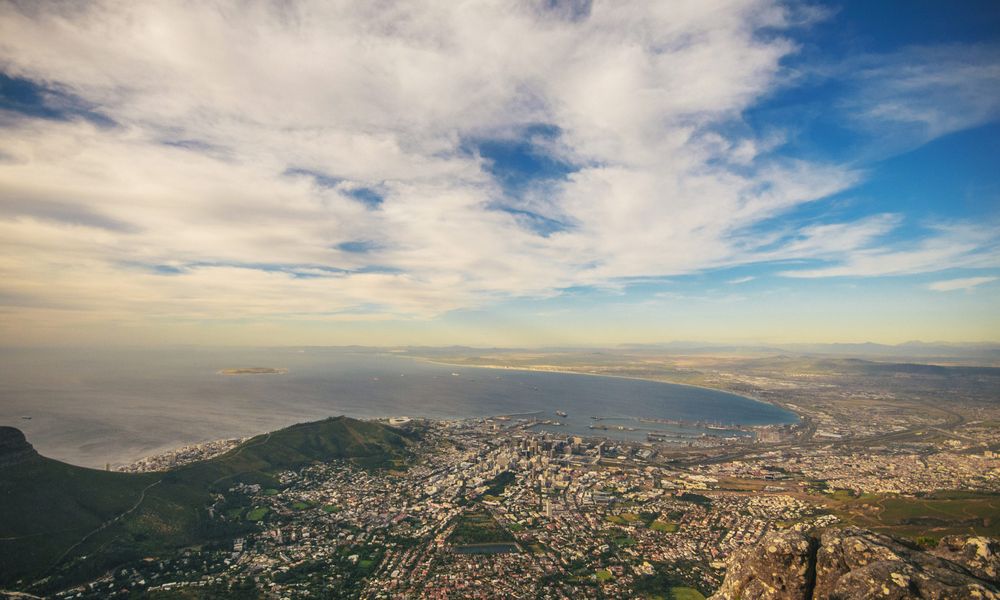
In Cape Town, tourist areas like the V&A Waterfront, Camps Bay, and Clifton are heavily patrolled and relatively safe during the day. However, caution must be exercised in the Cape Town CBD, Long Street (especially at night due to aggressive pickpockets and scammers), and the outer Table Mountain hiking trails when walking alone. Under no circumstances should you enter informal settlements or townships (such as Khayelitsha, Mitchells Plain, Gugulethu, or Langa) without a reputable local guide or an organized tour. Self-driving or walking into these areas can put you at severe risk.
In Durban, the beachfront (the Golden Mile) is a vibrant area during the day but becomes highly dangerous after dark. Avoid walking along the beach or the adjacent promenade at night. Additionally, the areas around the Durban harbor and the CBD present elevated risks for street robberies and muggings.
Health Guidelines and Medical Advice for South Africa 2026
Staying safe in South Africa is not just about avoiding crime; it also involves protecting your physical health. South Africa has a highly dualistic healthcare system. The private medical sector in South Africa is world-class, boasting state-of-the-art facilities, highly trained specialists, and excellent emergency care. However, private hospitals will require proof of comprehensive travel insurance or a substantial upfront deposit before admitting patients. The public healthcare system, on the other hand, is severely under-resourced, overcrowded, and generally not recommended for tourists.
Before departing, always check the health and vaccine notices provided by the U.S. Centers for Disease Control and Prevention (CDC) to ensure you are fully prepared.
Essential Vaccinations and Health Preparations
For travel safety south africa 2026, ensure that all your routine vaccinations are up to date. This includes measles-mumps-rubella (MMR), diphtheria-tetanus-pertussis (Tdap), chickenpox, polio, and your annual flu vaccine. In addition to routine immunizations, health authorities recommend the following vaccinations for most travelers:
- Hepatitis A and Typhoid: Highly recommended to prevent food and waterborne illnesses, particularly if you plan to travel to rural areas, smaller towns, or plan to be an adventurous eater.
- Hepatitis B: Recommended for travelers who might have medical procedures, tattoos, or close contact with the local population.
- Rabies: Recommended if you plan to spend significant time outdoors, go camping, or work closely with animals. Interestingly, in 2024 and continuing into 2026, there have been unusual reports of rabies outbreaks among Cape fur seals along the Western Cape coastline. Beachgoers, divers, and surfers are strongly advised to keep their distance from marine mammals and avoid any physical contact.
- Yellow Fever: While Yellow Fever is not endemic to South Africa, the government strictly enforces a Yellow Fever vaccination certificate requirement if you are arriving from, or have transited through, a country with a risk of Yellow Fever transmission. This must be administered at least 10 days prior to arrival.
Malaria Prevention and Mosquito-Borne Risks
Malaria is a serious, potentially life-threatening disease transmitted by infected female Anopheles mosquitoes. In South Africa, malaria risk is seasonal and highly localized. The primary risk areas include:
- The low-altitude areas of Mpumalanga Province, including the Kruger National Park and surrounding private game reserves.
- The northeastern parts of KwaZulu-Natal (such as the Elephant Coast and Maputaland).
- The eastern regions of Limpopo Province.
Because May 2026 marks the beginning of the cooler, dry autumn/winter season in South Africa, mosquito activity and malaria transmission risks begin to decrease compared to the wet summer months. However, the risk is still present, and prophylactic medication is highly advised by the CDC. It is highly recommended to consult a travel clinic 4 to 6 weeks before your trip to discuss prescription malaria prophylaxis (such as Atovaquone-proguanil/Malarone, Doxycycline, or Lariam). In addition to medication, practice strict mosquito avoidance: wear long-sleeved clothing in the evenings, use an EPA-registered insect repellent containing DEET, and sleep in well-sealed or air-conditioned rooms.
Water Safety and Food Hygiene Standards
One of the most common questions travelers ask is whether the water is safe to drink. In South Africa's major urban centers (including Cape Town, Johannesburg, Pretoria, and Durban), the municipal tap water is treated to high standards and is completely safe to drink, cook with, and use for brushing teeth. You do not need to buy bottled water in these cities, which also helps reduce plastic waste.
However, when traveling to rural areas, small towns, informal settlements, or game lodges, tap water quality can vary significantly. In these locations, it is safest to stick to bottled water, boiled water, or water treated with a reliable filter. Food safety standards in South African restaurants, hotels, and tourist establishments are generally exceptionally high. You can comfortably enjoy fresh salads, seafood, and the country's famous braai (barbecue) meats. If eating street food, choose busy vendors with high turnover, and ensure that hot food is served steaming hot.

Navigating South African Roads: Transportation Safety Tips
Transportation is one of the most critical elements of travel safety south africa 2026. How you choose to move between cities and within urban environments will directly impact your overall safety. South Africa has a vast and well-maintained highway system, making road trips a highly popular option for exploring the stunning landscapes. However, road safety is a major concern, as local driving habits can be aggressive, and road infrastructure in rural areas may suffer from poor lighting or potholes.
Road Safety and Defensive Driving Guidelines
If you choose to rent a car and drive yourself, keep the following safety rules at the forefront of your mind:
- Keep to the left: South Africans drive on the left side of the road, and steering wheels are on the right. If you are not used to this layout, take some time to practice in a quiet area before hitting major highways.
- Lock your doors and roll up windows: Always drive with your car doors locked and windows closed (or cracked open only slightly), especially when stopped at traffic lights or driving through urban areas.
- Avoid night driving: Outside of well-lit, major highways, avoid driving at night. Rural roads lack lighting, and you face the risk of encountering stray livestock, pedestrians walking along the road, deep potholes, or broken-down vehicles. Furthermore, driving at night significantly increases your risk of falling victim to a carjacking or armed robbery.
- The Golden Rule for Valuables: Never leave anything visible inside your parked car—not even cheap sunglasses, charging cords, or empty bags. Lock everything securely in the trunk (called the "boot") before you arrive at your destination. Leaving items on seats invites "smash-and-grab" attacks.
- Beware of "Blue Light Gangs": There have been instances of criminals posing as police officers in vehicles with blue lights, pulling over unsuspecting drivers to rob them. If you are signaled to pull over by an unmarked car or in an isolated area, put on your hazard lights, drive slowly to the nearest well-lit public space (like a petrol station), or call the police to verify.
Public Transit vs. Ride-Sharing Safety in South Africa
Traditional public transport options in South Africa require careful consideration:
- Minibus Taxis: These white vans are the primary mode of transport for millions of locals. However, they are highly unregulated, often poorly maintained, and their drivers frequently violate traffic laws. They are not recommended for tourists due to the high rate of accidents and safety issues.
- Trains (Metrorail): The local urban commuter rail networks (especially in Cape Town and Johannesburg) are plagued by vandalism, copper theft, and security concerns. Violent robberies are common on these commuter trains. Tourists should avoid Metrorail commuter trains. The notable exception is the Gautrain—a high-speed, modern rapid rail system connecting OR Tambo International Airport with Johannesburg, Sandton, and Pretoria. The Gautrain is clean, fast, heavily guarded by private security, and highly recommended as a safe transit option.
- Ride-Sharing (Uber and Bolt): Ride-sharing apps are widely available in major cities and are generally considered the safest and most convenient way for tourists to travel short distances, especially at night. To ensure your safety: always verify that the license plate, car make/model, and driver’s photo match the details shown in the app before entering the vehicle; ask the driver "Who are you picking up?" rather than saying "Are you [Name]?"; and sit in the back seat and share your ride status in real-time with a trusted contact.

Cultural Customs and Practical Travel Tips for South Africa
South Africa's cultural diversity is one of its greatest assets. Often called the "Rainbow Nation," it is home to 11 official languages (with English being widely spoken and understood in almost all tourist areas) and a rich tapestry of ethnic groups. Engaging respectfully with the local population will not only enrich your travel experience but also serve as a vital component of staying safe.
Understanding South African Cultural Etiquette
South Africans are generally warm, friendly, and incredibly hospitable. When interacting with locals, keep these cultural norms in mind:
- Greetings: A polite and friendly greeting goes a long way. Always start a conversation (even with a shop assistant, waiter, or hotel receptionist) by saying "Hello, how are you?". Rushing directly into a request without a greeting can be perceived as rude.
- Respect for Elders: In traditional African cultures, respecting elders is paramount. When greeting or speaking to older individuals, showing polite deference is highly appreciated.
- Photography: While South Africa is incredibly photogenic, always ask for permission before taking photos of local people, especially in rural areas or townships. Respect their privacy and dignity.
- Tipping Culture: Tipping is a standard and expected practice in South Africa's service industry. In restaurants, a 10% to 15% tip is standard for good service. "Car guards" are also a unique feature of South African life—these are individuals (often informal workers) who offer to watch your parked car on public streets in exchange for a small tip of 5 to 10 Rand (ZAR) when you return to your vehicle. It is highly recommended to pay them, as they provide a valuable deterrent against vehicle crime.
Load Shedding and Infrastructure Challenges
One of the most prominent operational challenges in South Africa is load shedding—scheduled, rotating power outages implemented by the state utility company to manage electricity supply. While the severity of load shedding varies, it can still disrupt daily life.
When the power goes out, streetlights ("robots") stop working, which can cause significant traffic gridlock and increase road risks. Treat dead traffic lights as a four-way stop. Security systems, electric fences, and street lighting in neighborhoods may also become inactive if backup batteries fail, creating opportunities for opportunistic crime. Cellular towers may lose power, resulting in a temporary drop in mobile signal and internet connectivity.
To mitigate these risks, always stay informed of the local load-shedding schedule using local apps (like EskomSePush), keep your electronic devices and power banks fully charged, and ensure your accommodation has a reliable backup generator or solar system.
Safe Tourism Practices: Cash, Valuables, and Scams
Managing your money and physical valuables securely is key to preventing yourself from becoming a target for opportunistic criminals:
- ATM Safety: Be extremely cautious when withdrawing cash from ATMs. Never accept help from strangers, even if they appear to be helpful security guards or bank employees. They may attempt to swap your card or observe your PIN. If anyone approaches you while you are at an ATM, immediately cancel the transaction and walk away. Whenever possible, use ATMs located inside secure shopping malls or bank branches rather than on the street.
- Go Cashless: South Africa has an advanced financial infrastructure. Credit and debit cards (Visa and Mastercard) are accepted almost everywhere, from high-end restaurants to local craft markets. Tap-to-pay and mobile wallets (Apple Pay, Google Pay) are also widely supported. Carry only a small amount of cash for emergency tips or parking.
- Dress Down: Avoid wearing flashy jewelry, expensive watches (such as Rolexes or Apple Watches), or carrying high-end camera gear openly in public spaces. Keep your phone in your pocket or bag rather than holding it in your hand while walking on the street.

Emergency Contacts, Phrases, and Real-Time Safety
Having an emergency plan is a crucial aspect of travel preparation. Before you step on the plane, save vital emergency contact numbers into your phone so that you can react quickly if an incident occurs.
Quick-Reference South African Emergency Contacts
If you find yourself in an emergency, use the following contact details to summon help:
- Police (SAPS - South African Police Service): Dial 10111 (Call from landlines or local mobile numbers).
- Ambulance and Fire Services: Dial 10177.
- National Emergency Number (from mobile phones): Dial 112 (This works even on phones without local SIM cards or active airtime).
- National Sea Rescue Institute (NSRI): Dial 087 094 9774 (For marine emergencies, drowning, or coastal rescues).
- Tourism Safety Initiative (TSI): A specialized helpline designed to assist tourists who have been victims of crime or require emergency administrative support.
In addition to phone numbers, learning a few words of local slang or basic phrases in South Africa's major languages can help you build rapport and navigate daily interactions smoothly:
- "Howzit" – A common South African English slang greeting meaning "How are things?" or "How are you?".
- "Robot" – The local term for a traffic light.
- "Just now" or "Now now" – Phrases describing time. "Now now" means immediately or very soon, while "just now" means in a little while or later.
- "Yebo" (Zulu) – Means "Yes".
- "Molo" (Xhosa) – Means "Hello".
- "Dankie" (Afrikaans) – Means "Thank you".
To gain a deeper understanding of planning and safety best practices for international journeys, we highly recommend checking out our travel safety blog, which is updated regularly with expert insights. Additionally, you can explore detailed regional safety checklists in our travel guides section.
Why TripGuard360 is Your Ultimate travel safety south africa 2026 Companion
While keeping all these safety tips in mind is important, manually tracking dynamic, local risks while you are trying to enjoy your vacation can be exhausting. This is where TripGuard360 becomes your most valuable travel companion.
TripGuard360 is an advanced, real-time safety monitoring platform designed to keep travelers protected, informed, and connected wherever they are in the world. When traveling through a dynamically shifting landscape like South Africa, the platform offers unmatched peace of mind through several cutting-edge features:
- Real-Time Hyper-Local Alerts: TripGuard360 monitors your precise GPS location and cross-references it with live local safety data. If a violent protest breaks out in Cape Town CBD, or if a highway route in Johannesburg experiences sudden security issues, TripGuard360 sends a push notification directly to your phone, allowing you to bypass the danger zone entirely.
- Load Shedding Schedule Integration: The platform automatically tracks local load-shedding schedules based on your current coordinates. It warns you when your immediate area is about to go dark, allowing you to plan your travel routes, secure your valuables, and return to your accommodation safely.
- Dynamic Safety Scoring: Curious about whether a specific neighborhood in Johannesburg is safe for an afternoon walk? TripGuard360 provides localized, street-level safety scores, rating crime rates, lighting quality, and foot traffic patterns in real-time.
- 24/7 Virtual SOS Button: In a critical situation, you don’t have time to look up local police or medical contacts. With a single tap of the TripGuard360 SOS button, the platform transmits your exact GPS coordinates to our global emergency response center, instantly dispatching local private security or medical personnel to your exact location.
- Trusted Contact Sharing: Keep your loved ones at peace. TripGuard360 allows you to securely share your live location and route status with designated emergency contacts, ensuring they know you are safe during a long safari drive or transit ride.
Final Verdict: Staying Safe in South Africa in 2026
South Africa in May 2026 remains an utterly captivating destination that rewards adventurous spirits with once-in-a-lifetime experiences. From watching a pride of lions under the golden African sun to standing at the Cape of Good Hope where two oceans meet, the rewards of visiting this spectacular nation are boundless.
However, a successful trip requires a mature, proactive, and well-informed approach to safety. By understanding the local environment, avoiding high-risk neighborhoods, planning your transit routes with care, and keeping a watchful eye on your surroundings, you can easily minimize risks and focus on creating unforgettable memories.
Don't leave your personal safety to chance. Empower yourself with the ultimate digital shield and navigate the stunning landscapes of South Africa with absolute confidence. Sign up for TripGuard360 today and experience the peace of mind that comes with real-time, expert-vetted safety monitoring in the palm of your hand. Safe travels!