Is Turkey Safe in 2026? 7 Safety Mistakes Tourists Make
Turkey has long been one of the world's most captivating travel destinations, bridging the gap between Europe and Asia with unparalleled grace. From the winding, spice-scented alleyways of Istanbul’s Grand Bazaar to the otherworldly tufa formations of Cappadocia where hundreds of hot air balloons paint the sunrise, Turkey offers an intoxicating mix of ancient history, rich culinary traditions, and breathtaking natural beauty. Whether you are planning to lounge on the sun-drenched beaches of the Turquoise Coast, explore the ruins of Ephesus and Göbeklitepe, or dive into the bustling modern nightlife of Izmir, the appeal of this transcontinental country is undeniable.
However, as global geopolitics and travel dynamics shift in May 2026, understanding the current security landscape is essential for any traveler. Staying informed about local regulations, health guidelines, transport updates, and cultural nuances is the key to transforming a good vacation into an unforgettable, stress-free adventure. This comprehensive guide details everything you need to know about travel safety turkey 2026, ensuring you are thoroughly prepared for your journey.
1. Travel Safety Turkey 2026: The Current Overview and Threat Landscape
For the vast majority of visitors, Turkey is a welcoming and highly safe country to explore. Millions of international tourists arrive every year, with most experiences characterized by warm hospitality and spectacular sightseeing. However, like any major tourist destination, the country has localized safety issues, ranging from petty street crime to broader geopolitical and security risks that vary significantly depending on where you are traveling.
As of mid-2026, major international authorities maintain a nuanced view of Turkey's security status. The U.S. Department of State's Turkey Travel Advisory classifies the country at Level 2: Exercise Increased Caution. This rating is largely driven by persistent concerns surrounding terrorism and the potential for arbitrary detentions. It is important to contextualize this: Level 2 is the same rating applied to popular European destinations such as France, Spain, and the United Kingdom. It means you should remain highly vigilant and aware of your surroundings, rather than canceling your plans altogether.
Avoiding High-Risk Areas and Regional Escalations
While Turkey's primary tourist hubs—including Istanbul, Cappadocia, Antalya, Bodrum, Marmaris, and Izmir—are located far from conflict zones and are heavily policed, specific geographic regions must be avoided. The most critical area of concern is Turkey’s southeastern border. The UK Foreign, Commonwealth & Development Office (FCDO) explicitly advises against all travel to within 10 kilometers (6 miles) of the border with Syria. This region remains highly volatile due to ongoing conflict, military operations, and a heightened risk of cross-border violence and terrorist activity.
Additionally, travelers are advised to reconsider non-essential travel to provinces in the immediate southeast, such as Hakkari and Sirnak. In early March 2026, security conditions prompted the U.S. government to order the departure of non-emergency personnel from its Consulate in Adana, subsequently suspending all routine consular services in that city. Consequently, travelers in southeastern Turkey have limited access to immediate consular support, making it imperative to stick to the well-trodden tourist corridors of the west, center, and southwest.
Recent regional escalations in the wider Middle East have also caused occasional disruptions to flight paths and temporary security alerts at foreign embassies in major cities like Ankara and Istanbul. Travelers should maintain a flexible itinerary, keep their passport and departure plans under constant review, and stay far away from military bases, government buildings, and active security checkpoints.
Common Petty Crimes and Scams Targeting Tourists
While violent crime against tourists is exceedingly rare in Turkey, petty offenses like pickpocketing, bag-snatching, and financial scams are common, especially in high-density tourist spots. In Istanbul, areas around Taksim Square, Istiklal Avenue, Sultanahmet (home to the Blue Mosque and Hagia Sophia), and the Grand Bazaar are prime operating grounds for professional pickpockets. These individuals often work in groups, utilizing distraction techniques—such as bumping into you, asking for directions, or dropping items—to steal wallets, smartphones, and handbags.
Another issue is financial opportunistic scams. These can range from taxi drivers taking "scenic" routes to inflate the fare, to street vendors demanding exorbitant prices for basic goods. In the digital age, tourists are also targeted by card-skimming operations and fraudulent ATM setups. Always use ATMs located inside bank branches during operating hours to minimize the risk of card theft or cloning.

2. Health, Medical Advice, and Vaccinations for Turkey 2026
Staying healthy is just as important as avoiding crime when analyzing travel safety turkey 2026. Turkey offers a fantastic culinary scene, but differences in food preparation, water quality, and local pathogens mean that travelers must take a proactive approach to their personal well-being.
Crucial Vaccinations and Tap Water Safety
Before packing your bags, you should consult your doctor or a local travel clinic to ensure your vaccinations are fully up to date. According to health resources like the Centers for Disease Control and Prevention (CDC), all travelers should be current on their routine childhood immunizations, including Measles-Mumps-Rubella (MMR), Diphtheria-Tetanus-Pertussis, Polio, and Influenza.
For Turkey, additional travel-specific vaccinations are highly recommended:
- Hepatitis A: Transmitted through contaminated food or water, this is a essential vaccine for anyone visiting Turkey, regardless of whether you are staying in luxury resorts or budget hostels.
- Typhoid: Recommended for travelers who are visiting smaller cities, rural areas, or those who are adventurous eaters who plan on sampling local street food.
- Rabies: Turkey has a massive population of street dogs and cats. While animals in cities like Istanbul are often tagged, monitored, and vaccinated by local municipalities, rabid animals still pose a threat, particularly in rural and semi-urban areas. If you plan on hiking the Lycian Way, cycling through rural Anatolia, or spending extensive time outdoors, a pre-exposure rabies vaccination is highly advisable.
When it comes to hydration, tap water safety is a major consideration. While municipal water in major cities like Istanbul, Ankara, and Izmir is treated and chlorinated to meet basic sanitation standards, the domestic piping infrastructure is often antiquated. This can introduce heavy metals, rust, and localized bacteria into the water supply. While local residents may use tap water for cooking or boiling tea, tourists should strictly drink bottled, filtered, or purified water. Bottled water (known as su) is incredibly inexpensive and readily available at every corner kiosk (büfe). Use bottled water even when brushing your teeth to prevent the dreaded "Turkey trots" (traveler's diarrhea).
Emergency Medical Care and Hospital Access in Turkey
Should you fall ill or suffer an injury during your trip, Turkey boasts an exceptional healthcare system, particularly in the private sector. Major metropolitan areas and popular resort towns along the Aegean and Mediterranean coasts have state-of-the-art private hospitals. Many of these facilities are Joint Commission International (JCI) accredited and feature English-speaking doctors, specialists, and translators who cater directly to international patients.
In contrast, public hospitals (Devlet Hastanesi) can be crowded, understaffed, and may have very few employees who speak English. If you require medical attention, always ask your hotel reception or your tour operator to direct you to a reputable private hospital or medical clinic.
Because private healthcare is premium-grade, it comes with a matching price tag. You must secure comprehensive travel health insurance before departing. Ensure your policy covers emergency medical treatment, hospital stays, and emergency medical evacuation. If you plan on participating in adventurous activities—such as paragliding in Ölüdeniz or hot air ballooning in Cappadocia—double-check that these specific activities are not excluded from your coverage. If you want to read more about packing your medical kit, check out our travel safety blog.

3. Safe Transit: Public Transport and Road Safety in Turkey 2026
Getting from point A to point B in Turkey is generally easy and highly efficient, but it does require some local know-how to avoid common safety traps and logistical headaches. Turkey has invested heavily in its transit infrastructure, resulting in world-class high-speed rail networks, modern airports, and extensive metro systems.
Navigating Istanbul Taxis and Public Transit Safely
Istanbul’s public transport system is a marvel of efficiency. The metro, clean modern trams, and historical ferries that cross the Bosporus are not only incredibly scenic but also far safer and faster than sitting in the city’s notorious gridlock traffic. To use public transit, you simply need to purchase an Istanbulkart from any major transit station and load it with Turkish Lira. It can be used across buses, metros, trams, and ferries.
Conversely, municipal taxis are the single largest source of tourist complaints and minor safety issues in Turkey. While many taxi drivers are honest professionals, taxi scams are highly prevalent in tourist hotspots. Common taxi scams include:
- The Broken Meter: The driver claims the taximeter is broken and tries to negotiate a highly inflated flat rate. Under Turkish law, all taxis must use the meter. If a driver refuses to turn it on, politely exit the vehicle.
- The Detour: Taking a long, circuitous route to run up the meter.
- The Banknote Swap: When you hand the driver a 200 Lira note, they quickly swap it for a 20 Lira note while your eyes are averted, claiming you shortchanged them. Always state the denomination of the bill aloud when handing it over.
To completely bypass these frustrations, use ride-hailing apps such as BiTaksi or Uber (which operates legally in Turkey by hailing licensed municipal yellow and turquoise taxis). These apps pre-calculate your route, display the estimated fare, and record the driver’s identity and license plate, providing an invaluable layer of security.
The Rules of Driving and Road Safety in Turkey
If you plan to rent a car to explore the stunning coastal roads of the south, you will find that major highways and intercity roads are in excellent, modern condition. However, Turkish driving behavior can be aggressive, unpredictable, and highly stressful for foreign drivers. Speed limits, lane discipline, and indicators are frequently ignored, and tailgating is a common local driving custom.
Pedestrian safety is a serious concern. In Turkey, drivers do not yield to pedestrians, even at designated zebra crossings or green pedestrian signals. Do not step off the curb expecting traffic to stop for you. Always look both ways, wait for a clear gap in traffic, and cross with extreme vigilance.

4. Cultural Etiquette, Dress Codes, and Respecting Local Customs
A crucial element of personal safety is showing respect for local culture. Turkey is a fascinating, culturally complex nation. It is constitutionally secular, yet its population is overwhelmingly Muslim. You will experience a stark contrast between highly liberal, Europeanized cities like Izmir and Bodrum, and the deeply conservative towns of central and eastern Anatolia.
Etiquette When Visiting Mosques and Holy Sites
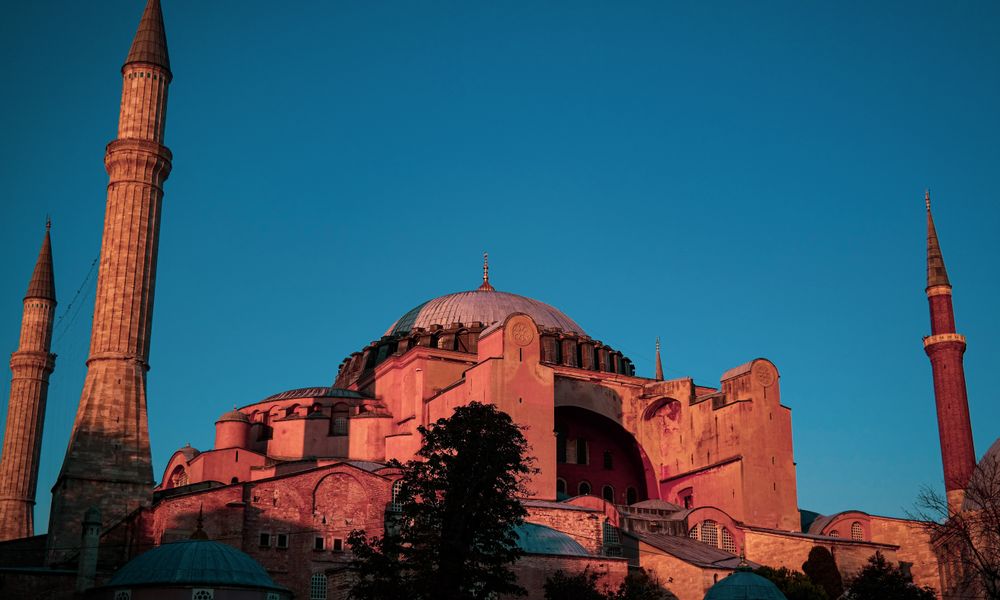
When visiting Turkey’s magnificent active mosques, showing respect is key to avoiding confrontation. Both men and women must dress modestly. This means keeping shoulders and knees covered. Women are strictly required to cover their hair before entering a mosque. Most major tourist mosques, such as the Hagia Sophia, provide head coverings and robes either for free or for a small fee at the entrance, but carrying your own lightweight scarf is highly recommended.
Furthermore, you must remove your shoes before stepping onto the carpeted prayer sections of the mosque. Shoe racks are provided, or you can carry your shoes in a plastic bag. Avoid taking photos of people who are actively praying, and maintain a quiet, respectful demeanor during your visit. Avoid entering mosques during the five daily prayer times, especially on Friday afternoons, which is the holy day of the week.
Legal Restrictions and Sensitive Political Topics
Turkey has strict legal codes regarding political expression that travelers must take very seriously. Under Article 301 of the Turkish Penal Code, it is a serious criminal offense to insult the Turkish nation, the Turkish Republic, its government institutions, or the country’s revered founder, Mustafa Kemal Atatürk. This law is strictly enforced. Avoid making derogatory comments, defacing currency (which features Atatürk’s image), or engaging in disrespectful behavior toward the Turkish flag.
Additionally, avoid discussing highly sensitive political topics, including the country's president, relations with neighboring states, or internal regional conflicts. Expressing strong opinions on these topics, even casually on your personal social media accounts, can potentially lead to legal trouble or detention. To plan your overall itinerary while staying mindful of these laws, read our travel guides.
5. Tourist Safety Best Practices and Scam Prevention
Beyond standard precautions, keeping yourself safe in Turkey in 2026 relies on recognizing specific deceptive setups designed to target unsuspecting foreigners. Armed with the right information, you can easily spot these situations and decline them safely.
Protecting Yourself from Financial and Social Scams
The most dangerous financial scam in Turkey is the infamous "Let's Have a Drink" scam, primarily targeting solo male travelers in Istanbul (especially around Istiklal Avenue and Taksim). A well-dressed, friendly local will strike up a casual conversation, ask for a lighter, or offer directions. They will then suggest going to a local bar or "gentleman's club" they know to grab a drink together. Once inside, the staff will bring over women, open expensive bottles of champagne, and present a bill totaling thousands of dollars. If the victim cannot pay, aggressive security guards will escort them to the nearest ATM, using physical intimidation to force a withdrawal. If a stranger approaches you on the street and invites you to a bar, politely but firmly decline and walk away.
Another classic is the "dropped brush" shoe-shining scam. A shoe-shiner will walk past you and "accidentally" drop their brush. When you call out to them or pick it up to return it, they will express overwhelming gratitude and insist on giving your shoes a "free" polish. Once completed, they will aggressively demand a high fee, claiming they have to feed their family. Simply ignore dropped brushes and keep walking.
For solo female travelers, Turkey is generally safe, but it does require setting firm boundaries. In tourist areas, you may experience persistent verbal hassle, catcalling, or overly flirtatious shopkeepers. The best way to handle this is to ignore the comments entirely, make no eye contact, and keep walking. If someone becomes physically intrusive, do not hesitate to raise your voice, say "Ayıp!" (shameful/inappropriate) or "Polis!" (police) loudly. This instantly draws local public attention, which perpetrators desperately want to avoid, as Turkish society generally highly condemns the harassment of tourists.
6. TripGuard360: Your Real-Time Companion for Travel Safety Turkey 2026
In a world where regional situations can shift rapidly, relying solely on static, pre-planned safety advice is no longer enough. This is where TripGuard360 steps in to revolutionize your travel experience. Designed specifically for modern travelers, TripGuard360 is a cutting-edge safety platform that provides real-time monitoring and personalized alerts directly to your smartphone while you explore Turkey.
Whether it is a sudden transit strike affecting the Marmaray train line in Istanbul, a localized political protest in Kadıköy, an extreme weather warning for the coastal region of Antalya, or an updated travel advisory near the southeastern border, TripGuard360 monitors global intelligence feeds, local Turkish news outlets, and embassy updates 24/7. Instead of spending your precious vacation time constantly checking the news, TripGuard360 does the heavy lifting for you, delivering localized, actionable safety notifications only when they directly impact your itinerary.
With features like one-touch emergency assistance, instant localized contact numbers for the nearest tourist police and embassy, and secure digital document storage, TripGuard360 ensures that you are never alone on your travels. It acts as your silent digital bodyguard, giving you and your loved ones back home total peace of mind.
Conclusion: Enjoy Turkey Responsibly in 2026
Turkey is a land of endless wonder, where history comes alive at every turn and the warmth of the people leaves a lasting impression on your heart. By understanding the real-world nuances of travel safety turkey 2026—from avoiding high-risk border regions and drinking bottled water to outsmarting street scammers and respecting cultural dress codes—you can guarantee a seamless, deeply enriching travel experience.
Don't leave your travel safety to chance. Empower your journey with the ultimate real-time safety companion. Sign up for TripGuard360 today to receive customized, real-time security alerts, localized emergency support, and comprehensive travel guidance throughout your entire Turkish adventure. Travel smarter, travel safer, and explore the beauty of Turkey with absolute confidence!