Italy Digital Nomad Safety Guide 2026: Is It Safe Right Now?
The Reality of Remote Work: Italy Digital Nomad Safety Guide 2026
Working remotely under the sun-drenched terrace of an Italian piazza, sipping an espresso while answering Slack messages, is no longer a mere fantasy. As we navigate the remote work landscape of 2026, Italy has firmly established itself as one of the most desirable destinations globally for digital nomads. The allure of la dolce vita—coupled with the roll-out and streamlining of the nation's official digital nomad visa—has drawn thousands of tech professionals, freelancers, and remote employees to its historic shores. However, transitioning your life and career to this Mediterranean paradise requires more than just booking a flight and finding a charming Airbnb. It requires a clear understanding of the unique logistical hurdles, bureaucratic red tape, and safety landscape that characterize modern Italy.
While Italy is globally recognized as a highly civilized and safe country, it presents a distinct set of challenges for long-term remote workers. From the complicated process of obtaining local residency to navigating organized petty crime networks in major tourist hubs, digital nomads must exercise strategic caution. Unlike short-term tourists, remote workers carry high-value electronics, access sensitive corporate networks, and rely heavily on uninterrupted infrastructure. A single stolen laptop, an unannounced transit strike, or an unsecured Wi-Fi connection can derail weeks of work and compromise your professional security. By diving into this italy digital nomad safety guide 2026, you will equip yourself with the localized knowledge needed to enjoy the country's incredible culture without falling victim to common pitfalls. For more comprehensive tips on navigating your global remote work journey securely, be sure to visit our travel safety blog, where we break down the latest international travel trends.
Safety in Italy is highly regional and situational. The peaceful, cobblestone streets of Bologna or Turin offer a starkly different safety profile compared to the bustling, high-traffic transit hubs of Rome or Milan. Understanding where the risks lie—and how to mitigate them using modern tools and physical security practices—is the key to a successful stay. Whether you are planning a three-month stint along the Amalfi Coast or a multi-year residency in a northern tech hub, this guide provides a granular, up-to-date look at the real-world logistics of remote work in Italy in 2026.

Visa Options and Legality: Securing Your Right to Work in Italy
For years, non-EU digital nomads had to rely on the standard 90-day tourist allowance under the Schengen Area agreement, forcing them to constantly rotate out of Europe or operate in a legal gray area. Fortunately, the Italian government officially codified its long-awaited Digital Nomad Visa. In 2026, the application and operational guidelines have been thoroughly streamlined, making it one of the most secure and reliable pathways for non-EU citizens to establish residency in Italy.
Understanding the Official Italy Digital Nomad Visa
The Italian Digital Nomad Visa is a national long-stay (Type D) visa that allows remote workers to legally reside and work in Italy for up to one year, with the option to renew annually. Unlike traditional work visas, this pathway is entirely exempt from the restrictive annual quota limits known as the decreto flussi, which historically bottlenecked foreign employment. Additionally, applicants do not require a Nulla Osta (a formal work authorization certificate issued by the Italian immigration authorities), bypassing months of local processing delays.
To qualify for this visa, applicants are categorized into two primary profiles: digital nomads (self-employed freelancers, consultants, or independent contractors) and remote workers (employees of companies based outside of Italy). Regardless of your classification, the application must be initiated at the Italian consulate or embassy in your home country before traveling. The processing time typically ranges from 30 to 45 days at major consulates like New York, London, or Dubai, though this varies significantly depending on the local post's caseload.
The "Highly Skilled" Professional Gatekeeping and Qualifications
It is important to note that the Italian government does not issue this visa to casual, entry-level remote workers. Under the legal framework governed by Article 27-quater of Legislative Decree 286/1998, the visa is strictly reserved for "highly qualified" or "highly specialized" workers. To satisfy this requirement, consulates require documented proof of your professional standing. You must meet at least one of the following criteria:
- A Bachelor's degree or higher from an accredited university, representing a program of at least three years.
- At least three years of relevant professional experience within the past seven years (specifically for ICT managers, tech specialists, and software engineers).
- A minimum of five years of documented experience in your specific professional sector if you do not hold a formal degree.
In addition to proving your professional qualifications, you must demonstrate a stable, continuous income. As of 2026, the baseline financial threshold requires applicants to prove an annual income of at least three times the minimum wage required to bypass healthcare cost participation in Italy. This translates to an income requirement ranging from €28,000 to €32,400 per year, depending on the specific exchange rates and individual consular mandates. You will need to provide official tax returns, bank statements, and active remote work contracts to verify this income. Furthermore, your employer must issue a formal declaration confirming your clean criminal record and the remote nature of your duties.
Once you arrive in Italy with your Type D visa, you must apply for a Permesso di Soggiorno (residence permit) at the local police headquarters (Questura) within eight days of entry. This process requires a physical appointment, fingerprinting, and a registered residential lease agreement. It is a critical compliance warning: temporary tourist accommodations, such as short-term Airbnbs or hotels, are generally not accepted by the Questura for residency registration. You must secure a legally registered residential contract (contratto di locazione registrato) to complete your residency, which can be a complex logistical step for newly arrived nomads.
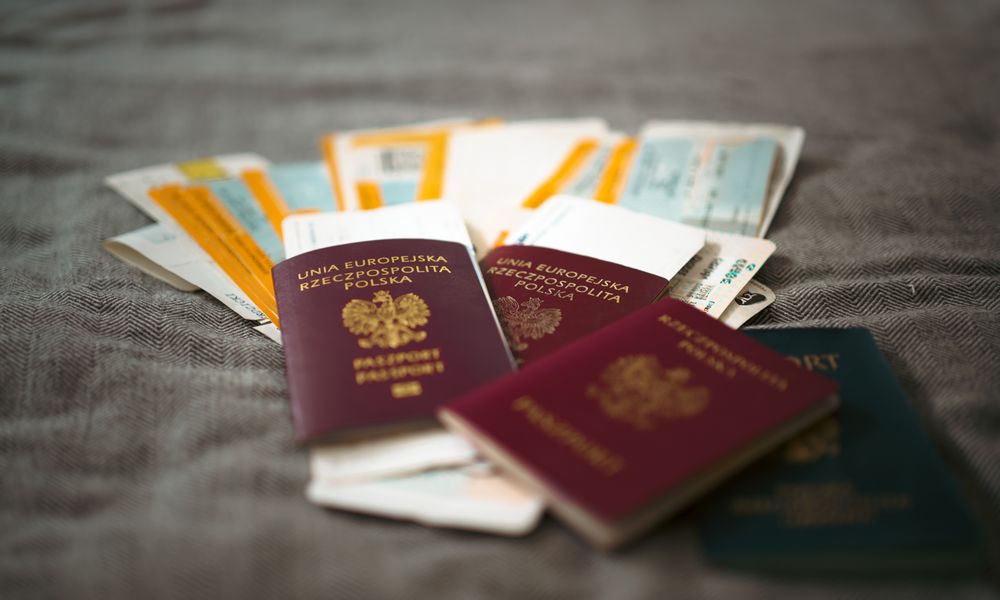
Safest Cities with High-Speed Internet for Digital Nomads
Selecting your base in Italy is a delicate balance between cultural immersion, reliable internet infrastructure, and personal safety. While the entire country boasts incredible beauty, certain cities have actively invested in high-speed fiber-optic networks and community safety initiatives, making them highly suitable for foreign remote workers. If you are exploring various destinations, you can read more in-depth reviews in our travel guides to find the perfect fit for your lifestyle.
Bologna: The Underrated Student and Tech Haven
Often referred to as La Grassa (the fat one) for its world-renowned culinary scene, Bologna is one of Italy's best-kept secrets for digital nomads. As home to the oldest university in the Western world, the city features a vibrant, youthful, and highly progressive atmosphere. From a safety perspective, Bologna is exceptionally secure. Violent crime is virtually non-existent, and the city’s compact, highly walkable center means you can navigate safely at any hour of the night.
Logistically, Bologna boasts an incredibly robust fiber-optic infrastructure. Most modern apartments and coworking spaces offer GPON fiber connections with speeds reaching up to 1 Gbps download and 300 Mbps upload. The city’s unique porticoes—totaling over 40 kilometers of covered walkways—make it easy to walk to a local café or workspace even during a winter rainstorm. It is an ideal hub for nomads looking for authentic Italian culture without the overwhelming tourist crowds of Florence or Rome.
Florence: Classic Renaissance Charm and Secure Coworking
Florence remains a timeless favorite for creative remote workers and history enthusiasts. The city’s historic center is highly compact, allowing you to walk from your apartment to world-class museums, historic piazzas, and high-end coworking spaces within minutes. Florence has developed a very active, structured expat and digital nomad community, offering numerous networking events, language exchanges, and professional meetups.
The city's safety profile is excellent, with highly active local police patrols throughout the historic center. However, due to the massive volume of tourism, Florence does suffer from a high rate of petty pickpocketing in crowded areas, particularly around the Santa Maria Novella train station and major tourist plazas like Piazza del Duomo. Internet connectivity is highly reliable, with numerous specialized coworking spaces such as Nana Bianca and Impact Hub Florence offering secure, high-speed networks and private call booths for virtual meetings.
Turin: Affordable Northern Quality of Life and High-Speed Fiber
Located in the northwest corner of Italy and framed by the majestic Alps, Turin (Torino) is a grand, elegant city that offers an incredibly high quality of life at a fraction of the cost of neighboring Milan. Once the industrial powerhouse of Italy, Turin has successfully transitioned into a modern, cultural, and technological hub. The city features wide, Parisian-style boulevards, historic royal residences, and a relaxed, unhurried pace of life.
For digital nomads, Turin offers superb value. Long-term apartment rentals are highly affordable, and the city's internet infrastructure is among the best in northern Italy. The local municipality has actively promoted digital transformation, ensuring that high-speed fiber-optic connections are standard across the metropolitan area. Turin is exceptionally safe, with low crime rates across its central residential neighborhoods like Crocetta, Cenisia, and Cit Turin. It also serves as a perfect base for outdoor enthusiasts who want easy access to alpine hiking and skiing on weekends.
To help you compare the safety and connectivity metrics of these top destinations, refer to the overview below:
- Bologna: Safety Rating: High | Average Internet Speed: 1 Gbps (Fiber) | Best Neighborhoods: Santo Stefano, Zaragoza, Costa Saragozza.
- Florence: Safety Rating: Medium-High (watch for pickpockets) | Average Internet Speed: 300 Mbps - 1 Gbps | Best Neighborhoods: San Frediano, Santa Croce, Campo di Marte.
- Turin: Safety Rating: High | Average Internet Speed: 1 Gbps (Fiber) | Best Neighborhoods: Crocetta, Cit Turin, San Salvario (central area).
- Milan: Safety Rating: Medium (elevated pickpocketing risk) | Average Internet Speed: 1 Gbps+ | Best Neighborhoods: Porta Romana, Isola, Brera.
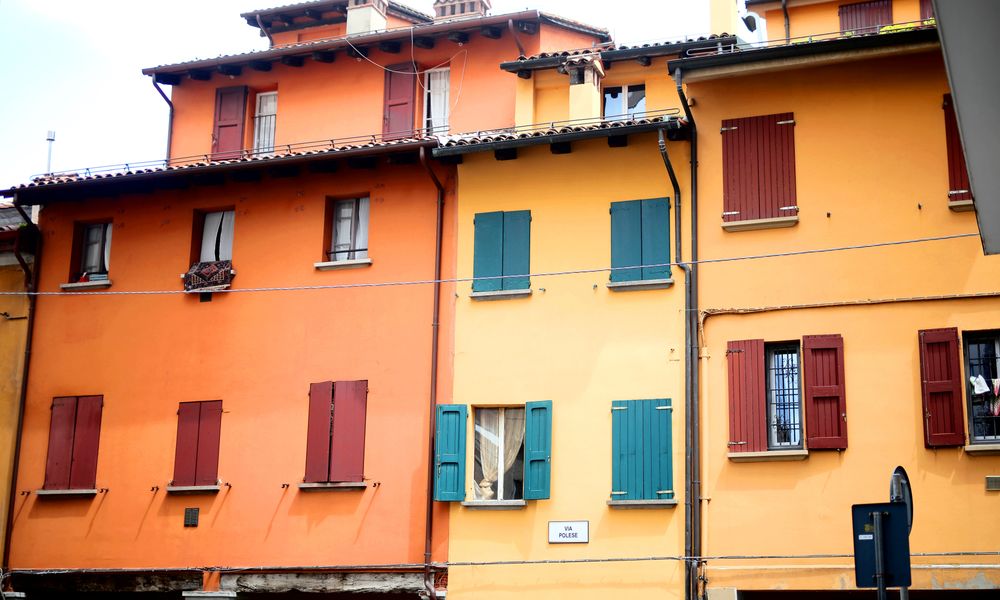
The Italy Digital Nomad Safety Guide 2026: Practical Security Tips for Remote Workers
Living and working in Italy as a digital nomad requires a proactive approach to physical safety, cybersecurity, and financial security. While the overall threat of violent crime in Italy is very low, the sheer volume of international tourism makes the country a prime operating ground for professional thieves, scam artists, and pickpocketing networks. According to the U.S. Department of State's official Italy travel advisory, the country is classified under a Level 2 Advisory: Exercise Increased Caution, primarily due to the risk of terrorism and petty theft in crowded tourist locations, major transit hubs, and public transportation networks. To protect your assets and maintain your productivity, implement the following safety protocols.
Coworking Space Safety and Laptop Theft Risks
One of the biggest security mistakes digital nomads make in Italy is treating local cafés and public spaces with the same casual trust they might display in smaller Nordic towns or secure corporate campuses. In popular cities like Rome, Milan, and Florence, "snatch and grab" laptop thefts are a common occurrence in busy cafés, hotel lobbies, and outdoor seating areas. Thieves often operate in pairs: one will distract you by asking for directions or dropping a map on your table, while the other quietly slide-sweeps your phone or laptop into a bag.
To protect your expensive work equipment, follow these strict guidelines:
- Never leave your equipment unattended: If you need to use the restroom or step up to the counter to order another espresso, always pack your laptop, tablet, and phone into your backpack and take it with you. Do not rely on "table neighbors" to watch your gear.
- Secure your bag physically: When working at an outdoor terrace, loop the strap of your laptop bag or backpack tightly around your leg or the leg of your chair. This prevents opportunistic thieves from walking past and snatching your bag off the ground.
- Utilize professional coworking spaces: For highly sensitive work days, choose reputable coworking spaces that utilize card-key access, surveillance cameras, and lockable storage lockers. Secure spaces like Copernico, Spaces, and local independent hubs provide a far safer environment for your hardware than open-access public cafes.
Cybersecurity: Navigating Italy's Insecure Public Wi-Fi
Finding free public Wi-Fi in Italy is relatively easy, but relying on it for professional work is highly risky. Municipal networks (such as "RomaWireless" or "Milano WiFi") and public hotspot connections at major train stations often lack basic encryption protocols, leaving your device vulnerable to Man-in-the-Middle (MitM) attacks. Cybercriminals can easily set up rogue, look-alike hotspots (e.g., "TIM-Free-WiFi-Station") in crowded squares, monitoring your unencrypted data traffic, capturing login credentials, and accessing sensitive client databases.
Furthermore, under Italian anti-terrorism legislation, many public Wi-Fi networks require users to register using a local mobile phone number or an official digital identity (SPID). This registration process can be highly frustrating for foreign nomads and exposes your personal data to third-party marketing databases. Always utilize a reputable Virtual Private Network (VPN) with military-grade encryption whenever you connect to any public network in Italy. A VPN secures your data tunnel and prevents local network administrators from tracking your browsing activity. Additionally, ensure your laptop's sharing settings are disabled and keep your firewall active at all times.
SIM Cards, Connectivity, and the Pisanu Law Verification
For seamless remote work, establishing a stable cellular connection is essential. However, Italy has strict telecom regulations that can surprise unprepared travelers. Under the **Legge Pisanu (Pisanu Law)**—originally enacted as a counter-terrorism measure in 2005—every SIM card sold in Italy must be linked directly to a verified passport or national ID card. This means you cannot simply buy a pre-activated SIM card from a local kiosk without undergoing a formal identity verification process.
When purchasing a physical SIM card at a local TIM, Vodafone, WindTre, or Iliad store, you must present your physical passport. The store representative will make a digital copy of your document and upload it to the state registry. Be extremely cautious of shady street-side vendors offering to sell you "unregistered" SIM cards; these are highly illegal, insecure, and frequently associated with identity theft. To bypass the bureaucracy and long lines at physical stores, we highly recommend purchasing a secure eSIM before you land in Italy. Reputable digital providers allow you to complete your identity verification online, ensuring you have immediate, high-speed 5G data active the moment you step off the plane.
Banking and ATM Safety: Avoiding Skimming and Dynamic Currency Conversion
Accessing your funds safely is another critical aspect of nomad logistics. ATM skimming remains a highly prevalent issue in Italy's major cities, particularly near historic landmarks. Criminals install sophisticated overlay card readers and pinhole cameras on public, street-facing ATMs to capture your card’s magnetic stripe data and PIN. Once captured, they clone your card and withdraw funds from overseas accounts.
To keep your bank accounts secure, strictly adhere to these ATM safety practices:
- Use indoor bank ATMs: Only withdraw cash from ATMs (called Bancomat) located inside the secure glass vestibules of established Italian banks (such as Intesa Sanpaolo, UniCredit, or Banco BPM) during normal business hours. These areas are heavily monitored by security cameras and are far less likely to be tampered with.
- Shield your PIN: Always use your hand to fully cover the keypad when typing your PIN, protecting it from hidden cameras or shoulder surfers.
- Decline Dynamic Currency Conversion (DCC): When using an ATM or paying at a restaurant, the terminal may detect your foreign card and offer to bill you in your home currency (USD, GBP, CAD) rather than Euros. Always choose to be billed in the local currency (Euros). Choosing your home currency allows the ATM operator to apply an inflated, predatory exchange rate, costing you an extra 5% to 15% on the transaction.
- Prepare for the "POS Rotto" Scam: Under Italian law, all merchants—including taxi drivers and small cafes—are legally required to accept electronic card payments. However, some dishonest operators will claim their card reader is broken ("il POS è rotto") to force you to pay in cash, allowing them to avoid taxes or transaction fees. Always ask if they accept cards before booking a ride or ordering food, and keep a small reserve of cash (€20 to €50) on hand just in case.
Power Outages and Southern Grid Challenges
While northern and central Italy feature highly modern and resilient electrical grids, the southern regions (including Sicily, Puglia, and Calabria) can experience logistical challenges, particularly during the peak summer months. Extreme heatwaves in July and August frequently cause electricity consumption to spike as air conditioning units run continuously. This surge in demand can lead to localized rolling brownouts and power outages (blackout elettrici) in older historical neighborhoods where the electrical wiring was not designed for modern loads.
For digital nomads, a sudden power outage during an important client presentation can be a major professional disaster. If you plan to work from southern Italy, mitigate this risk by investing in a high-capacity portable power bank capable of charging your laptop. Additionally, consider renting accommodations in newer residential buildings or utilizing coworking spaces that are equipped with backup generators. It is also wise to ensure your mobile phone plan has a generous data allowance so you can immediately tether your laptop to your phone’s hotspot if your home Wi-Fi drops.
For more detailed and official security guidelines, consult the UK Foreign, Commonwealth & Development Office (FCDO) travel advice, which is updated regularly with localized transit and emergency warnings.

How TripGuard360 Keeps Digital Nomads Safe in Italy
Navigating the complex, rapidly shifting safety landscape of Italy in 2026 can be exhausting for busy remote workers. Between meeting tight project deadlines, managing client calls, and exploring your new neighborhood, you simply do not have the time to constantly monitor local Italian news stations, translate police updates, or dig through government websites to stay safe.
This is where TripGuard360 becomes your ultimate travel companion. Instead of burdening you with the task of checking safety reports manually, TripGuard360 does the heavy lifting for you, delivering critical, real-time safety alerts directly to your phone via a dedicated, secure Telegram channel. In Italy, one of the most frequent and disruptive logistical issues is the occurrence of national transit strikes, commonly known as scioperi. These strikes can hit trains (including the high-speed Frecciarossa network), local subways, buses, and airports with little warning, leaving you stranded and unable to reach your workspace or catch a flight.
Rather than having your travel plans derailed, TripGuard360 monitors Italian government announcements, transportation union databases, and local police feeds in real-time. When a strike, public protest, severe weather alert, or local security threat is identified in your immediate area, you receive an instant, translated notification via Telegram. This allows you to proactively adjust your schedule, secure your backup internet connection, or re-route your travel plans without ever having to look at a news site. It is also highly recommended to consult the Centers for Disease Control and Prevention (CDC) guidelines for Italy to ensure you are fully up-to-date on necessary routine vaccinations and local travel health notices before embarking on your journey. With TripGuard360, you gain the complete peace of mind needed to focus on your work and enjoy the rich, vibrant lifestyle of Italy safely and securely.
Are you ready to experience worry-free remote work in Italy? Don't let unexpected transit strikes, local scams, or security alerts disrupt your adventure. Secure your workflow, protect your equipment, and travel with absolute confidence in 2026. Try TripGuard360 free today and stay informed on the go!