Jordan Travel Health Requirements Vaccinations 2026 Guide
Jordan Travel Health Requirements Vaccinations 2026: An Overview
Jordan is an enchanting country that serves as a gateway to the ancient world. From the rose-red sandstone facade of Petra and the sweeping desert dunes of Wadi Rum to the buoyant, mineral-rich waters of the Dead Sea and the bustling, historic streets of Amman, this Middle Eastern nation attracts millions of global adventurers annually. However, planning an international journey to this diverse landscape in 2026 requires meticulous preparation, particularly regarding your personal health, immunization schedules, and compliance with local border entry requirements. For additional travel safety advice, region-by-region hazard breakdowns, and political security advisories, explore our travel safety blog before booking your tickets.
A safe trip to Jordan depends heavily on understanding the regional health landscape. The country spans several distinct geographic zones—ranging from Mediterranean highlands to sub-sea-level depressions and arid deserts—each presenting unique environmental and infectious disease profiles. While Jordan boasts some of the most advanced healthcare infrastructure in the Middle East, particularly within its private sector, remote regions offer far more basic medical resources. Consequently, securing the correct vaccinations and understanding how to protect yourself from local health hazards is essential. This comprehensive medical guide will break down the current jordan travel health requirements vaccinations 2026 protocols, providing clear timelines, specific dosages, and practical safety advice to ensure your Middle Eastern journey is both safe and unforgettable.

Mandatory Vaccinations and Legal Entry Requirements for Jordan
When entering the Hashemite Kingdom of Jordan, your legal right to cross the border depends on compliance with specific public health regulations. In 2026, the Jordanian Ministry of Health, in coordination with global bodies like the World Health Organization (WHO), maintains strict entry guidelines designed to prevent the importation of highly infectious diseases. Failing to provide the correct medical documentation upon arrival can result in mandatory quarantine, immediate deportation at your own expense, or denial of entry at land border crossings and airports such as Queen Alia International Airport in Amman.
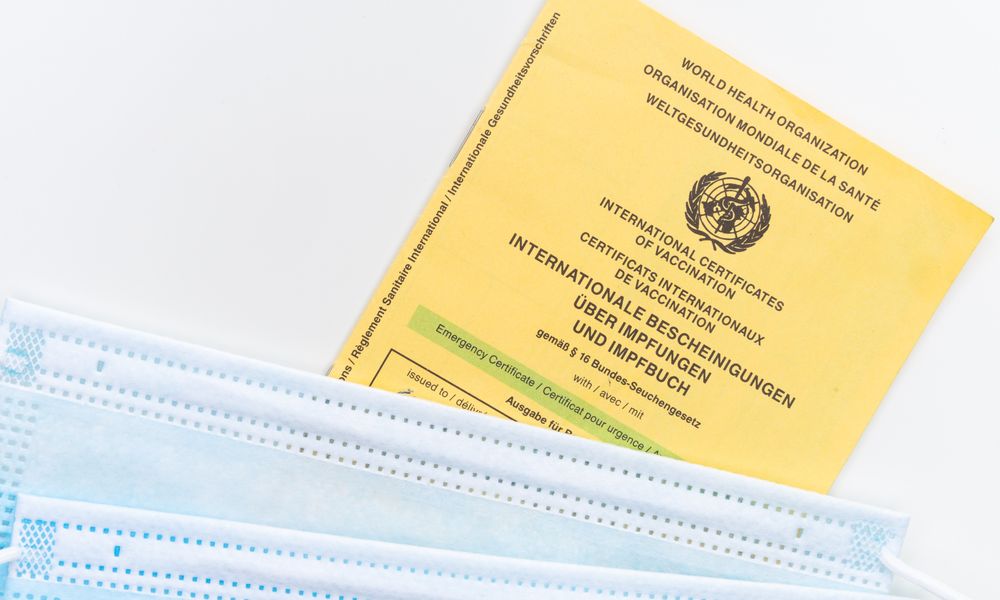
The primary legally mandated vaccine for entry into Jordan is the Yellow Fever vaccine. However, this is not a universal requirement for all inbound passengers. It applies strictly to travelers who are arriving from, or who have transited for more than 12 hours through, countries with an active risk of Yellow Fever transmission. If you fall into this category, you are required to present an official, physical International Certificate of Vaccination or Prophylaxis (ICVP)—commonly referred to as the "Yellow Card." This regulation is strictly enforced by Jordanian border control agents. For the latest updates on international entry policies and country-by-country travel health notices, consult the official CDC Jordan Travel Health recommendations before your departure date.
The Yellow Fever Certificate Rule Explained
The Yellow Fever virus is a serious, potentially fatal hemorrhagic disease transmitted by infected mosquitoes. While the virus itself is not endemic to Jordan due to the country's arid climate and lack of compatible vector habitats, the government enforces strict import prevention policies. The legal mandate dictates that any traveler aged one year or older arriving from a country with risk of Yellow Fever transmission must present their physical ICVP certificate.
CRITICAL REQUIREMENT: The Yellow Fever vaccination must be administered at least 10 days prior to your arrival at the Jordanian border. This 10-day buffer is medically necessary because it represents the time required for your immune system to synthesize protective neutralizing antibodies. If you present a certificate showing vaccination administered fewer than 10 days before arrival, it will be deemed invalid, and you may be subjected to immediate entry denial or medical quarantine. Once administered, the WHO recognizes that the vaccine provides lifelong protection, meaning booster doses are no longer legally required for travel compliance, provided your original card is intact and properly formatted by an authorized travel health clinic.
Polio and Other Country-Specific Entry Requirements
In addition to Yellow Fever, Jordan monitors incoming travelers for signs of Polio (poliomyelitis). While Jordan has successfully eradicated domestic transmission of the wild poliovirus, the region remains vigilant against importations from endemic zones or areas experiencing vaccine-derived poliovirus outbreaks. If you are traveling to Jordan from a country officially designated as a high-risk Polio zone (such as Afghanistan, Pakistan, or specific regions within Sub-Saharan Africa), you must provide documented proof of a Polio booster dose.
This Polio dose must have been administered between four weeks and 12 months prior to your entry into Jordan. The vaccination must be clearly recorded on your official vaccination certificate or ICVP card, complete with the clinical provider’s signature, official stamp, and the date of administration. For travelers coming from low-risk, developed nations (such as the United States, Canada, the United Kingdom, or EU member states), this is not a mandatory requirement at the border, though being up to date on your routine childhood polio series remains highly recommended for universal safety.
Essential Recommended Jordan Travel Health Requirements Vaccinations 2026
While mandatory vaccinations are required to clear customs, recommended vaccinations protect you from common local health hazards. Even if you do not plan on venturing off the beaten path, everyday activities such as dining out, visiting crowded archaeological sites, or coming into contact with local wildlife can expose you to preventable illnesses. To achieve comprehensive immunological coverage, you should schedule a consultation with a travel medicine specialist at least four to six weeks before your trip. This window is essential as many vaccine regimens require multiple doses spaced weeks apart to trigger an adequate immune response.
- Hepatitis A: A highly contagious liver infection transmitted through the ingestion of contaminated food or water. Highly recommended for all travelers to Jordan.
- Hepatitis B: A viral infection spread through exposure to infected blood or bodily fluids, including through dental procedures, tattooing, or medical emergencies. Recommended for long-term travelers and those engaged in adventure sports.
- Typhoid: A bacterial disease caused by Salmonella typhi, spread via contaminated food and water. Essential for travelers visiting rural areas, small villages, or those who enjoy street food.
- Rabies: A fatal viral disease transmitted via the saliva of infected mammals. Crucial for hikers, campers, and anyone visiting rural archaeological sites where feral dogs and bats are common.
- Cholera: A severe diarrheal illness. While rare for tourists, vaccination is recommended for aid workers, healthcare professionals, or those visiting refugee settlements.
Hepatitis A and Hepatitis B Protocols
Hepatitis A is a critical travel vaccine because the virus is highly stable in the environment and can survive on contaminated surfaces, food preparation utensils, and in untreated water. You can contract Hepatitis A even when staying in high-end, luxury resorts in Amman or Aqaba, as food handlers can inadvertently transmit the virus. The standard vaccine, such as Havrix or Vaqta, is administered as an intramuscular injection. The primary dose should be received at least two weeks before your arrival in Jordan, which provides approximately 95% protection for up to one year. To achieve lifelong, permanent immunity (exceeding 20 to 25 years), you must receive a second booster dose 6 to 12 months after the initial injection.
Hepatitis B vaccination is strongly recommended for travelers who may require unexpected medical care, are staying in the country long-term, or plan to get tattoos or piercings while abroad. The traditional vaccine (e.g., Engerix-B or Recombivax HB) is a three-dose series administered at 0, 1, and 6 months. Because this timeline takes half a year to complete, travelers on short notice can request an accelerated schedule administered at 0, 7, and 21 to 30 days, followed by a mandatory booster at the 12-month mark. Alternatively, a combination vaccine called Twinrix protects against both Hepatitis A and Hepatitis B. This combination is highly convenient and is administered in a three-dose series at 0, 1, and 6 months, or via an ultra-accelerated four-dose schedule (days 0, 7, 21, and a booster at month 12).
Typhoid Prevention for Adventurous Eaters
Typhoid fever is a systemic bacterial infection characterized by high fever, severe abdominal pain, headache, and diarrhea. It is contracted by consuming food or water contaminated with feces containing the *Salmonella typhi* bacteria. Since travelers to Jordan frequently enjoy culinary excursions—including street food delights like falafel, hummus, and shawarma—protecting yourself against Typhoid is a major component of the **jordan travel health requirements vaccinations 2026** recommendations.
There are two primary types of Typhoid vaccines available at travel clinics: the injectable vaccine (e.g., Typhim Vi) and the oral vaccine (Vivotif). The injectable vaccine is a single-dose intramuscular shot that must be administered at least 14 days prior to travel. It is a subunit vaccine containing purified capsular polysaccharide, safe for individuals aged two and older, and provides protection for approximately two years, requiring a booster if you travel frequently. The oral vaccine, Vivotif, is a live-attenuated vaccine consisting of four enteric-coated capsules. You must swallow one capsule with cold or lukewarm water every other day (days 1, 3, 5, and 7), completing the entire series at least one week before entering Jordan. The oral vaccine provides robust protection for up to five years but must be kept strictly refrigerated and is not suitable for children under six years old or immunocompromised travelers.
Rabies Risk and Pre-Exposure Prophylaxis
Jordan is home to a substantial population of stray dogs, feral cats, and wild mammals, such as bats in cave environments. Rabies is an endemic virus present in these animal populations throughout the country. Once clinical symptoms of Rabies appear in a human host, the disease is virtually 100% fatal. While stray animals in cities like Amman may appear docile, they can react unpredictably. Travelers visiting ancient archaeological sites such as Petra, Jerash, or the desert castles of the eastern plains are at a higher risk of animal contact.
The pre-exposure Rabies vaccination protocol has been optimized for travelers. Modern guidelines recommend a two-dose series administered on days 0 and 7 (e.g., using Rabavert or Imovax Rabies vaccines). For highly vulnerable travelers, such as veterinarians, cave explorers, or children (who are more likely to touch animals and fail to report bites), a third dose on day 21 or 28 may be advised. TRAVEL WARNING: Receiving pre-exposure rabies vaccines does not make you completely immune; if you are bitten, scratched, or licked on an open wound by an animal, you must still seek immediate, emergency medical care. However, having the pre-exposure series is a life-saving advantage: it eliminates the need for Rabies Immunoglobulin (RIG)—which is incredibly expensive, extremely difficult to source in Jordan outside of major Amman hospitals, and must be injected directly into the wound—and reduces your post-exposure treatment to just two simple booster vaccine doses on days 0 and 3.
Routine Childhood Vaccinations and Booster Recommendations
Before traveling anywhere internationally, ensuring that your routine childhood vaccinations are completely up to date is the single most effective baseline health measure you can take. Outbreaks of vaccine-preventable childhood diseases continue to occur globally, and international transit hubs like airports are prime environments for viral transmission. Your pre-travel medical appointment is the perfect opportunity to review your immunization records and receive necessary boosters.
- MMR (Measles, Mumps, Rubella): Ensure you have documented proof of two lifetime doses of the Measles, Mumps, and Rubella vaccine. Measles is a highly contagious airborne virus, and several global travel hotspots have seen resurgences in recent years. If you lack written documentation or serological evidence of immunity, you should receive two doses spaced at least 28 days apart.
- Tdap (Tetanus, Diphtheria, Pertussis): The Tetanus vaccine protects against bacteria found in soil, dust, and manure, which can enter the body through cuts, scratches, or puncture wounds. Given that hiking in rugged terrains like Wadi Rum or the Jordan Rift Valley is popular, ensuring you have received a Tetanus booster within the last 10 years is vital. A single dose of Tdap also boosts your immunity against Diphtheria and Pertussis (whooping cough).
- Varicella (Chickenpox): If you have never had Chickenpox or have not received two doses of the varicella vaccine, you should obtain this vaccine before travel to prevent contracting this highly uncomfortable and potentially severe adult infection.
- Meningitis (Meningococcal Disease): Recommended for travelers who will be living or working in close quarters, such as students attending study abroad programs in Jordan, or those traveling during peak seasons when respiratory transmission rates are high.
- Influenza and COVID-19: Respiratory viruses circulate year-round in international travel settings. Receiving your annual seasonal influenza shot and ensuring you are up to date on your COVID-19 boosters at least two weeks before your flight will significantly lower your risk of trip-disrupting respiratory illnesses.

Food, Water, and Regional Health Risks Across Jordan
A successful trip to Jordan depends heavily on your daily food and water hygiene practices. Environmental health hazards and water-borne pathogens vary considerably across Jordan’s terrain. To maintain your health while traveling, it is crucial to recognize that the safety of local resources is not uniform. For a comprehensive overview of regional safety guidelines and logistical planning tips, reference our travel guides to design a secure itinerary.
When assessing environmental risks, consult official government health portals for real-time risk updates. The UK Foreign Commonwealth & Development Office (FCDO) health guidelines provide detailed descriptions of current environmental risks, regional healthcare access limitations, and localized disease trends across Jordan. By understanding where risks are concentrated, you can tailor your behaviors and preventive actions to match your specific destination, whether you are staying in five-star urban hotels or camping under the stars in remote desert canyons.
Food and Water Safety Guidelines for Travelers
DO NOT DRINK TAP WATER while traveling in Jordan. While municipal water treatment in major urban centers like Amman has improved, the piping infrastructure is old, and biological contamination can occur during storage in rooftop water tanks, which are common throughout the country. This warning applies to all travelers, regardless of whether you are staying in budget hostels or luxury international hotels. Always consume bottled water, or use a reliable water purification method (such as a UV light purifier, a micro-filtration system rated to 0.1 microns, or chlorine dioxide tablets) if bottled water is unavailable.
Use bottled water for brushing your teeth, and ensure that ice in your drinks is made from purified, commercially prepared water (it is safest to simply ask for "no ice" when dining out). When it comes to food, follow the golden rule of travel medicine: "Cook it, peel it, boil it, or forget it." Avoid eating raw leafy green vegetables, as they are often washed in tap water. Stick to hot, freshly prepared meals, and make sure meats are fully cooked through. Exercise caution with unpasteurized dairy products, including local cheeses, as they can transmit bacteria such as *Brucella*. Additionally, always wash your hands thoroughly with soap and clean water, or use an alcohol-based hand sanitizer containing at least 60% alcohol, before handling food.
Vector-Borne Diseases: Leishmaniasis and Tick Risks
Although Jordan is entirely free of transmission of the Malaria parasite, travelers face risks from other vectors. The most prominent vector-borne threat in the region is cutaneous leishmaniasis, a parasitic skin disease transmitted by the bite of infected female sand flies (*Phlebotomus* species). Sand flies are tiny, silent insects—much smaller than standard mosquitoes—that bite close to the ground, usually during the dusk-to-dawn hours. The disease presents as painless, slowly growing skin ulcers that can leave permanent, disfiguring scars if untreated.
The risk of contracting cutaneous leishmaniasis exists throughout Jordan, but it is highly concentrated in rural areas, agricultural zones, and specifically along the Jordan Valley and near the Dead Sea. Because there is no vaccine or preventative medication available for cutaneous leishmaniasis, your only defense is bite prevention. Always apply an EPA-approved insect repellent containing at least 30% DEET, Picaridin, or Oil of Lemon Eucalyptus to exposed skin. Wear long-sleeved shirts, long trousers, and hats, and treat your outdoor gear and clothing with permethrin. If you are sleeping in rural settings, ensure your accommodations have fine-mesh window screens or sleep under a permethrin-treated bed net, keeping in mind that sand flies can pass through standard-sized mosquito netting due to their microscopic size.
Another regional hazard is the **Middle East respiratory syndrome coronavirus** (known as **MERS-CoV**). This severe respiratory virus is zoonotic, meaning it is transmitted from infected animals to humans. The primary animal reservoir for **MERS-CoV** in Jordan is the dromedary camel. To protect yourself, **WARNING:** avoid close physical contact with camels, do not consume unpasteurized camel milk or undercooked camel meat, and wash your hands immediately if you visit camel enclosures or take camel rides in tourist hubs like Wadi Rum.
Additionally, do not swim, wade, or bathe in slow-moving freshwater streams, wadis, or irrigation canals in Jordan. These freshwater sources can harbor parasitic flatworms that cause schistosomiasis (bilharzia). These microscopic parasites are released from freshwater snails and can easily penetrate healthy, unbroken human skin within seconds of contact. Swimming in chlorinated pools or the highly saline waters of the Dead Sea is completely safe, as the extreme salt concentration prevents the survival of these parasites.

Medical Facilities, Travel Insurance, and Emergency Protocols in Jordan
Understanding Jordan's medical landscape before you depart is crucial. The quality and availability of medical care in Jordan are highly bifurcated. In Amman, the capital city, the healthcare sector is exceptionally advanced. Amman is a premier regional hub for medical tourism in the Middle East, boasting several state-of-the-art private hospitals that are accredited by the Joint Commission International (JCI), such as the Jordan Hospital, the Istishari Hospital, and the Arab Medical Center. In these premier facilities, the medical staff are highly trained, many having completed their residencies and fellowships in the United States, the United Kingdom, or Europe, and English is widely spoken.
However, once you leave the municipal boundaries of Amman and the coastal resort city of Aqaba, the quality of medical care drops significantly. Public hospitals and clinics in rural provinces, desert regions, and along border areas are basic, often understaffed, and may lack advanced diagnostic equipment, specialized pharmaceuticals, or English-speaking providers. In the event of a severe medical emergency, traumatic injury, or complex acute illness occurring in remote locations like Petra or Wadi Rum, immediate stabilization followed by rapid ground or air medical evacuation to Amman is mandatory to ensure patient safety.
For emergencies within Jordan, the universal emergency response number is 911. Call this number to request an ambulance or police assistance. However, because rural ambulance dispatch times can vary, having access to private medical transport resources through a robust insurance policy is a major safety advantage. For comprehensive medical emergency resources and travel warning updates, refer directly to the US Department of State Jordan Travel Advisory before embarking on your journey.
Packing Your Jordan Travel Medical Kit
Because accessing specific Western medications or specialized first-aid supplies can be challenging in rural Jordan, carrying a self-contained travel medical kit is highly recommended. Ensure your kit is stored in a waterproof, heat-resistant container and kept in your carry-on luggage to prevent loss or temperature-induced degradation during transit.
- Prescription Medications: Carry a full supply of your daily medications in their original, clearly labeled pharmacy bottles. Bring a copy of your doctor's official prescriptions and a signed letter explaining your medical conditions to prevent delays at customs.
- Traveler’s Diarrhea Treatment: Pack an over-the-counter antidiarrheal medication (like loperamide or bismuth subsalicylate) and oral rehydration salts (ORS) to treat dehydration. Additionally, consult your travel physician for a prescription-strength antibiotic (such as azithromycin) to use in severe cases of bacterial food poisoning.
- Insect Repellent and Bite Treatment: Include a high-quality repellent containing 30% DEET or Picaridin, along with hydrocortisone cream or antihistamine gel to soothe insect bites.
- First Aid Essentials: Pack sterile adhesive bandages of varying sizes, blister pads (crucial for trekking through Petra), antiseptic wipes, gauze pads, medical tape, tweezers, and a digital thermometer.
- Pain and Allergy Relief: Pack ibuprofen or acetaminophen for pain and fever relief, alongside an oral antihistamine (such as cetirizine or diphenhydramine) for allergic reactions.
- Sun Protection: Jordan’s sun can be intense. Pack broad-spectrum sunscreen with an SPF of 30 or higher, lip balm with UV protection, and aloe vera gel for sunburn relief.
Real-Time Health Advisory Monitoring with TripGuard360
Health entry requirements, disease outbreaks, and international travel health advisories can shift overnight. An outbreak of an infectious disease, a sudden policy change by the Jordanian Ministry of Health, or a regional escalation can result in immediate alterations to the jordan travel health requirements vaccinations 2026 guidelines. Navigating these changes manually while traveling can be incredibly stressful, sometimes leading to missed flights, unexpected border delays, or sudden quarantine orders.
To eliminate this anxiety, TripGuard360 provides a state-of-the-art, automated monitoring service that scans global health advisories and travel restriction databases in real-time. By continuously analyzing updates from the WHO, the CDC, local health ministries, and international border control authorities, TripGuard360 detects changes the moment they are officially declared. When an entry rule or health guideline affecting Jordan changes, TripGuard360 sends instant, actionable alerts directly to your smartphone via Telegram and email. Whether it is a new vaccination mandate, an emergency health advisory, or a localized disease outbreak, you will receive clear instructions on how to maintain compliance and protect your health, ensuring you are never caught off guard while exploring the wonders of Jordan.