Kenya Visa Requirements 2026: New Entry Rules & ETA Guide
Kenya Visa Requirements 2026 Entry Rules: The Complete Travel Guide
Planning a journey to the "Cradle of Mankind" in 2026 requires more than just packing your safari gear and binoculars. Since the landmark shift in Kenya’s immigration policy that began a few years ago, the landscape of entry requirements has evolved significantly. Whether you are heading to the Maasai Mara for the Great Migration, conducting business in the bustling hub of Nairobi, or relaxing on the white sands of Diani Beach, understanding the Kenya visa requirements 2026 entry rules is the first step toward a seamless adventure. Kenya has transitioned from a traditional visa system to a streamlined Electronic Travel Authorization (ETA) model, but "visa-free" does not mean "document-free."
As of May 2026, the Kenyan government has introduced refined digital protocols to enhance national security and expedite passenger processing. Travelers must navigate a specific set of digital hurdles before boarding their flight. This guide provides an exhaustive breakdown of every nationality's status, the financial costs involved, the precise documentation required by the Directorate of Immigration Services, and the critical updates implemented this month that could impact your travel plans.
For those who find the constant flux of international travel regulations overwhelming, keeping up with the latest updates is vital. You can explore our comprehensive travel guides for deeper insights into regional African travel or visit our travel safety blog for tips on navigating foreign bureaucracies. This article serves as your definitive manual for entering Kenya in 2026.
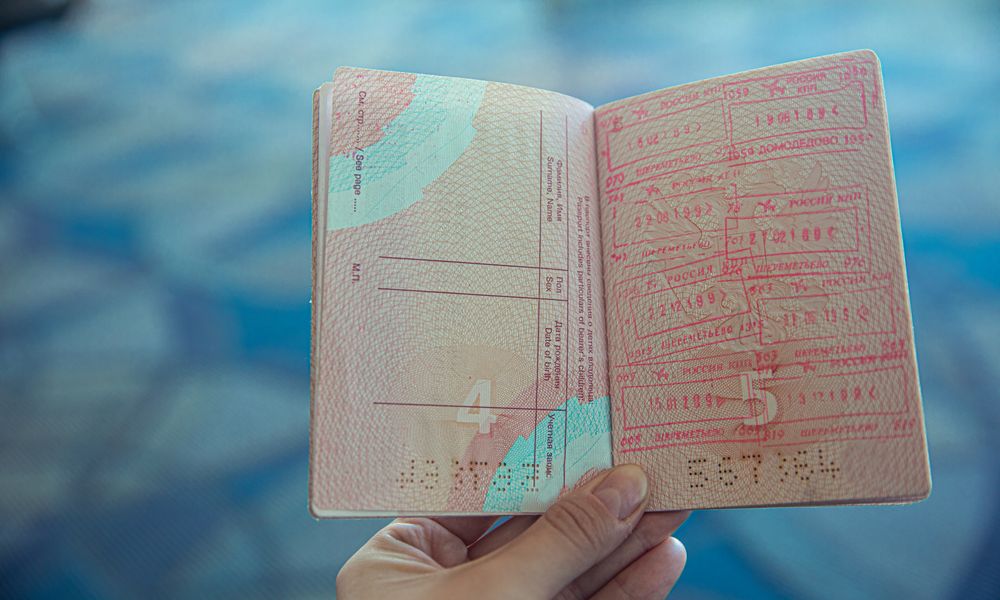
Understanding the 2026 Entry Categories: Who Needs an ETA?
In 2024, Kenya made headlines by announcing the abolition of traditional visas in favor of a universal Electronic Travel Authorization (ETA). However, in 2026, the rules have been further nuanced based on bilateral agreements and regional integration. It is essential to distinguish between those who are truly exempt and those who must apply for the Kenya ETA.
1. Exempt Nationalities (Truly Visa-Free)
As of May 2026, the only travelers exempt from both the visa and the ETA requirement are citizens of the East African Community (EAC) partner states. These travelers may enter Kenya using a valid passport or, in some cases, a national identity card (specifically for citizens of Uganda and Rwanda under the Northern Corridor Integration Projects). The exempt countries include:
- Burundi
- Democratic Republic of the Congo (DRC)
- Rwanda
- South Sudan
- Tanzania
- Uganda
- Somalia (subject to specific security vetting protocols updated in early 2026)
2. The Standard ETA Requirement (Most Nationalities)
For the vast majority of the world, including citizens of the United States, United Kingdom, Canada, Australia, and the European Union, the Kenya ETA is mandatory. This is not a visa in the traditional sense, but a pre-approval to travel. You cannot board a plane to Kenya without a confirmed "Approved" status on your ETA. According to the UK Foreign, Commonwealth & Development Office (FCDO), travelers should apply at least three days before departure to ensure processing is complete.
3. Restricted Nationalities and Embassy Visas
While the ETA covers most visitors, certain "Refugee" travel document holders and citizens from countries currently under high-security surveillance may still be required to undergo "Referred Visa" processing. In these rare cases, the application is not handled solely online but requires manual review by the Director of Immigration Services in Nairobi. This process can take up to 30 days and often requires a local host's invitation.
4. The East Africa Tourist Visa (EATV)
For travelers planning a multi-country safari including Kenya, Rwanda, and Uganda, the East Africa Tourist Visa remains a valid and highly recommended option in 2026. This USD 100 multi-entry visa allows you to move freely between the three nations for 90 days. However, you must apply for this visa through the embassy or portal of the first country you intend to enter.

The Kenya ETA Application Process: Fees and Timelines
The transition to a fully digital entry system means that Visa-on-Arrival services at Jomo Kenyatta International Airport (Nairobi) and Moi International Airport (Mombasa) have been completely phased out. In 2026, if you arrive without an ETA, you will be denied entry and likely deported at your own expense. Follow this step-by-step process to secure your entry.
Step-by-Step Guide to Applying
- Visit the Official Portal: Access the official government website (etakenya.go.ke). Be wary of third-party "scam" sites that charge exorbitant service fees.
- Account Creation: Create an account using a valid email address. You can apply as an individual, a family, or a group.
- Upload Documentation: You will need to upload a high-resolution scan of your passport biodata page and a recent passport-sized photo (selfies against a white wall are usually acceptable if they meet clarity standards).
- Enter Trip Details: Provide your flight number, arrival date, and the name/address of your first accommodation.
- Payment: Pay the required fee using a credit or debit card.
- Wait for Approval: You will receive a confirmation email. Once approved, download and print the ETA PDF or save it to your mobile device.
ETA Fees and Processing Times in 2026
The cost of the Kenya ETA was adjusted slightly in early 2026 to account for updated security infrastructure. The standard ETA Fee is USD 35 (inclusive of processing charges). For those in a rush, a new Premium Expedited Service was introduced in May 2026, costing USD 70, which guarantees a response within 12 hours.
Standard processing time is officially 72 hours. However, during peak safari seasons (July-September and December-February), it is highly recommended to apply at least 10 to 14 days in advance to account for potential system delays or requests for additional documentation.
Required Documents Checklist
To ensure your kenya visa requirements 2026 entry rules compliance, keep these documents ready for both the online application and the physical border crossing:
- Passport Validity: Your passport must be valid for at least six months beyond your date of entry and have at least two blank pages for stamps.
- Proof of Return/Onward Travel: You must have a confirmed flight ticket out of Kenya.
- Proof of Accommodation: A hotel booking confirmation or an invitation letter from a host (including their ID/Passport copy).
- Proof of Funds: While rarely checked at the digital gate, immigration officers reserve the right to ask for bank statements or proof of sufficient funds for your stay (typically USD 50-100 per day).
- Yellow Fever Certificate: If you are arriving from a country with a risk of Yellow Fever transmission, this certificate is mandatory. Check the CDC Kenya Health Guidelines for an updated list of at-risk countries.

Recent Entry Rule Changes in May 2026
The Kenyan Ministry of Interior and National Administration issued several "May 2026 Directives" that travelers must be aware of. These changes reflect Kenya’s push toward a "Smart Border" initiative, aimed at reducing wait times while tightening security through biometric integration.
Biometric Pre-Enrollment Requirements
Starting May 1st, 2026, the ETA application now requires a biometric facial scan performed through the official mobile app. This scan is cross-referenced with your passport photo. Upon arrival at Nairobi or Mombasa, travelers who have completed this pre-enrollment can use the new Automated Border Control (ABC) Kiosks, bypassing the long queues at manual immigration desks. This is a significant improvement for frequent travelers and business visitors.
Mandatory Health Declaration Form
While the height of the global pandemic has passed, Kenya has institutionalized a permanent Digital Health Surveillance Form. All travelers must complete this form within 24 hours of arrival. Upon completion, you receive a "QR Health Code" that must be presented alongside your ETA. This move allows the World Health Organization (WHO) partner agencies in Kenya to track and contain any potential outbreaks of regional interest, such as Ebola or Marburg virus.
Updated Transit Rules
One of the most frequent questions regarding kenya visa requirements 2026 entry rules involves layovers. If you are transiting through Jomo Kenyatta International Airport (JKIA) and do not leave the international transit lounge, you do not need an ETA. However, if your connection requires you to clear immigration (e.g., to collect bags and re-check them, or to stay at an airport hotel outside the terminal), you must apply for a Transit ETA. The Transit ETA costs USD 20 and is valid for a stay of up to 72 hours.
Rules for Remote Workers and Digital Nomads
In a bid to boost the "Silicon Savannah" economy, Kenya officially launched its Digital Nomad Permit in early 2026. If you intend to work remotely for a company outside of Kenya while living in the country, you should not apply for a standard tourist ETA. Instead, you must apply for the Digital Nomad Class, which requires proof of an annual income of at least USD 50,000 and allows for a 1-year stay, renewable once.

Border Crossing Protocols and Overstay Penalties
Entry into Kenya by land or sea follows many of the same rules as air travel, but there are specific logistical challenges to keep in mind, particularly regarding the kenya visa requirements 2026 entry rules at terrestrial checkpoints like Busia (Uganda) or Namanga (Tanzania).
Land Border Crossings
Travelers entering via land must still possess a pre-approved ETA. There are no facilities to apply for an ETA at land borders. If you are driving a foreign-registered vehicle, you must also obtain a Temporary Importation Permit (TIP) or possess a Carnet de Passage en Douane. Insurance is also mandatory; the COMESA Yellow Card is the most widely accepted insurance for regional road trips.
Overstaying Your Authorized Stay
Kenya takes immigration violations seriously in 2026. A standard ETA allows for a stay of up to 90 days. If you wish to stay longer, you must apply for an extension through the eFNS (Electronic Foreign Nationals Services) portal before your current authorization expires. Extensions are typically granted for another 90 days for a fee of Ksh 5,000 (approx. USD 40).
Overstay Penalties: If you are found to have overstayed without an extension, you face:
- Fines: Immediate administrative fines starting at USD 500.
- Deportation: You may be held in an immigration facility pending deportation.
- Blacklisting: Serious or repeat offenders are "Prohibited Immigrants" and are banned from re-entering Kenya for 5 to 10 years.
What to Do if Rules Change Mid-Trip
Travelers are often caught in "policy limbo" when governments update rules between the time of booking and the date of travel. In May 2026, the Kenyan government clarified that any ETA issued under old fee structures or old requirements remains valid until its expiry date. However, health protocols (like the QR code) are mandatory regardless of when you booked. If you are already in the country when a new rule is announced, the Directorate of Immigration usually provides a 14-day grace period for compliance.
Never Get Caught Off Guard: The TripGuard360 Advantage
The reality of travel in 2026 is that Kenya visa requirements 2026 entry rules can change with a single government tweet or a late-night gazette notice. A sudden health scare, a diplomatic spat, or a security update can lead to border closures or new mandatory documents overnight. This is where TripGuard360 becomes an essential tool for the modern traveler.
TripGuard360 utilizes Gemini AI technology to monitor global immigration portals, embassy newsrooms, and government travel advisories 24 hours a day, 7 days a week. While manual checking of websites might result in you seeing a change days after it happens, our AI identifies updates the moment they are published.
How it works: When you register your trip with TripGuard360, our system "watches" your destination and transit countries. If Kenya updates its ETA fee, changes its "exempt" list, or introduces a new mandatory vaccination, TripGuard360 sends instant Telegram and email alerts directly to your phone. This ensures you are never the person standing at the check-in counter being told you have the wrong paperwork. In an era of digital-first borders, being informed in real-time is the ultimate travel insurance.
By leveraging the power of Gemini AI, we filter out the noise and provide clear, actionable instructions on what you need to do next. Whether it's a new biometric requirement or a sudden transit visa update, TripGuard360 keeps you one step ahead of the bureaucracy, allowing you to focus on the magic of your Kenyan safari rather than the stress of the border.
Final Summary for 2026 Travelers
Kenya remains one of the most welcoming and technologically advanced travel destinations in Africa. The shift to the ETA system and the May 2026 biometric updates are designed to make your entry faster and more secure. To ensure your trip goes off without a hitch, remember these five golden rules:
- Apply early: Don't leave your ETA until the last minute; 72 hours is the minimum, but 10 days is safer.
- Check your passport: Ensure you have six months of validity and at least two blank pages.
- Stay healthy: Keep your Yellow Fever certificate and your digital health QR code ready.
- Respect the clock: Never overstay your 90-day limit without a formal extension.
- Stay informed: Use tools like TripGuard360 to monitor for any last-minute policy shifts.
With your ETA in hand and your documents in order, you are ready to experience the breathtaking beauty of Kenya. From the shadows of Mount Kilimanjaro to the vibrant tech scene of "Silicon Savannah," Kenya in 2026 is waiting for you.