Measles Vaccination for Entry 2026: Mandatory Country List
Introduction to Global Travel Health in 2026
The global travel landscape in 2026 is experiencing an unprecedented shift in epidemiological dynamics. Following a multi-year decline in routine childhood immunization rates worldwide, public health agencies are facing massive resurgences of vaccine-preventable diseases. The most notable of these is measles, a highly contagious viral illness that is currently sweeping through both developing nations and major urban hubs in developed countries. Because of this, global health security has been elevated to a top priority for immigration authorities, turning travel health from a simple recommendation into a strict regulatory hurdle.
For international travelers, navigating these shifting regulations is no longer a matter of simply checking a box. Border policies are changing rapidly in response to active outbreaks, meaning a country that was open to unrestricted entry last month may suddenly enforce mandatory immunization checks today. Travelers who fail to stay informed risk being turned away at boarding gates, subjected to expensive on-the-spot clinical testing, or placed in mandatory quarantine facilities at their own expense. To help you prepare for your upcoming journey, we have compiled this comprehensive guide detailing the entry rules, recommended clinical schedules, and critical health advisories shaping global travel in 2026. For broader safety advice, you can also browse our travel safety blog to understand how geopolitical and environmental risks intersect with international travel.

Countries Requiring Measles Vaccination for Entry 2026: Border Requirements Explained
The sudden increase in global viral transmission has led several governments to reassess their border health protocols. Understanding which destinations enforce entry mandates is crucial for avoiding catastrophic disruptions to your travel plans. Below, we break down the current state of policy, the epidemiologic factors driving these regulations, and the exact clinical proof you must carry.
The Global Resurgence of Measles in 2026
According to the World Health Organization (WHO), global deaths from measles reached an estimated 95,000, with dozens of countries reporting large, disruptive, and highly sustained outbreaks. This resurgence is primarily driven by "immunity gaps"—pockets of unvaccinated populations resulting from a drop in vaccine uptake. Because measles is one of the most contagious human viruses known, with an estimated basic reproduction number (R0) of 12 to 18, it quickly exposes these gaps. A single infected individual can transmit the virus to up to 90% of unvaccinated people in close proximity.
Furthermore, the U.S. Centers for Disease Control and Prevention (CDC) warns that transmission is increasingly occurring "in transit". Travelers are no longer just catching the virus at their destinations; they are being exposed on international flights, within crowded airport terminals, and at maritime cruise ports. In the United States alone, over 1,800 cases have been logged in the first half of 2026, threatening the nation's long-standing "elimination status". Consequently, the CDC has updated its global advisory, strongly recommending that all international travelers be fully vaccinated against measles, regardless of where they are flying.
A Guide to Countries Requiring Measles Vaccination for Entry 2026
While almost all countries strongly advise receiving the measles vaccine, certain nations have pioneered structural mandates at their borders to prevent the importation of the virus. The regulatory landscape remains highly fluid, as demonstrated by the following cases:
- Honduras: In July 2025, the Honduran National Office of Migration issued Executive Decree No. 28-1-2025, which initially sought to mandate proof of measles vaccination for all foreign tourists arriving from 24 countries experiencing active outbreaks, including the United States, Canada, Brazil, and Spain. While the government subsequently clarified that foreign tourists are not currently forced to present physical certificates under normal conditions, the mandate is kept active as an emergency lever. Currently, Honduran citizen minors aged 12 months to 10 years departing the country for outbreak zones (including the U.S.) must show proof of measles and rubella vaccination. This represents a prime example of how quickly entry rules can fluctuate under domestic health decrees.
- Brazil: In preparation for the upcoming 2026 FIFA World Cup—co-hosted by the United States, Canada, and Mexico—Brazil's Ministry of Health published an urgent technical advisory. Because all three host nations are battling active domestic outbreaks (with Canada having officially lost its WHO elimination status), Brazil has urged all outbound fans and corporate hospitality staff to update their immunizations. Immigration authorities have integrated these warnings into the International Air Transport Association (IATA) Timatic database, reserving the right to request proof of measles immunity upon re-entry if global transmission rates continue to climb.
- Other High-Alert Destinations: Countries with fragile health systems or those actively managing domestic campaigns—such as India (reporting over 19,000 active cases), Yemen, Mexico, Pakistan, Angola, and Bangladesh—frequently implement targeted health screenings at airports. If you are traveling to or from these high-risk areas, border agents may perform temperature checks and visual screenings. If you exhibit febrile symptoms or a rash and cannot present written proof of measles vaccination, you may face immediate deportation, localized isolation, or be required to take a rapid IgG antibody titer test at the border.
Understanding MMR Dose Timings and Proof of Immunity
To satisfy border officials, airlines, and local health authorities, you must understand what constitutes "acceptable proof" of immunity. The standard vaccine used globally is the trivalent MMR (measles, mumps, and rubella) vaccine. Some clinics also stock MMRV (which adds protection against varicella, or chickenpox). Brand names for these vaccines include MMR-II, Priorix, and ProQuad.
For adults and children aged 12 months or older, the recommended regimen consists of two doses of the vaccine, administered subcutaneously at least 28 days apart. If you are traveling with an infant aged 6 through 11 months, clinical guidelines mandate that they receive an "early dose" of the MMR vaccine before departure. Note that this early dose does not count toward their regular childhood series; they will still need to receive their two standard doses after their first birthday according to the regular immunization schedule.
If you do not have your childhood vaccination card, you can prove immunity through one of the following methods:
- Laboratory Titer Test: A blood test that detects the presence of IgG antibodies against measles. A positive IgG titer indicates definitive immunity.
- Official Immunization Registry Records: Certified state, provincial, or national digital vaccine records (such as the California Digital Vaccine Record or the UK NHS app).
- Date of Birth: In some jurisdictions, such as the United States, individuals born before 1957 are considered naturally immune because the virus was universally prevalent during their childhood. However, this exemption is not globally recognized by foreign border authorities, who often demand written records regardless of age.
CRITICAL WARNING: You should receive your final MMR vaccine dose or booster at least 14 days before departing on international travel. This allows your immune system sufficient time to generate protective antibodies and ensures your documentation is fully active before you check in for your flight.
Other Mandatory Entry Vaccines: Yellow Fever, Polio, and Meningococcal ACWY
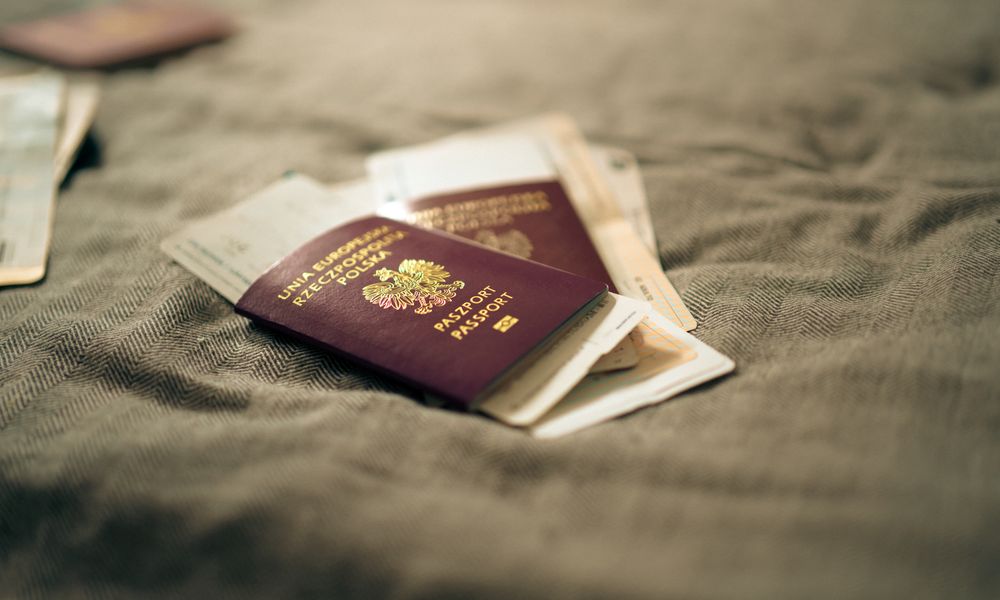
While measles requirements are driven by dynamic outbreak management, other infectious diseases are governed by long-standing international treaties and country-specific legislation. Failing to present a valid International Certificate of Vaccination or Prophylaxis (ICVP), commonly known as the "Yellow Card," for these diseases will result in immediate denial of entry.
Yellow Fever and the International Certificate of Vaccination or Prophylaxis (ICVP)
Yellow fever is a viral hemorrhagic disease transmitted by infected Aedes and Haemagogus mosquitoes in tropical regions of South America and Sub-Saharan Africa. To prevent the virus from being introduced into countries where the mosquito vectors exist but the disease does not, over 100 nations require proof of vaccination.
If you are traveling from or transiting for more than 12 hours through an airport in a yellow fever risk zone (such as Brazil, Colombia, Kenya, or Nigeria), you must present your physical Yellow Card upon arrival in non-endemic countries (such as Australia, India, Singapore, or South Africa). Furthermore, some nations—including Angola, Burundi, Democratic Republic of the Congo, Gabon, and Ghana—mandate proof of yellow fever vaccination for all incoming travelers, regardless of their country of origin.
The vaccine, commercialized as YF-VAX or Stamaril, is a single-dose live-attenuated vaccine administered at certified travel health clinics. According to WHO regulations, the certificate only becomes valid 10 days after the primary injection. Although a single dose is now clinically recognized to provide lifetime immunity—meaning booster doses are no longer legally required—you must ensure your physical card is signed, stamped with an official wellness center seal, and free of alterations.
Polio Boosters for Departing Travelers
Under the WHO's Temporary Recommendations under the International Health Regulations, certain countries actively transmitting wild poliovirus or vaccine-derived poliovirus are subject to exit controls. If you reside in or visit a polio-affected country (such as Afghanistan, Pakistan, Somalia, or Yemen) for more than four weeks, you must receive an Inactivated Polio Vaccine (IPV) booster.
This booster must be administered between 4 weeks and 12 months before you depart the polio-affected country, and the dose must be officially documented in your ICVP. Border officials at your next destination may demand to see this record to prevent the global re-introduction of polio.
Meningococcal ACWY for Pilgrims to Saudi Arabia
The Kingdom of Saudi Arabia enforces strict entry regulations for all visitors arriving for the annual Hajj or Umrah pilgrimages. Due to the massive, highly crowded nature of these events, outbreaks of meningococcal disease (a severe bacterial infection causing meningitis and sepsis) are a significant public health threat.
All travelers aged one year and older must present proof of vaccination with a quadrivalent meningococcal ACWY vaccine. Acceptable vaccines include conjugate formulations like Menveo, MenQuadfi, or Penbraya. The vaccine must be administered at least 10 days before your arrival in Saudi Arabia. If you received a conjugate vaccine, the certificate is valid for 5 years; if you received a polysaccharide vaccine, it is only valid for 3 years, and the documentation must explicitly state which type of vaccine was administered.
Highly Recommended Travel Vaccines for Complete Protection
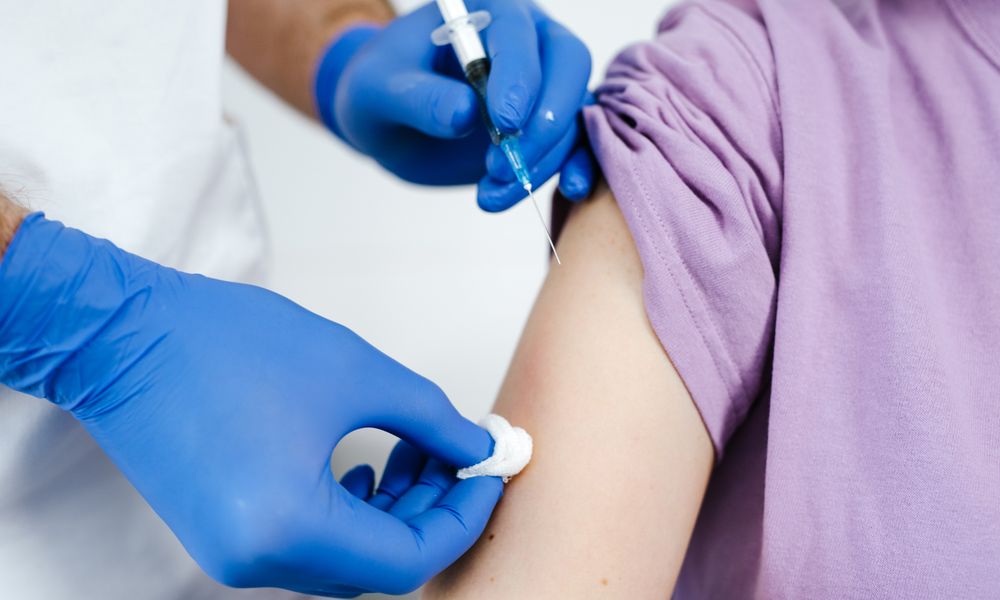
While some vaccines are mandatory for legal entry, others are critically recommended by the CDC Travelers' Health website to protect your personal safety. Depending on your destination's infrastructure, local food safety, and environmental exposures, skipping these immunizations could expose you to debilitating illness.
Hepatitis A and Hepatitis B: Dosing Schedules and High-Risk Regions
Both hepatitis A and hepatitis B are viral infections affecting the liver, but they are transmitted through vastly different pathways.
- Hepatitis A: This virus is transmitted via the fecal-oral route, usually through contaminated food or water, or close personal contact. It is highly endemic in parts of Africa, Asia, Central and South America, and the Middle East. The vaccination protocol (using Havrix or Vaqta) requires two doses. The first dose provides robust short-term protection, while the second dose, administered 6 to 12 months later, confers long-term immunity lasting up to 25 years.
- Hepatitis B: This virus is transmitted through exposure to infective blood, semen, and other body fluids. This can occur via medical procedures, dental work, tattooing, acupuncture, or unprotected sexual contact while abroad. It is highly prevalent in sub-Saharan Africa, East Asia, and the Amazon basin. Standard vaccines like Engerix-B or Recombivax HB require a three-dose series at 0, 1, and 6 months. Alternatively, Heplisav-B is an approved two-dose series administered at 0 and 1 month, which is ideal for travelers with last-minute itineraries.
- Combination Option: If you require protection against both viruses, you can receive Twinrix, a combined vaccine administered in a 3-dose series on days 0, 1, and 6 months. An accelerated 4-dose schedule is also available for urgent travel.
Typhoid Fever and Rabies: Protecting Against Foodborne and Animal Risks
If you are traveling to rural areas, planning to eat local street food, or embarking on outdoor adventures, you should protect yourself against typhoid fever and rabies.
Typhoid fever is a life-threatening bacterial infection caused by Salmonella enterica serovar Typhi. It is common in regions with poor sanitation and limited access to clean water, particularly in South Asia (India, Pakistan, Bangladesh), Africa, and parts of Latin America. Two types of vaccines are available: an injectable polysaccharide vaccine (Typhim Vi), given as a single dose that is effective for 2 years, and an oral live-attenuated vaccine (Vivotif), which consists of 4 capsules taken every other day over a week. The oral course must be kept refrigerated and completed at least 7 days before exposure, providing protection for up to 5 years.
Rabies is a fatal viral zoonosis transmitted through the saliva of infected mammals, most commonly feral dogs, monkeys, and bats. It is highly prevalent in rural parts of Asia, Africa, and Central and South America. Pre-exposure prophylaxis (PrEP) involves receiving the RabAvert or Imovax vaccine. The modern travel schedule consists of two doses administered on days 0 and 7. If you are bitten or scratched by an animal while abroad, having received these pre-exposure doses simplifies your post-exposure treatment by eliminating the need for expensive and hard-to-find Rabies Immune Globulin (RIG), requiring only two booster shots rather than a full five-dose series.
Cholera Prevention and Waterborne Diarrheal Risks
Cholera is an acute diarrheal infection caused by ingestion of food or water contaminated with the bacterium Vibrio cholerae. While rare in typical tourist settings, active outbreaks occur frequently in regions experiencing humanitarian crises, natural disasters, or severe infrastructure deficits (such as parts of Sub-Saharan Africa and Haiti). The vaccine, Vaxchora, is an oral, single-dose live-attenuated vaccine that must be taken at least 10 days before travel. It is highly recommended for aid workers, medical professionals, and travelers visiting remote cholera-endemic zones.

Current Global Outbreaks, WHO Alerts, and Entry Restrictions in 2026
Staying healthy while traveling requires an acute awareness of active, localized health emergencies. The biological landscape of 2026 is highly dynamic, characterized by critical international emergencies and strict border containment measures.
The 2026 Ebola Outbreak in Central Africa and Strict Border Closures
On May 17, 2026, the World Health Organization officially declared the ongoing outbreak of Ebola (specifically the Bundibugyo virus strain) in the Democratic Republic of the Congo (DRC) and Uganda to be a Public Health Emergency of International Concern (PHEIC). Ebola virus disease is a severe, often fatal hemorrhagic fever transmitted through direct contact with the blood or bodily fluids of infected individuals.
In response, international border restrictions have been implemented with rapid speed:
- United States: Effective May 18, 2026, the CDC and Department of Homeland Security issued a strict public health directive. Certain non-U.S. citizens who have been present in the DRC, Uganda, or South Sudan within the past 21 days are temporarily prohibited from entering the United States. Returning U.S. citizens who have traveled through these nations are redirected to designated airports (such as JFK, ORD, and ATL) for intensive public health screening and are subject to mandatory 21-day active monitoring by local health departments.
- Regional Closures: The government of Rwanda has closed its land borders with the DRC to halt cross-border transmission. Neighboring East African nations have established thermal scanning checkpoints at all major ports of entry.
CRITICAL WARNING: If your 2026 itinerary involves transit through Central or East Africa, you must verify your airline's boarding requirements and check for sudden country-specific travel bans. To stay updated on these rapidly evolving border closures and destination safety updates, consult our travel guides before making any bookings.
Malaria Prophylaxis and Region-by-Region Vector Risks
Malaria remains a major threat to international travelers, with hundreds of thousands of cases reported annually. It is caused by Plasmodium parasites transmitted through the bites of nocturnal female Anopheles mosquitoes. There is no widely available commercial vaccine for short-term travelers, making chemoprophylaxis and bite prevention your primary lines of defense.
The choice of preventative medication depends heavily on your specific destination due to widespread drug resistance:
- Atovaquone-proguanil (Malarone): A daily pill started 1 to 2 days before travel, taken during the trip, and continued for 7 days after returning. It is highly effective, has minimal side effects, and is suitable for short trips.
- Doxycycline: A daily antibiotic started 1 to 2 days before travel and continued for 4 weeks after returning. It is cost-effective but can cause increased sun sensitivity.
- Mefloquine: A weekly pill started 2 weeks before travel and continued for 4 weeks after returning. It is useful for long trips but is contraindicated for travelers with a history of depression, anxiety, or neurological conditions.
To prevent bites, always apply repellents containing 20-30% DEET or Picaridin to exposed skin, sleep under permethrin-treated bed nets, and wear long-sleeved clothing when outdoors during dusk and dawn.
Food and Water Safety Standards Worldwide
Waterborne pathogens are the most frequent cause of travel-related illness, leading to travelers' diarrhea, giardiasis, and dysentery. In countries where municipal water infrastructure is unreliable, adhere strictly to the classic medical rule: "Boil it, cook it, peel it, or forget it."
Avoid tap water, ice cubes, and raw, unpeeled fruits or vegetables washed in local water. Stick to factory-sealed bottled water or utilize advanced portable purification systems, such as hollow-fiber membrane filters combined with ultraviolet (UV) light pens, which effectively neutralize both bacteria and viruses.

Essential Travel Infrastructure: Healthcare Quality, Insurance, and Kits
Even the most prepared travelers can encounter medical emergencies. Securing appropriate logistical support is vital when traveling to regions where local healthcare systems may be overburdened or highly specialized.
Assessing Local Quality of Medical Facilities
The quality of hospital care varies dramatically by region. While metropolitan areas in Western Europe, East Asia, and North America offer world-class, state-of-the-art medical services, rural clinics in developing nations may suffer from critical shortages of basic medical supplies, sterile needles, and English-speaking clinicians. Before departing, use the resources provided by the GOV.UK Foreign Travel Advice portal to identify reputable, pre-vetted private clinics and hospitals at your destination.
Mandatory and Highly Recommended Travel Health Insurance
Do not assume your domestic health insurance policy will cover you abroad. Most standard insurers—including Medicare—do not pay for medical care received outside your home country. Furthermore, if you require emergency medical evacuation from a remote area or a cruise ship, costs can quickly exceed $100,000.
Several countries (such as Ecuador, Cuba, Seychelles, and Turkey) require proof of travel health insurance with explicit emergency medical and repatriation coverage as a mandatory condition for visa issuance or border entry. When purchasing a policy, ensure it includes:
- At least $250,000 in emergency medical coverage.
- At least $500,000 in emergency medical evacuation and repatriation.
- Specific riders covering adventure sports or high-altitude trekking if you plan on participating in these activities.
- Coverage for trip interruption or quarantine costs associated with infectious disease exposure.
To explore reliable international options, you can consult the U.S. Department of State's Health Abroad directory for a list of vetted insurance providers.
How to Pack the Ultimate Travel Medical Kit
Carry a well-stocked medical kit in your carry-on luggage to manage minor injuries and illnesses without needing to navigate foreign pharmacies. Your kit should include the following items:
| Category | Essential Items to Include |
|---|---|
| Prescriptions | Personal maintenance medications in their original pharmacy bottles, plus a copy of your doctor's written prescriptions. |
| First-Aid Basics | Sterile gauze pads, adhesive bandages (various sizes), medical tape, antiseptic wipes, and a digital thermometer. |
| OTC Medications | Ibuprofen or acetaminophen (pain/fever), loperamide (anti-diarrheal), antihistamines (allergies), and motion sickness tablets. |
| Specialty Items | Oral rehydration salts (ORS) packets, water purification tablets, high-strength insect repellent (DEET/Picaridin), and broad-spectrum sunscreen. |
Real-Time Advisory Monitoring with TripGuard360
As the events of 2026 demonstrate, travel health requirements are no longer static. An unexpected local outbreak can cause a country to mandate new vaccine certificates or close its borders with very little warning. Relying on printed travel guides or checking embassy websites a few weeks before your departure is no longer sufficient to guarantee entry.
This is where TripGuard360 becomes an essential tool for the modern traveler. Our proprietary monitoring system continuously tracks health advisories, border policy changes, and vaccine mandates in real-time. By aggregating data streams from the WHO, CDC, local ministries of health, and international embassies, TripGuard360 ensures you have access to the most current information available.
The moment a country alters its health-specific entry restrictions—such as declaring a new measles certificate requirement or closing a border due to local transmission—TripGuard360 transmits an instant alert directly to your phone via Telegram and email. Whether you are at home planning your itinerary or already in transit at an airport gate, these instant notifications give you the critical window needed to secure booster doses, update your travel insurance, or adjust your flight routing before disruptions occur. With TripGuard360, you can travel with confidence, knowing that your health, safety, and legal compliance are being monitored around the clock by a state-of-the-art safety system.