Mexico Visa Requirements 2026: New Entry Rules & May Updates
Current Overview: Mexico Visa Requirements 2026 Entry Rules
As Mexico prepares for an unprecedented surge in international visitors, particularly in the lead-up to the FIFA World Cup 2026, the nation’s immigration framework has undergone significant modernization. Staying updated on mexico visa requirements 2026 entry rules is essential for any traveler, whether you are planning a beach holiday in Tulum, a business trip to Monterrey, or a nomadic journey through the colonial highlands. In May 2026, the Mexican government finalized its transition toward a fully digital entry system, replacing many legacy paper processes with biometric verification and electronic permits.
Entering Mexico is generally a straightforward process for many nationalities, but the specific requirements depend heavily on your passport and the purpose of your visit. For the vast majority of tourists, Mexico remains a visa-free destination for up to 180 days. However, recent geopolitical shifts and security updates have led to specific changes for travelers from South America and Eastern Europe. Furthermore, the Forma Migratoria Múltiple (FMM), once a ubiquitous paper card, has been almost entirely replaced by the Digital FMM (FMMD) at all major international airports, including Mexico City (AICM), Cancun (CUN), and Guadalajara (GDL).
Before you pack your bags, it is vital to check our comprehensive travel guides to understand the local nuances of the specific Mexican state you are visiting. The federal rules provide the legal framework for entry, but local health or safety protocols can vary. This article serves as your exhaustive resource, covering everything from the $56 USD visa fee for consular applications to the precise bank statement requirements needed to prove economic solvency in 2026.
May 2026 Update: The Shift to Biometric Entry and Digital Forms
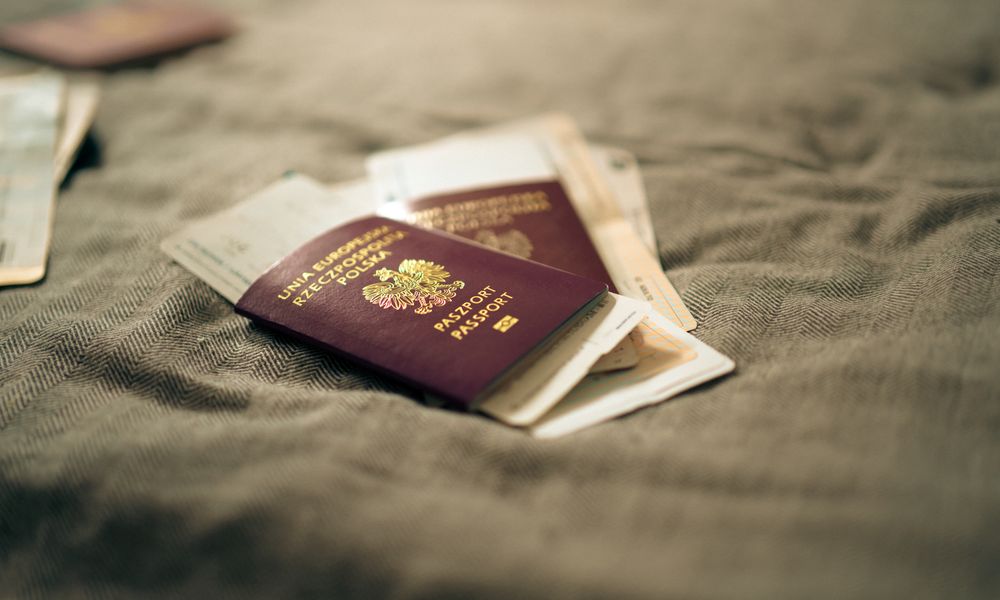
The most significant change to mexico visa requirements 2026 entry rules occurred in May 2026, following the implementation of the New Digitalization Guidelines published by the Secretaría de Relaciones Exteriores (SRE). Under these new rules, Mexico has expanded its use of biometric gates (E-Gates) at major ports of entry. Travelers from visa-exempt countries who arrive at these airports are no longer required to speak to an immigration officer in many cases; instead, they scan their biometric passport and receive a digital entry stamp via email or a downloadable QR code.
For those arriving by land, the process remains slightly more traditional but is moving toward a hybrid model. If you are crossing from the United States or Belize, you must still obtain a Multiple Immigration Form (FMM). While this can be started online, land border officials often require a physical printout. As of 2026, the fee for this visitor permit is 983 MXN (approximately $53-$58 USD). It is important to note that if you are flying into Mexico, this fee is typically already included in the price of your airfare, but for land crossings, it must be paid at the border or an authorized bank.
Another critical May 2026 update concerns the stay duration. Historically, most tourists were automatically granted 180 days. Currently, immigration officers are increasingly exercising their discretion to grant a stay that matches the duration of your confirmed accommodation and return flight. If you intend to stay for the full 180 days, you must be prepared to show a detailed itinerary or proof of long-term rental, or you may find yourself with a 7-day or 30-day limit stamped on your digital record.
Visa-Exempt Nationalities: Who Can Enter Without a Visa?
The "Green List" of countries that do not require a visa for tourism or business (non-paid) stays of up to 180 days remains robust. According to the Instituto Nacional de Migración (INM), if you hold an ordinary passport from any of the following countries, you are visa-exempt:
- North America: United States, Canada.
- Europe: All European Union citizens, United Kingdom, Switzerland, Norway, Iceland, Monaco, San Marino, Andorra, Liechtenstein.
- Oceania: Australia, New Zealand.
- Asia: Japan, South Korea, Singapore, Hong Kong (SAR), Macau (SAR), Israel, United Arab Emirates.
- Latin America: Argentina, Chile, Colombia, Peru, Uruguay, Panama, Costa Rica, Belize, Bolivia, Paraguay.
In addition to these nationalities, any traveler who holds a valid, unexpired multiple-entry visa or permanent residency from the following regions can enter Mexico visa-free, regardless of their original nationality:
- The United States of America
- Canada
- The United Kingdom
- Japan
- Any country within the Schengen Area
This is a critical loophole for many travelers from countries like India, China, or the Philippines. If you have a valid US B1/B2 visa, you do not need to apply for a separate Mexican visa. However, ensure that the visa is physically stamped in your passport; electronic authorizations from other countries are generally not accepted for this exemption.

The Electronic Authorization System (SAE) and e-Visas
For certain nationalities, Mexico offers a middle ground between a full consular visa and visa-free entry: the Sistema de Autorización Electrónica (SAE). This is often referred to as an e-visa, though it is technically an electronic authorization for air travel only. In February 2026, a major policy reversal reinstated this system for Brazilian citizens, following a period where they were required to obtain physical stickers. This change was implemented specifically to facilitate travel for the upcoming World Cup.
Nationalities currently eligible for the SAE Electronic Authorization include:
- Brazil (reinstated Feb 2026)
- Russia
- Turkey
- Ukraine
The SAE Application Process Step-by-Step
- Access the Portal: Visit the official INM SAE portal. Be wary of third-party sites that charge excessive service fees; the official authorization is often free of charge or carries a nominal processing fee of approximately $10 USD.
- Fill the Form: Enter your passport details exactly as they appear. Any typo—even a middle name omission—can lead to being denied boarding by your airline.
- Travel Method: You must select "By Air." The SAE is not valid for land or sea entries. If you plan to drive from the US into Mexico, you must apply for a traditional consular visa.
- Instant Approval: Once submitted, the system usually generates a PDF with a QR code within minutes.
- Print and Carry: Despite the digital push, Mexican immigration and airlines strictly require a printed copy of the SAE confirmation.
The SAE is valid for 30 days from the date of issuance and allows for a single entry with a stay of up to 180 days. If you leave Mexico and wish to return, you must apply for a new SAE before your next flight.
Consular Visa Requirements for Restricted Nationalities
If your country is not on the visa-exempt list and you do not qualify for the SAE, you must apply for a Visitor Visa (Visa de Turista) at a Mexican consulate. This process has become more rigorous in 2026, with an emphasis on economic solvency. Nationalities requiring a consular visa include citizens of India, China, most African nations, and several Southeast Asian countries.
Required Documents for a Seamless Mexico Entry
To apply for a consular visa, you must schedule an appointment via the MiConsulado booking system. The processing time is typically 10 business days, though it can stretch to three weeks during peak seasons. You will need to provide:
- Valid Passport: Must be valid for the duration of your stay. Unlike some countries, Mexico does not strictly enforce a "6-month validity" rule, but many airlines do. It is highly recommended to have at least 6 months remaining to avoid boarding issues.
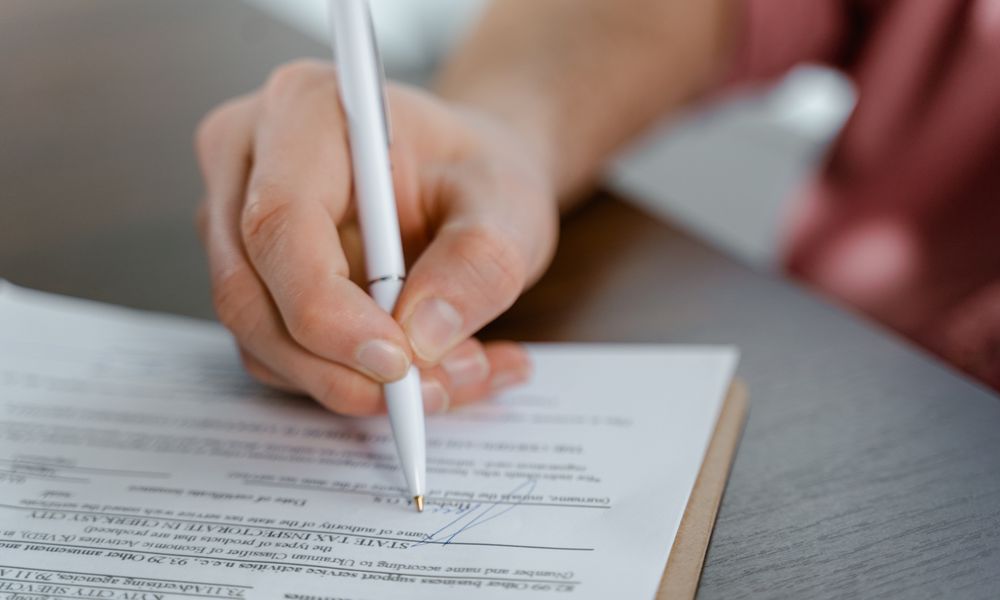
- Visa Application Form: Completed and signed.
- Passport Photo: One recent color photo, white background, no glasses.
- Proof of Economic Solvency: This is the most common reason for denial. You must show original bank statements from the last 3 to 6 months showing an average monthly balance of approximately $2,500 - $3,000 USD (this varies by consulate and is calculated based on the UMA - Unit of Measure and Update).
- Proof of Employment: A letter from your employer stating your position and salary.
- Accommodation and Flights: While the consulate advises not to buy tickets until the visa is approved, they often require a detailed flight itinerary and hotel reservations.
The visa fee for 2026 is set at $56 USD (payable in local currency at the exchange rate of the month). This fee is non-refundable, regardless of whether the visa is granted.
Transit Visa Rules and Connecting Flights
A common point of confusion in mexico visa requirements 2026 entry rules is the transit visa. If you are connecting through a Mexican airport (such as Mexico City or Cancun) to a third country, you must be aware of the 2026 "No-Transit-Area" policy. Most Mexican airports do not have a dedicated international transit zone that allows you to remain "airside."
This means that even if you are just passing through for two hours, you must clear immigration, collect your bags, and check in again. Consequently, you must meet the same entry requirements as a tourist. If your nationality requires a visa to enter Mexico, you need a visa just to transit. The only exceptions are those holding the substitute visas (US, Canada, UK, Schengen, Japan) mentioned earlier. Always check our travel safety blog for updates on airport-specific transit procedures, as some terminals have occasionally piloted "sterile transit" programs for specific airlines.
Land Border Crossings and the 'Zona Libre'
Entering Mexico by land from the United States involves different nuances. The 'Zona Libre' (Free Zone) typically encompasses the area within 20 to 30 kilometers of the border and the entire Baja California peninsula. If you are staying within this zone for less than 7 days, the requirements are minimal, and you are often exempt from the FMM fee.
However, if you travel beyond this zone or stay longer than 7 days, you must stop at an INM office at the border to pay your fee and get your passport stamped. Failure to do so can result in significant problems if you encounter a migration checkpoint (retén) on the highway. In 2026, mobile units from the National Guard and INM frequently check documents on major routes like the Federal Highway 15 or the Carretera Transpeninsular. You must carry your original passport and either your stamped FMM or your digital QR code at all times.
Vehicle Importation Rules 2026
If you are driving your own vehicle, the visa is only half the battle. You must also obtain a Temporary Importation of Vehicles (TIP) permit from Banjercito. This requires a security deposit ranging from $200 to $400 USD, depending on the year of your vehicle. In 2026, the TIP can be processed entirely online up to 60 days in advance, which is highly recommended to avoid long queues at the border.
Overstaying and Legal Consequences in 2026
Overstaying your permitted time in Mexico is a serious matter. Under the revised mexico visa requirements 2026 entry rules, the authorities have moved away from "easy" extensions. If your digital FMM expires, you cannot simply go to an immigration office and pay to stay longer; you are generally expected to leave the country.
If you are caught with an expired permit:
- Fines: You will be required to pay a fine at the airport or border upon exit. As of 2026, these fines start at approximately $350 USD and increase based on the duration of the overstay.
- Detention: While rare for short overstays, long-term overstayers (over 60 days) can be detained in a migration station (estación migratoria) until their deportation is arranged.
- Future Bans: Significant overstays can result in a denial of entry for future trips, ranging from 1 to 5 years.
If you realize you will overstay due to a medical emergency, you must contact the nearest UK Foreign Office or your respective embassy immediately. For health-related issues, consult the World Health Organization (WHO) guidelines for travelers to ensure you have the necessary documentation to justify a "force majeure" extension at an INM office.
Monitoring Global Shifts with TripGuard360 AI
In a world where entry rules can change overnight due to health crises, diplomatic disputes, or major events like the FIFA World Cup, traveler's biggest risk is outdated information. This is where TripGuard360 changes the game. We utilize Gemini AI to monitor official government gazettes, embassy websites, and the Mexican Diario Oficial de la Federación 24 hours a day, 7 days a week.
The moment Mexico updates its mexico visa requirements 2026 entry rules—whether it's a new fee, a change in exempt nationalities, or a biometric system update—TripGuard360 detects the change in real-time. Our users don't have to "check the news." They receive instant Telegram and email alerts the second a change is confirmed. This ensures that even if a rule changes after you've booked your flight, you are never caught off guard at the check-in counter or the border. In 2026, where digital rules evolve faster than ever, TripGuard360 is your essential travel companion for total peace of mind.

What to Do If Rules Change After Booking
If you have already booked your trip and the mexico visa requirements 2026 entry rules change, do not panic. Follow these steps:
- Verify the Source: Ensure the news is from an official source like the SRE or a reputable outlet like Reuters. Social media rumors often cause unnecessary alarm.
- Contact Your Airline: Airlines are responsible for checking your documents before boarding. They often have the most practical information on how the new rules are being enforced on the ground.
- Apply Early: If a new visa requirement is introduced, Mexican consulates often see a massive backlog. Apply for your visa or electronic authorization as soon as the portal allows.
- Check Insurance: Review your travel insurance policy. High-quality policies often cover "visa denial" or "change in government regulations" if the rules were updated after the policy was purchased.
By following this exhaustive guide, you are now equipped with the most current and detailed information available on entering Mexico in 2026. From the digital transformation of the FMM to the specific financial requirements for a consular interview, your journey to the heart of the Americas starts with being prepared.