Russia Travel Advisory 2026: Sanctions, Flight Bans & Safety Risks
Current Situation: Understanding the Russia Travel Advisory 2026
The geopolitical landscape of Eastern Europe remains highly volatile, and for anyone considering travel to the region, the official russia travel advisory 2026 carries a clear, unequivocal warning: Do Not Travel. Since the escalation of the armed conflict in early 2022, Russia has faced unprecedented isolation on the global stage. What began as a series of targeted financial measures has evolved into a comprehensive regime of travel sanctions, airspace closures, and heightened domestic security protocols that make civilian travel to Russia exceptionally hazardous. For international visitors, the risks are no longer theoretical; they are immediate, systemic, and potentially life-threatening.
In 2026, the domestic security environment within the Russian Federation has deteriorated further. The conflict with Ukraine is no longer confined to border regions. Over the past year, drone warfare has scaled up significantly, with unmanned aerial vehicles (UAVs) regularly penetrating deep into the Russian interior. Major urban centers, historical tourist hubs, and industrial zones have all experienced security disruptions, leading to sudden airspace closures, panic, and local infrastructure damage. These developments, combined with an increasingly hostile legal framework targeting Western nationals, have forced global travel authorities to maintain their highest possible threat classifications for the country.
The Geopolitical Reality of Travel Sanctions in 2026
To understand the current situation, one must examine the depth of the travel sanctions currently in place. Following the outbreak of the armed conflict, Western nations—including the United States, Canada, the United Kingdom, and members of the European Union—implemented sweeping economic and logistical sanctions designed to isolate the Russian state. These measures have directly impacted the aviation sector, financial systems, and diplomatic relations, fundamentally altering the reality of travel. Today, these sanctions remain fully active and are strictly enforced, creating a highly restrictive environment for any foreigner attempting to enter, exit, or navigate the country.
At the core of these sanctions is the near-total severing of commercial ties between Russia and the West. Major credit card networks have suspended operations, commercial aviation routes have been dismantled, and export controls have choked off the supply of critical components for foreign-manufactured aircraft. This systemic isolation means that the standard safety nets travelers rely upon—such as international banking, consular support, and commercial rescue flights—simply do not exist in Russia in 2026. Travelers are essentially left to navigate a highly bureaucratic and suspicious environment with minimal external assistance.
Critical Security Risks and the Ongoing Conflict
The physical security risks in Russia have intensified due to the ongoing armed conflict. Ukrainian drone strikes have targeted oil refineries, military installations, and industrial facilities well beyond the immediate border zones. Cities such as Moscow, St. Petersburg, Novorossiysk, Kazan, and Tolyatti have all experienced drone activity, occasionally resulting in damage to residential areas and civilian injuries. Whenever drone activity is detected, local authorities immediately suspend civil aviation operations at nearby airports, leading to sudden flight diversions and cancellations that leave passengers stranded.
In addition to the threat of drone strikes, the risk of domestic terrorism remains critically high. In recent years, high-profile attacks on public venues, such as the devastating assault on the Crocus City Concert Hall near Moscow, have demonstrated that crowded public spaces, transportation networks, and cultural landmarks are active targets for extremist groups. Russian security forces maintain an intensive counter-terrorism posture across the nation, which frequently results in sudden checkpoints, biometric screenings, and arbitrary searches. For a foreign traveler, merely being in the vicinity of a security incident or a government building can lead to intense scrutiny and potential detention.

What Travelers Need to Know Right Now About Safety in Russia
If you are contemplating a trip to Russia in 2026, you must understand that the legal and political environment is highly repressive. The Russian government has enacted sweeping laws designed to suppress dissent, control information, and target individuals or organizations deemed hostile to the state. These laws are applied arbitrarily, and foreign nationals are increasingly vulnerable to harassment, surveillance, and state-sanctioned leverage. The traditional tourist experience has been replaced by an atmosphere of intense suspicion, where any association with Western entities can be interpreted as a threat to national security.
The domestic legal framework in Russia makes it incredibly easy for authorities to criminalize everyday behaviors. Under laws targeting "undesirable organizations" and "discrediting the Russian armed forces," individuals can face severe prison sentences for expressing opinions online, carrying specific literature, or even photographing public infrastructure. The state's surveillance apparatus is highly sophisticated, utilizing facial recognition technology, digital monitoring, and informant networks to track the activities of both residents and visitors. Privacy does not exist, and any communication transiting Russian networks is subject to state intercept.
Wrongful Detentions and Limited Consular Assistance
One of the most pressing security risks facing foreign travelers in Russia is the very real threat of wrongful detention. Russian authorities have repeatedly demonstrated a willingness to arrest, prosecute, and imprison Western citizens on fabricated or highly exaggerated charges, ranging from minor drug possession to espionage. These individuals are frequently used as geopolitical leverage, held as hostages to facilitate prisoner swaps with Western nations. The judicial system offers no independent oversight; trials are held behind closed doors, and conviction rates for state-prosecuted cases are near 100%.
Compounding this danger is the severe reduction in consular assistance. Due to reciprocal expulsions of diplomatic staff and the forced closure of multiple consulates, Western embassies in Russia are operating with extremely limited personnel. The Russian government routinely delays or outright denies diplomatic access to detained foreign citizens, in direct violation of international consular conventions. If you are arrested in Russia, your home country’s embassy will face immense bureaucratic and political hurdles in attempting to assist you, and they will be unable to secure your release through legal channels. The official U.S. Department of State's Russia Travel Advisory repeatedly emphasizes that the government's ability to provide emergency services to citizens in Russia is severely limited.
The Impact of Mobilization and Draft Risks for Dual Citizens
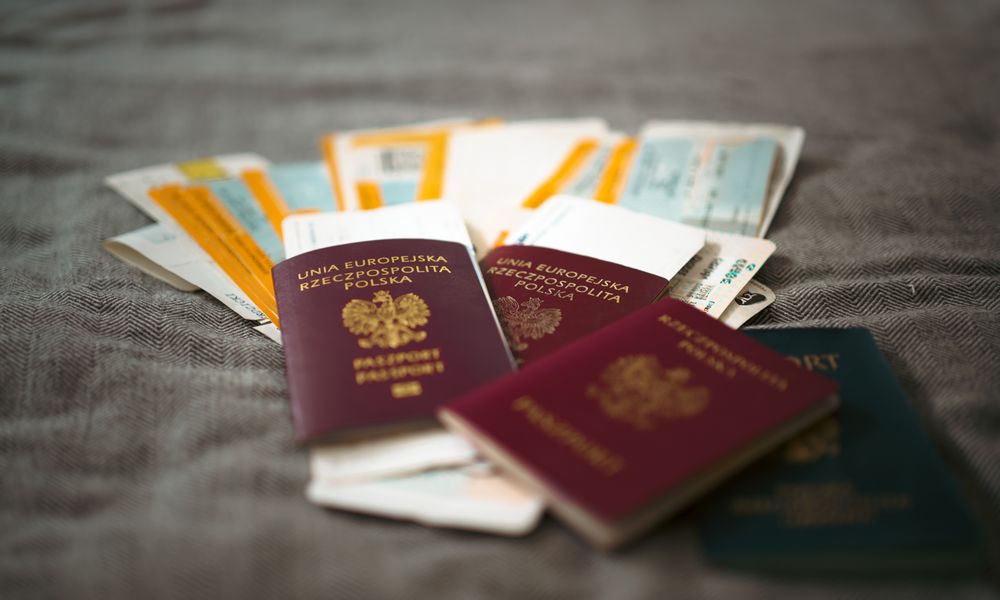
For individuals holding dual citizenship—specifically those possessing both Russian nationality and a Western passport—the risks of traveling to Russia are even more critical. Under Russian domestic law, Russia does not recognize dual citizenship. If you enter the country on a Russian passport, you are treated solely as a Russian citizen, regardless of any other nationalities you hold. This means you are fully subject to all local laws, civic duties, and military obligations, with absolutely no entitlement to Western consular protection.
The ongoing military conflict requires a constant influx of personnel, and the Russian state continues to enforce mobilization and conscription laws. Dual citizens of military age are at high risk of being drafted into the armed forces or prohibited from leaving the country. There have been numerous documented cases of dual nationals being stopped at border control checkpoints, having their foreign passports confiscated, and being forced into military service or sent to training facilities. If you hold Russian citizenship and choose to visit, you must accept that you may be legally barred from exiting Russia and could be deployed to an active combat zone against your will.
Logistical Realities: Impact on Flights and Travel Plans
Even if a traveler is willing to accept the immense physical and legal risks of visiting Russia, the logistical realities of doing so are incredibly complex. The global infrastructure that once connected Russia to the rest of the world has been dismantled. Planning a journey under the weight of active flight bans and financial sanctions requires navigating a maze of restricted air corridors, cash-only transactions, and unreliable communication networks. For most, these barriers make travel practically impossible and highly unpredictable.
The administrative process of entering Russia has also become far more invasive. As of late 2024, Russian authorities implemented mandatory biometric registration at major Moscow airports, including Sheremetyevo, Domodedovo, and Vnukovo. All foreign arrivals are required to submit fingerprints and facial photographs upon entry. This data is integrated into the state's centralized tracking database, further expanding the government's surveillance capabilities over foreign visitors. Any discrepancy in paperwork or refusal to comply with biometric enrollment will result in immediate denial of entry and potential detention at the border.
Navigating Flight Bans and Airspace Closures
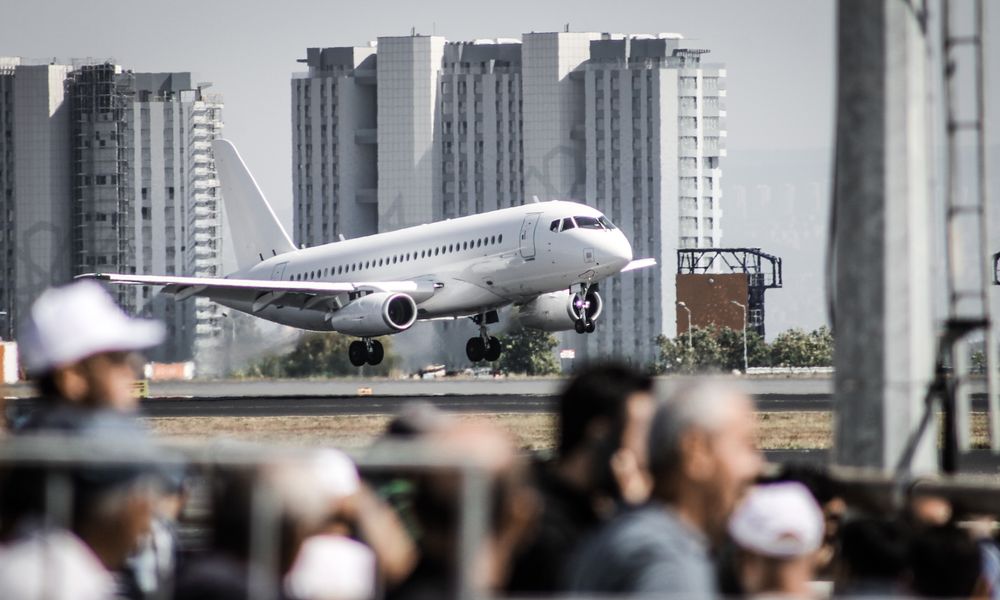
The impact of international airspace closures and flight bans cannot be overstated. Western commercial carriers are prohibited from flying over Russian airspace, and Russian commercial airlines are banned from entering the airspace of North America, the United Kingdom, and the European Union. Furthermore, the Federal Aviation Administration (FAA) and other global regulators have banned Western flights from operating near the Ukrainian border and within designated zones of Russian airspace. This has eliminated all direct air routes between Russia and Western nations.
To travel to Russia, travelers must route through a limited number of transit hubs in third countries that have maintained relations with Moscow. The most common transit points include:
- Istanbul, Turkey (IST) - The primary gateway, offering multiple daily connections but experiencing severe congestion and high ticket prices.
- Dubai, United Arab Emirates (DXB) - A major intercontinental transit point, though flights are frequently subject to delays and high demand.
- Belgrade, Serbia (BEG) - One of the few European hubs maintaining active routes to Moscow and St. Petersburg.
- Doha, Qatar (DOH) - An alternative Gulf transit hub connecting international travelers to Russian destinations.
Furthermore, the safety of Russian aviation has been severely compromised by travel sanctions. Because Russian carriers are blocked from purchasing certified spare parts or receiving maintenance support from Boeing and Airbus, global regulators have downgraded Russia's air safety rating. Operating with uncertified components and delayed maintenance cycles raises the risk of mechanical failures, making domestic flights within Russia inherently less safe than in previous years.
The Cash-Only Economy and Financial Sanctions
Once inside Russia, travelers face an almost completely isolated financial system. Due to the suspension of major payment networks and the expulsion of Russian banks from the SWIFT system, international credit and debit cards—including those issued by Visa, Mastercard, American Express, and Discover—do not work anywhere in Russia. You cannot use these cards to pay for hotels, purchase meals, book domestic train tickets, or withdraw cash from local ATMs. International wire transfers to Russian bank accounts are also blocked.
To survive financially, travelers must carry physical cash in major currencies, such as US Dollars or Euros, to exchange for Russian Rubles upon arrival. However, this carries its own set of strict rules and vulnerabilities:
- Banknote Condition: Russian banks and exchange booths are exceptionally selective. Foreign banknotes must be in pristine, perfect condition. Any bills with small tears, folds, stamps, ink marks, or heavy creasing will be rejected.
- Declaration Limits: Under Russian customs laws, travelers carrying more than $10,000 USD (or equivalent) in physical cash must submit a formal customs declaration upon entry. Failure to declare cash above this limit can result in immediate confiscation and criminal charges.
- MIR Card Requirements: Booking domestic travel online, such as high-speed trains or regional flights, requires a local Russian bank card (the MIR network). Foreigners cannot easily obtain these cards prior to arrival, making spontaneous travel planning within the country nearly impossible.
In addition to financial isolation, telecommunications are heavily restricted. Foreign SIM cards are frequently blocked for the first 24 hours after arrival. While a complex SMS CAPTCHA verification process exists to lift this block, it does not work consistently with all international operators, leaving many travelers completely offline and unable to access maps, translation apps, or emergency contact services during their initial transit.
Official Recommendations from Global Travel Authorities
In response to these compounding risks, foreign ministries around the world have issued clear, consistent, and urgent advisories regarding travel to Russia. These official statements reflect a unified assessment that the safety of foreign nationals in the country cannot be guaranteed, and that the domestic environment poses an unacceptable level of risk. If you are planning a trip, reviewing the official position of these authorities is a critical step in understanding the gravity of the situation.
The UK Foreign, Commonwealth & Development Office (FCDO) travel guidance advises against all travel to the Russian Federation. The FCDO highlights the threat of drone attacks, the lack of commercial flight options to return to the UK, and the extremely limited capacity of the British government to offer consular assistance to citizens who find themselves in trouble. Similarly, the Government of Canada's travel advisory for Russia urges all Canadians to avoid travel due to the impacts of the armed conflict, the risk of arbitrary enforcement of local laws, and the ongoing threat of terrorism.
These government agencies emphasize a set of core recommendations that all foreign nationals should follow immediately:
- Do Not Travel: Cancel any planned leisure, business, or educational travel to Russia immediately. The risks far outweigh any potential benefits.
- Depart Immediately: If you are currently in Russia, you should arrange to leave the country by remaining commercial land or air routes while they are still operational.
- Formulate Contingency Plans: Do not rely on your government to facilitate an evacuation. If you choose to remain against advice, ensure you have independent means to exit and secure emergency funds.
- Register Your Presence: Ensure your details are registered with your local embassy's traveler program (such as the US STEP program or the Registration of Canadians Abroad service) to receive critical safety updates.

Practical Safety Steps for Travelers Remaining in Russia
For those who find themselves in Russia despite the critical warnings—such as diplomatic personnel, humanitarian workers, or individuals attending to unavoidable family emergencies—staying safe requires an extraordinary level of vigilance and strict adherence to security protocols. Navigating this high-risk environment demands a proactive approach to personal security, digital hygiene, and situational awareness. By implementing structured precautions, you can reduce your vulnerability to local threats and maintain a critical connection to safety resources.
First and foremost, you must maintain an exceptionally low profile. Refrain from discussing political developments, the armed conflict, or government policies in public spaces, restaurants, or public transportation. Under the current repressive legal climate, even casual conversations can be misconstrued or reported to authorities by local informants. For more comprehensive guides on maintaining personal security in hostile environments, check out our travel safety blog, which features detailed checklists and expert advice on managing travel risks.
Digital security is equally critical. The Russian Federal Security Service (FSB) utilizes the SORM system (System for Operational-Investigative Activities) to monitor all domestic telecommunications, including voice calls, SMS text messages, and internet traffic. To protect your personal information and prevent arbitrary targeting, you should adhere to the following digital guidelines:
- Device Auditing: Regularly audit your mobile devices and laptops. Delete any social media posts, chat histories, or news articles that could be interpreted as critical of the Russian government or supportive of Ukraine.
- Encrypted Communications: Utilize secure, encrypted messaging applications, but remain aware that the use of Virtual Private Networks (VPNs) is heavily restricted and monitored in Russia.
- Checkpoints: Be prepared for random digital inspections. Police and security officers have the legal authority to stop individuals and demand to search their electronic devices, including photo libraries and chat apps.
- Physical Vigilance: Avoid any areas where demonstrations, political rallies, or large public gatherings are taking place. These events are strictly illegal and are met with swift, violent police intervention and mass arrests.
Upcoming Travel Plans and Alternative Destinations
If you currently have upcoming travel plans to Russia or the surrounding border regions, the most prudent course of action is to cancel or indefinitely postpone your trip. Attempting to proceed with travel plans under the current russia travel advisory 2026 exposes you to severe legal, financial, and physical dangers that standard travel insurance policies will not cover. Most insurers explicitly exclude coverage for countries classified under "Do Not Travel" advisories or areas affected by active armed conflicts and sanctions.
For those seeking the unique historical, cultural, and natural experiences that Eastern Europe and Central Asia have to offer, there are several highly compelling, safe, and welcoming alternatives. Choosing these destinations allows you to explore breathtaking landscapes and rich traditions without the critical security risks and logistical nightmares of navigating a heavily sanctioned state.
Safer Alternative Destinations to Russia in 2026
For travelers who were planning to experience Russia's historical architecture, vast wilderness, or cultural heritage, several alternative regions provide equally magnificent experiences under stable and secure conditions. By redirecting your travel plans to these areas, you can ensure a peaceful, enriching, and safe journey:
- Central Asia (Kazakhstan & Uzbekistan): Kazakhstan offers massive steppe landscapes, modern urban architecture in Almaty, and the stunning Tian Shan mountains. Uzbekistan is the crown jewel of the ancient Silk Road, featuring the breathtaking, blue-tiled Islamic architecture of Samarkand, Bukhara, and Khiva. Both nations are highly secure, geopolitically neutral, and actively welcoming to Western tourists.
- Eastern Europe (Poland & Slovakia): If you are drawn to Slavic culture, historic Old Towns, and dramatic mountain ranges, Poland and Slovakia offer world-class travel infrastructure, medieval history, and pristine national parks. Operating within the European Union, these countries provide the highest standards of safety, medical care, and travel reliability.
- The Baltic States (Estonia, Latvia, & Lithuania): These northern European nations offer a captivating blend of medieval history, dense forests, and vibrant cultural scenes. Visitors can explore the UNESCO-listed Old Town of Tallinn, the Art Nouveau architecture of Riga, and the peaceful Baltic coastline with zero geopolitical friction.
To begin planning your alternative journey and discover detailed itineraries, safety tips, and local insights for these secure regions, explore our travel guides. Redirection is the safest path to a memorable travel experience in 2026.
How TripGuard360 Monitors the Russia Travel Advisory 2026
In a rapidly shifting global environment, staying informed of real-time security updates, airspace closures, and diplomatic alerts is critical for personal safety. For corporate travel managers, humanitarian organizations, and independent travelers, relying on outdated information is a vulnerability you cannot afford. This is where TripGuard360 becomes an indispensable tool in your travel security arsenal.
TripGuard360 is a state-of-the-art travel security platform designed to monitor global threat landscapes, travel advisories, and geopolitical developments in real-time. By aggregating data from thousands of vetted sources—including the U.S. Department of State, the UK Foreign Office, international aviation regulators, localized security feeds, and reputable global news networks—TripGuard360 delivers instant, actionable intelligence directly to your device.
With TripGuard360, users benefit from a comprehensive suite of security features tailored for high-risk monitoring:
- Real-Time Threat Alerts: Receive immediate SMS and email notifications regarding sudden airspace closures, drone activity, or political unrest in your vicinity or along your transit routes.
- Dynamic Risk Mapping: Access interactive, color-coded maps that illustrate current safety levels, restricted zones, and consular availability in real-time.
- Biometric and Entry Updates: Stay ahead of shifting border requirements, visa regulations, and biometric collection protocols implemented by foreign governments.
- 24/7 Consular Directory: Quickly locate and contact the nearest operational embassy or consulate, even in regions with severely diminished diplomatic representation.
Whether you are managing a global team of remote workers or planning an essential journey through complex corridors, TripGuard360 takes the guesswork out of travel safety. Our platform filters out the noise of the 24-hour news cycle, providing you with factual, verified, and localized safety intelligence when you need it most. Protect your journeys, safeguard your assets, and travel with confidence by integrating TripGuard360 into your travel planning workflow. Try TripGuard360 today and experience the peace of mind that comes with real-time global monitoring.