Rwanda Travel Health Requirements & Vaccinations 2026: 7 Must-Haves
Introduction to Rwanda Travel Health Requirements Vaccinations 2026
As Rwanda continues its ascent as a premier global destination for eco-tourism and high-end adventure, the landscape of international travel health has become increasingly sophisticated. For travelers planning a journey to the "Land of a Thousand Hills" in 2026, understanding the rwanda travel health requirements vaccinations 2026 is not merely a recommendation—it is a critical component of entry and personal safety. Rwanda has made significant strides in healthcare infrastructure, yet the tropical environment and the density of cross-border movement in the East African region necessitate a proactive approach to immunization and disease prevention.
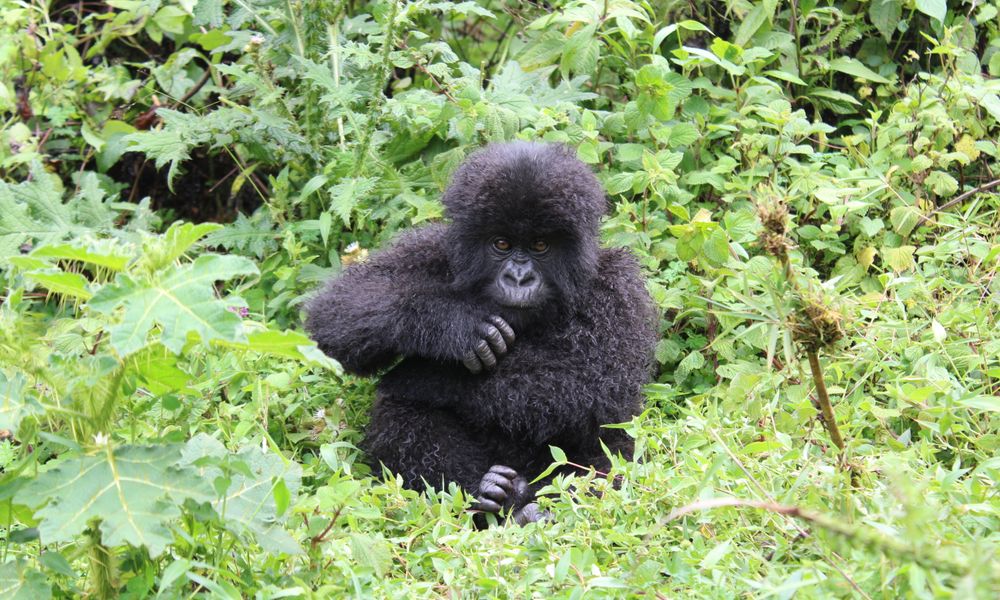
In 2026, the Rwandan Ministry of Health, in coordination with the World Health Organization (WHO), maintains strict protocols to prevent the importation of infectious diseases while protecting the fragile ecosystem that supports the country’s world-famous mountain gorillas. Whether you are trekking through the Volcanoes National Park or conducting business in the high-tech corridors of Kigali, your health preparation must begin at least eight weeks before your departure date. This guide provides an exhaustive breakdown of the vaccines you need, the risks you will encounter, and the administrative requirements to ensure your entry into Rwanda is seamless.
For more general advice on preparing for international trips, you can explore our travel guides which cover everything from packing to local customs. Staying informed is the first step toward a successful African expedition.
Mandatory Entry Requirements: The Yellow Fever Certificate
The most critical administrative health requirement for entry into Rwanda remains the Yellow Fever vaccination certificate. As of 2026, Rwanda requires proof of Yellow Fever vaccination (an International Certificate of Vaccination or Prophylaxis, known as the "Yellow Card") from all travelers aged 9 months and older arriving from countries with a risk of Yellow Fever transmission. This also applies to travelers who have been in transit for more than 12 hours through an airport of a country with a risk of Yellow Fever transmission.
The Yellow Fever vaccine must be administered at least 10 days before arrival to be considered valid by Rwandan immigration officials. While the WHO has stated that a single dose of the Yellow Fever vaccine provides life-long immunity, travelers are advised to ensure their "Yellow Card" is safely stored with their passport, as digital copies are not always accepted at land border crossings. If you are traveling directly from a non-endemic region (such as the United States, Canada, or the United Kingdom) without a layover in an endemic country, the vaccine is technically not "mandatory" for entry, but it is highly recommended by the CDC's Rwanda health portal due to the regional risk environment.
Recommended Routine and Travel-Specific Vaccinations
Beyond the mandatory requirements, a suite of "highly recommended" vaccines forms the backbone of a safe trip. The 2026 health landscape in Rwanda emphasizes the prevention of fecal-oral and blood-borne pathogens. Below is the primary schedule travelers should follow:
- Hepatitis A: This vaccine protects against a viral liver infection spread through contaminated food and water. Dose: Two doses, usually 6 to 12 months apart. The first dose should be taken at least 2 weeks before travel.
- Hepatitis B: Recommended for travelers who might have sexual contact with new partners, get a tattoo or piercing, or require medical treatment in local clinics. Dose: A three-dose series (0, 1, and 6 months). Accelerated schedules are available for last-minute travelers.
- Typhoid: Recommended for most travelers, especially those visiting smaller cities, rural areas, or staying with friends and relatives where food and water safety may be compromised. Dose: Available as a single injection or a four-capsule oral series. Boosters are required every 2 to 3 years.
- Polio: While Rwanda is polio-free, the WHO may recommend a one-time lifetime booster of Inactivated Poliovirus Vaccine (IPV) for adults traveling to countries where the risk of importation remains high from neighboring regions.
- MMR (Measles, Mumps, Rubella): Ensure you are up to date on routine vaccines, as Measles outbreaks occur periodically in the East African Community (EAC).

Major Health Risks and Disease Prevention in Rwanda
Navigating the rwanda travel health requirements vaccinations 2026 requires more than just a list of shots; it requires a deep understanding of the endemic risks that vaccines cannot always cover. In 2026, health authorities continue to monitor the risk of vector-borne diseases and zoonotic infections. Rwanda’s varied topography—ranging from the high-altitude, cool mountains of the West to the warmer, lower-lying plains of Akagera National Park in the East—means that health risks shift significantly as you move across the country.
Travelers must be particularly vigilant about Malaria and Rabies. While Kigali has a lower mosquito density than rural areas, it is not "Malaria-free." Furthermore, Rwanda's commitment to wildlife conservation means that interactions with domestic and wild animals are common, increasing the potential for Rabies exposure. Understanding the specific prevention strategies for these threats is essential for any itinerary that includes the Great Rift Valley or the Nyungwe Forest.
Malaria Prophylaxis and Vector-Borne Diseases
Malaria is endemic throughout Rwanda. In 2026, the Plasmodium falciparum strain remains the most prevalent and dangerous. Because there is no widely available vaccine for short-term travelers that provides 100% protection, chemical prophylaxis is mandatory for a safe trip. You should consult a travel clinic to decide between the following options:
- Atovaquone/Proguanil (Malarone): Taken daily, starting 1-2 days before entry and continuing for 7 days after leaving. It has fewer side effects for most people but is more expensive.
- Doxycycline: A daily antibiotic. It is cost-effective but can cause sun sensitivity—a significant factor under the Rwandan sun.
- Mefloquine: Taken once weekly. It must be started 2 weeks before travel. It is not recommended for travelers with certain psychiatric or cardiac histories.
In addition to medication, the "ABCD" of Malaria prevention is critical: Awareness of risk, Bite prevention (using 20-30% DEET insect repellent and wearing long sleeves), Chemoprophylaxis, and Diagnosis (seeking immediate care for any fever). Note that Dengue Fever and Zika Virus also exist in Rwanda, though they are less common than Malaria. These are also spread by mosquitoes that bite during the day, making 24-hour bite prevention necessary.
Addressing the Risk of Marburg Virus and Other Hemorrhagic Fevers
Following the 2024 outbreak of Marburg Virus Disease (MVD) in Rwanda, the country has implemented some of the most rigorous screening and contact-tracing systems in Africa. By 2026, while the immediate threat has subsided, travelers should remain aware of WHO alerts. Marburg is a severe viral hemorrhagic fever transmitted to people from fruit bats and spreads through human-to-human contact via bodily fluids.
The WHO Marburg Factsheet highlights that early symptoms include high fever, severe headache, and malaise. Travelers in 2026 are advised to avoid visiting caves or mines inhabited by bat colonies and to avoid "bushmeat." Rwandan authorities may still conduct non-invasive temperature screenings at Kigali International Airport for passengers arriving from areas with active health alerts. It is vital to check the latest travel safety blog updates for any sudden changes in screening protocols before you fly.
Rabies Prevention for Wildlife Enthusiasts
For those visiting the primates of Nyungwe or the gorillas of the Virungas, Rabies is a serious consideration. Rabies is 100% fatal if symptoms appear, but 100% preventable with the right treatment. In Rwanda, Rabies is found in dogs, bats, and other mammals. Even a small scratch can be a transmission vector.
The Rabies pre-exposure vaccination is recommended for:
- Travelers involved in outdoor and other activities (such as camping, hiking, biking, adventure travel, and caving) that put them at risk for animal bites.
- People who will be working with or around animals (such as veterinarians and wildlife professionals).
- Long-term travelers and expatriates living in areas with limited access to post-exposure treatment.
Food and Water Safety Standards in Rwanda
One of the most common health issues for travelers to Rwanda is "Traveler’s Diarrhea," often caused by E. coli, Giardia, or Salmonella. While Kigali’s top-tier hotels and restaurants generally adhere to high hygiene standards, the same cannot always be said for street food or rural establishments. In 2026, the risk of Cholera remains a localized concern, particularly during the rainy seasons in areas with limited sanitation. While a Cholera vaccine (Vaxchora or Dukoral) exists, it is usually only recommended for humanitarian workers or those visiting high-risk provinces.
To stay safe, follow these gold standards:
- Water: Do not drink tap water. Use bottled water (ensure the seal is intact) or water that has been boiled or chemically treated. Avoid ice cubes in drinks, as they are often made from tap water.
- Food: "Boil it, cook it, peel it, or forget it." Avoid raw salads, undercooked meat, and unpeeled fruit.
- Hand Hygiene: Wash hands frequently with soap and water. If unavailable, use an alcohol-based hand sanitizer containing at least 60% alcohol.

Quality of Medical Facilities and Health Infrastructure
Rwanda has one of the best-functioning healthcare systems in East Africa, but there is a stark divide between the capital and the provinces. In Kigali, King Faisal Hospital and the Legacy Clinics offer modern diagnostic equipment, well-trained specialists, and high-quality emergency care. These facilities are the primary referral points for international travelers.
However, outside of Kigali, medical infrastructure is more basic. While every district has a hospital, they may lack specialized medications, advanced imaging (like MRI), or intensive care capabilities. In the event of a serious injury—such as a fall during a gorilla trek—medical evacuation to Kigali or even Nairobi (Kenya) or Johannesburg (South Africa) may be necessary. This highlights the absolute necessity of comprehensive travel health insurance that includes medical evacuation (medevac) coverage.
Travel Health Insurance Requirements 2026
While Rwanda does not always mandate travel insurance for entry at the border, it is strongly advised. In 2026, most tour operators for high-risk activities (like climbing Mount Karisimbi) will require proof of insurance. Your policy should cover at least $100,000 in medical expenses and $500,000 in emergency evacuation. Check your policy specifically for "adventure sports" exclusions if you plan on trekking or canoeing. The UK Government Foreign Travel Advice for Rwanda emphasizes that many local hospitals require immediate cash payment or proof of insurance before beginning treatment, regardless of the emergency's severity.
What to Pack in Your Rwanda Travel Medical Kit
Being self-sufficient for minor ailments is key to a smooth trip. Your 2026 medical kit should include:
- Prescription Medications: A full supply of any regular meds, plus your Malaria prophylaxis.
- Digestive Health: Oral rehydration salts (ORS), Loperamide (Imodium), and a prescription antibiotic for severe diarrhea (like Azithromycin).
- Wound Care: Antiseptic wipes, sterile bandages, and antibiotic ointment (Polysporin).
- Insect Protection: 20-30% DEET or Picaridin repellent and Permethrin spray for clothing.
- Pain and Fever: Paracetamol or Ibuprofen. (Avoid Aspirin if Dengue is suspected due to bleeding risks).
- Personal Items: High-SPF sunscreen and lip balm, as Rwanda's equatorial sun is intense.

TripGuard360: Real-Time Monitoring of Rwanda Health Requirements
The rwanda travel health requirements vaccinations 2026 are not static. As seen with the 2024 Marburg situation, entry rules, quarantine mandates, and vaccination requirements can change within hours. Managing these changes manually while planning a trip is a daunting task. This is where TripGuard360 becomes an essential tool for the modern traveler.
TripGuard360 monitors global health advisories from the WHO, CDC, and the Rwandan Ministry of Health in real-time. Our proprietary system tracks every update to the rwanda travel health requirements vaccinations 2026, ensuring that you are never caught off guard at the border. If Rwanda suddenly mandates a new screening process or updates its Yellow Fever policy, TripGuard360 users receive instant alerts via Telegram and Email.
Our service provides:
- Instant Rule Change Alerts: The moment a health ministry updates its entry portal, you know.
- Localized Outbreak Warnings: If a specific province in Rwanda sees a spike in Malaria or a new Mpox cluster, we alert you based on your itinerary.
- Vaccine Deadline Reminders: We calculate your departure date and send reminders for when you need to get your Typhoid or Hepatitis shots to ensure they are effective by arrival.
In conclusion, Rwanda is a remarkably safe and welcoming country, provided you respect the biological realities of the region. By securing your Yellow Fever certificate, completing your Malaria prophylaxis, and staying updated through TripGuard360, you ensure that your African adventure is remembered for its beauty, not for a preventable illness. Prepare early, stay informed, and enjoy the unparalleled wonders of Rwanda.