Should You Cancel Your DRC Trip? 2026 Advisory Update
The Democratic Republic of the Congo Travel Advisory 2026: Current Situation Overview
Understanding the Rare Bundibugyo Ebola Strain Outbreak
On May 15, 2026, the Ministry of Public Health, Hygiene and Social Welfare of the Democratic Republic of the Congo officially declared the country's 17th Ebola outbreak. This particular epidemic is caused by the Bundibugyo virus (BVD), a distinct species belonging to the genus Orthoebolavirus. Unlike the more common Zaire Ebola virus, which has been the target of extensive vaccine development and clinical therapeutic programs, the Bundibugyo strain is highly rare. Prior to 2026, only two major outbreaks of Bundibugyo virus disease had ever been recorded: the first in the Bundibugyo District of Uganda in 2007–2008, and the second in Isiro in the DRC in 2012.
The clinical and operational danger of this outbreak cannot be overstated. Currently, there is no licensed vaccine or specific therapeutic treatment proven effective against the Bundibugyo strain. While vaccines like Ervebo have successfully brought Zaire Ebola outbreaks under control, they do not offer cross-protection against Bundibugyo. Consequently, clinical intervention relies entirely on early supportive care, including aggressive intravenous rehydration, electrolyte stabilization, and symptom management, which remains life-saving if administered early in the course of the infection.
As of late May 2026, the epidemiological situation is evolving with alarming speed. Official figures and ReliefWeb situation reports indicate that there are already over 1,010 suspected and confirmed cases and at least 231 confirmed deaths across the region. The historical case fatality rate for Bundibugyo virus disease is estimated to range between 25% and 50%. The epicenter of the outbreak is in Ituri Province, specifically within the Mongbwalu, Rwampara, and Bunia health zones. However, the virus has already spread to major transit hubs and urban centers, including Goma and Butembo in North Kivu, South Kivu, and has crossed the border into Kampala, Uganda, where several imported cases have been confirmed.
The rapid transmission of the virus is severely compounded by the complex socio-political reality of eastern DRC. The region is currently experiencing a protracted humanitarian crisis characterized by dense populations, active armed conflicts involving various rebel groups, and a "state of siege" that has placed North Kivu and Ituri under military administration. These ongoing security challenges, combined with high volumes of population displacement and mining-related transit, make contact tracing, isolation, and infection prevention and control (IPC) exceptionally difficult for local health authorities and international medical groups. Furthermore, a critical "detection gap" of nearly four weeks between the initial index case in late April and official laboratory confirmation on May 15 allowed the virus to spread silently through highly mobile populations before containment measures could be established.
Recognizing the extraordinary nature of the outbreak and the high risk of international spread, the World Health Organization (WHO) officially declared the epidemic a Public Health Emergency of International Concern (PHEIC) on May 17, 2026. Immediately following, on May 18, Africa CDC declared the situation a Public Health Emergency of Continental Security (PHECS) to mobilize regional political leadership, emergency resources, and coordinated cross-border defense mechanisms.

What Travelers Need to Know About the Democratic Republic of the Congo Travel Advisory 2026
Extreme Travel Restrictions and Entry Bans for Non-U.S. Citizens
In response to the escalating health emergency, several nations have implemented strict, targeted border controls. On May 18, 2026, the United States Centers for Disease Control and Prevention (CDC) and the Department of Homeland Security (DHS) announced enhanced travel screenings and entry bans. Under this emergency federal mandate, certain non-U.S. citizens (foreign nationals) who have been in the Democratic Republic of the Congo, Uganda, or South Sudan within the past 21 days are temporarily prohibited from entering the United States. This aggressive travel restriction is designed as a proactive measure to shield the domestic public from the introduction of Bundibugyo virus disease. The order is currently scheduled to remain in effect for 30 days, though health authorities are continuously monitoring the outbreak to determine if an extension is required.
For U.S. citizens, national passport holders, and lawful permanent residents, entry back into the United States is still permitted. However, those returning from the DRC, Uganda, or South Sudan are subject to rigorous mandatory routing protocols. All such travelers must be routed through Washington-Dulles International Airport (IAD). Airlines are legally required to contact affected passengers to cancel original itineraries and rebook flights to land at IAD, where specialized federal health personnel are conducting comprehensive, face-to-face public health screenings.
U.S. Embassy Visa Pauses and Consular Assistance Limitations
The geopolitical fallout of the health emergency has also paralyzed diplomatic and consular services in the region. Effective May 18, 2026, the U.S. Department of State announced a temporary pause of all visa operations at the U.S. Embassy in Kinshasa (DRC), the U.S. Embassy in Kampala (Uganda), and the U.S. Embassy in Juba (South Sudan). This complete suspension applies to all immigrant visa processing as well as nonimmigrant visas, including those for tourists, business travelers, students, and exchange visitors. Scheduled visa appointments have been summarily canceled, and no new bookings are being accepted. The Department of State has clarified that this measure is necessary to protect public health and safety, and operations will only resume once the outbreak is successfully contained. While this pause does not affect currently valid visas, travelers must expect prolonged backlogs once services eventually reopen.
Crucially, travelers must understand that the U.S. government has extremely limited ability to provide emergency consular services to U.S. citizens currently within the Democratic Republic of the Congo. Because of the intense security risks, armed clashes, and the compounding health crisis, U.S. government employees are restricted from traveling outside the capital city of Kinshasa without specialized, high-level authorization. In the eastern provinces, particularly Ituri and North Kivu, the embassy has virtually zero operational capacity to assist stranded citizens, conduct emergency evacuations, or provide physical safety interventions.
Official Recommendations from Global Health and Travel Authorities
In light of these compounding dangers, travel advisories from major governments have reached their highest severity levels. On May 17, 2026, the U.S. Department of State officially updated the U.S. Department of State Travel Advisory for the DRC to a Level 4: Do Not Travel. This represents the most severe travel warning issued by the U.S. government. The advisory summary was revised specifically to incorporate the critical "Health" risk indicator, reflecting the severe biological threat posed by the Bundibugyo Ebola outbreak alongside chronic threats of armed conflict, violent crime, civil unrest, and kidnapping.
Similarly, the Centers for Disease Control and Prevention (CDC) issued a Level 3 Travel Health Notice for the Democratic Republic of the Congo. A Level 3 warning advises travelers to avoid all nonessential travel to the country, highlighting that the local healthcare system is highly inadequate, under-resourced, and currently overwhelmed by the outbreak. Standard medical hygiene, infection prevention, and diagnostic quality control in local clinics do not meet Western standards, and the risk of contracting nosocomial (healthcare-acquired) infections in local facilities is critically high. For further context on global health alerts and travel safety frameworks, you can browse our travel safety blog.
Impact on Flights, Borders, and Regional Travel Plans
Border Closures and Suspension of Public Transit
The outbreak has severely disrupted regional transit networks, rendering cross-border land travel practically impossible. On May 21, 2026, the Uganda National Task Force on Ebola Virus Disease enacted sweeping emergency directives designed to seal off the porous border between western Uganda and eastern DRC. Under these strict mandates, all public passenger transit services, including regional buses, public shared vehicles, commercial passenger flights, and Semliki River ferry crossings, have been suspended for an initial duration of four weeks. Only essential cargo transport—such as vehicles hauling food and medical supplies—is permitted to cross, subject to rigorous sanitation, temperature checks, and epidemiological screening at designated border posts.
In addition to halting public transport, local authorities have suspended weekly open-air markets in high-risk border districts for at least four weeks. These markets, which normally draw tens of thousands of traders from both countries, are recognized as high-risk environments for rapid disease transmission. For tourists or business travelers who had planned multi-country itineraries involving both the DRC and Uganda, these sudden border closures and transit halts mean that land crossings are entirely blocked, and any regional travel plans must be completely abandoned or replanned.
Airport Screenings and Flight Rerouting Protocols
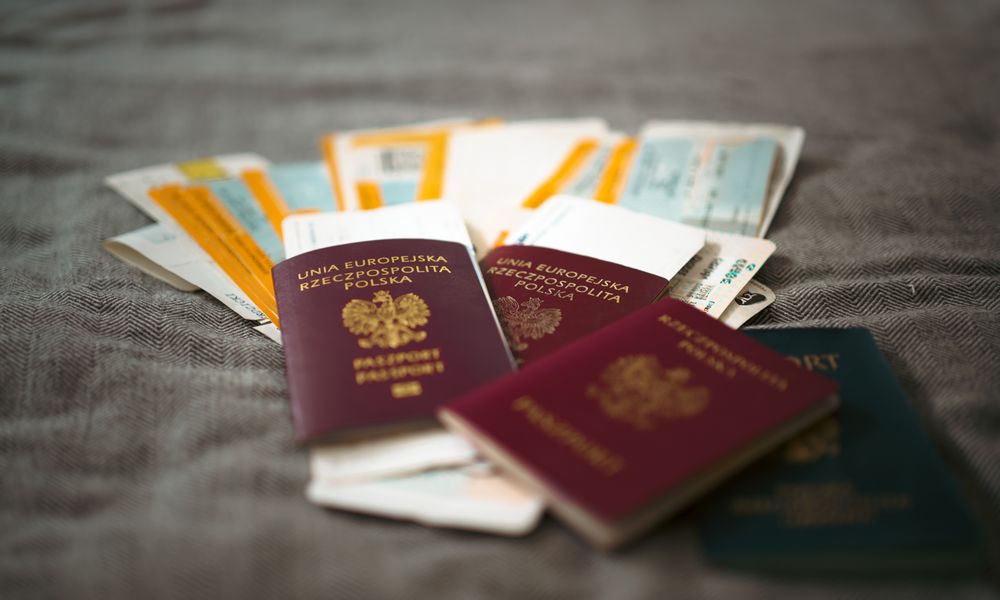
If you are currently traveling in the broader East African region and have upcoming return flights to North America or Europe, you must prepare for significant airport delays and altered routing. Under the CDC and DHS orders, airlines are mandated to screen passenger manifests for anyone who has been in the DRC, Uganda, or South Sudan within the preceding 21 days. If your passport or travel history indicates travel to these countries, the airline will automatically intercept your booking and reroute your flight to Washington-Dulles International Airport (IAD).
Upon landing at IAD, travelers are met by federal health officers and escorted to a secure, segregated area of the airport. The entry screening process consists of several mandatory layers:
- Detailed Questionnaire: Travelers must complete a thorough public health declaration detailing their precise travel history, potential contact with infected individuals, and any current symptoms.
- Physical Assessment: Non-invasive temperature checks and symptom evaluations are performed by CDC clinical personnel.
- Contact Information Verification: Travelers must provide verified, active contact details, including phone numbers, emails, and physical addresses where they will reside for the next 21 days.
- Mandatory Health Monitoring: Once allowed entry, travelers are placed under active public health monitoring coordinated by their local and state health departments, requiring daily symptom reporting and temperature logs for a full 21-day incubation period.
What to Do If You Have Upcoming Travel Plans to the DRC
If you have an upcoming trip booked to the Democratic Republic of the Congo, western Uganda, or South Sudan, the clear and unequivocal guidance from all major international authorities is to cancel or postpone your travel immediately. Continuing with travel plans to these areas carries a severe risk of biological exposure, localized quarantine, and stranded itineraries. To manage your upcoming travel, you should take the following step-by-step actions:
- Contact Your Airline: Reach out to your airline immediately to request a refund or flexible travel voucher. Because the WHO has officially declared a Public Health Emergency of International Concern (PHEIC), many major carriers have activated emergency waiver policies, allowing travelers to change or cancel flights to the region without penalty.
- Review Hotel and Tour Bookings: Contact your accommodation providers and local tour operators. Explain the situation and cite the official government Level 4 travel advisories. Request fee-free cancellations or the option to hold your funds as credit for a future trip once the health emergency has been declared over.
- Audit Your Travel Insurance: Carefully review the fine print of your travel insurance policy. It is vital to know that standard travel insurance policies typically do not cover trip cancellations due to infectious disease outbreaks or government travel warnings unless you purchased the policy prior to the outbreak's official declaration on May 15, 2026. If you have not yet departed, check if your provider offers a "Cancel For Any Reason" (CFAR) upgrade, which provides partial reimbursement regardless of the cause of cancellation.
- Consult Specialized Travel Guides: To understand how to handle travel logistics during international crises and how to process emergency refunds, refer to our travel guides for step-by-step administrative checklists.

How to Stay Safe If You Are Currently in the Region
Essential Safety and Infection Prevention Protocols
For humanitarian workers, diplomatic staff, essential medical personnel, or local residents who are currently in the affected eastern provinces of the DRC or the western districts of Uganda, maintaining absolute adherence to infection prevention and control (IPC) protocols is a critical safety priority. Ebola is a highly lethal disease, but it is not easily contracted through the air like influenza or COVID-19. Instead, the virus is transmitted exclusively through direct contact with the blood, secretions, organs, or other bodily fluids of infected, symptomatic people, or through direct contact with surfaces, materials, or objects (such as medical equipment, bedding, or clothing) that have been contaminated with these fluids. A person is not considered contagious until they begin showing active symptoms of the disease.
To ensure your survival and safety while in the region, you must strictly implement the following protocols:
- Avoid High-Risk Contact: Do not touch, care for, or come within close proximity of anyone displaying symptoms consistent with Ebola, which include sudden fever, severe muscle pain, weakness, vomiting, diarrhea, abdominal pain, or unexplained bruising and bleeding.
- Practice Meticulous Hand Hygiene: Wash your hands frequently and thoroughly with clean, running water and soap. If soap and water are not readily available, utilize an alcohol-based hand sanitizer containing at least 60% alcohol. Avoid touching your eyes, nose, and mouth with unwashed hands.
- Avoid Crowded Places and Medical Facilities: Stay away from busy local markets, public gatherings, and clinics or hospitals that are not explicitly designated as secure Ebola Treatment Units (ETUs). Local health facilities are experiencing severe transmission risks, and several health workers have tragically contracted the virus within non-specialized clinical settings.
- Do Not Touch Deceased Bodies: Traditional burial customs that involve washing, touching, or kissing the body of a deceased person are major drivers of Ebola transmission. If a death occurs in your vicinity, do not touch the body. Immediately contact local health authorities or specialized Red Cross burial teams to arrange a safe, dignified, and bio-secure burial.
- Avoid Bushmeat and Wild Animals: The natural reservoir hosts of Ebola are believed to be fruit bats. Avoid all contact with bats, monkeys, forest antelopes, and other wild animals, both alive and dead. Do not purchase, handle, or consume bushmeat, as handling raw animal flesh is a known pathway for zoonotic transmission.
- Maintain Malaria Prophylaxis: This is a critical and often overlooked safety step. You must continue taking your prescribed malaria prophylaxis medications. The early symptoms of malaria—such as fever, body aches, fatigue, and headaches—mimic the early "dry" symptoms of Ebola perfectly. Developing malaria while in an active Ebola zone will lead to a highly stressful medical scare, unnecessary isolation, and diagnostic confusion that could expose you to actual infected patients in a triage center.
- Establish an Emergency Plan: Ensure all your travel documents, passports, and immunization records are organized, up-to-date, and kept in a secure, easily accessible location. Formulate a concrete emergency evacuation plan and check with your travel insurance provider to ensure that your policy covers specialized medical evacuation by private air ambulance in the event of a severe illness.
- Enroll in STEP: If you are a U.S. citizen, immediately register your presence with the embassy through the Smart Traveler Enrollment Program (STEP). This free service allows the Department of State to send you real-time security alerts and locate you in the event of an emergency. If you require urgent consular assistance, keep the dedicated, 24/7 consular hotlines saved: +1-202-501-4444 (from abroad) or 1-888-407-4747 (from the U.S. and Canada).
Safe Alternative Destinations in Africa for 2026
If your travel plans have been disrupted by the democratic republic of the congo travel advisory 2026, you do not have to cancel your dreams of exploring the natural beauty, rich cultures, and diverse wildlife of the African continent. Africa is a vast landmass composed of 54 distinct nations, and the vast majority of these countries are completely unaffected by the Ebola outbreak in the eastern DRC. By diverting your trip to alternative destinations, you can enjoy an unforgettable, world-class vacation while supporting local tourism economies in highly secure and stable environments.
Exploring the Wonders of Kenya
Kenya remains one of the safest, most developed, and most spectacular travel destinations in East Africa. Located far from the active outbreak zones, Kenya has implemented robust surveillance at its entry points but continues to operate normally, welcoming international tourists without quarantine requirements or domestic travel restrictions.
For wildlife enthusiasts, the legendary Masai Mara National Reserve offers an unparalleled safari experience. Home to the "Big Five" (lions, leopards, elephants, buffaloes, and rhinos), the Masai Mara is globally renowned for the Great Wildebeest Migration, a breathtaking natural spectacle. Travelers can book luxurious, eco-friendly tented camps that offer guided game drives led by expert Maasai warriors.
Beyond the savannah, Kenya features stunning geological wonders such as the Great Rift Valley, the dramatic cliffs of Hell’s Gate National Park, and the snow-capped peaks of Mount Kenya. If you prefer a coastal retreat, the white-sand beaches of Diani Beach on the Indian Ocean offer world-class snorkeling, kite-surfing, and upscale resorts, providing a safe, tranquil oasis for travelers of all profiles.
The Majestic Landscapes of Tanzania
Directly south of Kenya, Tanzania offers an equally magnificent and highly stable alternative for 2026 travelers. Tanzania’s tourism sector is highly professional, exceptionally secure, and completely insulated from the health emergencies affecting the eastern DRC.
The crown jewel of Tanzanian wildlife conservation is the Serengeti National Park. Teeming with vast herds of herbivores and dense predator populations, the Serengeti offers classic African vistas and some of the best hot-air balloon safaris in the world. Adjacent to the Serengeti is the spectacular Ngorongoro Crater, a massive, unbroken volcanic caldera that acts as a natural enclosure for over 25,000 large animals, including the rare black rhinoceros.
For adventurers seeking a physical challenge, Mount Kilimanjaro—the highest peak in Africa—draws thousands of climbers annually to its scenic, well-regulated routes. After a thrilling safari or trek, travelers can take a short flight to the semi-autonomous archipelago of Zanzibar. Known as the "Spice Island," Zanzibar blends fascinating Swahili history in Stone Town with pristine, turquoise-water beaches, making it the perfect, safe ending to an extraordinary East African adventure.

Real-Time Monitoring with TripGuard360
Navigating the Democratic Republic of the Congo Travel Advisory 2026 in Real-Time
In a globalized world, a localized health emergency can trigger a cascade of international travel disruptions in a matter of hours. As demonstrated by the sudden suspension of visa operations, the rapid enactment of airport rerouting mandates, and the abrupt closure of regional land borders in May 2026, relying on outdated travel blogs or static government websites is no longer sufficient to keep you safe. Modern travelers require a dynamic, real-time solution to navigate the complexities of global risk management.
TripGuard360 is a cutting-edge travel safety and monitoring platform designed to provide individual travelers, corporate risk managers, and humanitarian organizations with instant, actionable intelligence. Our platform integrates advanced data analytics with official feeds from the World Health Organization, the CDC, the U.S. Department of State, and global aviation databases to deliver real-time, personalized alerts.
With TripGuard360, you gain access to an array of powerful safety features, including:
- Instant Push Notifications: Receive immediate alerts on your mobile device the moment a government upgrades a travel advisory level, suspends visa operations, or closes a border along your planned route.
- Dynamic Risk Mapping: Visualize active outbreak zones, security hotspots, and the locations of the nearest high-quality medical facilities and western embassies relative to your GPS coordinates.
- Aviation & Flight Tracking: Automatically track flight cancellations, rerouting mandates, and airport screening requirements, allowing you to rebook travel before long queues form at airport service desks.
- 24/7 Consular Directory: Instantly access verified emergency contact numbers and location coordinates for foreign embassies and consulates worldwide, ensuring help is always one tap away.
- Personalized Itinerary Monitoring: Upload your flight, hotel, and transit details, and our system will create a customized safety profile, monitoring every step of your journey for potential health, political, or environmental disruptions.
In a volatile travel landscape, information is your most powerful shield. By replacing uncertainty with real-time clarity, TripGuard360 empowers you to make proactive, intelligent decisions, ensuring that you and your loved ones remain safe, compliant, and secure, no matter where your travels take you.
Conclusion: Stay Safe and Travel Smart in 2026
The active Bundibugyo Ebola outbreak in the Democratic Republic of the Congo is a critical, rapidly evolving health emergency that has rightly triggered a Level 4 Do Not Travel advisory, visa suspensions, and strict international border controls. While this situation poses severe challenges for travel to the DRC and its immediate border regions, it does not mean that travel to Africa must be abandoned entirely. By shifting your plans to safe, stable, and spectacularly beautiful alternative destinations like Kenya and Tanzania, you can still experience the magic of an African safari while completely avoiding high-risk zones.
Whether you choose to postpone your journey, redirect your itinerary, or require constant updates on your current location, having a reliable partner in travel safety is indispensable. Don't leave your health, safety, and travel investments to chance in a volatile global environment. Sign up for TripGuard360 today and experience the peace of mind that comes with real-time, authoritative safety monitoring. Travel smart, stay informed, and protect your journeys with TripGuard360.