Should You Cancel Your Middle East Trip? 2026 Yemen Advisory
Due to a volatile combination of protracted civil war, critical threats to maritime and aviation corridors, and a highly unstable security apparatus, Yemen remains one of the most dangerous destinations in the world. As of 2026, international travel authorities maintain their highest level of warnings for the country, advising citizens of all nations to avoid travel to Yemen and to depart immediately if they are already there.
This comprehensive travel advisory details the ongoing armed conflict, the critical Red Sea security threats, closed airspaces, and the practical steps you must take if you have upcoming travel plans in the Middle East region.
---
Current Situation: Yemen Travel Advisory 2026 Overview
The security situation in Yemen is classified as **CRITICAL**. The nation continues to be ravaged by a complex, multi-sided civil war that began in 2014. Despite intermittent local truces and diplomatic efforts led by regional and international mediators, a sustainable, nationwide peace remains elusive in 2026. The geopolitical landscape is characterized by shifting front lines, ongoing rebel activities, periodic military airstrikes, and a near-total collapse of public infrastructure and basic services.
For international travelers, the dangers are not confined to the ground. The conflict has severely impacted the surrounding maritime and aviation domains, transforming the southern Red Sea, the Gulf of Aden, and the airspace above Yemen into active military zones. Consequently, foreign governments have issued uncompromising warnings against all travel to any part of Yemen, including the mainland and its outlying islands.
### The Civil War and Rebel Activities Inside Yemen
The heart of the ground conflict lies in the battle between the internationally recognized Yemeni government, supported by a Saudi-led coalition, and the Ansarallah movement (commonly known as the Houthis). The Houthis maintain control over the capital city, Sana'a, as well as vast swathes of northern and western Yemen. In addition to the primary civil war, several other armed actors operate within the country, capitalizing on the security vacuum. These include **Al-Qa'ida in the Arabian Peninsula (AQAP)** and affiliates of the **Islamic State (ISIS)**.
These groups regularly plan and execute sophisticated terror attacks targeting public spaces, government buildings, military checkpoints, and transportation hubs. Armed clashes, artillery shelling, and sniper fire are common occurrences near front lines, particularly in central provinces such as Ma'rib, Ta'izz, and Al Bayda'. Furthermore, landmines and unexploded ordnance (UXO) are widely dispersed throughout rural and urban areas alike, posing a continuous, lethal threat to anyone on the ground.
Foreign nationals face an exceptionally high risk of **kidnapping and carjacking**, especially outside of major urban areas. Hostage-taking is utilized by terrorist groups, tribal factions, and criminal syndicates as a tool for financial leverage or political bargaining. Victims can be held in captivity for years under brutal conditions. Because local law enforcement agencies are either non-existent or lack the capability and willingness to respond to serious crimes, foreigners have zero legal or physical protection in the country.
### Red Sea Security Threats and Maritime Escalations
The maritime environment adjacent to Yemen has become a focal point of global security concern. Since late 2023, and continuing aggressively through 2026, the Houthis have launched numerous attacks targeting commercial and military vessels navigating the **Bab-el-Mandeb Strait** and the southern Red Sea. Using an array of sophisticated weaponry—including anti-ship ballistic missiles, land-attack cruise missiles, explosive waterborne improvised explosive devices (WBIEDs), and one-way attack unmanned aerial vehicles (UAVs)—rebel forces have struck or hijacked dozens of merchant ships.
These hostile actions have prompted a robust international military response. A coalition of international navies patrols the Red Sea to protect commercial shipping lanes, frequently intercepting incoming aerial and maritime threats. Additionally, military forces from the United States and the United Kingdom have conducted recurrent **retaliatory airstrikes** against Houthi military installations, missile launch sites, air defense radars, and storage facilities located in rebel-controlled territories, including the port city of Al Hudaydah and areas surrounding Sana'a. These military operations can occur with no warning, creating an incredibly hazardous environment for any maritime traffic and nearby coastal regions.
Civil war conflict ruins military
The Impact on Aviation, Closed Airspace, and Flights
The security crisis in Yemen has had a profound and direct impact on civil aviation. Due to the high-intensity military operations, the widespread deployment of anti-aircraft weaponry, and the unpredictable nature of aerial engagements, the airspace over Yemen is deemed extremely high-risk.
The **Sana'a Flight Information Region (FIR)**, which covers the entirety of Yemen’s landmass and extends over parts of the Red Sea and Gulf of Aden, is subject to severe restrictions. Multiple aviation authorities worldwide have issued strict directives prohibiting or strongly discouraging their domestic carriers from overflying Yemeni airspace.
### Commercial Flight Cancellations and Airspace Restrictions
National aviation regulators have implemented emergency measures to safeguard passenger flights. For example, the United States Federal Aviation Administration (FAA) maintains **SFAR 115**, which prohibits all U.S. air carriers, commercial operators, and FAA-licensed pilots from operating in the Sana'a FIR at any altitude. Similar prohibitions and safety notices (NOTAMs) have been issued by regulators in the United Kingdom, Canada, France, Germany, and Italy.
These closures and flight bans mean that commercial flights routing between Europe, East Africa, Asia, and the Middle East must bypass Yemeni airspace entirely. Consequently, airlines are forced to utilize longer, more expensive flight paths over safer territories, such as Saudi Arabia, Egypt, or East Africa. This has led to:
* **Increased fuel consumption** and higher operating costs for airlines, which are often passed down to consumers.
* **Longer flight times** for transcontinental journeys, occasionally adding hours to standard schedules.
* **Airspace congestion** in neighboring flight corridors, causing cascading delays at major hub airports.
* **Last-minute route modifications** in response to sudden escalations or tactical military maneuvers.
### The Vulnerability of Aviation Corridors in the Middle East
The threat to aviation is not static; it constantly evolves as conflict dynamics shift. While the mainland of Yemen is entirely closed to commercial aviation, outlying areas have also suffered severe disruptions. For instance, the island of **Socotra**, located in the Arabian Sea off the coast of the Horn of Africa, is a territory of Yemen. While historically isolated from the mainland’s violence, Socotra has experienced sudden closures and disruptions.
In early 2026, international travel authorities reported sudden cancellations, closures, and reroutings of commercial flights operating to and from Socotra Island. These disruptions highlight that even geographically isolated regions of Yemen are vulnerable to abrupt, severe transportation shutdowns, leaving travelers stranded without notice and with virtually no consular recourse.
Furthermore, there is an ongoing danger of **GPS jamming and spoofing** in the airspace surrounding the southern Red Sea and the Bab-el-Mandeb Strait. This electronic interference, used by various military actors in the region, can disrupt aircraft navigation systems, requiring flight crews to rely on alternative guidance systems and increasing the cognitive load on pilots operating in these congested corridors.
Flight departure screen cancellation delay
Official Recommendations and Global Travel Advisories
Because of these persistent and severe dangers, global travel authorities are unanimous in their assessment: **do not travel to Yemen under any circumstances**. The recommendations issued by leading democratic governments emphasize that if you choose to enter Yemen despite these warnings, you are putting your life at extreme risk and must do so with the understanding that your government will not be able to rescue you in an emergency.
### Consular Services and Government Assistance Limitations
A critical factor that travelers must understand is the **complete absence of consular support** inside the country.
* **United States:** The U.S. Embassy in Sana'a suspended its operations in February 2015 due to the deteriorating security environment. The U.S. government is entirely unable to provide emergency or routine consular services to U.S. citizens inside Yemen. In its U.S. Department of State's Yemen Travel Advisory, officials explicitly advise citizens to have an emergency departure plan that does not rely on U.S. government intervention.
* **United Kingdom:** The UK Foreign, Commonwealth & Development Office (FCDO) travel advice warns that consular assistance is not available in Yemen. British nationals who choose to ignore this advice and travel to the country must register their presence but should expect zero operational support.
* **Australia & Canada:** The Australian Government's Smartraveller portal and the Government of Canada travel advisory for Yemen echo these warnings, reinforcing that their respective diplomatic missions have no presence in the country and are powerless to assist citizens who are kidnapped, injured, or arrested.
### Severe Health and Medical Risks in Conflict Zones
Beyond the immediate threats of violence and military action, Yemen faces a catastrophic humanitarian and public health crisis. The country’s healthcare infrastructure has largely collapsed due to over a decade of war, leaving more than half of all medical facilities completely non-functional. Those that remain open suffer from chronic shortages of clean water, electricity, basic medicines, and qualified medical staff.
The World Health Organization (WHO) and the Centers for Disease Control and Prevention (CDC) have issued multiple warnings regarding the re-emergence of highly infectious, preventable diseases in Yemen. Travelers are at severe risk of contracting:
* **Cholera:** Large-scale outbreaks of this waterborne disease occur regularly due to contaminated water sources and the destruction of sanitation systems.
* **Polio:** Circulating vaccine-derived poliovirus strains have re-emerged in areas with low vaccination coverage.
* **Measles:** Outbreaks of measles continue to spread unchecked, posing a grave risk to unvaccinated individuals.
* **Dengue Fever and Malaria:** Vector-borne diseases are endemic in many parts of the country.
Because of the critical state of the local healthcare system, any medical emergency—whether a traumatic injury from conflict or a severe illness—requires **international medical evacuation**. However, due to closed airspace and restricted commercial flights, organizing an air ambulance or medical evacuation out of Yemen is virtually impossible and incredibly costly. For more detailed resources on how to handle medical preparedness in high-risk zones, consult our travel safety blog.
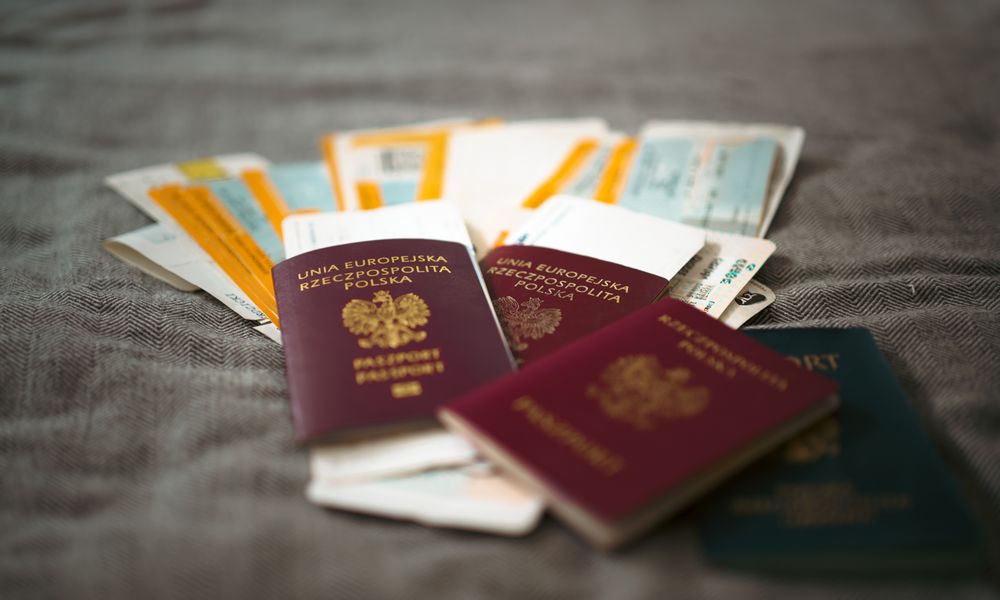
Passport and travel documents immigration
What to Do: Upcoming Travel Plans, Safety, and Alternatives
If you are currently planning travel to the Middle East, or if you are a humanitarian worker or researcher considering travel to Yemen, you must immediately re-evaluate your itinerary. Below are practical guidelines on how to navigate upcoming travel plans safely.
### How to Stay Safe If You Are Currently in Yemen
For those who are already in Yemen, your immediate priority must be securing your departure. If you cannot depart safely due to active fighting or lack of transportation, you must adopt strict, defensive safety protocols:
1. **Shelter in Place:** Avoid all unnecessary movement. Stay indoors in a secure, reinforced structure away from windows and exterior walls.
2. **Establish Communications:** Ensure you have multiple redundant means of communication. Satellite phones, localized SIM cards, and encrypted messaging applications are essential. Keep all devices fully charged and maintain a backup power bank.
3. **Monitor Local News:** Stay informed of local security developments through reputable international news channels, local contacts, and social media feeds.
4. **Register with Your Embassy:** Even though embassies are closed, registering your presence online (such as through the U.S. State Department's Smart Traveler Enrollment Program - STEP) allows government officials to keep you on file and send vital security alerts.
5. **Avoid Crowds and Military Sites:** Steer completely clear of military bases, ports, government facilities, religious sites, and large public gatherings, as these are primary targets for airstrikes and terrorist attacks.
6. **Secure Your Documentation:** Keep your passport, visas, and identification documents in a waterproof, secure container on your person at all times.
For comprehensive guides on how to navigate extreme threat environments and develop robust personal security protocols, explore our travel guides.
### Safe Alternative Destinations in the Middle East
If your heart was set on experiencing the unique architecture, rich history, or dramatic desert landscapes of the southern Arabian Peninsula, there are highly secure, stable alternatives nearby that offer incredible cultural experiences without the extreme risks.
* **The Sultanate of Oman:** Sharing a border with Yemen, Oman is widely recognized as one of the safest and most peaceful countries in the world. It features breathtaking mountain ranges, pristine coastlines, and historic forts. The Omani government maintains strict border security, ensuring that the instability in Yemen does not cross its frontiers.
* **The United Arab Emirates (UAE):** For those seeking modern infrastructure, world-class safety, and rich cultural museums, the UAE is an exceptional alternative. It serves as a major global aviation hub, making travel planning seamless and secure.
* **Jordan:** Boasting iconic historical sites such as Petra and Wadi Rum, Jordan offers deep historical exploration in a stable and welcoming environment, albeit travelers should always monitor broader regional developments.
### Proactive Measures for Travelers with Regional Bookings
If you have booked flights that route near the Middle East, or if you are traveling to countries bordering the Red Sea, take these proactive measures:
* **Confirm Flight Paths:** Contact your airline to verify the routing of your flight. Ensure that the carrier is adhering to international aviation safety guidelines and avoiding high-risk airspaces.
* **Review Travel Insurance Policies:** Check the fine print of your travel insurance policy. Most standard travel insurance policies completely exclude coverage for incidents resulting from **acts of war, civil war, or terrorism**. If you are traveling near high-risk zones, you may need specialized war-risk insurance or high-risk destination coverage.
* **Enroll in Security Alert Programs:** Sign up for real-time security alerts from your home government's consular affairs department to receive immediate notices of airspace closures or geopolitical escalations.
Scenic safe travel destination beach
How TripGuard360 Monitors Yemen Travel Advisory 2026 Alerts in Real-Time
In a rapidly changing geopolitical landscape, relying on outdated or delayed travel warnings can be catastrophic. Whether you are an individual adventurer, a corporate travel manager, or a humanitarian coordinator, having access to real-time, verified security intelligence is vital.
**TripGuard360** is a state-of-the-art travel risk management platform designed to keep you safe in an unpredictable world. Our platform monitors global threat landscapes 24/7, aggregating data from intelligence agencies, local news feeds, aviation authorities, and ground-level security analysts.
With TripGuard360, you receive:
* **Instant Airspace Alerts:** Be the first to know if a Flight Information Region (FIR) is closed, if a NOTAM is issued, or if an airline modifies its flight paths due to tactical threats.
* **Geofenced Threat Notifications:** Receive localized, real-time SMS and email alerts if civil unrest, military strikes, or security incidents occur within your vicinity or along your travel itinerary.
* **Comprehensive Risk Ratings:** Access up-to-date risk assessments for every country and territory, allowing you to make informed decisions before booking.
* **24/7 SOS Integration:** Connect instantly with professional crisis response teams and medical evacuation coordinators if you find yourself in an emergency.
Don't leave your personal safety or the safety of your employees to chance. The year 2026 demands proactive vigilance and cutting-edge technology. Empower yourself with the ultimate travel safety companion.
**Protect your journeys and monitor global travel risks in real-time. Try TripGuard360 today.**
---