Should You Cancel Your Myanmar Trip? 2026 Advisory Update
Myanmar Travel Advisory 2026: Understanding the Intensifying Civil War and Safety Risks
The geopolitical landscape of Southeast Asia has shifted dramatically over the last several years, with Myanmar (formerly Burma) descending into an increasingly volatile and violent civil conflict. Following the military coup in February 2021, the struggle between the ruling military junta—the State Administration Council (SAC)—and a diverse coalition of pro-democracy resistance forces has escalated into a full-scale, nation-wide civil war. As we move through 2026, the situation has reached a critical severity level, characterized by relentless armed clashes, extensive military airstrikes, urban guerrilla warfare, and a near-total collapse of local infrastructure. For international travelers, understanding the depth of this crisis is paramount to personal safety.
If you are planning or considering travel to this region, staying informed through a reliable myanmar travel advisory 2026 is not just a matter of convenience—it is a matter of survival. Multiple Western and regional governments have issued their highest-level warnings, advising their citizens to avoid all travel to the country and, for those already present, to depart immediately via commercial means. This article provides a comprehensive, factual, and reassuring overview of the current situation in Myanmar, detailing the operational realities on the ground, the impact on travel logistics, and how you can safeguard your interests using advanced travel monitoring technology.
The Resurgence of the Civil War in 2026
The conflict in Myanmar is no longer a localized insurgency. Over the past year, various Ethnic Armed Organizations (EAOs) and the newly formed People's Defense Forces (PDFs)—the armed wing of the National Unity Government (NUG)—have launched coordinated offenses that have successfully pushed back military forces in several key regions. The resistance has seized control of critical border crossings, trade routes, and military outposts across Shan, Kachin, Karen, and Rakhine states. This loss of territory has severely weakened the military junta's administrative grip, leading to a highly fractured nation where territorial control changes rapidly and unpredictably.
In response to these strategic losses, the military regime has relied heavily on superior firepower, conducting intense aerial bombardments and heavy artillery shelling. These counter-offensives frequently target not only active combat zones but also civilian infrastructure, including villages, schools, religious sites, and displacement camps. The indiscriminate nature of these military responses means that no region is entirely safe from sudden escalation, and the line between conflict zones and civilian areas has effectively dissolved.
Urban Guerilla Operations and Airstrikes
While rural and border areas remain the primary theaters of conventional combat, urban centers have increasingly become targets for guerrilla operations. In major metropolitan areas, including the commercial capital of Yangon (Rangoon), the administrative capital of Nay Pyi Taw, and the historic city of Mandalay, underground resistance cells frequently conduct targeted operations. These guerrilla actions typically involve the use of Improvised Explosive Devices (IEDs), parcel bombs, and targeted shootings aimed at military personnel, regime administrators, and facilities affiliated with the security forces.
The U.S. Embassy in Yangon has previously tracked an average of six explosions per month within the municipal Yangon area alone, illustrating that urban environments offer no guarantee of safety. These blasts occur near checkpoints, government offices, bank branches, and even public parks or shopping areas frequented by locals and expatriates. Consequently, the risk of collateral damage to foreign nationals is exceptionally high, and the threat of being caught in a sudden skirmish or bomb blast is a constant reality in Myanmar's major cities.

What Travelers Need to Know Right Now
For any traveler, the first and most critical piece of advice regarding Myanmar in 2026 is simple: do not travel. The security situation is highly volatile, unpredictable, and deteriorating. International travel to the country carries extreme risks, including the threat of physical harm from ongoing military operations, arbitrary detention by local authorities, and a complete lack of emergency consular assistance should you find yourself in danger.
The regime's enforcement of local laws is highly arbitrary, and foreigners are viewed with deep suspicion. Simple actions, such as taking photos of a bridge, a security checkpoint, or a government building, can result in charges of espionage or assisting the resistance, leading to immediate arrest and long-term imprisonment under harsh conditions. Additionally, the country's civil infrastructure, including electricity, telecommunications, and banking services, is severely compromised, making day-to-day survival incredibly challenging for anyone without specialized support.
Official Myanmar Travel Advisory 2026 Classifications
When reviewing the myanmar travel advisory 2026 updates, the consensus among global travel authorities is unanimous. The U.S. Department of State's Burma Travel Advisory maintains a strict Level 4: Do Not Travel status. This is the highest advisory level issued by the U.S. government, indicating a wide range of life-threatening risks including armed conflict, civil unrest, poor health infrastructure, and wrongful detentions.
Similarly, the Australian Government's Smartraveller portal classifies Myanmar under its highest warning level: Do Not Travel (Red Alert). Australia warns that the security environment can become unstable at exceptionally short notice, and advises its citizens that the government's ability to provide consular assistance is extremely limited. The UK Foreign, Commonwealth & Development Office (FCDO) travel advice likewise advises against all travel to the vast majority of the country, emphasizing the threat of landmines, arbitrary arrest, and air strikes.
High-Risk Areas and No-Go Zones
While the entire country is deemed high-risk, certain provinces and states are classified as active combat zones where travel is functionally impossible and carries an immediate risk of death. These regions include:
- Rakhine State: Scene of intense fighting between the military and the Arakan Army. Ground transportation is non-existent, and heavy artillery and airstrikes frequently target major towns.
- Shan State (North and South): Major trade routes are heavily contested by various EAOs, with frequent roadblocks, clashes, and a high concentration of newly laid landmines.
- Sagaing and Magway Divisions: These central regions are hotbeds for the PDF resistance and have been subjected to the most severe scorched-earth campaigns and aerial bombardments by the military junta.
- Kachin, Kayah, and Kayin States: Active conflict zones with ongoing heavy infantry combat, artillery shelling, and displaced populations.
Even previously popular tourist areas, such as the ancient temple city of Bagan, the serene waters of Inle Lake, and the beaches of Ngapali, are no longer safe. Access to these destinations requires crossing heavily militarized territories where travelers are highly likely to encounter checkpoints, forced detentions, or crossfire.
Flights, Visas, and Logistics: What is the Real-World Impact?
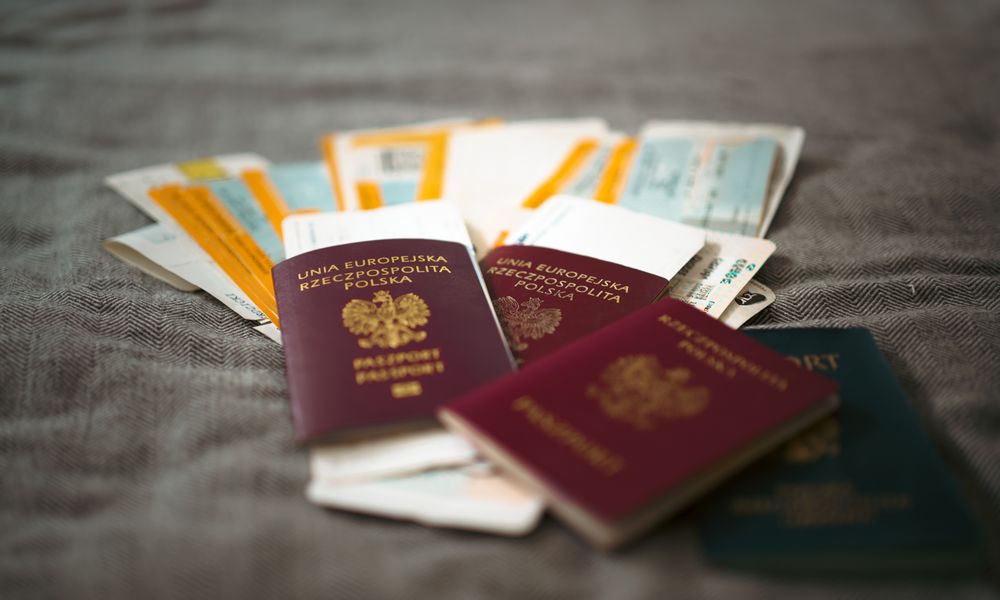
The logistical framework of traveling to and within Myanmar has practically disintegrated under the weight of the civil war. While the military regime occasionally attempts to project a sense of normalcy by issuing tourist e-visas and encouraging travel to designated zones, the reality on the ground is highly restrictive and dangerous. Obtaining a visa does not guarantee entry, and even if you are permitted to enter, your movements will be heavily scrutinized, restricted, and monitored by military intelligence.
Overland border crossings are particularly perilous. Almost all international land borders—including those with Thailand, India, Bangladesh, and China—are either completely sealed, subject to sudden closures, or controlled on the Myanmar side by armed rebel groups. Attempting to cross these borders without official, highly coordinated authorization can result in immediate arrest, deportation, or being caught in active military crossfire.
Flight Cancellations, Airport Closures, and Ground Delays
Air travel, which was once the safest way to navigate the country, is now plagued by disruptions and safety concerns. The main gateway, Yangon International Airport (RGN), remains operational for a limited number of international flights, primarily connecting to regional hubs like Bangkok, Singapore, and Guangzhou. However, these flights are subject to sudden cancellations or schedule changes depending on the security environment, fuel availability, and local curfews.
Domestic aviation is in a state of crisis. Domestic airports in provincial capitals, such as Loikaw, Lashio, Kalay, and Sittwe, have been closed repeatedly due to nearby fighting, rocket attacks, or rebel drone activity. Furthermore, domestic airlines suffer from severe fuel shortages and a lack of maintenance parts due to international sanctions, raising serious concerns about the safety and airworthiness of operating aircraft. Ground travel between cities is highly discouraged, as highways are heavily mined, dotted with hostile checkpoints, and prone to ambush.
The Insurance Crisis: Why Standard Policies Are Void
One of the most significant, yet frequently overlooked, risks of traveling to Myanmar in 2026 is the complete lack of travel insurance coverage. An estimated 85% of standard travel insurance policies are automatically voided the moment you enter a country that is under a "Do Not Travel" advisory from your home government. This means that if you choose to ignore the myanmar travel advisory 2026 and enter the country, you will have absolutely no coverage for:
- Medical Emergencies: Standard medical treatments, hospitalization, or emergency surgeries.
- Medical Evacuations: Air ambulance transfers from Yangon to advanced medical facilities in Bangkok or Singapore, which routinely cost between $50,000 and $100,000 USD out of pocket.
- Trip Interruptions and Cancellations: Lost luggage, flight delays, or cancellations due to civil unrest or military actions.
Without valid insurance, any medical crisis or emergency extraction must be entirely self-funded. Given that Western embassies will not cover these costs or assist in physical evacuations, traveling to Myanmar represents an immense and potentially ruinous financial hazard.

Official Recommendations from International Authorities
International governmental and health organizations have issued clear, stark warnings regarding the compounding crises in Myanmar. These recommendations are designed to protect international citizens and highlight the severe limitations of local infrastructure, which cannot support foreign nationals in the event of an emergency.
Governments strongly emphasize that they cannot guarantee the safety of their citizens in Myanmar. If you travel to the country, you must do so with the understanding that you are largely on your own, and that standard diplomatic channels may be completely ineffective in securing your release should you be detained by the military regime.
US, UK, and Australian Government Warnings
The U.S. Embassy in Yangon continually warns that the military regime routinely detains individuals without due process, denies consular access, and enforces laws arbitrarily. Foreigners have been arrested for expressing opinions online, possessing unauthorized walkie-talkies or drones, or simply being in the vicinity of peaceful protests. The Australian government echoes these warnings, noting that some foreigners have been caught in massive cyber-scam networks operating in lawless border regions, where they are held in forced labor camps under horrific conditions.
Furthermore, there is a critical warning for dual nationals. If you hold dual citizenship (e.g., Australian-Myanmar or US-Myanmar), the military junta does not recognize your foreign citizenship while you are on Myanmar soil. Under local law, you are treated solely as a Myanmar citizen. This means you are subject to the junta's mandatory military conscription laws, which require young men and women to serve in the armed forces. Foreign embassies will be unable to prevent your conscription, intervene in your detention, or facilitate your departure from the country.
Healthcare Infrastructure and Medical Risks
The ongoing civil war has caused a near-total collapse of Myanmar's healthcare system. Following the 2021 coup, thousands of doctors, nurses, and medical professionals joined the Civil Disobedience Movement (CDM), refusing to work in state-run hospitals. This has left public medical facilities severely understaffed, underfunded, and lacking basic medical supplies, sterile equipment, and reliable electricity. Private clinics are expensive, concentrated entirely in Yangon and Mandalay, and often lack the capacity to treat complex trauma or severe illnesses.
Health authorities, including the World Health Organization (WHO) and the Centers for Disease Control and Prevention (CDC), warn of elevated risks of infectious diseases. Poor sanitation, coupled with infrastructure damage from a powerful 7.7 magnitude earthquake that struck central Myanmar near Sagaing and Mandalay in early 2025, has led to a dramatic spike in waterborne illnesses such as typhoid, cholera, and hepatitis A and E. Vector-borne diseases like dengue fever and malaria are also highly prevalent, particularly in low-lying rural areas. If you require regular prescription medications, you should be aware that importing or purchasing authentic medicines within Myanmar is exceedingly difficult due to broken supply chains.

What to Do if You Have Upcoming Travel Plans to Myanmar
If you have already booked a trip to Myanmar or are currently holding tickets for travel in 2026, the strongest recommendation from all security analysts is to cancel or indefinitely postpone your journey. The risks to your physical safety, financial security, and legal well-being far outweigh any cultural or tourist benefits the country has to offer.
Taking proactive steps to manage your bookings can help minimize financial losses while ensuring you remain out of harm's way. Below are the key actions you should take immediately if you have upcoming travel plans to the region.
Steps to Postpone or Cancel Your Trip Safely
First, contact your airline and accommodation providers immediately. While standard travel insurance may be voided if you travel, many airlines offer flexible cancellation or rebooking policies for flights to destinations under active government travel warnings. Present your airline with the official Level 4 or Red Alert advisories from your government as supporting documentation to request a full refund or travel credit.
If you booked through a tour operator or travel agency, inquire about their security waivers. Many ethical travel agencies have suspended their Myanmar operations due to the ethical and safety implications of supporting a regime-linked tourism sector. If you must travel to the region for critical humanitarian or journalistic reasons, you must bypass standard travel insurance and secure highly specialized high-risk zone insurance (such as Battleface or Hotspot Cover) that specifically covers active conflict zones, political evacuation, and kidnapping.
Secure Alternative Destinations in Southeast Asia
If you are eager to experience the rich Buddhist culture, stunning ancient temples, and warm hospitality of Southeast Asia, there are several incredibly safe, stable, and highly rewarding alternatives to Myanmar. We highly recommend exploring our travel safety blog and checking out our travel guides to plan an unforgettable journey to one of these nearby destinations:
- Northern Thailand (Chiang Mai & Chiang Rai): Offers a remarkably similar cultural landscape to Myanmar, with exquisite Lanna-style Buddhist temples, lush mountain jungles, vibrant night markets, and sanctuary spaces for elephant conservation, all within a highly secure and tourist-friendly environment.
- Luang Prabang, Laos: A UNESCO World Heritage site situated along the Mekong River. Luang Prabang provides a tranquil, deeply spiritual atmosphere, complete with preserved French colonial architecture, active Buddhist monasteries, and stunning natural waterfalls, without the security risks of civil conflict.
- Siem Reap, Cambodia: Home to the magnificent Angkor Wat temple complex. Siem Reap offers an ancient archaeological experience that easily rivals Bagan, supported by a robust tourism infrastructure, excellent dining, and high-quality medical facilities.
Essential Safety Protocols for Those Currently in the Country
If you are an expatriate, humanitarian aid worker, or international citizen who is currently on the ground in Myanmar, you must exercise extreme vigilance and implement strict personal security protocols. The environment is highly unpredictable, and a seemingly calm neighborhood can transition into an active conflict zone or a target for military action within minutes.
Your primary goal must be to maintain a low profile, keep your lines of communication open, and have a fully formed, independent evacuation plan ready for immediate execution. Do not rely on foreign embassies or military extractions, as these are highly unlikely to occur under current diplomatic conditions.
Minimizing Risks on the Ground in Yangon and Beyond
To reduce your exposure to violence and legal jeopardy while in Myanmar, adhere to the following safety protocols:
- Avoid Public Gatherings and Demonstrations: Protests can occur spontaneously and are met with immediate, lethal force by security forces. Stay far away from any crowds, political rallies, or military convoys.
- Strictly Observe Curfews: Many municipalities, including Yangon and Mandalay, enforce strict night-time curfews. Violating these curfews can lead to immediate arrest or being fired upon by armed patrols.
- Practice Digital Hygiene: Security forces routinely stop individuals at checkpoints and demand to search their mobile phones and laptops. Erase any photos of checkpoints, military personnel, or protests. Remove any social media comments, shared news articles, or messages that could be interpreted as anti-junta or supportive of the resistance. Keep a clean secondary phone if possible.
- Avoid Off-Road Travel: Landmines and unexploded ordnance (UXO) are widespread across rural areas and along roadsides. Never walk off well-beaten paths, and do not touch any metallic or unfamiliar objects.
Emergency Preparedness, Comms, and Evacuation Strategy
In a hyper-volatile environment, preparation is your best defense. Ensure you have a substantial cash reserve in clean, crisp, uncreased U.S. Dollars, as local ATMs frequently run out of cash, and local currency (the Myanmar Kyat) is highly unstable and difficult to exchange during crises. Ensure your travel documents, passports, and visas are kept in a secure, waterproof "go-bag" alongside emergency medical supplies, water purification tablets, and non-perishable food.
Establish a redundant communication plan with your family and employers. Internet and mobile networks are frequently shut down by the junta to disrupt resistance activities. Use secure, encrypted messaging apps (like Signal) via a reliable Virtual Private Network (VPN), but be aware that the junta has banned many VPNs, so use them with discretion. Most importantly, register your presence with your home country's embassy through programs like the **Smart Traveler Enrollment Program (STEP)** for U.S. citizens, which allows embassies to contact you or send critical safety updates in real-time.
Real-Time Monitoring: How TripGuard360 Protects Travelers
Navigating the rapid, unpredictable shifts of geopolitical conflicts requires more than static travel advisories. In 2026, safety relies on dynamic, real-time intelligence that bridges the gap between official government reports and on-the-ground realities. This is where TripGuard360 becomes an indispensable tool for international travelers, corporate security teams, and expatriates worldwide.
While traditional travel advisories are updated periodically—sometimes weeks or months after a situation changes—TripGuard360 provides continuous, automated monitoring of global security threats. By synthesizing data from thousands of authoritative sources, including foreign ministries, local news outlets, intelligence feeds, and weather bureaus, TripGuard360 delivers the precise safety information you need, exactly when you need it.
Instant Security Alerts and Geo-Tracking
TripGuard360 features an advanced, AI-driven alert system that monitors your specific travel itinerary and geographical location. If a clash erupts, an airport closes, or a security curfew is declared near your position, the platform immediately sends an automated SMS, email, or push notification directly to your device. This rapid alert capability ensures you can make critical decisions and evacuate high-risk zones before local infrastructure becomes completely congested or shut down.
For corporate entities and organizations with personnel deployed abroad, TripGuard360 offers a comprehensive Duty of Care dashboard. Security managers can track the live location of employees, monitor active threat levels in their vicinity, and initiate emergency communication protocols instantly. This capability is vital in complex conflict environments like Myanmar, where a delay of even a few minutes can mean the difference between safety and severe danger.
Stay Informed with Up-To-Date Travel Advisories
In addition to active tracking, TripGuard360 provides a centralized, easy-to-navigate repository of global travel advisories, custom safety ratings, and historical risk analysis. The platform translates complex, dense governmental warnings into clear, actionable safety guidelines, helping you understand the true nature of risks before you even book a flight.
Whether you are analyzing the safety of regional flights, evaluating the political stability of an alternative destination, or looking for up-to-the-minute health guidelines from the CDC and WHO, TripGuard360 aggregates this data into a single, intuitive interface. It empowers you to travel smarter, react faster, and maintain complete situational awareness in a turbulent world.
Do not leave your personal safety to chance. As geopolitical volatility continues to rise throughout 2026, having a dedicated digital guardian in your pocket is essential. Sign up for TripGuard360 today, and gain the peace of mind that comes with knowing you have the world's most sophisticated travel security monitoring platform watching over your next journey.