Should You Cancel Your Ukraine Trip? 2026 Advisory Update
Ukraine Travel Advisory 2026: An Overview of the Current Critical Situation
The security situation in Ukraine remains exceptionally volatile and dangerous as the country continues to endure a full-scale armed conflict. For anyone seeking a comprehensive ukraine travel advisory 2026, the directive from global security experts and international governments is clear and absolute: do not travel to Ukraine under any circumstances. The country is currently under martial law, and active military operations are taking place across multiple fronts, primarily in the eastern and southern regions. However, the threat is not confined to the frontlines; the entire nation, including western provinces once considered relatively isolated from ground combat, remains subject to frequent, unpredictable, and devastating long-range attacks.
Nationwide, civilian areas, residential buildings, and critical municipal infrastructure are regularly targeted by missile strikes, hypersonic weapons, and explosive drone attacks. These hostilities have caused severe disruptions to electricity, heating, water, and telecommunications networks. Traveling to or within Ukraine at this time poses an immediate threat to life, and foreign governments are heavily restricted in their ability to provide consular assistance or organize emergency evacuations for their citizens who choose to ignore these warnings.
Active Military Operations and High-Risk Zones in Ukraine
The ground war in Ukraine is characterized by heavy artillery shelling, trench warfare, and urban combat. The most intense military operations are concentrated in the eastern oblasts—including Donetsk, Luhansk, and Kharkiv—as well as southern regions like Zaporizhzhia, Kherson, and Mykolaiv. These areas are characterized by active frontlines where control can shift rapidly, and the presence of landmines and unexploded ordnance presents a long-term, lethal hazard to anyone in the vicinity.
Even if you are planning to visit regions farther from the frontlines, such as Lviv, Zakarpattia, Ivano-Frankivsk, or the capital city of Kyiv, you are not safe. Russian military forces utilize long-range precision weaponry, including cruise missiles and loitering munitions (drones), to strike targets nationwide. Cities in western Ukraine, which serve as primary transit hubs for humanitarian aid and diplomatic missions, are routinely targeted to disrupt supply chains and demoralize the civilian population. There is no region in Ukraine that can be classified as safe or free from the threat of sudden military violence.
Air Raid Sirens and Nationwide Infrastructure Under Threat
Air alerts are a daily reality for residents in every major Ukrainian city. When Ukrainian air defense systems detect incoming missiles or drone swarms, sirens sound nationwide, signaling that all individuals must immediately seek shelter. These alerts can occur at any hour of the day or night, often lasting for several hours. While Ukraine's air defense capabilities have proven highly resilient, falling debris from intercepted missiles and drones still poses a catastrophic danger to people on the ground.
The targeted destruction of Ukraine's energy grid has resulted in widespread, prolonged power outages, heating failures, and water shortages. During peak winter months, the lack of reliable heating and electricity can create life-threatening conditions, particularly in high-density urban centers. Furthermore, local medical facilities are under immense strain, prioritizing military casualties and emergency trauma care. Routine medical services, specialized treatments, and pharmaceutical supplies are severely limited, making it extremely difficult for travelers to receive adequate healthcare in the event of an emergency or sudden illness.

The Impact of Closed Airspace on Ukraine Travel 2026
One of the most critical logistical barriers to entering or leaving the country is the status of its skies. Since the outbreak of full-scale hostilities on February 24, 2022, the Ukrainian government has maintained a 100% closure of its airspace to all civilian and commercial aircraft. This closure remains strictly in effect in 2026. Because the skies are classified as an active combat zone, commercial airlines cannot operate, and any unauthorized civilian aircraft attempting to enter Ukrainian airspace risks being targeted and shot down by advanced air defense networks operating throughout the region.
Consequently, there are absolutely no direct flights to Kyiv, Lviv, Odesa, or any other Ukrainian airport from international destinations. Travelers must rely entirely on overland transportation networks, which are highly congested, heavily monitored, and subject to sudden closures or disruptions based on the security environment on the ground.
Complete Suspension of Civilian and Commercial Flights
For those accustomed to booking flights to Eastern Europe, the reality of the ukraine travel advisory 2026 requires a complete shift in travel planning. Major international carriers have suspended all ticketing, routing, and code-share agreements to Ukraine indefinitely. Flight departure boards across Europe show no listings for Ukrainian cities, and regional airports in neighboring countries have adjusted their operations to serve as final destination points for those traveling toward the border.
Because the airspace is entirely closed, the traditional safety nets associated with commercial air travel—such as rapid repatriation, airline-organized evacuations, and standard travel insurance flight protections—are completely unavailable. If you enter Ukraine, you must do so with the understanding that air evacuation is impossible, and you will be entirely reliant on ground routes to exit the country, regardless of how urgent your situation becomes.
Border Crossings and Land Transit Routes into Ukraine
With the airspace closed, the only entry and exit options are overland borders shared with neighboring European countries. Ukraine shares active, open land borders with Poland, Slovakia, Hungary, Romania, and Moldova. However, all border checkpoints with the Russian Federation and Belarus, as well as the segment bordering the breakaway region of Transnistria in Moldova, are completely closed to civilian transit due to active military hostilities and high security risks.
If you must travel overland, you should prepare for extreme delays and stringent security checks. The primary land transit options include:
- International Rail Networks: State-run train services, operated by Ukraine's national railway company, Ukrzaliznytsia, in partnership with neighboring rail networks like Poland's PKP Intercity and Slovakia's ZSSK, remain the most reliable way to cross the border. Key routes run from Przemyśl and Warsaw (Poland), Košice (Slovakia), and Budapest (Hungary) directly to Kyiv and Lviv. These trains are heavily booked, often weeks in advance, by returning citizens, humanitarian workers, and diplomatic staff.
- Road Border Crossings: Crossing by bus or private vehicle is possible at major checkpoints such as Medyka-Shehyni or Korczowa-Krakovets on the Polish border. However, these checkpoints experience massive vehicle queues, with wait times occasionally exceeding 20 to 30 hours. Additionally, road travel inside Ukraine is highly dangerous due to military checkpoints, curfew restrictions, and the threat of missile strikes on transport infrastructure.
- Pedestrian Crossings: Some border checkpoints, such as Medyka, permit pedestrian crossings. While faster than vehicular transit, pedestrians must be prepared for long queues, exposure to harsh weather conditions, and rigorous luggage inspections by border security personnel.

Official Recommendations and Global Government Travel Advisories
Virtually every major sovereign government has issued its highest level of warning regarding travel to Ukraine. These official declarations reflect the extreme danger present on the ground and serve to warn citizens that if they choose to travel to Ukraine, they do so at their own personal and financial risk. Governments emphasize that they cannot guarantee the safety of their citizens and have highly limited capacities to assist those who find themselves in danger.
These advisories are updated regularly to reflect the changing dynamics of the conflict, but the core recommendation has remained unchanged: do not travel. If you are currently in Ukraine, you are strongly urged to depart immediately using privately available land transportation options, provided it is safe to do so.
US State Department and UK FCDO Warning Levels
The U.S. Department of State Travel Advisory for Ukraine maintains a strict Level 4: Do Not Travel warning. The State Department warns U.S. citizens that the U.S. government is unable to assist them in Ukraine, and that those who travel to the country despite the warning may face severe consequences, including injury, capture, or death. The advisory highlights that the U.S. Embassy in Kyiv is operating with restricted staff and has extremely limited capability to provide emergency consular services to American citizens outside of the capital region.
Similarly, the UK Foreign, Commonwealth & Development Office (FCDO) advises against all travel to Ukraine. While the FCDO has made minor, highly restricted exceptions for essential travel to specific western regions under strict corporate security protocols, it maintains an absolute "against all travel" stance for the vast majority of the country. The UK government emphasizes that British nationals should not expect in-person consular support if they choose to travel to active conflict zones. Additionally, the Government of Canada's Ukraine travel page and Australia's Smartraveller portal echo these sentiments, reinforcing that standard diplomatic protections are functionally suspended within Ukraine's borders due to the ongoing war.
Essential Travel Insurance and War-Risk Coverage Limitations
An often-overlooked aspect of traveling to a conflict zone is the immediate invalidation of standard travel insurance policies. If you travel to a country that is subject to an active Level 4 travel advisory or a clear "Do Not Travel" warning from your home country, standard travel medical, trip cancellation, and evacuation insurance policies will not cover you. This means that if you are injured by a missile strike, contract a severe illness, or require emergency medical evacuation, you will be personally responsible for 100% of the financial costs, which can easily reach hundreds of thousands of dollars.
For those who are legally required to travel—such as accredited journalists, human rights observers, or humanitarian aid workers—securing specialized war-risk insurance is mandatory. These specialized policies are highly expensive, require detailed security plans, and must be negotiated through niche underwriters. They typically cover specific, pre-approved itineraries and exclude coverage if the policyholder actively approaches active combat zones or fails to adhere to strict safety protocols, such as seeking shelter during air raid alerts.

Staying Safe: Crucial Survival Strategies If You Are Already in Ukraine
If you are currently inside Ukraine—whether working in a humanitarian capacity, visiting family, or performing essential professional duties—you must adopt a highly disciplined approach to personal safety. The environment requires constant situational awareness, an understanding of local emergency protocols, and the flexibility to adapt to rapidly changing security conditions. Neglecting basic safety measures can have immediate, fatal consequences.
In a country under martial law, your daily routine must be structured around the reality of potential military strikes and civil restrictions. By understanding how to react to alerts, secure emergency provisions, and comply with military authorities, you can significantly mitigate the risks associated with being in a high-conflict environment.
Navigating Air Alerts and Locating Bomb Shelters
The moment you hear an air raid siren or receive an alert on your smartphone, you must take immediate action. Do not wait to see if others are seeking shelter; immediately move to a secure location. To ensure you receive timely notifications, you must download the official Ukrainian government warning application, "Air Alert" (Повітряна тривога), which provides real-time, localized audio alerts even when your phone is set to silent. Additionally, monitoring localized Telegram channels that track airspace activity can give you crucial minutes of advance warning before missiles or drones reach your sector.
When seeking shelter, prioritize the following structures:
- Deep Underground Metro Stations: In major cities like Kyiv and Kharkiv, underground subway stations are designed to serve as highly effective bomb shelters, capable of withstanding heavy bombardment. They are equipped with water, basic sanitation, and emergency power.
- Dedicated Civil Defense Shelters: Look for yellow signs or stencils on buildings marked "УКРИТТЯ" (Shelter), which indicate basement spaces designated for public safety. Ensure you know the location of the nearest shelter to your accommodation and workplace.
- The "Two-Walls" Rule: If you cannot reach a dedicated shelter, seek refuge in an interior room of a concrete building, such as a hallway or bathroom, with no windows. Position yourself so that there are at least two solid walls between you and the outside. The first wall will absorb the blast of an explosion, while the second wall will protect you from flying shrapnel and shattered glass.
Curfews, Martial Law, and Emergency Evacuation Plans
Ukraine remains under martial law, which grants military authorities broad powers to restrict civilian movement, conduct searches, and enforce strict security protocols. Curfews are enforced in every region, though the specific hours vary by municipality. For example, in Kyiv, curfew is typically observed from midnight to 5:00 AM, while regions closer to the frontlines may have significantly longer curfew hours. During curfew, it is strictly illegal to be on the streets or in public spaces without a special military-issued permit. Violations can result in immediate detention, heavy fines, or being treated as a security threat by military patrols.
Additionally, you must carry your physical passport and entry documents with you at all times. Military checkpoints are positioned along all major roadways and at the entry points of cities. When approaching a checkpoint, dim your vehicle's headlights, turn on your interior dome light, keep your hands visible on the steering wheel, and follow all instructions from armed personnel. It is strictly prohibited to photograph or film military checkpoints, equipment, personnel, or damaged infrastructure. Doing so is a severe criminal offense under Ukrainian wartime law and will result in the confiscation of your equipment and immediate arrest.
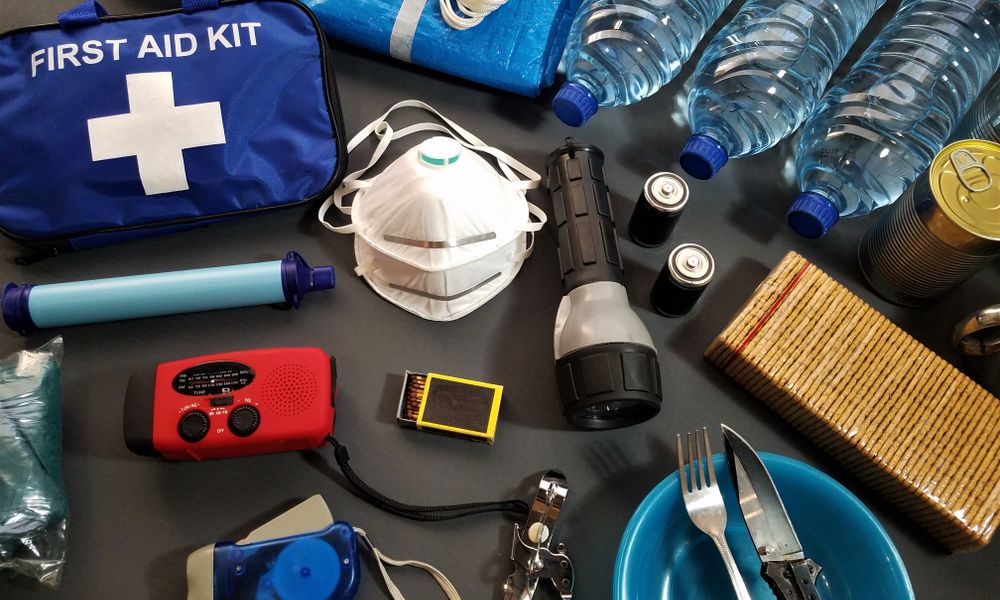
Finally, always maintain a fully prepped emergency "go-bag" (or bug-out bag) containing your passport, cash in local currency (UAH) and US dollars or Euros, a portable power bank, a first-aid kit with trauma supplies, a flashlight, water purification tablets, and at least three days' worth of non-perishable food. Ensure you have a clear, pre-planned land evacuation route mapped out to the nearest Western border crossing, and do not rely on cellular service, as networks can be disabled during military operations.
Safe Alternative Destinations to Ukraine and Upcoming Travel Decisions
Given the critical severity of the ukraine travel advisory 2026, leisure travel, tourism, and non-essential business travel to Ukraine are completely unfeasible. Fortunately, Europe offers numerous incredibly safe, culturally rich, and highly rewarding alternative destinations that allow you to experience stunning architecture, rich history, and warm hospitality without exposing yourself to the extreme dangers of an active war zone.
By redirecting your travel plans to secure nations in Eastern and Central Europe, you can enjoy a peaceful vacation while supporting regional economies that have welcomed millions of displaced individuals. Exploring these alternatives is highly recommended for any traveler seeking safe and meaningful experiences.
Secure Eastern European Alternatives to Explore
If you are looking for safe alternatives to Ukraine, several neighboring countries offer comparable historical depth, vibrant urban cultures, and beautiful landscapes. We highly recommend checking out our travel guides to plan your journey to these secure, highly accessible destinations:
- Poland (Kraków, Gdańsk, and Warsaw): Poland boasts a magnificent cultural heritage, world-class museums, and beautifully reconstructed medieval old towns. Kraków, with its stunning Wawel Castle and vibrant culinary scene, is exceptionally safe and welcoming. Gdańsk, situated on the Baltic coast, offers a unique maritime history and breathtaking architecture. Poland is a member of NATO and the European Union, providing travelers with the highest standards of safety, infrastructure, and comfort.
- Romania (Transylvania and Bucharest): Romania offers a mesmerizing blend of dramatic natural landscapes, gothic castles, and vibrant urban centers. Explore the legendary Carpathian Mountains, visit the historic castles of Brasov, or enjoy the bustling cafes of Bucharest. Romania is highly affordable, safe, and offers excellent rail and road connectivity for international tourists.
- Slovakia (Bratislava and the High Tatras): For nature enthusiasts and history lovers, Slovakia is an ideal alternative. The capital city, Bratislava, sits peacefully along the Danube River and features a charming pedestrian-only old town. Meanwhile, the High Tatras mountain range provides spectacular hiking, skiing, and wellness resorts in a highly secure environment.
- The Baltic States (Estonia, Latvia, and Lithuania): These three northern European nations offer incredible safety, cutting-edge digital infrastructure, and pristine natural beauty. From the fairy-tale cobblestone streets of Tallinn (Estonia) to the stunning art nouveau architecture of Riga (Latvia) and the historic charm of Vilnius (Lithuania), the Baltics are a traveler's paradise.
What to Do If You Have Active Bookings to Ukraine
If you have upcoming travel plans, bookings, or reservations in Ukraine, you should immediately take steps to cancel or postpone them. Because Ukrainian airspace is closed, any flight bookings you held that routed into Ukraine should have already been automatically canceled by the operating airlines, entitling you to a full refund or travel voucher. If you booked land transport (such as international trains from Poland or regional bus services), contact the providers immediately to inquire about their wartime cancellation and refund policies.
For hotel reservations, apartment rentals, or guided tours booked within Ukraine, reach out to the booking platforms or directly to the local proprietors. While many Ukrainian businesses are doing their best to accommodate international guests, please keep in mind that local operators are dealing with extraordinary wartime challenges. Be patient and polite, but firm, in requesting cancellations. To understand more about managing disrupted travel plans and navigating travel refunds during global crises, you can explore the extensive resources available on our travel safety blog.
If you have upcoming bookings, follow this structured list of actions to protect your finances and secure your safety:
- Contact Your Transportation Providers: Reach out to train, bus, or airline operators to request formal cancellation confirmations and initiate refund requests.
- Initiate Accommodation Cancellations: Message your hotel or vacation rental host directly. If you booked through a third-party platform (like Booking.com or Airbnb), leverage their "force majeure" or extenuating circumstances policies to secure a full refund.
- File a Claim with Your Credit Card: If a merchant refuses to refund a booking for travel that is physically impossible or legally advised against by your government, contact your credit card issuer to file a dispute under "services not rendered" or utilize any built-in trip protection benefits your card offers.
- Redirect Your Itinerary: Use the refunded capital to rebook your travel to a safe, stable destination in neighboring EU countries.
How TripGuard360 Simplifies Travel Risk Monitoring in 2026
In a rapidly changing global security landscape, staying informed about travel advisories and geopolitical shifts is essential for your peace of mind and physical safety. The situation in Ukraine is a stark reminder of how quickly a region can transition from a popular tourist destination to a highly critical conflict zone. Keeping track of changing government advisories, airspace closures, and local safety alerts can be overwhelming if you are relying on manual searches and fragmented news sources.
This is where TripGuard360 becomes an indispensable tool for the modern traveler. TripGuard360 is a state-of-the-art travel security platform that monitors global travel advisories, conflict updates, health notices, and weather alerts in real-time. By compiling data from hundreds of verified government, diplomatic, and intelligence sources worldwide, TripGuard360 delivers instant, personalized security alerts directly to your smartphone or inbox, ensuring you are never caught off guard by a sudden crisis.
With TripGuard360, you can input your travel itineraries and receive automated risk assessments, customized safety checklists, and immediate push notifications if a security alert is issued for your destination. Whether you are navigating corporate travel, planning a family vacation, or coordinating humanitarian missions, our platform provides the real-time intelligence you need to make informed decisions and stay out of harm's way.
Do not leave your travel safety to chance. Stay ahead of changing advisories, secure your peace of mind, and travel with confidence knowing that a dedicated team of security analysts and advanced AI monitoring systems are watching over your journey. Experience the ultimate in travel security and risk management today.
Protect your next journey. Sign up for TripGuard360 today and access real-time travel alerts, comprehensive safety mapping, and 24/7 travel advisory monitoring designed to keep you safe wherever your travels take you.