Turkey Budget Travel Safety Scams 2026: The New Reality
Turkey remains one of the most mesmerizing and affordable destinations for travelers, but as we move through 2026, the landscape of tourism has shifted. While the country offers unparalleled value for those on a shoestring, the economic pressures of recent years have led to an evolution in the tactics used by opportunistic scammers. Navigating the vibrant bazaars of Istanbul, the fairy chimneys of Cappadocia, and the turquoise coasts of Antalya requires more than just a map; it requires a specialized understanding of turkey budget travel safety scams 2026. This guide is designed to help you enjoy the legendary Turkish hospitality while keeping your wallet and personal safety secure.
Understanding the Current Safety Landscape in Turkey
In 2026, Turkey continues to be a top-tier destination for budget travelers. However, international travel advisories have remained consistent in their warnings. The U.S. Department of State currently maintains a Level 2: Exercise Increased Caution advisory for the country as a whole, largely due to regional tensions and the risk of petty crime in major urban centers. For budget travelers, this doesn't mean you should stay home; it means you need to be "street smart" in a way that differs from traveling in Western Europe or North America.
The 2026 travel season has seen a particular focus on Istanbul, especially with major events like the UEFA Europa League Final drawing massive crowds. When cities are packed, the opportunities for distraction-based theft and financial deception skyrocket. To stay ahead of the curve, you should regularly consult our travel safety blog for the latest updates on regional shifts and new scam patterns emerging across the Mediterranean.

Top 5 Turkey Budget Travel Safety Scams 2026
Scams in Turkey are rarely violent; instead, they rely on social engineering—the art of using friendliness, confusion, or a sense of obligation to separate you from your cash. Here are the most prevalent scenarios you will likely encounter in 2026.
1. The Infamous "Dropped Brush" Shoe Shine Trick
This is a classic that has seen a resurgence in 2026, particularly in the Sultanahmet and Eminönü districts of Istanbul. You are walking down a relatively quiet street when a shoe shiner walking ahead of you "accidentally" drops one of his brushes. As a polite traveler, you call out to him or pick it up. In a show of "gratitude," he insists on cleaning your shoes for free. Warning: It is never free.
Once the shine is complete, the individual will demand a fee that is often 10 to 20 times the local rate (sometimes upwards of 500 TRY). If you refuse, a group of "friends" may suddenly appear to intimidate you into paying. The best defense? If you see a brush drop, do not pick it up and do not call out. Simply keep walking.
2. The "Let’s Go for a Drink" Nightclub Scam
This is the most expensive and potentially dangerous scam targeting solo male travelers. A well-dressed, friendly local approaches you near Taksim Square or Istiklal Avenue, asking for a light or directions. They quickly pivot to a friendly conversation and suggest going to a "great local bar" they know to grab a beer.
You arrive at a dimly lit basement bar where a couple of women may join the table. You order a few rounds of drinks, assuming they are reasonably priced. When the bill arrives, it is astronomical—often $1,000 to $3,000 USD. If you cannot pay, "security" guards will escort you to the nearest ATM and force you to withdraw the balance. Never follow a stranger to a secondary location, no matter how charming they seem.
3. The Currency "Switch" and Commission Trap
In 2026, with the Turkish Lira continuing to experience volatility, many shops and exchange stalls in tourist areas like the Grand Bazaar have introduced deceptive pricing. A common trick is to show a price in Lira but, when you hand over your credit card, the merchant processes the transaction in Euros or USD at a predatory exchange rate.
Always check the screen on the card terminal before entering your PIN. If the currency symbol isn't TRY (₺), cancel the transaction. Additionally, avoid "No Commission" exchange booths that offer rates significantly lower than the market average. They often hide their fees by simply giving you a lower rate than advertised on their outdoor boards.
4. The "Broken Meter" and "Wrong Change" Taxi Tactics
Taxis remain a primary friction point for travelers. In 2026, the most common turkey budget travel safety scams 2026 involve the driver claiming the meter is broken and quoting a "special" flat rate that is double the actual cost. Another variation is the "switching notes" trick: you hand the driver a 200 TRY note, and he quickly drops it, picks up a 20 TRY note he had hidden, and claims you underpaid him.
To prevent this, always use ride-hailing apps like BiTaksi or Uber (which calls licensed yellow taxis in Turkey). If you must hail a cab on the street, say the words "Metre lütfen" (Meter please) before getting in. If they refuse, get out immediately. For more detailed logistics on navigating Turkish cities, see our travel guides.
5. The "Closed Attraction" Redirection
Often found near the Hagia Sophia or Blue Mosque, a "helpful" local will inform you that the site is currently closed for prayer or renovation. They will then offer to take you to a "secret viewpoint" or a "traditional carpet cooperative" while you wait. This is a ruse to get you into a high-pressure sales environment where you will be expected to buy expensive goods. Always verify opening times yourself at the official gate of the monument.

Unsafe Budget Accommodation Areas and Booking Risks
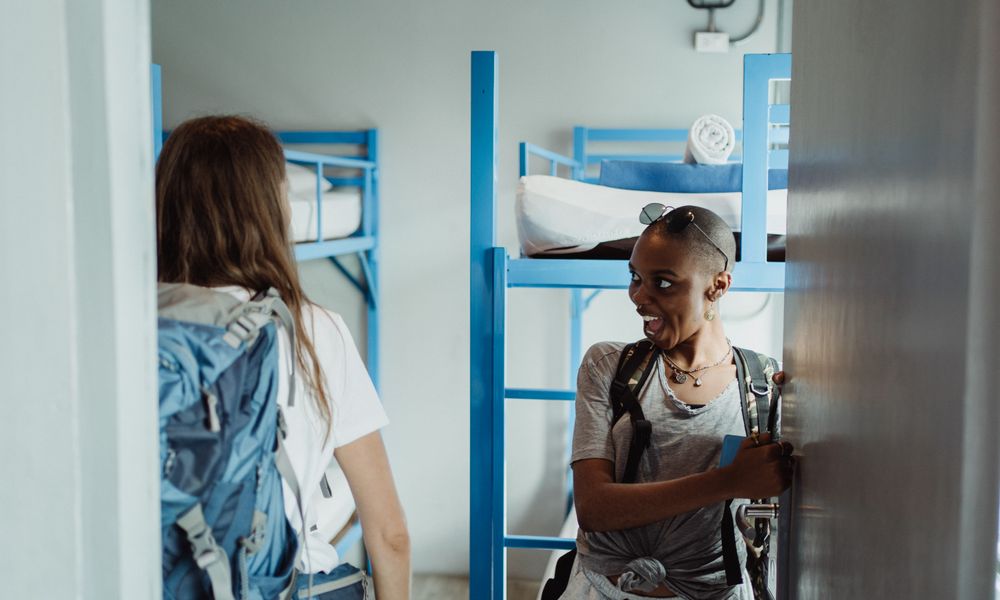
While Turkey is generally safe, certain neighborhoods in Istanbul have become hotspots for crime and unregulated budget housing in 2026. Choosing the wrong "cheap" hostel can lead to more than just a bad night's sleep; it can put your belongings and safety at risk.
High-Risk Neighborhoods for Budget Stays
In 2026, travel experts and local authorities suggest avoiding budget accommodations in the following areas after dark:
- Tarlabaşı: Located just a block away from the glitzy Istiklal Avenue, this area is undergoing gentrification but remains high-risk for muggings and drug-related crime. Budget rentals here are often unlicensed and lack basic security.
- Dolapdere: Similar to Tarlabaşı, this neighborhood is poorly lit and has a high rate of petty theft. Travelers staying here often report being followed or harassed.
- Aksaray (Backstreets): While the main tram line area is fine, the deeper backstreets of Aksaray are known for "nightclub scams" and human trafficking hubs. It is not a recommended area for solo female travelers on a budget.
- Gaziosmanpaşa: Too far from the center and known for higher local crime rates, this area offers very little to the average tourist and can be difficult to navigate safely at night.
Spotting Fake Tour Operators and Ghost Listings
The rise of digital nomadism in 2026 has led to a surge in "Ghost Listings" on popular booking platforms. These are attractive, highly-discounted apartments that don't actually exist. Once you pay, the "host" disappears. To avoid this, only book properties with a significant number of verified reviews spanning at least 12 months.
Furthermore, when booking tours—especially for hot air balloons in Cappadocia—verify that the operator is a member of TURSAB (Association of Turkish Travel Agencies). Every legitimate operator will have a TURSAB certificate and a digital verification code on their website. If they only accept payment via wire transfer or "cash on arrival" at a street corner, it is a scam.
Transport, ATM, and Digital Safety in 2026
The technical sophistication of turkey budget travel safety scams 2026 has increased. As Turkey pushes for more digital integration, scammers have followed suit, targeting travelers' bank accounts and digital identities.
ATM Skimming Hotspots
ATM skimming—where a device is placed over the card slot to steal your data—is a persistent issue in high-traffic areas. Hotspots include Taksim Square, Sultanahmet Square, and the Antalya Marina.
Safety Protocols for Cash:
- Only use ATMs located inside bank branches during business hours. These are much harder for scammers to tamper with.
- Avoid standalone ATMs on street corners or in dimly lit areas.
- Always cover the keypad with your hand when entering your PIN to block hidden cameras.
- Use contactless (tap) payments wherever possible, as these are much harder to "skim" than physical card inserts.
Transport Scams at Airports and Bus Stations
The Istanbul Airport (IST) and Sabiha Gökçen (SAW) are modern marvels, but the moment you exit the secure zone, you are fair game for "transfer touts." These individuals will offer you a ride into the city for a "cheap" price, only to take you to a secondary location where they demand more money or hand you off to an unlicensed driver in an unsafe vehicle.
Pro Tip: Always use the official Havaist or Havabus shuttle services. They are incredibly cheap, safe, and have designated luggage compartments. If you are using the intercity bus system (the Otogar), buy your tickets at the official counters inside the building, not from the men shouting city names in the parking lot.
Street Food Safety and Health Precautions
One of the highlights of budget travel in Turkey is the street food, from Simit to Döner. However, "Turkey Belly" (traveler's diarrhea) can ruin a trip. According to the CDC's latest health advice for Turkey, food and water safety should be a top priority for all visitors.
Eating Safely on a Budget
Never drink the tap water in Turkey. Even locals use it only for cooking or cleaning. Stick to bottled water, and ensure the seal is intact when you purchase it. When it comes to street food, follow the "High Turnover Rule": only eat at stalls where there is a long line of locals. This ensures the meat hasn't been sitting under a heat lamp all day. Avoid raw vegetables or salads at street stalls, as these may have been washed in tap water.
How to Avoid Looking Like a Target
Scammers look for "soft targets"—people who appear confused, overwhelmed, or overly wealthy. To minimize your risk, follow these 2026 behavioral guidelines:
- Dress Modestly: Even in 2026, Turkey is a conservative-leaning country. Dressing in "backpacker chic" (clean, modest clothing) helps you blend in and shows respect, making you less of a target for aggressive touts.
- Master the "No": In many cultures, it's polite to stop and talk. In Turkish tourist zones, a firm "Hayır, teşekkürler" (No, thanks) while continuing to walk is the only way to avoid being sucked into a 30-minute sales pitch.
- Walk with Purpose: Even if you are lost, walk like you know exactly where you are going. Step into a cafe or a shop to check your GPS rather than standing on a street corner with a confused look on your face.
- Keep Politics Private: As noted by the UK Foreign, Commonwealth & Development Office, travelers should avoid making public statements or social media posts regarding Turkish politics, as this can lead to legal complications or unwanted attention from authorities.

How to Navigate Turkey Budget Travel Safety Scams 2026 with TripGuard360
The biggest challenge of budget travel is the "gray area." Is that friendly man offering you tea a genuine local or a scammer? Is this backstreet in Kadıköy safe at 11 PM? These are questions that a static guidebook cannot answer. This is where TripGuard360 changes the game for budget travelers in 2026.
Our AI Safety Assistant on Telegram provides you with a 24/7 lifeline. If you find yourself in a situation that feels "off," you can simply message the bot. For example, you can snap a photo of a restaurant menu or a taxi license plate and ask, "Is this a fair price for Istanbul 2026?" or "Is this neighborhood safe for a solo walker right now?"
The AI analyzes real-time crime data, recent scam reports from other travelers, and local price indexes to give you an immediate, data-backed answer. It's like having a local security expert in your pocket, ensuring that your quest for turkey budget travel safety scams 2026 knowledge is always up to date. Whether you are navigating the crowds at a football match or searching for a hidden gem in the Taurus Mountains, TripGuard360 keeps you one step ahead of those looking to take advantage of your adventure.
Conclusion: Stay Alert, Stay Adventurous
Turkey is a land of incredible beauty and warmth. While the list of turkey budget travel safety scams 2026 may seem daunting, remember that the vast majority of your interactions will be positive. By staying informed, choosing your neighborhoods wisely, and using modern tools like TripGuard360, you can explore the wonders of Turkey without the stress of financial loss or safety risks.
Ready to travel Turkey with total peace of mind? Don't leave your safety to chance. Join thousands of smart travelers and try TripGuard360 for free today at tripguard360.com. Get real-time answers to "Is this safe?" and turn your 2026 Turkey trip into a secure, unforgettable experience.