Vietnam Visa Requirements 2026: Entry Rules & Fees
Vietnam continues to rank among the world's most alluring travel destinations. From the mist-shrouded limestone karsts of Ha Long Bay and the historical charm of Hoi An's lantern-lit streets, to the high-octane energy of Ho Chi Minh City, this Southeast Asian gem draws millions of international visitors annually. However, before you can dive into a steaming bowl of pho or cruise along the Mekong Delta, navigating the country's immigration policies is an essential first step.
Travel regulations are dynamic, and staying abreast of the latest legal shifts is critical. For instance, Vietnam has introduced sweeping digital transformations and legislative updates that fundamentally shape how foreigners enter the country. To ensure you do not face stressful boarding denials or border turnbacks, this guide details the absolute latest on the vietnam visa requirements 2026 entry rules. Whether you are traveling on a short vacation, planning a multi-country Southeast Asian backpacking expedition, or seeking a long-term business stay, this exhaustive blueprint has you covered. For more practical advice on staying secure during your international journeys, explore our travel safety blog.
Vietnam Visa Requirements 2026 Entry Rules: An Overview
The landscape of entering Vietnam has become remarkably digitized, yet it is governed by strict compliance laws. In 2026, the Vietnamese government operates a multi-tiered entry framework. Depending on your nationality, the purpose of your visit, and your intended length of stay, you will enter Vietnam under one of four primary pathways: visa-free entry (visa exemption), an electronic visa (e-visa), a pre-arranged visa-on-arrival (VOA), or a traditional paper visa issued by a Vietnamese Embassy or Consulate.
Understanding the 2026 Visa Categories
To plan your journey effectively, you must understand how these entry options differ in execution, cost, and stay limits:
- Visa-Free Exemptions: Granted to select nationalities under bilateral or unilateral agreements. It allows visitors to enter the country for a set number of days simply by presenting a qualified passport.
- Electronic Visas (E-visas): The primary entry method for the vast majority of international tourists. This online-only application is cost-effective, straightforward, and allows stays of up to 90 days.
- Embassy/Consular Visas: Traditional physical visas stamped into your passport prior to departure. These are generally reserved for travelers seeking long-term business arrangements, specialized work permits, or those whose nationalities do not qualify for digital entry paths.
- Visa-on-Arrival (VOA): Historically a popular tourist option, true VOA has been heavily restricted. In 2026, VOA is only permitted under extraordinary circumstances or when arranged via a licensed travel agency that secures an official governmental approval letter in advance.
Who Needs a Visa for Vietnam in 2026?
Unless your passport country is explicitly listed under Vietnam’s unilateral or bilateral visa waiver agreements, you must secure a visa prior to boarding your flight. The Vietnamese Immigration Department strictly enforces these policies, and airlines will check your visa status during check-in.
Below is the definitive, up-to-date breakdown of visa exemption statuses by nationality for ordinary passport holders entering Vietnam in 2026:
90-Day Visa-Free Entry (Bilateral Exemptions)
Citizens of the following countries can enter Vietnam and stay for up to 90 days without a visa. This exemption is highly flexible and typically geared toward bilateral economic partners:
- Chile
- Panama
45-Day Visa-Free Entry (Unilateral and Bilateral Exemptions)
Under active governmental resolutions—including Resolution 44/NQ-CP and Decree 221/2025/ND-CP—Vietnam has extended its unilateral 45-day visa-exempt stay for key tourism and trade markets. This policy is valid through to August 2028 and covers the following 24 European and East Asian nations:
- Western & Northern Europe: United Kingdom, France, Germany, Italy, Spain, Netherlands, Belgium, Switzerland, Denmark, Sweden, Norway, Finland, Ireland, Luxembourg.
- Eastern & Central Europe: Poland, Czechia, Slovakia, Hungary, Slovenia, Croatia, Romania, Bulgaria, Russia.
- East Asia: Japan, South Korea.
30-Day Visa-Free Entry (ASEAN and Select Partners)
Citizens of most ASEAN member states and select regional partners are granted 30-day visa-free stays. This group includes:
- Singapore, Thailand, Malaysia, Indonesia, Cambodia, Laos, Kyrgyzstan, Kazakhstan, Uzbekistan, Belarus.
Special Stay Exemptions (21-Day and 14-Day Limits)
Certain regional neighbors receive shorter exemption periods. These passport holders must apply for an e-visa if their travel plans exceed these specific limits:
- 21 Days: Philippines
- 14 Days: Brunei, Myanmar
The Phu Quoc Island Special Exemption
If you are planning to visit only the tropical paradise of Phu Quoc Island, a unique rule applies. All international travelers, regardless of nationality, are eligible for a 30-day visa exemption for Phu Quoc, provided they meet the following strict criteria: they must fly directly to Phu Quoc from an international airport, or transit through an international terminal in Vietnam (such as Hanoi or Ho Chi Minh City) without passing through domestic immigration, and they must not leave Phu Quoc Island during their stay.

May 2026 Changes and Updated Entry Rules
Vietnam’s immigration landscape undergoes frequent updates to streamline tourism while maintaining national security. In mid-2026, travelers must adapt to several critical regulatory updates implemented by the Ministry of Public Security and the Vietnam Immigration Department. Understanding these changes is vital to ensuring your transition through the border is seamless.
The Pre-Arrival Online Declaration Mandate at SGN
One of the most consequential updates took effect on April 15, 2026. All foreign nationals and overseas Vietnamese entering Vietnam *with a visa* via Tan Son Nhat International Airport (SGN) in Ho Chi Minh City must complete a mandatory online arrival declaration. Passengers are required to log onto the official pre-arrival portal at https://prearrival.immigration.gov.vn/ before they depart their origin airport.
Upon completing this digital questionnaire—which asks for passport details, visa numbers, flight numbers, and accommodation addresses—passengers receive a unique Pre-Arrival QR Code. This QR code must be presented to immigration officers alongside your physical passport and visa documents upon landing. Completing this step grants travelers access to designated "Pre-Arrival Priority Lanes," bypassing the notoriously long queues at Ho Chi Minh City's major international hub. Government advisories indicate that this portal will be progressively rolled out to other major international airports, including Hanoi (HAN) and Da Nang (DAD), later this year.
Revised Immigration Law (Effective July 1, 2026)
A major legislative overhaul of the Law on Entry, Exit, Transit, and Residence of Foreigners in Vietnam is scheduled to take effect on July 1, 2026. This legal update is designed to integrate foreign residency data into Vietnam's national digital network and introduce specialized visas to attract foreign capital and intellectual property.
Among the key updates is the introduction of two highly anticipated visa categories: the UĐ1 visa and the UĐ2 visa. The UĐ1 visa is a 5-year multi-entry visa targeting highly skilled professionals, top-tier tech talent, and accredited digital nomads who are sponsored by licensed enterprises in Vietnam. The UĐ2 visa extends identical benefits to the spouses and dependent children (under 18) of UĐ1 holders. This move signals Vietnam's aggressive push to compete with regional digital nomad hubs like Thailand and Malaysia.
The Expanded 83-Port E-Visa Network
To reduce pressure on traditional diplomatic channels, the Vietnamese government has expanded the list of checkpoints that accept the digital e-visa. Under Resolution 389/NQ-CP, e-visas are now officially accepted at 83 international border gates, representing a massive expansion from the previous network. This expanded list includes 13 international airports, 16 major seaports, and 54 land border crossings connecting Vietnam to Laos, Cambodia, and China. If you are planning an overland journey, you must verify that your exact border gate of entry is among the approved 83 ports before submitting your e-visa application.

Step-by-Step Vietnam Visa Requirements 2026 Entry Rules Application Guide
Applying for a visa should not be an intimidating process. For the vast majority of travelers, the e-visa is the most practical, affordable, and secure path to entry. Below is a comprehensive, step-by-step application guide designed to ensure your application is approved on the first attempt without processing delays.
Step 1: Use the Authentic Government Portals
The internet is saturated with third-party agency websites designed to look like official government portals. Many of these sites charge exorbitant "processing fees" that can easily exceed $100. To apply safely and pay only the legal government fees, you must use one of the two official, secure domains maintained by the Immigration Department of the Ministry of Public Security:
- Official Domain A: https://evisa.gov.vn
- Official Domain B: https://thithucdientu.gov.vn
Step 2: Upload Your Documents and Portrait Photo
To begin the application, you will need to upload clear, high-resolution digital files of the following:
- Passport Data Page: A full-color scan or high-quality photo of your passport's information page. Ensure that the entire page is visible, including the Machinable Readable Zone (MRZ) at the bottom, and that there is no glare blocking vital text.
- Portrait Photo: A recent passport-style color photo (4x6 cm). The photo must be taken against a plain white background, with you facing directly forward. You must not wear glasses, hats, headbands, or uniforms (religious headwear is permitted only if it does not obscure facial features).
Step 3: Complete the Detailed Digital Form
Accuracy is paramount when filling out the digital form. Even a single character typo can lead to you being denied boarding at your airport of origin. Pay meticulous attention to these fields:
- Full Name: Enter your full name exactly as it appears in the Machine Readable Zone of your passport. Do not use nicknames or omit middle names.
- Passport Number: Double-check for common character mix-ups, such as confusing the number "0" (zero) with the letter "O", or "1" (one) with "I".
- Entry & Exit Ports: You must select your exact entry and exit ports from the dropdown list. Once your e-visa is issued, you are legally bound to enter *only* through the specified gateway. Entering through an unlisted port will result in entry denial.
- Intended Address in Vietnam: Provide the exact name and physical address of your initial hotel, guesthouse, or host residence. Generic answers like "Hotel in Hanoi" will result in your application being sent back for amendment, delaying processing.
Step 4: Pay the Official Visa Fees
Once you submit your details, you will be prompted to pay the government fee via the integrated secure e-payment gateway. The official fees for a standard tourist or business e-visa in 2026 are:
- Single-Entry E-Visa (up to 90 days stay): USD 25
- Multiple-Entry E-Visa (up to 90 days stay): USD 50
Crucial Warning: These fees are fully non-refundable, regardless of whether your visa application is approved, denied, or returned for correction. Ensure all data is 100% accurate before clicking submit.
Step 5: Track and Download Your E-Visa
After paying, you will receive a unique Registration Code (also referred to as an E-visa Application Number). Keep this code safe. You must use it, along with your email and date of birth, to check your application status on the official lookup page.
The standard processing window is 3 to 5 working days (excluding weekends and Vietnamese public holidays). However, to account for potential administrative backlogs or image compliance issues, it is highly recommended to apply at least 10 to 14 days prior to your flight. Once the status shows "Granted," download the PDF, print at least two physical copies, and save a digital backup on your smartphone.
The Pre-Arranged Visa-on-Arrival (VOA) Myth
Many travelers believe they can simply land at any Vietnamese airport and purchase a tourist visa on the spot. This is a dangerous misconception. Traditional, instant Visa-on-Arrival does not exist in Vietnam for standard independent tourists.
If you choose to use the pre-arranged VOA pathway, you must hire an authorized Vietnamese travel agency or corporate sponsor in advance. The sponsor must submit a petition to the Vietnam Immigration Department on your behalf. If approved, the department issues an official Visa Approval Letter. You must print this letter, carry it to your departure airport, and present it at the "Visa on Arrival" counter upon landing in Vietnam, where you will pay a physical cash "stamping fee" (typically USD 25 for single entry or USD 50 for multiple entry) in pristine US Dollar bills. Because of the added service fees charged by agencies and the risk of scams, the e-visa remains the vastly superior option for travelers in 2026.
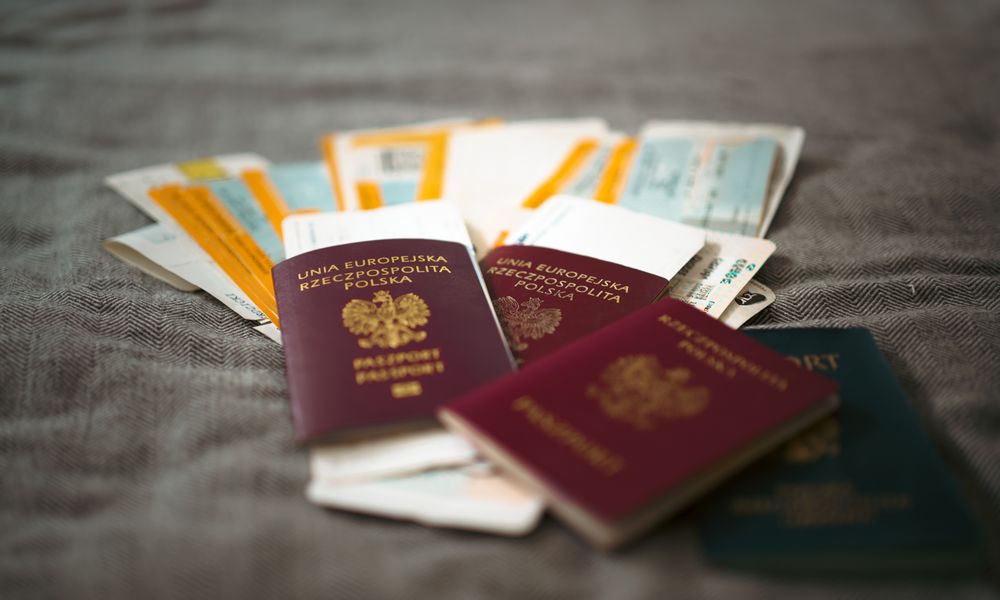
Essential Documents Required for Entry
Possessing a valid e-visa or qualifying for a visa exemption is only half the battle. To cross the Vietnamese border successfully, you must satisfy a strict set of supporting document criteria. Border officers at Hanoi, Ho Chi Minh City, Da Nang, and land border gates are thorough, and fail-safes are in place to ensure compliance.
1. Passport Validity and Condition
Your passport is your ultimate travel document, and its condition is scrutinized heavily. You must ensure your passport meets the following baseline requirements:
- 6-Month Rule: Your passport must have an expiration date at least 6 months beyond your date of arrival in Vietnam. If your passport has 5 months and 29 days of validity left on the day you land, you will be summarily denied entry and sent back on the next available flight.
- Blank Pages: You must have at least 2 blank pages available for entry and exit stamps and any physical visa stickers.
- Physical Integrity: Your passport must be free of significant physical damage. Severe water stains, loose pages, detached covers, or tears on any page are frequent grounds for entry denial. The UK Government's Foreign, Commonwealth & Development Office (FCDO) travel advisory for Vietnam notes that several British nationals have faced detention or immediate deportation due to minor passport page tears.
2. Proof of Onward or Return Travel
To prevent illegal immigration and unsanctioned visa runs, both airlines and Vietnamese immigration officers regularly demand proof of your intent to depart the country. You must present a confirmed onward or return ticket (air, rail, or bus) showing you will leave Vietnam before your visa or visa-free exemption period expires. If you are traveling on a one-way ticket with plans to explore neighboring countries, you should secure a cheap onward flight or a regional bus ticket out of Vietnam beforehand to avoid boarding denials at your origin airport.
3. Financial Sufficiency Proof
While Vietnamese border officials rarely conduct routine financial audits on tourists, they legally reserve the right to request proof of sufficient funds to support your stay. As a rule of thumb, travelers should have access to the equivalent of USD 1,000 to USD 1,500 in cash, active credit card limits, or accessible bank statements. This is especially true for travelers entering on long-term tourist e-visas or those arriving from countries categorized as higher risk by the immigration department.
4. Travel Health Insurance and Medical Guidelines
Vietnam does not mandate a specific minimum coverage amount for travel medical insurance, but traveling without it is highly risky. The U.S. Department of State's Vietnam Country Information warns that the local medical infrastructure, particularly in rural and mountainous areas, is highly rudimentary. Private hospitals in major cities like Hanoi and Ho Chi Minh City offer world-class care but require upfront financial guarantees or immediate cash payments before treating foreign nationals.
Your insurance policy should explicitly cover emergency medical evacuation (which can easily exceed $50,000 if airlifted to Bangkok or Singapore) and cover repatriation of remains. For comprehensive tips on selecting the right medical coverage and protecting your health while exploring Southeast Asia, refer to our travel guides.

Border Crossings, Overstays, and Transit Rules
If you are planning an overland adventure across mainland Southeast Asia or have a multi-leg flight itinerary that passes through Vietnam, understanding the transit and crossing rules is vital to avoiding legal and financial headaches.
Overland Border Crossing Rules
Overland border crossings require precise planning. If you are entering Vietnam via land from Laos, Cambodia, or China, you must ensure your chosen crossing point is one of the 83 approved checkpoints that accept the digital e-visa.
Some of the most popular overland gates include:
- From Cambodia: Moc Bai (Svay Rieng), Ha Tien (Kampot), Tinh Bien (Takeo).
- From Laos: Lao Bao (Savannakhet), Cau Treo (Bolikhamsai), Na Meo (Houaphanh), Nam Can (Xieng Khouang).
- From China: Huu Nghi (Guangxi), Lao Cai (Yunnan).
When completing your online e-visa application, you are required to select your exact entry border gate. If your visa lists "Moc Bai Landport," but you attempt to cross at "Ha Tien Landport," border officials will deny you entry and require you to apply for an entirely new e-visa online, leaving you stranded at the border for several days while it processes.
Vietnam Transit Visa Rules
Do you need a visa if you are only stopping over in Vietnam en route to a third country? The answer depends entirely on your flight itinerary and airline booking style:
- Two-Ticket / Self-Transfer Transit: If you booked separate tickets with different airlines (e.g., flying into Hanoi on one airline and departing on another) and must retrieve your checked baggage and check in again, you must pass through immigration control. Therefore, you will need an e-visa or a qualifying visa exemption to enter the transit area.
- Single-Ticket / Baggage Checked Through: If your flights are booked on a single ticket, your baggage is checked through to your final destination, and you remain within the international transit lounge of the airport for under 24 hours, you do not require a transit visa.
- Domestic Transfer Transit: If your transit itinerary involves traveling from an international terminal to a domestic terminal to catch a domestic flight (such as flying from London to Ho Chi Minh City, then flying domestically to Phu Quoc), you must pass through international immigration at your first point of entry. In this scenario, a valid e-visa or visa-exempt passport is mandatory.
Overstay Penalties and Consequences
The Vietnamese government enforces zero-tolerance policies regarding foreigners who remain in the country past the expiration date stamped in their passports. Overstaying your visa in Vietnam is a serious administrative and criminal offense. The UK Government's Foreign, Commonwealth & Development Office (FCDO) travel advisory for Vietnam and the Australian Government's Smartraveller portal for Vietnam warn that overstayers face severe legal actions.
Penalties for overstaying are calculated on a sliding scale based on the number of days exceeded:
- 1 to 3 Days: Fine of approximately VND 500,000 to VND 2,000,000 ($20 to $80 USD), payable at the airport immigration office upon exit. Expect significant delays and missed flights.
- 4 to 15 Days: Fine of VND 3,000,000 to VND 5,000,000 ($120 to $200 USD), along with mandatory registration with local police and an exit visa fee.
- 16 to 30 Days: Fine of VND 5,000,000 to VND 10,000,000 ($200 to $400 USD).
- Over 30 Days: Fines exceeding VND 15,000,000 to VND 40,000,000 ($600 to $1,600 USD). Overstayers in this tier are frequently detained in immigration holding facilities, formally deported at their own expense, and placed on a long-term entry blacklist, banning them from returning to Vietnam for up to 5 to 10 years.
Pro Traveler Tip: Always double-check the entry stamp in your passport immediately after passing through border control. Occasionally, officers may accidentally write the wrong departure date. If you detect an error, request an immediate correction at the border station to prevent being accused of overstaying when you attempt to exit the country.
Staying Ahead of Policy Updates with TripGuard360
As experienced travelers know, immigration rules are never static. A country can change its entry requirements, roll out a mandatory health declaration, or suspend a visa-waiver agreement with very little warning, potentially disrupting your travel plans. Navigating these sudden bureaucratic shifts after you have already booked non-refundable flights, hotels, and tours can lead to severe stress and financial loss.
This is where TripGuard360 becomes an indispensable travel partner. TripGuard360 is an advanced travel monitoring ecosystem that watches over global visa policies and entry rules 24/7. Powered by cutting-edge Gemini AI, our system constantly scans official immigration databases, foreign ministry portals, consular bulletins, and international health advisories around the clock.
The moment any country updates its entry requirements, adjusts its visa fees, or introduces a new mandatory procedure—such as Vietnam’s recent pre-arrival QR code system—TripGuard360 detects the change instantly. The system then automatically dispatches personalized, real-time alerts straight to your smartphone via Telegram and email.
By tracking your active itineraries through TripGuard360, you are guaranteed to never be caught off guard at the check-in desk or border control. If a rule changes after you have booked your trip, you will be the first to know, giving you ample time to update your paperwork, adjust your border crossing points, or secure the correct digital declarations. With TripGuard360, you can travel with absolute peace of mind, knowing that a sophisticated, AI-driven watchman has your back every single mile of the way.
Summary Checklist for Your 2026 Vietnam Trip
Before heading to the airport, use this quick checklist to ensure you comply with all entry guidelines:
- Verify if your passport nationality qualifies for a 45-day visa exemption. If not, secure a 90-day e-visa via the official domains:
https://evisa.gov.vn. - Ensure your passport is valid for at least 6 months beyond your arrival date and has 2 blank pages. Check the physical condition for any damage.
- Print at least two physical copies of your approved e-visa.
- If arriving via Tan Son Nhat Airport (SGN) in Ho Chi Minh City on a visa, complete your Pre-Arrival Online Declaration and save the QR code.
- Secure a confirmed return or onward ticket departing Vietnam before your visa stay limit.
- Purchase a comprehensive travel medical insurance policy that covers medical evacuation.
- Register your itinerary on TripGuard360 to monitor any last-minute immigration changes.
By preparing your documentation diligently and leveraging the power of real-time AI monitoring, your journey to Vietnam in 2026 will be defined by incredible cultural discoveries, breathtaking landscapes, and entirely hassle-free transitions across the border. Safe travels!